Loyalty Programs & Your Data: A 2026 US Consumer’s Privacy Guide
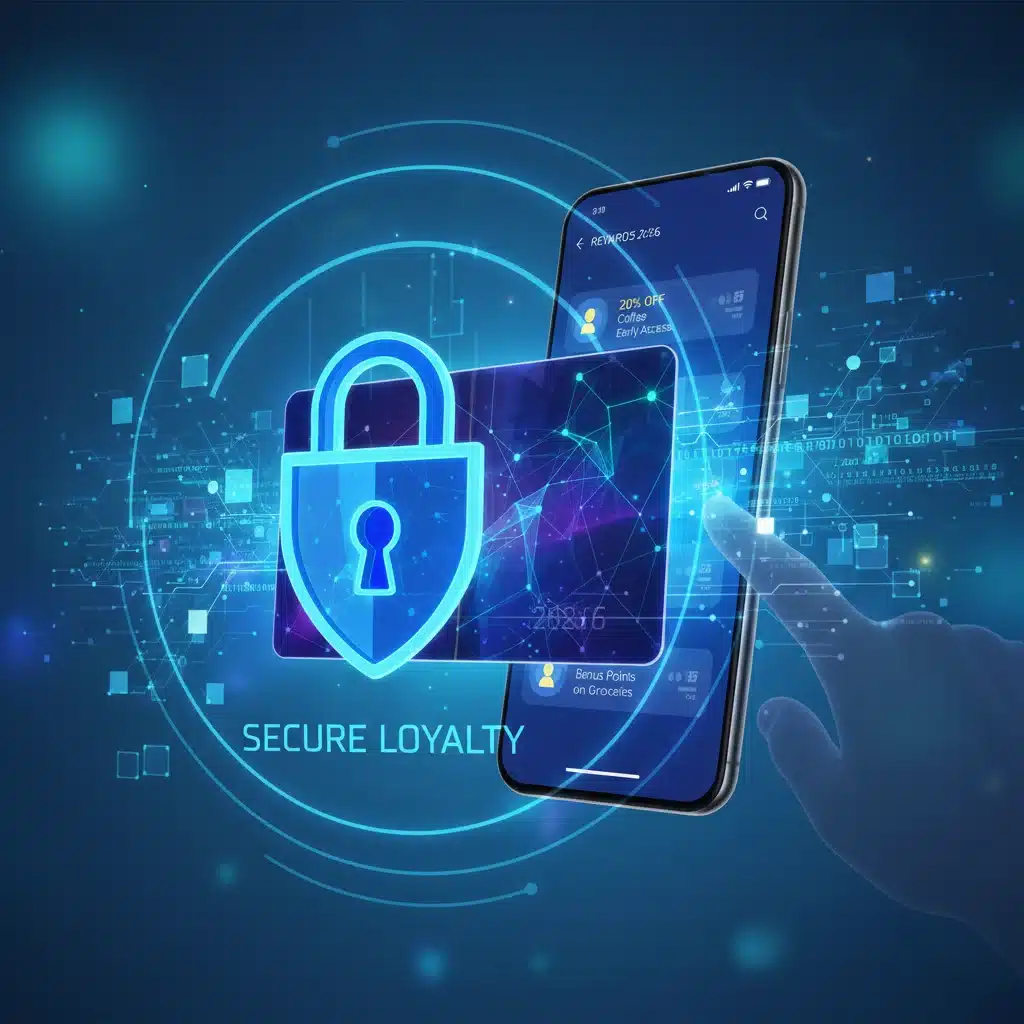
In the dynamic landscape of 2026, loyalty programs have evolved beyond simple punch cards, becoming sophisticated digital ecosystems designed to enhance your shopping experience and offer tailored rewards. For US consumers, these programs present a compelling proposition: exclusive discounts, early access to sales, and personalized recommendations. However, this convenience often comes with a trade-off – the sharing of your personal data. Understanding the intricate relationship between loyalty programs and your data privacy is paramount in today’s interconnected world. This comprehensive guide aims to equip you with the knowledge to navigate these programs effectively, ensuring you reap the benefits without compromising your digital security.
The digital age has ushered in an era where data is a valuable commodity. Businesses leverage this data to understand consumer behavior, predict trends, and ultimately, drive sales. Loyalty programs are at the forefront of this data collection, gathering insights into your purchasing habits, preferences, and even your browsing history. While this data fuels the personalization that makes these programs so attractive, it also raises legitimate concerns about privacy and how your information is being used, stored, and protected. As we delve deeper into 2026, new regulations and technological advancements continue to shape this conversation, making it essential for every US consumer to stay informed.
This article will explore the various facets of loyalty program privacy, from the types of data collected to the potential risks and the legal frameworks protecting your information. We will provide actionable advice on how to manage your privacy settings, identify red flags, and make informed decisions about which programs to join. Our goal is to empower you to take control of your digital footprint while still enjoying the perks that loyalty programs offer. Let’s embark on this journey to become a more data-aware and privacy-savvy consumer in 2026.
The Evolution of Loyalty Programs: Beyond Points and Punch Cards
Gone are the days when loyalty programs solely revolved around accumulating points for every dollar spent. Today, these programs are sophisticated, multi-faceted engagement platforms. Retailers, airlines, hotels, and even local coffee shops have embraced technology to create personalized experiences that go far beyond generic discounts. In 2026, you’re likely to encounter programs that offer dynamic pricing, exclusive content, early access to products, and even tailored recommendations based on your past behavior and predicted future needs. This evolution is largely driven by the power of data analytics, enabling companies to understand their customers on a granular level.
The shift towards hyper-personalization is a defining characteristic of modern loyalty programs. Instead of a blanket 10% off, you might receive an offer for 20% off on a specific product category you frequently purchase, or a complimentary upgrade on a flight route you often take. This level of customization is incredibly appealing to consumers, as it makes them feel valued and understood. However, it’s crucial to recognize that this personalization is a direct result of the data you provide, either explicitly or implicitly, through your interactions with the brand. The more data they collect, the more precise and attractive their offers can become, creating a compelling, yet complex, dynamic for the savvy US consumer.
Furthermore, the integration of loyalty programs with other digital platforms is becoming increasingly common. Your loyalty account might be linked to your social media profiles, your payment apps, or even smart home devices. This interconnectedness allows for a seamless and often invisible flow of information, painting a comprehensive picture of your lifestyle and preferences. While this can lead to incredibly convenient and relevant experiences, it also expands the potential surface area for data collection and raises important questions about who has access to your information and for what purposes. Understanding these connections is a vital step in safeguarding your loyalty program privacy.
What Data Do Loyalty Programs Collect? A Closer Look
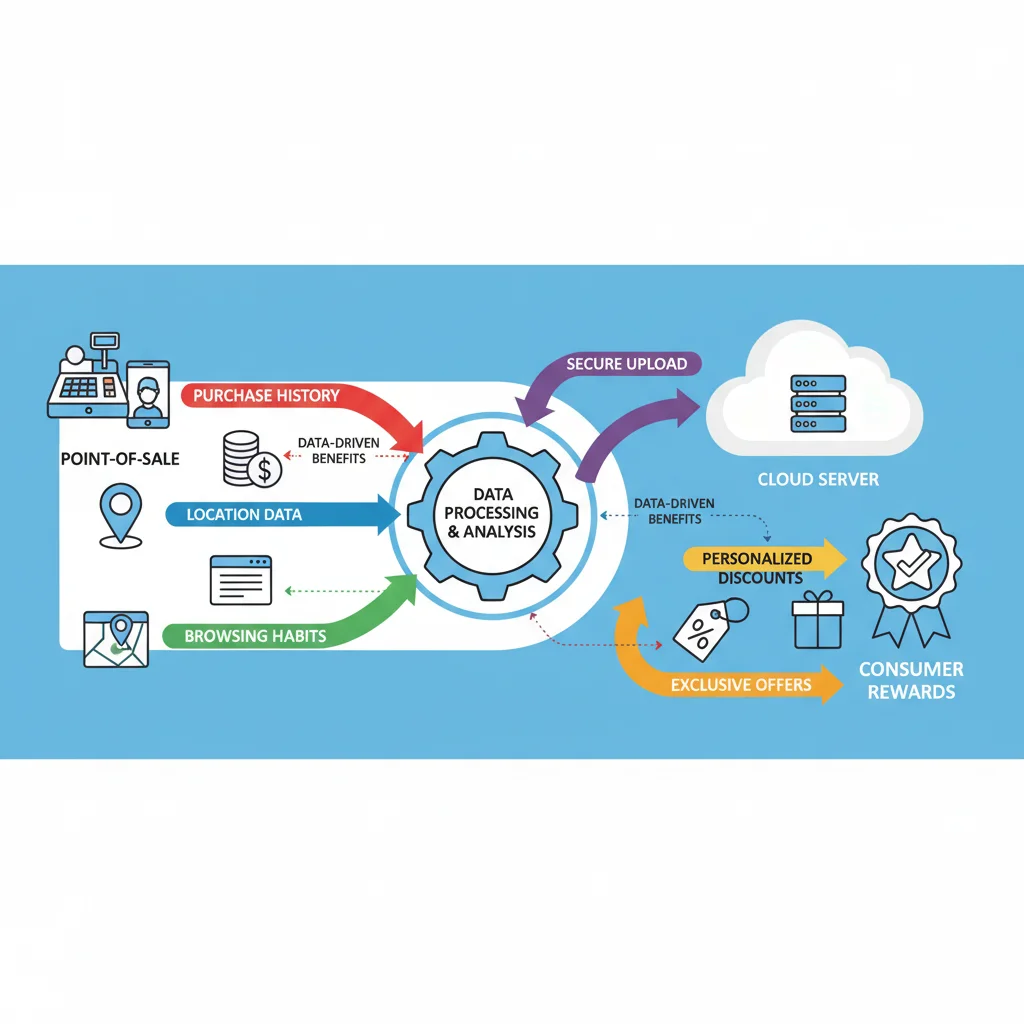
To truly understand loyalty program privacy, it’s essential to know what kind of data these programs typically collect. The scope can be surprisingly broad, extending far beyond your name and email address. In 2026, companies are increasingly sophisticated in their data gathering techniques, aiming to build a holistic profile of each customer. This information is then used to segment customers, predict purchasing behavior, and craft highly targeted marketing campaigns.
Directly Provided Information
- Personal Identifiers: Your name, email address, phone number, physical address, and sometimes even date of birth are standard.
- Demographic Data: While not always mandatory, some programs might ask for gender, marital status, or household income to better understand their customer base.
- Payment Information: When you link a payment method, details like card numbers (often tokenized for security) and billing addresses are collected.
- Preferences and Interests: Surveys, wish lists, and direct feedback often provide insights into your likes, dislikes, and specific interests.
Automatically Collected Information
- Purchase History: This is the cornerstone of most loyalty programs. Details include items bought, prices, dates, frequency, and store locations.
- Browsing Behavior: If you interact with the brand’s website or app, cookies and tracking technologies can record pages viewed, products clicked, time spent, and even items left in your cart.
- Location Data: Through mobile apps, GPS, Wi-Fi, or Bluetooth, companies might collect your physical location, sometimes even when you’re not actively using their app, to understand foot traffic patterns or offer proximity-based deals.
- Device Information: Details about the device you use to access their services (e.g., operating system, IP address, device ID) can be collected for analytics and security.
- Interaction Data: How you engage with emails, push notifications, and customer service interactions can also be tracked.
Inferred and Third-Party Data
- Inferred Data: Based on the collected information, companies can infer various aspects about you, such as your lifestyle, brand affinity, or likelihood to purchase certain products.
- Third-Party Data: In some cases, loyalty programs might augment their data with information obtained from data brokers, social media platforms, or other partners. This could include public records, demographic data, or interest profiles, creating an even more detailed picture.
The sheer volume and variety of data collected underscore the importance of understanding a program’s privacy policy. Each piece of information, when combined, contributes to a comprehensive profile that can be used for various purposes, some beneficial to you, others potentially less so. Being aware of this collection is the first step towards managing your loyalty program privacy effectively.
The Benefits of Sharing Data: Personalized Rewards and Enhanced Experiences
It’s easy to focus on the potential downsides of data sharing, but it’s equally important to acknowledge the tangible benefits that personalized loyalty programs offer. For many US consumers, the advantages outweigh the concerns, especially when they feel their data is being used responsibly to enhance their experience. In 2026, these benefits are more sophisticated and impactful than ever before.
Tailored Discounts and Promotions
Perhaps the most immediate and appealing benefit is the reception of discounts and promotions that are genuinely relevant to your interests and purchasing habits. Instead of generic flyers, you might receive an email with a 25% off coupon for your favorite brand of coffee, or a special offer on the specific running shoes you’ve been eyeing. This targeted approach saves you money on items you actually want and need, making your loyalty feel truly rewarded.
Exclusive Access and Perks
Many loyalty programs offer more than just monetary savings. Members often gain exclusive access to sales events before the general public, early previews of new product launches, or special services like free shipping, expedited returns, or dedicated customer support lines. For travelers, this could mean lounge access, complimentary upgrades, or priority boarding. These perks enhance the overall customer journey and create a sense of exclusivity.
Personalized Product Recommendations
By analyzing your past purchases and browsing behavior, loyalty programs can offer highly accurate product recommendations. This can be incredibly convenient, helping you discover new items you’ll love or reminding you to restock essentials. Imagine receiving a notification about a new book by your favorite author, or a suggestion for a complementary accessory to a recent purchase – this level of personalization saves time and improves the shopping experience.
Streamlined Shopping and Service
Your data can also contribute to a smoother and more efficient interaction with a brand. For instance, customer service representatives can quickly access your purchase history to resolve issues faster. Online shopping experiences can be streamlined with pre-filled forms, saved preferences, and a personalized website layout that highlights relevant products and information. This reduces friction and makes every interaction more pleasant.
Community and Engagement
Some loyalty programs foster a sense of community, offering members forums, events, or exclusive content. Your data might be used to connect you with like-minded individuals or invite you to events that align with your interests. This can deepen your connection with a brand and provide value beyond simple transactions.
Ultimately, the value proposition of modern loyalty programs is built on the promise of a more personalized, rewarding, and convenient experience. While the data exchange is central to this, understanding the benefits helps consumers weigh the pros and cons and make informed decisions about their participation. The key lies in finding the right balance between enjoying these benefits and protecting your loyalty program privacy.
The Risks: Data Breaches, Unwanted Marketing, and Profiling
While the allure of personalized rewards is strong, it’s crucial for US consumers in 2026 to be acutely aware of the potential risks associated with sharing their data with loyalty programs. The more information you provide, the greater the potential for misuse, unwanted intrusions, or even severe security incidents. Understanding these risks is fundamental to protecting your loyalty program privacy.
Data Breaches and Security Vulnerabilities
One of the most significant risks is the possibility of a data breach. No system is entirely impervious to cyberattacks, and companies that collect vast amounts of personal data become prime targets. If a loyalty program’s database is compromised, your personal information – including names, email addresses, purchase history, and in some cases, even payment details – could fall into the wrong hands. This can lead to identity theft, financial fraud, or phishing scams. Even seemingly innocuous data, when combined with other publicly available information, can be used to create a detailed profile of you, making you vulnerable.
Unwanted Marketing and Spam
While personalized offers can be beneficial, the line between helpful recommendations and intrusive marketing can often blur. Without proper controls, your data might be used to bombard you with excessive emails, push notifications, or targeted ads that feel overwhelming or irrelevant. Some companies might even share your data with third-party marketing partners, leading to a deluge of unsolicited communications from unfamiliar entities. This erosion of your digital space can be a significant annoyance and a direct consequence of lax loyalty program privacy practices.
Profiling and Algorithmic Bias
The data collected by loyalty programs is often fed into sophisticated algorithms that build detailed profiles of consumers. These profiles can categorize you based on your purchasing habits, perceived income level, health interests, or even political affiliations. While this can lead to personalization, it can also result in algorithmic bias, where certain offers are withheld or presented differently based on your inferred characteristics. For example, some consumers might be offered higher prices or less favorable terms based on their data profile, without their explicit knowledge or consent. This raises ethical questions about fairness and transparency in data usage.
Data Sharing with Third Parties
A common practice among businesses is to share or sell aggregated or even individualized customer data to third-party partners, data brokers, or advertisers. While this is often done to enhance targeting or generate additional revenue, it means your information is disseminated beyond the original company you trusted. It becomes increasingly difficult to track who has your data, how they are using it, and how long they retain it. This lack of control over your data’s journey is a major loyalty program privacy concern.
De-anonymization Risks
Even if data is initially collected in an anonymized or pseudonymized form, there’s always a risk of de-anonymization. Advanced techniques can sometimes link seemingly anonymous data back to an individual, especially when combined with other datasets. This means that information you believed to be private could potentially be identified and associated with your personal identity.
Understanding these risks isn’t meant to deter you from using loyalty programs entirely, but rather to empower you to approach them with a critical eye. By being aware of what could go wrong, you can take proactive steps to mitigate these risks and better protect your loyalty program privacy.
US Consumer Privacy Laws in 2026: What You Need to Know
In 2026, the landscape of US consumer privacy laws continues to evolve, offering varying degrees of protection for your personal data, including information collected by loyalty programs. Unlike the European Union’s comprehensive GDPR, the US employs a patchwork of federal and state-level legislation. Understanding these key laws is crucial for asserting your rights and safeguarding your loyalty program privacy.
Federal Laws: Sector-Specific Protections
- HIPAA (Health Insurance Portability and Accountability Act): While not directly related to retail loyalty programs, HIPAA protects sensitive health information. It’s important to note if any loyalty program attempts to collect health-related data, as this would fall under stricter scrutiny.
- COPPA (Children’s Online Privacy Protection Act): This law protects the online privacy of children under 13. Loyalty programs targeting this age group must comply with strict parental consent requirements for data collection.
- FTC Act (Federal Trade Commission Act): The FTC has broad authority to protect consumers from unfair or deceptive practices, including misrepresentations about data privacy. They actively enforce against companies that fail to protect consumer data or misuse it.
State-Level Privacy Laws: Leading the Charge
Many of the most robust privacy protections in the US originate at the state level. These laws often grant consumers significant rights regarding their personal data. By 2026, more states are expected to enact similar legislation, but the most influential include:
California Consumer Privacy Act (CCPA) / California Privacy Rights Act (CPRA)
The CCPA, significantly expanded by the CPRA, is a landmark law giving California residents extensive rights over their personal information. Key rights include:
- Right to Know: Consumers can request to know what personal information a business collects, sells, or shares, and why.
- Right to Delete: Consumers can request that businesses delete personal information collected from them.
- Right to Opt-Out: Consumers have the right to opt-out of the sale or sharing of their personal information. This is particularly relevant for loyalty programs that might monetize data.
- Right to Correct: Consumers can request correction of inaccurate personal information.
- Right to Limit Use and Disclosure of Sensitive Personal Information: Consumers can limit the use and disclosure of sensitive data, such as precise geolocation or health information.
Virginia Consumer Data Protection Act (VCDPA)
The VCDPA provides similar rights to California’s laws, including the right to access, delete, and opt-out of the processing of personal data for targeted advertising, sale, or profiling. It emphasizes a consent-based approach for sensitive data.
Colorado Privacy Act (CPA)
The CPA grants Colorado residents rights comparable to CCPA and VCDPA, focusing on transparency, consumer control over personal data, and requiring opt-in consent for sensitive data processing.
Utah Consumer Privacy Act (UCPA) and Connecticut Data Privacy Act (CTDPA)
These laws also provide consumers with rights to access, delete, and opt-out of data processing, contributing to the growing trend of stronger state-level privacy protections.
The Impact on Loyalty Programs
These state laws compel businesses, including those operating loyalty programs, to be more transparent about their data practices and provide mechanisms for consumers to exercise their rights. While these laws currently apply to residents of specific states, their influence often extends nationwide as companies adjust their practices to comply with the strictest regulations. Therefore, even if you don’t reside in one of these states, you might still benefit from the increased transparency and control offered by companies striving for broader compliance.
It’s important to regularly review the privacy policies of loyalty programs you participate in, as they must disclose their data practices and your rights under applicable laws. If you believe your rights have been violated, these state laws provide avenues for filing complaints with the relevant state attorney general or privacy protection agency. Staying informed about these evolving legal frameworks is a powerful tool in protecting your loyalty program privacy in 2026.
Best Practices for Protecting Your Loyalty Program Privacy
Navigating the complex world of loyalty programs and data privacy requires a proactive approach. By adopting a few best practices, US consumers in 2026 can significantly enhance their loyalty program privacy without sacrificing all the benefits. The goal is to strike a balance between convenience, rewards, and personal data protection.
1. Read the Privacy Policy (Seriously)
This is arguably the most critical step. Before joining any loyalty program, take the time to read its privacy policy and terms of service. Look for sections that detail:
- What data is collected: Be specific about personal identifiers, purchase history, location data, etc.
- How data is used: Is it for personalization, internal analytics, or targeted advertising?
- Who data is shared with: Do they share with third parties, affiliates, or data brokers?
- Data retention period: How long do they keep your data?
- Your rights: How can you access, correct, delete, or opt-out of data sharing?
If a policy is vague, overly complex, or difficult to find, consider it a red flag. Trustworthy companies are transparent about their data practices.
2. Provide Only Necessary Information
When signing up for a loyalty program, you’re often presented with optional fields. Do you really need to provide your date of birth, marital status, or job title to get points on your coffee? Stick to the bare minimum required to join and receive benefits. Less data shared means less data at risk.
3. Leverage Privacy Settings and Opt-Out Options
Most reputable loyalty programs and associated apps offer privacy settings. Take advantage of them:
- Opt-out of data sharing/selling: Look for explicit options to prevent your data from being shared with third parties for marketing purposes.
- Manage communication preferences: Unsubscribe from marketing emails you don’t want or adjust notification settings.
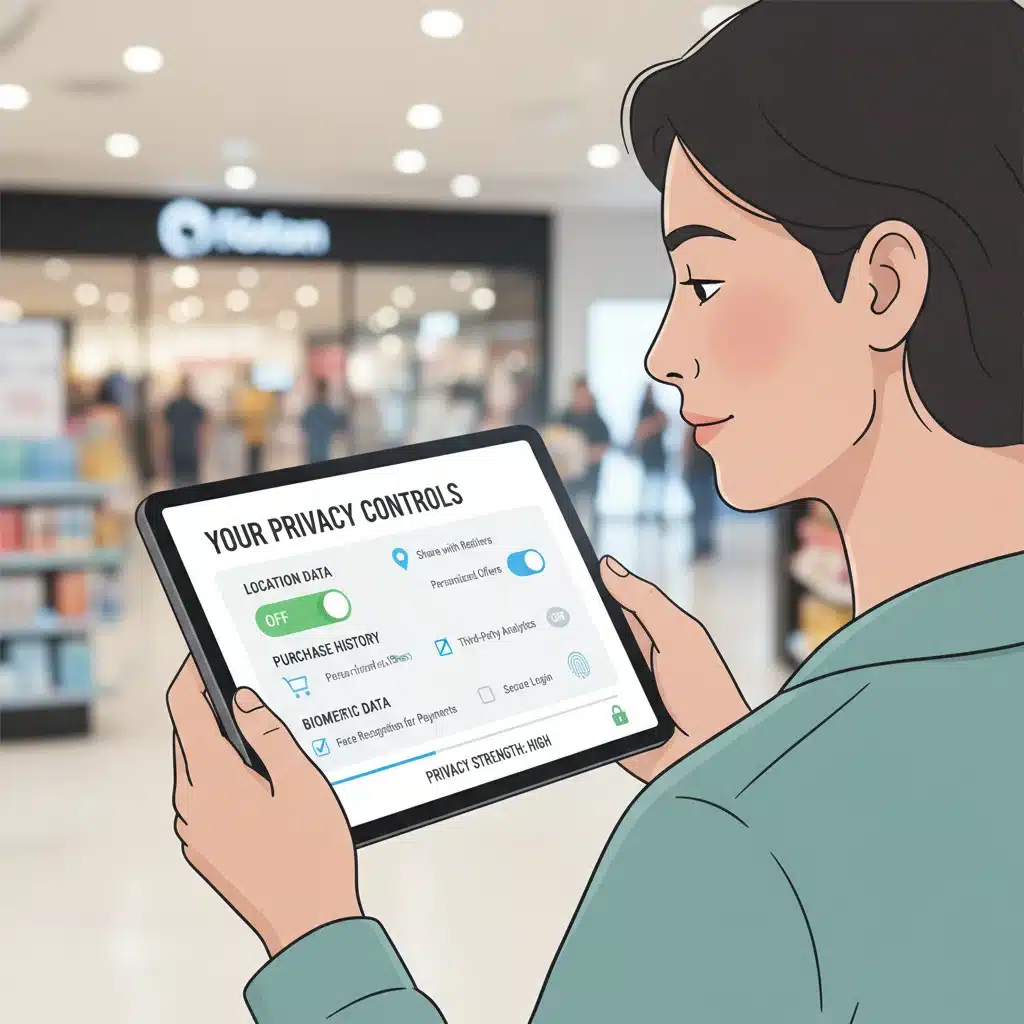
- Disable location tracking: If a loyalty app requests location access, consider if it’s truly necessary for the program’s benefits. Often, you can disable precise location tracking or only allow it while using the app.
- Cookie preferences: Manage cookie settings on the brand’s website to limit tracking.
4. Use Strong, Unique Passwords and Two-Factor Authentication (2FA)
Protect your loyalty program accounts with strong, unique passwords. Avoid reusing passwords across different services. Wherever possible, enable two-factor authentication (2FA) for an added layer of security. This makes it significantly harder for unauthorized individuals to access your account, even if they somehow obtain your password.
5. Consider a Dedicated Email Address
For loyalty programs and online sign-ups, consider using a separate email address. This helps to segment your personal communications from marketing messages and can make it easier to manage subscriptions and identify potential spam or phishing attempts.
6. Regularly Review Account Activity and Statements
Periodically check your loyalty program accounts for any suspicious activity, unauthorized redemptions, or changes to your personal information. If you’ve linked a payment method, regularly review your bank and credit card statements for any unusual charges related to the program.
7. Be Wary of Linking Accounts
While convenient, linking your loyalty account to social media profiles or other third-party services can expand the scope of data collection. Carefully consider the implications before connecting different accounts, as it often allows for more comprehensive profiling.
8. Delete Unused Accounts
If you’re no longer actively using a loyalty program, consider closing your account and requesting that your data be deleted. Many state privacy laws grant you the right to have your data erased. This reduces your digital footprint and minimizes the risk of your data being compromised in a breach of an inactive account.
9. Stay Informed About Privacy News and Regulations
The privacy landscape is constantly changing. Keep an eye on news about data breaches, new privacy laws, and best practices. Being informed allows you to adapt your privacy strategies as needed and remain vigilant about your loyalty program privacy.
By implementing these practices, you can enjoy the benefits of loyalty programs with greater peace of mind, knowing you’ve taken concrete steps to protect your valuable personal information in 2026.
The Future of Loyalty Programs and Data Privacy in the US
As we look towards the late 2020s and beyond, the intersection of loyalty programs and data privacy in the US is poised for continued transformation. Several key trends and developments are likely to shape how consumers interact with these programs and how businesses manage personal data. Understanding these potential shifts is crucial for staying ahead in the evolving digital landscape of 2026 and beyond.
Increased Emphasis on Transparency and User Control
Fueled by evolving state-level privacy laws and growing consumer demand, companies will likely face increasing pressure to be more transparent about their data collection and usage practices. We can expect to see clearer, more accessible privacy policies, simplified consent mechanisms, and more robust in-app privacy dashboards that grant users granular control over their data preferences. This shift aims to empower consumers, moving away from opaque data practices towards a model of informed consent and active management of loyalty program privacy.
The Rise of Privacy-Enhancing Technologies (PETs)
Technological advancements will play a significant role in enhancing loyalty program privacy. We may see wider adoption of Privacy-Enhancing Technologies (PETs) such as federated learning, differential privacy, and homomorphic encryption. These technologies allow companies to derive insights from data without directly accessing sensitive individual information, enabling personalized experiences while minimizing privacy risks. For consumers, this could mean receiving tailored offers without their raw personal data ever leaving their device or being directly exposed to the company.
Blockchain and Decentralized Identity Solutions
While still in nascent stages for mainstream adoption, blockchain technology holds promise for loyalty programs. Decentralized identity solutions, where individuals control their own digital identities and share verifiable credentials as needed, could revolutionize how consumers participate. Instead of companies holding vast central databases of personal information, consumers could selectively grant access to specific data points, revoking access at any time. This could fundamentally shift the power dynamic, giving individuals unprecedented control over their loyalty program privacy.
Federal Privacy Legislation: A Lingering Possibility
While state laws currently lead the charge, the discussion around a comprehensive federal privacy law in the US continues. Should such legislation pass, it would standardize privacy rights across all states, potentially simplifying compliance for businesses and providing a consistent level of protection for all US consumers. This could significantly impact how loyalty programs operate, requiring a uniform approach to data collection, usage, and consumer rights, further solidifying loyalty program privacy as a national priority.
The Premium on Trust and Ethical Data Practices
As consumers become more aware of their data rights and the value of their personal information, trust will become an even more critical differentiator for brands. Companies that demonstrate a genuine commitment to ethical data practices, transparent communication, and robust security will likely gain a competitive advantage. Loyalty programs that prioritize loyalty program privacy and build a reputation for trustworthiness will attract and retain more members, fostering long-term relationships built on mutual respect rather than mere transactional benefits.
Increased Scrutiny and Enforcement
With more robust laws and heightened consumer awareness, regulatory bodies at both state and federal levels are likely to increase their scrutiny and enforcement actions against companies that fail to comply with privacy regulations or mishandle consumer data. This increased oversight will serve as a strong incentive for businesses to invest in better data governance and privacy safeguards for their loyalty programs.
In conclusion, the future of loyalty programs and data privacy in the US is heading towards a more empowered consumer. While personalized rewards will continue to drive participation, the emphasis will increasingly be on giving individuals greater control, transparency, and security over their personal information. By staying informed and advocating for their privacy rights, US consumers in 2026 can shape a future where loyalty programs truly serve their interests without compromising their digital well-being.
Conclusion: Empowering Your Loyalty Program Privacy in 2026
As we’ve explored throughout this guide, loyalty programs in 2026 offer an undeniable allure of personalized rewards and enhanced shopping experiences for US consumers. From tailored discounts to exclusive access, the benefits of participation are clear. However, these advantages are inextricably linked to the sharing of your personal data, creating a complex dynamic that demands careful consideration and proactive management of your loyalty program privacy.
We’ve delved into the extensive types of data collected by these programs, from direct personal identifiers to inferred behaviors and even third-party augmented information. Understanding this scope is the first critical step in recognizing your digital footprint within these ecosystems. While the benefits of personalization are significant, the potential risks – including data breaches, unwanted marketing, and algorithmic profiling – underscore the importance of vigilance.
Crucially, the evolving landscape of US consumer privacy laws, particularly robust state-level legislation like CCPA/CPRA, VCDPA, and CPA, provides you with powerful rights. These laws empower you to know what data is collected, to request its deletion, to opt-out of its sale or sharing, and to correct inaccuracies. Being aware of these rights is not just theoretical; it’s a practical tool for asserting control over your information.
By adopting best practices such as meticulously reviewing privacy policies, providing only necessary information, actively utilizing privacy settings, employing strong security measures like 2FA, and regularly monitoring your accounts, you can significantly bolster your loyalty program privacy. These actions allow you to enjoy the perks of loyalty without inadvertently exposing yourself to undue risk or excessive data exploitation.
Looking ahead, the future promises an even greater emphasis on transparency, user control, and potentially transformative privacy-enhancing technologies. The premium on trust will rise, making ethical data practices a key differentiator for brands. As a US consumer in 2026, your informed choices and active participation in managing your data will play a pivotal role in shaping this future.
Ultimately, the power to protect your loyalty program privacy lies in your hands. By staying informed, being proactive, and exercising your rights, you can navigate the world of loyalty programs confidently, maximizing your rewards while safeguarding your most valuable digital asset – your personal information. Make informed decisions, demand transparency, and empower your privacy in every loyalty interaction.