Decoding 2026 Retailer Pricing Strategies: How to Spot the Best Deals and Save 20% (INSIDER KNOWLEDGE, FINANCIAL IMPACT)
In the ever-evolving landscape of retail, understanding how and why products are priced is no longer just for industry insiders. For the savvy consumer, decoding retailer pricing strategies in 2026 is the ultimate superpower, enabling you to consistently unearth the best deals and potentially save a significant 20% or more on your purchases. The days of static price tags are long gone; we’ve entered an era of highly sophisticated, data-driven pricing models that adapt and respond to a multitude of factors. This comprehensive guide will pull back the curtain, offering you an insider’s look into the complex world of retail pricing and equipping you with the knowledge to navigate it successfully.
The retail environment of 2026 is characterized by intense competition, technological advancements, and an increasingly informed consumer base. Retailers are employing cutting-edge analytics, artificial intelligence, and machine learning to optimize their pricing, aiming to maximize profits while remaining competitive. This means prices can change hourly, or even by the minute, based on demand, inventory levels, competitor actions, and even your personal browsing history. But don’t despair! This dynamic environment, while seemingly challenging, also presents unprecedented opportunities for consumers who understand the underlying mechanisms. By understanding these retailer pricing strategies, you transform from a passive buyer into an active, strategic shopper, capable of identifying and seizing genuine value.
Our journey into the core of 2026 retailer pricing strategies will cover everything from the foundational principles to the most advanced techniques. We’ll explore the rise of dynamic pricing, the nuances of personalized offers, the strategic use of subscription models, and how retailers leverage psychological pricing to influence your buying decisions. More importantly, we’ll provide actionable tips and tools to help you leverage this knowledge. Imagine routinely saving 20% on your groceries, electronics, clothing, or even travel. This isn’t wishful thinking; it’s an achievable goal for those who master the art of decoding retailer pricing. Prepare to arm yourself with financial intelligence and transform your shopping habits into a powerful money-saving endeavor.
The Foundation of Retailer Pricing: Beyond Cost-Plus
Historically, many retailers relied on a simple cost-plus pricing model: take the cost of a product, add a fixed percentage markup, and that’s your selling price. While this still forms a basic component for some, modern retailer pricing strategies are far more sophisticated. In 2026, pricing is a complex interplay of various factors, designed to optimize sales volume, profit margins, and market share simultaneously. Understanding these foundational elements is crucial before diving into the more advanced tactics.
Value-Based Pricing: What Are You Willing to Pay?
One of the most influential retailer pricing strategies today is value-based pricing. Instead of focusing solely on internal costs, retailers assess how much value a product or service provides to the customer and price it accordingly. This often involves extensive market research, competitor analysis, and understanding consumer perceived value. For instance, a luxury brand might charge significantly more for an item not just due to higher production costs, but because of its brand prestige, exclusivity, and the emotional connection it fosters with the consumer. To spot deals here, you need to critically evaluate if the perceived value aligns with the actual benefit to you. Are you paying for utility, or for brand status? Sometimes, an identical product from a lesser-known brand offers the same utility at a fraction of the price.
Competitive Pricing: The Race to the Bottom (or Top)
Retailers are constantly monitoring their competitors’ prices. Competitive pricing involves setting prices based on what rivals are charging. This can lead to price wars, especially in highly commoditized markets, which can be a boon for consumers. However, it can also lead to collusion (illegal, but sometimes subtle) or a general upward trend if a few dominant players set the pace. Advanced algorithms in 2026 track competitor prices in real-time, allowing retailers to adjust their own prices almost instantaneously. For consumers, this means price comparison tools and browser extensions are more vital than ever. Never assume one retailer has the best price without checking others, as retailer pricing strategies are inherently competitive.
Dynamic Pricing: The Algorithm’s Invisible Hand
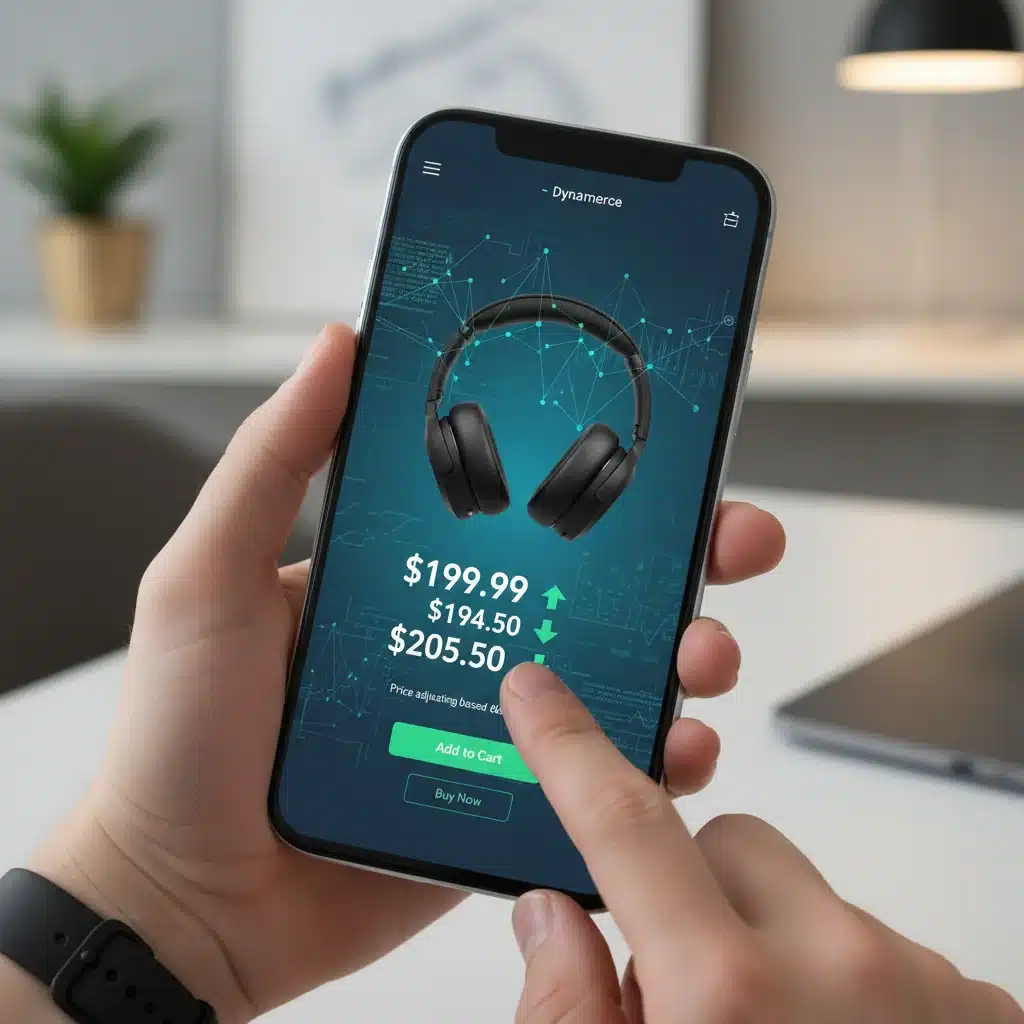
Perhaps the most transformative of all retailer pricing strategies in 2026 is dynamic pricing. This isn’t just about sales; it’s about prices that change based on real-time market conditions, demand, supply, time of day, customer segment, and even the weather. Airlines and ride-sharing apps famously use dynamic pricing, but it’s now pervasive across e-commerce and even brick-and-mortar stores. Factors influencing dynamic pricing include:
- Demand Fluctuations: Higher demand often means higher prices. Think about last-minute concert tickets or popular holiday toys.
- Inventory Levels: Retailers will drop prices to clear excess stock or raise them for scarce items.
- Time of Day/Week/Season: Some products are cheaper during off-peak hours or seasons.
- Competitor Pricing: As mentioned, algorithms constantly adjust prices to match or beat rivals.
- Consumer Behavior: Your browsing history, location, and even the device you’re using can influence the price you see.
Spotting deals with dynamic pricing requires vigilance. Tools that track price history can be incredibly valuable, showing you if a current price is truly a good deal or just a temporary dip before a rebound. Setting price alerts is another powerful strategy.
Advanced Retailer Pricing Strategies in 2026: The Psychology and Technology
Beyond the basics, modern retailers employ sophisticated psychological tactics and technological advantages to optimize their prices and influence consumer behavior. These advanced retailer pricing strategies are designed to create a sense of urgency, value, or exclusivity, often without the consumer even realizing it.
Personalized Pricing: The Price Just for You
With vast amounts of data collected on consumer behavior, personalized pricing is becoming increasingly common. This means different customers might see different prices for the exact same product, based on their past purchases, browsing history, loyalty program status, geographic location, or even demographic information. While controversial, it’s a powerful tool for retailers to maximize individual customer value. To combat this, always compare prices across different accounts or even use incognito mode when browsing for significant purchases. Clearing cookies or using a VPN can sometimes help you see a more ‘neutral’ price. Understanding that retailer pricing strategies can be tailored specifically to you is the first step in circumventing them.
Subscription Models and Bundling: The Long-Term Play
Subscription services have exploded, offering convenience and often a perceived cost saving for regular purchases. Retailers use subscriptions as a sticky revenue stream, banking on customer loyalty and the habit of recurring payments. Bundling, where multiple products are sold together at a slight discount, is another common tactic. While these can offer genuine savings, it’s crucial to evaluate if you truly need all items in a bundle or if the subscription offers better value than one-off purchases. Do the math! Sometimes, the perceived savings mask a higher overall spend due to items you don’t fully utilize. These retailer pricing strategies aim for long-term customer engagement, so ensure that engagement genuinely benefits your wallet.
Psychological Pricing: Playing on Your Mind
Retailers are masters of psychological pricing, using subtle cues to make prices seem more attractive. Familiar examples include:
- Charm Pricing (e.g., $9.99 instead of $10.00): The left-digit effect makes consumers perceive $9.99 as significantly cheaper than $10.00.
- Anchor Pricing: Presenting a higher original price next to a discounted price makes the deal seem more significant, even if the original price was rarely charged.
- Prestige Pricing: High prices are sometimes used to signal quality or exclusivity (e.g., luxury brands).
- Decoy Effect: Introducing a third, less attractive option to make one of the other two seem like a better deal.
- Price Framing: Presenting a price in terms of daily cost (e.g., $1 a day) rather than a large lump sum.
Being aware of these psychological tricks is your best defense. Don’t just look at the number; consider the actual value and your need for the product. These retailer pricing strategies exploit cognitive biases, and recognizing them is key to making rational purchasing decisions.
How to Spot the Best Deals and Save 20% (or More!)
Now that you understand the intricate web of retailer pricing strategies, it’s time to turn that knowledge into tangible savings. Achieving a 20% saving consistently is not only possible but becomes a natural outcome of strategic shopping. Here’s your actionable guide:
1. Leverage Price Tracking Tools and Browser Extensions
This is your first line of defense against dynamic pricing. Services like Keepa, Honey, Camelcamelcamel, and various browser extensions track price history across major retailers. They can alert you when a price drops to a historical low, help you identify fake sales (where the ‘original’ price was inflated just before the ‘discount’), and compare prices across different vendors. These tools are indispensable for understanding true value against fluctuating retailer pricing strategies.
2. Master the Art of Price Alerts and Wishlists
Don’t buy on impulse. If you have a non-urgent purchase, add it to a wishlist and set price drop alerts. Many e-commerce sites and third-party apps offer this functionality. This allows you to wait for the optimal moment, taking advantage of seasonal sales, flash deals, or inventory clearance events. Patience is a virtue, especially when dealing with intelligent retailer pricing strategies designed to encourage immediate purchases.
3. Understand Seasonal Sales Cycles
Most product categories follow predictable sales cycles. Electronics often see discounts around Black Friday, Prime Day, or after new models are released. Clothing goes on sale at the end of each season. Home goods and furniture might have sales during holiday weekends. Researching these cycles for the products you frequently buy can lead to significant savings. Aligning your purchases with these cycles is a smart counter-strategy to typical retailer pricing strategies.
4. Embrace Loyalty Programs (Strategically)
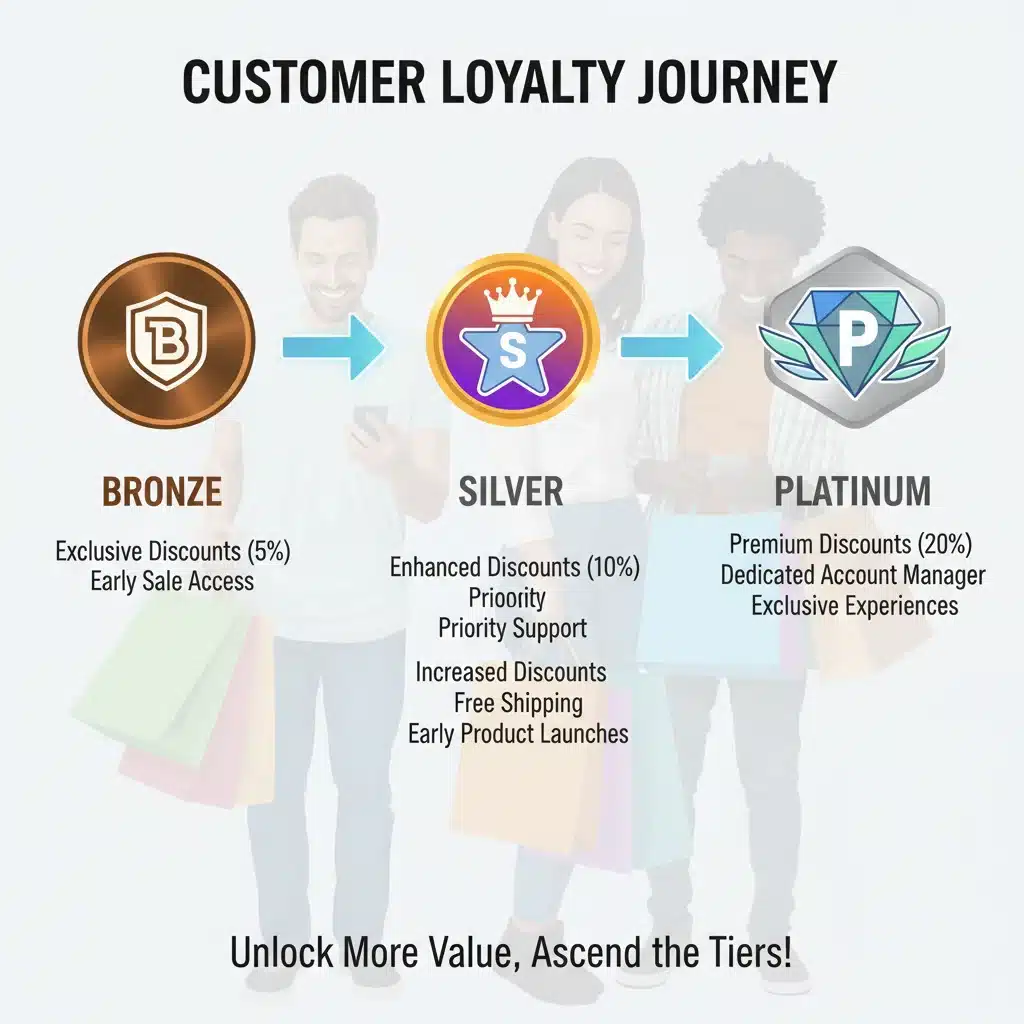
While retailers use loyalty programs to retain customers, smart consumers can use them to their advantage. Look for programs that offer real value: exclusive discounts, early access to sales, free shipping, or points that convert into significant savings. Don’t sign up for every program, but identify those from retailers you frequently use. Be mindful of how your data is used, but don’t shy away from benefits if they genuinely reduce your overall spend. Many retailer pricing strategies include rewarding loyalty, so make sure you’re getting your fair share.
5. Compare, Compare, Compare!
Never settle for the first price you see. Use comparison shopping engines (like Google Shopping, PriceGrabber, or Shopzilla) to quickly survey prices across multiple retailers. Don’t forget to check smaller, independent retailers, as they sometimes offer competitive pricing or unique bundles. This is especially critical for larger purchases where even a small percentage difference can mean substantial savings. Effective comparison shopping directly challenges the individualized nature of some retailer pricing strategies.
6. Utilize Coupons, Promo Codes, and Cashback Sites
Before every online purchase, do a quick search for promo codes. Sites like RetailMeNot, Coupons.com, or even a simple Google search for “[retailer name] promo code” can yield additional discounts. Cashback sites (e.g., Rakuten, Honey Gold) offer a percentage of your purchase back, effectively reducing the price. Stacking these offers can lead to impressive savings, often pushing you well past the 20% mark. These are direct ways to bypass a retailer’s intended price point.
7. Understand Price Matching Policies
Many major retailers offer price matching. If you find a lower price at a competitor, they might match it, saving you the hassle of switching stores or placing multiple orders. Familiarize yourself with the price matching policies of your preferred retailers. This is a powerful tool to ensure you’re always getting the best deal, forcing retailers to compete even after you’ve decided on a store.
8. Clearance Racks and Outlet Stores: The Hunt for Hidden Gems
While often associated with physical stores, online retailers also have ‘clearance’ or ‘outlet’ sections. These are goldmines for significant discounts, as retailers aim to liquidate old inventory. Don’t shy away from these sections; you can often find perfectly good items at a fraction of their original price. These are intentional retailer pricing strategies to manage inventory, and smart shoppers can benefit greatly.
9. Consider Refurbished or Open-Box Items
For electronics and appliances, refurbished or open-box items can offer substantial savings. Reputable retailers often provide warranties on these products, making them a low-risk way to get high-value items for less. Always check the warranty and return policy carefully. This strategy allows you to access premium products at a lower price point, exploiting a different facet of retailer pricing strategies.
10. Be Patient and Resist Impulse Buys
The most fundamental advice for saving money is to avoid impulse purchases. Retailers excel at creating a sense of urgency (limited-time offers, flash sales) to trigger immediate buying decisions. Take a moment to consider if you truly need the item, if you can find it cheaper elsewhere, or if waiting will yield a better deal. A 24-hour rule (waiting a day before making a non-essential purchase) can save you from many regrettable buys and allow you to find better prices.
The Future of Retailer Pricing and Your Role
Looking ahead, retailer pricing strategies will only become more sophisticated. Expect even greater personalization, hyper-dynamic pricing driven by advanced AI, and potentially even blockchain-verified pricing to ensure transparency (or obfuscation, depending on implementation). The line between online and offline pricing will continue to blur, with connected stores using sensors and data to adjust prices in real-time on digital shelf labels. Virtual and augmented reality shopping experiences will also likely integrate new pricing models, perhaps offering dynamic discounts based on your interaction with virtual products.
For consumers, this means the need for vigilance and strategic thinking will only intensify. The tools and techniques outlined in this guide will remain relevant, but new ones will emerge. Staying informed, adapting your shopping habits, and continuously seeking out information on how retailers price their goods will be paramount. Your role as a consumer is no longer just to buy, but to intelligently navigate a complex marketplace designed to extract maximum value. By mastering these retailer pricing strategies, you empower yourself, turning the tables in your favor and ensuring you consistently secure the best possible deals.
Conclusion: Empowering Your Wallet in 2026
The world of 2026 retailer pricing strategies is a fascinating, intricate ecosystem driven by data, psychology, and fierce competition. While retailers are constantly innovating to optimize their profits, informed consumers have an unparalleled opportunity to leverage this complexity for their own financial benefit. By understanding the foundational principles of value-based and competitive pricing, recognizing the pervasive influence of dynamic and personalized pricing, and being aware of psychological tactics, you gain a significant advantage.
The actionable strategies provided – from employing price tracking tools and setting alerts to mastering seasonal sales and strategically using loyalty programs – are your roadmap to consistent savings. Imagine the cumulative impact of saving 20% on every major purchase throughout the year. This isn’t just about finding a good deal; it’s about making smarter financial decisions, reducing your overall expenditure, and allocating your hard-earned money more effectively.
In conclusion, the power to save 20% or more on your retail purchases in 2026 lies not in luck, but in knowledge and proactive engagement. By decoding retailer pricing strategies, you transform from a casual shopper into a financially savvy consumer, ready to navigate the future of retail with confidence and a healthier wallet. Start implementing these strategies today, and watch your savings grow.