Top US Loyalty Programs 2026: Maximize 5-10% Back on Spending
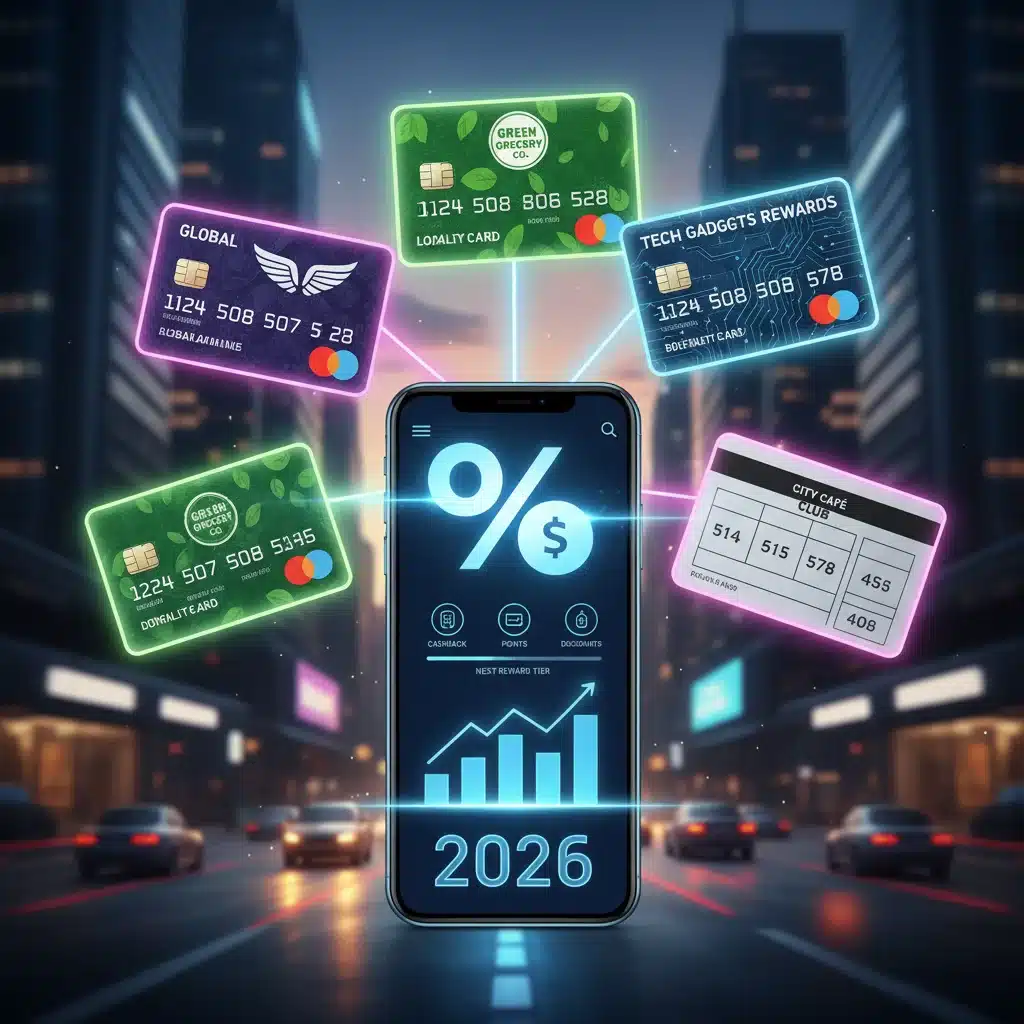
Top US Loyalty Programs 2026: Maximize 5-10% Back on Spending
In the ever-evolving landscape of consumer finance, loyalty programs stand as beacons for savvy spenders seeking to maximize the value of their everyday purchases. As we look ahead to 2026, the competition among banks, airlines, hotels, and retailers is intensifying, leading to increasingly lucrative opportunities for consumers. The goal for many is not just to earn a few points here and there, but to strategically leverage these programs to achieve a significant return, ideally in the range of 5-10% back on spending. This comprehensive guide will delve into the best US Loyalty Programs 2026, offering insights into which options provide the most value, how to optimize your earning potential, and what trends to anticipate in the coming years.
The concept of earning 5-10% back on everyday spending might seem ambitious to some, but with the right strategy and understanding of various loyalty ecosystems, it’s an entirely achievable goal. This isn’t just about accumulating points; it’s about understanding the true cash equivalent of those points, how to redeem them optimally, and aligning your spending habits with the programs that reward them most generously. From premium travel cards to robust cash-back options and specialized retail rewards, the landscape of US Loyalty Programs 2026 is diverse and rich with potential.
Understanding the Ecosystem of US Loyalty Programs 2026
Before diving into specific programs, it’s crucial to grasp the different types of loyalty programs available and how they typically operate. The primary categories include:
- Credit Card Rewards Programs: These are often the most potent tools for maximizing returns. They offer points, miles, or cash back on every purchase, with accelerated earning rates in specific categories like dining, groceries, travel, or gas. The value here often comes from signup bonuses, category bonuses, and flexible redemption options.
- Airline Loyalty Programs (Frequent Flyer Programs): While primarily focused on earning and redeeming miles for flights, many airline programs have partnerships with credit card companies, hotels, and retailers, allowing for diverse earning opportunities. The value of miles can fluctuate significantly based on how and when they are redeemed.
- Hotel Loyalty Programs: Similar to airline programs, these reward members for stays at their properties. Points can be redeemed for free nights, room upgrades, or transferred to airline partners. Co-branded credit cards often offer elite status benefits and lucrative earning rates.
- Retailer-Specific Loyalty Programs: These programs are offered directly by stores (e.g., supermarkets, department stores, pharmacies) and typically provide discounts, exclusive offers, or points that can be redeemed for future purchases at that specific retailer.
- Hybrid Programs: Some programs blur the lines, offering a mix of benefits across categories. For example, a credit card might offer travel rewards but also allow for cash back or gift card redemptions.
The key to achieving 5-10% back lies in understanding the interplay between these different types of programs and strategically choosing those that align with your spending patterns. For instance, a credit card that offers 4x points on dining and groceries, combined with a hotel loyalty program that offers bonus points for specific stays and a retailer program that provides exclusive discounts, can quickly add up to substantial savings.
Identifying High-Value Earning Categories for 2026
To consistently hit that 5-10% return, you need to identify where your money is going and which programs reward those categories most generously. For 2026, we anticipate several categories will continue to be prime targets for high rewards:
- Groceries: A universal spending category, many credit cards offer elevated rewards on grocery purchases. With food costs continually fluctuating, maximizing returns here is crucial.
- Dining & Takeout: Eating out remains a significant expense for many. Credit cards that offer bonus points or cash back on restaurant spending are invaluable.
- Travel: For those who frequently fly, stay in hotels, or rent cars, travel-focused credit cards and direct airline/hotel loyalty programs offer immense value, especially when coupled with signup bonuses and elite status perks.
- Online Shopping: The shift to e-commerce is permanent. Look for cards and programs that offer bonus rewards on online purchases, or utilize shopping portals that provide additional points.
- Gas & Transit: Commuting costs can add up. Cards offering accelerated rewards on gas stations or public transit can significantly reduce this recurring expense.
- Rotating Categories: Some cards offer rotating bonus categories that change quarterly, often giving 5% back on specific types of spending (e.g., Amazon, wholesale clubs, pharmacies). Strategic use of these cards can provide a substantial boost to your overall earnings.
Staying informed about program changes and new offerings is paramount. Loyalty programs are dynamic, and what offers the best value today might be surpassed by a new offering tomorrow. Regular review of your spending habits and program benefits will ensure you’re always optimizing your returns.
Top Contenders in US Loyalty Programs 2026 for 5-10% Back
While specific offers and program structures can change, certain loyalty programs have consistently demonstrated their ability to deliver exceptional value. Here are some of the leading contenders for 2026, focusing on their potential to yield 5-10% back on everyday spending:
1. Chase Ultimate Rewards
Chase Ultimate Rewards (UR) remains a powerhouse in the rewards world. Its flexibility and high-value redemption options make it a top choice. Cards like the Chase Sapphire Preferred, Chase Sapphire Reserve, and Chase Freedom Flex/Unlimited form a formidable ecosystem. The Sapphire Reserve, for example, offers 3x points on travel and dining, which can translate to a 4.5% return when redeemed for travel through the Chase portal (points are worth 1.5 cents each). When combined with the Freedom Flex’s 5x rotating categories or the Freedom Unlimited’s 1.5x on all purchases, the earning potential skyrockets. Transferring points to airline and hotel partners (like Southwest, United, Hyatt, Marriott) often unlocks even greater value, frequently exceeding 2 cents per point, pushing your effective return well beyond 5%.
- Key Cards: Chase Sapphire Reserve, Chase Sapphire Preferred, Chase Freedom Flex, Chase Freedom Unlimited.
- Earning Potential: 1.5x to 5x points on various categories.
- Redemption Value: 1 cent per point for cash, 1.25-1.5 cents per point for travel through Chase portal, often 2+ cents per point for transfers to travel partners.
- Why 5-10% is Possible: Strategic use of category bonuses (e.g., 5x on rotating categories or specific merchants) combined with high-value travel partner transfers can easily yield 5-10% or more. A 5x category earning, if redeemed at 2 cents per point, is a 10% return.
2. Amex Membership Rewards
American Express Membership Rewards (MR) is another premium program known for its strong travel partners and excellent customer service. The Platinum Card, Gold Card, and Everyday Preferred Card are central to this ecosystem. The Amex Gold Card, in particular, offers 4x points on US supermarkets (up to $25,000 per year) and at restaurants worldwide, making it exceptional for everyday spending. With many transfer partners (Delta, Emirates, ANA, Hilton, Marriott), MR points can be redeemed for high-value flights and hotel stays. Amex also frequently offers lucrative Amex Offers, providing statement credits or bonus points for spending at specific merchants, further enhancing value.
- Key Cards: The Platinum Card from American Express, American Express Gold Card, American Express Everyday Preferred Credit Card.
- Earning Potential: 1x to 5x points on various categories.
- Redemption Value: 0.6-1 cent per point for statement credits, often 1.5-2+ cents per point for transfers to travel partners.
- Why 5-10% is Possible: Earning 4x points on groceries and dining with the Gold Card, then transferring those points to a valuable airline partner for a premium redemption, can easily result in a 6-8% return. Leveraging Amex Offers can push this even higher.
3. Capital One Venture Rewards
Capital One has significantly enhanced its rewards program, especially with the introduction of new transfer partners and premium cards. The Capital One Venture X Rewards Credit Card and Capital One Venture Rewards Credit Card are popular choices. The Venture X offers an impressive 2x miles on every purchase, plus accelerated earnings on travel booked through Capital One Travel. While 2x miles might seem modest, Capital One’s miles are flexible, redeemable as a statement credit for travel purchases (1 cent per mile) or transferable to a growing list of airline and hotel partners, often at a 1:1 ratio. This flexibility, coupled with strong signup bonuses, can provide substantial value.
- Key Cards: Capital One Venture X Rewards Credit Card, Capital One Venture Rewards Credit Card.
- Earning Potential: 2x miles on all purchases, higher on Capital One Travel.
- Redemption Value: 1 cent per mile for travel statement credits, often 1.5-2 cents per mile for transfers to travel partners.
- Why 5-10% is Possible: Earning 2x miles on everything means a 4% return if redeemed at 2 cents/mile. Coupled with a significant signup bonus (often worth $750-$1000) and travel credits, the overall return can easily surpass 5-10% in the first year and remain strong with optimized redemptions.
4. Citi ThankYou Rewards
Citi ThankYou Rewards offers another compelling option for points enthusiasts. The Citi Premier Card and Citi Custom Cash Card are key players. The Custom Cash Card is particularly interesting, offering 5% cash back (or 5x ThankYou points) on your top eligible spending category each billing cycle, up to $500 spent. This adaptive bonus category makes it incredibly flexible for maximizing everyday spending. The Premier Card offers 3x points on air travel, hotels, gas stations, supermarkets, and restaurants. ThankYou points can be transferred to a variety of airline partners, including Turkish Airlines, Cathay Pacific, and Singapore Airlines, often yielding excellent value for international travel.
- Key Cards: Citi Premier Card, Citi Custom Cash Card.
- Earning Potential: 1x to 5x points on various categories.
- Redemption Value: 0.5-1 cent per point for cash/gift cards, often 1.5-2+ cents per point for transfers to travel partners.
- Why 5-10% is Possible: Consistently earning 5x points with the Custom Cash on your highest spending category, and then transferring those points to a valuable airline partner, can effortlessly lead to a 7-10% return on that specific spending.
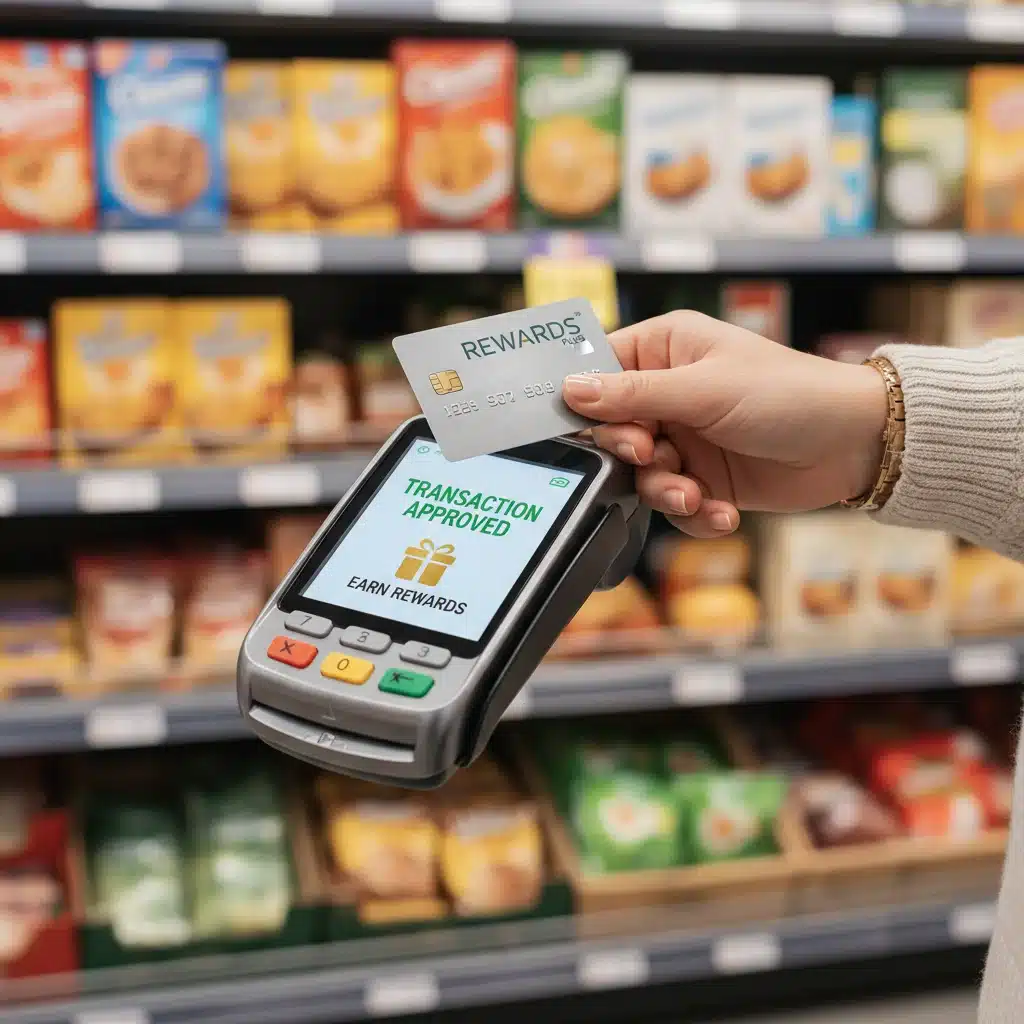
Optimizing Your Strategy for 5-10% Back
Achieving a 5-10% return isn’t just about picking the right programs; it’s about strategic implementation. Here’s how to optimize your approach:
1. Embrace the ‘Credit Card Trifecta’ or ‘Quadfecta’
Many experienced rewards enthusiasts utilize a combination of credit cards from the same issuer (e.g., Chase, Amex) to maximize their earning potential. This often involves a premium travel card, a card with strong bonus categories, and a flat-rate earning card. For example, with Chase, you might use a Freedom Flex (5x rotating categories), a Freedom Unlimited (1.5x on everything), and a Sapphire Reserve (3x travel/dining, 1.5 cents/point travel redemption, and ability to transfer points). This synergy allows you to earn high rates across almost all spending categories and then pool points for high-value redemptions.
2. Master Bonus Categories and Rotating Rewards
Cards like the Chase Freedom Flex, Discover It Cash Back, and Citi Custom Cash are invaluable for their bonus categories. Make it a habit to check these categories quarterly and adjust your spending. If a card offers 5% back on Amazon or gas for a quarter, prioritize using that card for those purchases. This focused spending is a direct path to higher returns.
3. Leverage Shopping Portals and Merchant Offers
Always check shopping portals (e.g., Rakuten, airline/hotel portals, bank portals) before making online purchases. These portals offer additional points or cash back on top of what your credit card earns. Similarly, activate merchant offers (like Amex Offers or Chase Offers) on your cards. These can provide significant statement credits or bonus points for spending at specific retailers, effectively increasing your return on those purchases.
4. Understand Point Valuations and Transfer Partners
Not all points are created equal. While 10,000 points might sound good, their actual value depends on how you redeem them. Cash back often yields 1 cent per point. However, transferring points to airline or hotel partners can often yield 1.5 cents, 2 cents, or even more per point, especially for business or first-class flights, or luxury hotel stays. Research the transfer partners of your chosen programs and identify the ‘sweet spots’ for redemption. This is where the 5-10% back truly begins to materialize.
5. Strategize with Signup Bonuses
Signup bonuses are often the quickest way to accumulate a large number of points or miles. Plan your credit card applications strategically, ensuring you can meet the minimum spending requirements without overspending. A single signup bonus can be worth hundreds, if not thousands, of dollars in travel or cash back, significantly boosting your overall return in the first year.
6. Avoid Interest and Fees
The golden rule of loyalty programs: never carry a balance. Any interest paid will quickly negate the value of your rewards. Similarly, be mindful of annual fees. While premium cards offer excellent benefits, ensure the value you receive from rewards, credits, and perks outweighs the annual fee. A 5-10% return is only truly valuable if you’re not losing money elsewhere.
Future Trends in US Loyalty Programs 2026
The loyalty landscape is dynamic, and several trends are likely to shape US Loyalty Programs 2026:
- Increased Personalization: Expect more tailored offers based on individual spending habits and preferences, powered by advanced data analytics.
- Emphasis on Experiences: Beyond just discounts, programs will likely offer more exclusive experiences, events, and unique access to appeal to a broader demographic.
- Sustainability Initiatives: Loyalty programs may integrate more eco-friendly options, allowing members to redeem points for sustainable products or contribute to environmental causes.
- Integration of Digital Currencies/NFTs: While nascent, some programs might experiment with blockchain technology for enhanced security, fractional ownership of rewards, or unique digital collectibles.
- Subscription Models: We might see more hybrid models where a monthly or annual fee unlocks enhanced rewards or benefits, similar to Amazon Prime or even existing credit card annual fees, but perhaps more diversified.
- Enhanced Mobile Integration: Further development of user-friendly apps, mobile wallets, and contactless payment options will make earning and redeeming rewards even more seamless.
Staying abreast of these trends will allow you to adapt your strategy and continue maximizing your rewards in the years to come. The most successful rewards earners are those who are flexible, informed, and willing to evolve their approach.

Case Study: Achieving 8% Back on Groceries with US Loyalty Programs 2026
Let’s illustrate how a 5-10% return is achievable with a practical example, focusing on a common spending category: groceries.
Imagine you spend $500 per month on groceries. Here’s a potential strategy using a combination of US Loyalty Programs 2026:
- Credit Card 1 (Amex Gold Card): This card offers 4x Membership Rewards points on US supermarket purchases (up to $25,000 per year). For your $500 grocery spend, you’d earn 2,000 MR points.
- Credit Card 2 (Chase Freedom Flex – Q1 2026 Grocery Category): Let’s assume for Q1 2026, Chase Freedom Flex has groceries as a 5x rotating bonus category (up to $1,500 spent). If you put $300 of your grocery spend on this card, you’d earn 1,500 Ultimate Rewards points.
- Shopping Portal (Rakuten): Before making your online grocery order (if applicable) or buying gift cards at a supermarket, you check Rakuten. Let’s say Rakuten is offering 2% cash back (or 2x Amex MR points) for a specific online grocer or supermarket gift card purchase. If you purchase a $100 gift card through Rakuten using your Amex Gold Card, you’d get an additional $2 cash back (or 200 MR points).
Let’s calculate the combined value:
- Amex Gold: $400 of grocery spend x 4x points = 1,600 MR points.
- Chase Freedom Flex: $100 of grocery spend x 5x points = 500 UR points. (Adjusting from the initial $300 to show diversification)
- Total Points Earned: 1,600 MR + 500 UR = 2,100 points.
Now, let’s consider redemption values:
- If you transfer your 1,600 MR points to an airline partner like ANA for a business class redemption, you might get 2.5 cents per point. Value: 1,600 x $0.025 = $40.
- If you transfer your 500 UR points to Hyatt for a hotel stay, you might get 2 cents per point. Value: 500 x $0.02 = $10.
- Total Value from Points: $40 + $10 = $50.
Your total grocery spend was $500. The value received back is $50. This represents a 10% return ($50 / $500 = 0.10). This example demonstrates how strategic card usage, combined with high-value redemptions, can easily achieve and even exceed the 5-10% target. The key is understanding point values and optimizing for your specific spending patterns and redemption goals.
Challenges and Considerations for US Loyalty Programs 2026
While the potential for high returns is exciting, it’s important to be aware of the challenges and considerations:
- Annual Fees: Premium cards often come with high annual fees. You must ensure the benefits and rewards outweigh these costs.
- Complexity: Managing multiple cards, tracking bonus categories, and understanding transfer partners can be complex and time-consuming.
- Devaluations: Loyalty programs can devalue their points or miles without much notice, reducing the value of your accumulated rewards. Diversifying your points across different programs can mitigate this risk.
- Minimum Spending Requirements: For lucrative signup bonuses, you’ll need to meet minimum spending requirements, which could lead to unnecessary spending if not managed carefully.
- Credit Score Impact: Applying for multiple credit cards can temporarily impact your credit score. Responsible credit management is crucial.
- Redemption Availability: High-value travel redemptions (e.g., first-class flights) often require advanced planning and flexibility, as availability can be limited.
Despite these challenges, with careful planning and consistent effort, the benefits of maximizing US Loyalty Programs 2026 far outweigh the potential drawbacks for many consumers.
Conclusion: Unlocking 5-10% Back on Everyday Spending
The landscape of US Loyalty Programs 2026 offers unparalleled opportunities for consumers to earn significant value back on their everyday spending. Achieving a 5-10% return is not a fantasy but a tangible goal for those willing to invest time in understanding the different programs, optimizing their spending strategies, and mastering the art of high-value redemptions. By strategically combining credit card rewards, leveraging bonus categories, utilizing shopping portals, and understanding the true value of transferable points, you can transform your regular expenses into substantial savings and exciting travel opportunities.
As we move towards 2026, the competitive nature of the loyalty market will likely continue to drive innovation and provide even more lucrative options. Stay informed, be strategic, and watch your everyday spending turn into extraordinary rewards. The power to earn 5-10% back is within your grasp; it just requires a well-thought-out plan and consistent execution.