Future of Loyalty Programs US 2026: Personalization & Higher Rewards
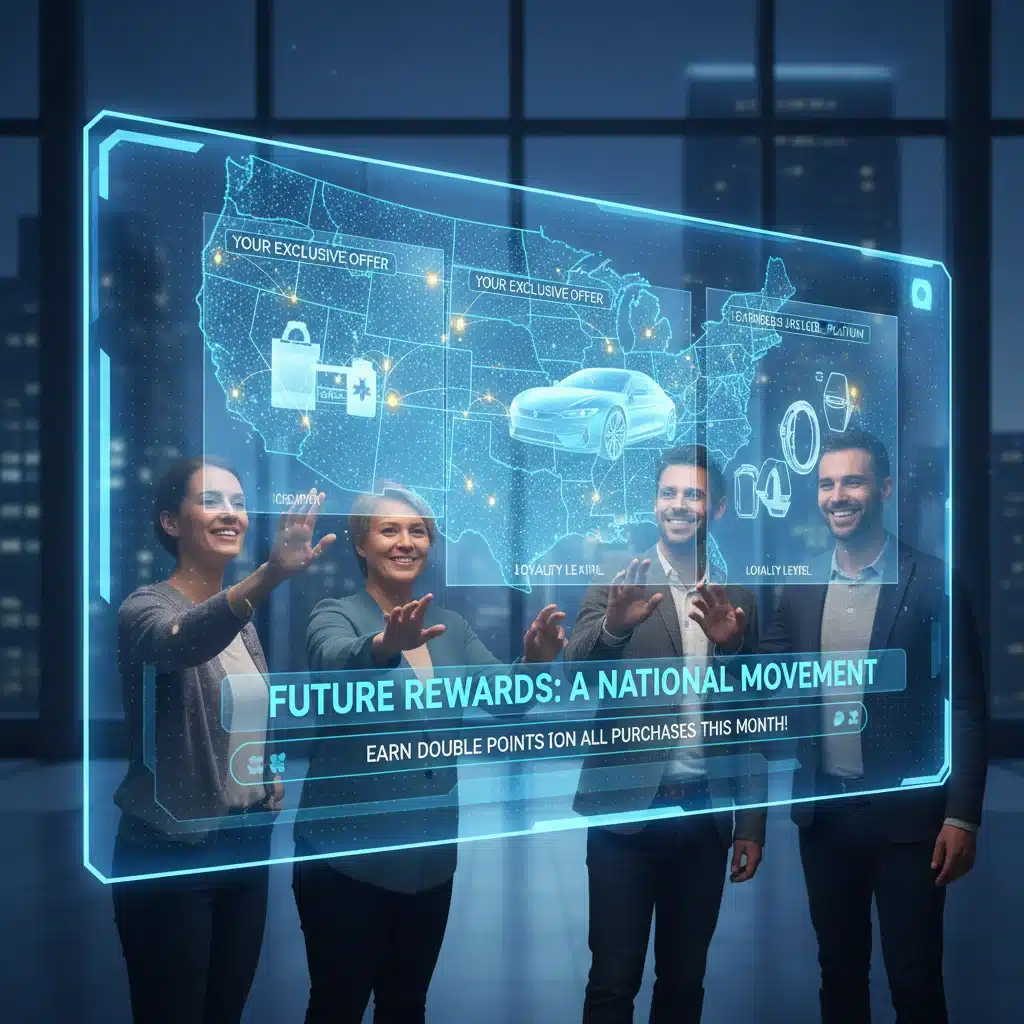
The Future of Loyalty Programs US 2026: Unlocking Hyper-Personalization and 20% Higher Rewards
The landscape of customer loyalty is in a constant state of flux, driven by technological advancements, evolving consumer expectations, and an increasingly competitive marketplace. As we cast our gaze towards 2026, it becomes clear that traditional loyalty models are rapidly becoming obsolete. The future of loyalty programs 2026 in the US will be defined by an unprecedented level of personalization, powered by cutting-edge artificial intelligence, and a tangible increase in the value customers receive from their rewards. This isn’t merely an incremental shift; it’s a fundamental re-imagining of how brands build lasting relationships with their most valuable customers.
In this comprehensive exploration, we will delve into the predictive trends shaping loyalty programs 2026, focusing on the pivotal roles of hyper-personalization, data-driven insights, and the anticipated 20% increase in reward value that will become the new benchmark for customer engagement. We’ll examine how businesses can adapt and thrive in this dynamic environment, ensuring their loyalty strategies are not just relevant, but revolutionary.
The Evolution of Customer Loyalty: From Points to Partnerships
For decades, loyalty programs were largely transactional. Earn points, redeem points. While effective to a degree, this model often lacked emotional connection and failed to truly differentiate brands. Today’s consumers, particularly in the US, are more discerning. They expect more than just discounts; they seek experiences, recognition, and a sense of belonging. The shift from a purely transactional relationship to a genuine partnership is paramount.
By 2026, successful loyalty programs 2026 will be those that understand and anticipate individual customer needs, offering not just rewards, but a curated journey that reflects their unique preferences, behaviors, and values. This deep understanding is the bedrock of hyper-personalization, a trend that will dominate the next wave of loyalty innovation.
The Imperative of Hyper-Personalization in 2026
Hyper-personalization goes beyond segmenting customers into broad categories. It involves treating each customer as an individual, delivering tailored communications, offers, and experiences that resonate deeply with their specific desires. Imagine a loyalty program that knows you prefer organic, fair-trade coffee and proactively offers you a discount on a new blend, or one that recognizes your travel patterns and suggests exclusive upgrades for your next flight based on your past preferences.
This level of precision is not a luxury; it’s a necessity. Research consistently shows that consumers are more likely to engage with brands that provide personalized experiences. By 2026, this expectation will be amplified, and brands failing to deliver will struggle to retain market share. The technology underpinning this hyper-personalization is sophisticated, relying heavily on artificial intelligence and advanced data analytics.
AI and Machine Learning: The Engine of Future Loyalty Programs
Artificial Intelligence (AI) and Machine Learning (ML) are not just buzzwords; they are the foundational technologies that will power the next generation of loyalty programs 2026. These technologies enable brands to collect, analyze, and interpret vast amounts of customer data in real-time, transforming raw information into actionable insights.
AI algorithms can identify subtle patterns in customer behavior that human analysts might miss, predicting future needs and preferences with remarkable accuracy. This predictive capability is key to delivering truly proactive and personalized loyalty experiences. For example, AI can predict when a customer might be at risk of churning and trigger a targeted retention offer, or identify an upsell opportunity based on their browsing history and purchase patterns.
Predictive Analytics for Proactive Engagement
In 2026, predictive analytics will be a cornerstone of effective loyalty strategies. Instead of reacting to customer actions, brands will anticipate them. This means:
- Personalized Product Recommendations: AI will suggest products or services that a customer is highly likely to purchase, not just based on past purchases but also on broader behavioral data, demographic information, and even external factors like weather or current events.
- Dynamic Pricing and Offers: Loyalty rewards will no longer be static. AI will enable dynamic pricing and personalized offers that adjust in real-time based on individual customer value, engagement levels, and market conditions.
- Churn Prediction and Prevention: Sophisticated AI models will identify early warning signs of customer disengagement, allowing brands to intervene with tailored incentives or outreach to prevent churn before it happens.
- Optimized Communication Channels: AI will determine the most effective channel (email, SMS, in-app notification, social media) and the optimal time to communicate with each customer, maximizing engagement and minimizing message fatigue.
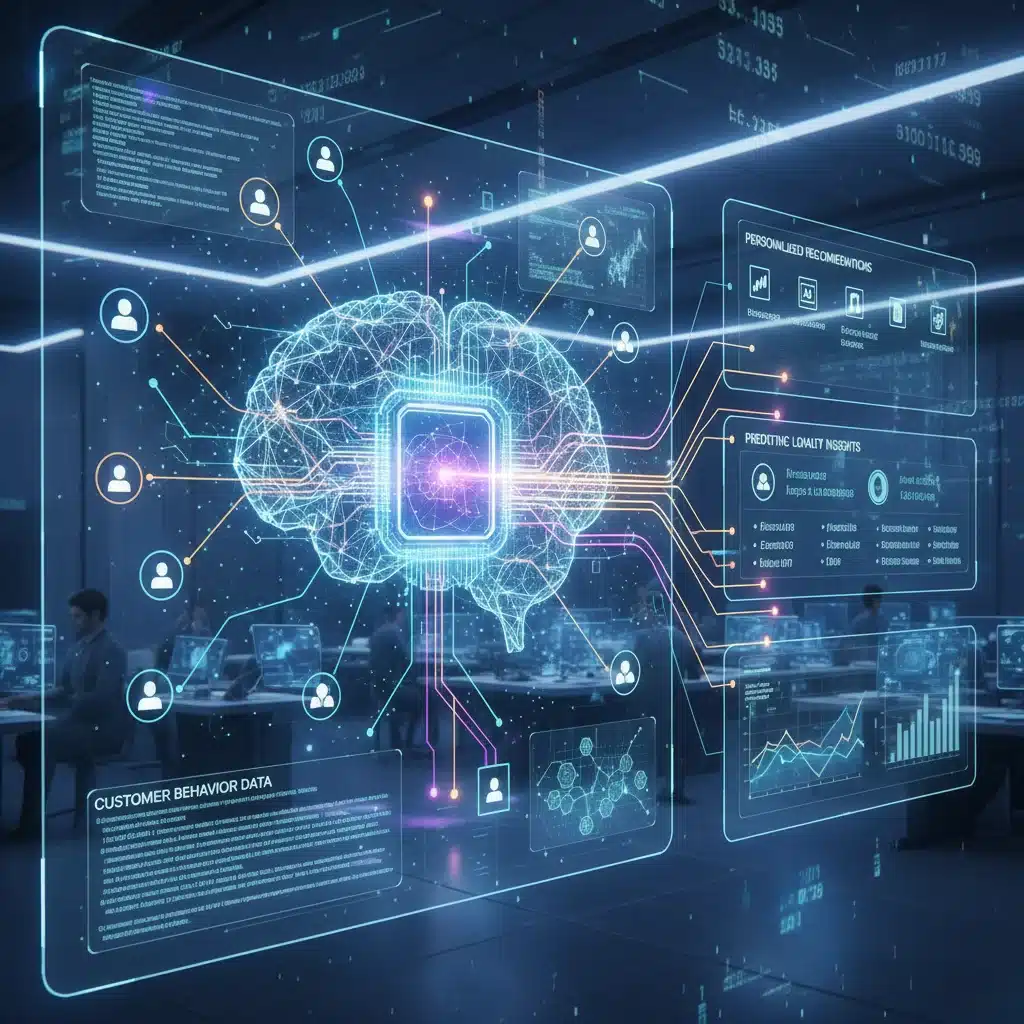
The integration of AI and ML will transform loyalty programs from static point systems into dynamic, intelligent ecosystems that continuously learn and adapt to each customer. This intelligent automation will free up human resources to focus on higher-value tasks, such as strategic planning and complex problem-solving, further enhancing the overall customer experience.
The 20% Higher Rewards Benchmark: Delivering Tangible Value
A significant prediction for loyalty programs 2026 is a projected 20% increase in the perceived and actual value of rewards. This isn’t just about giving away more; it’s about giving away more intelligently and impactfully. Consumers are increasingly savvy about the true value of loyalty points and discounts. Generic offers and negligible rewards will no longer suffice.
This 20% increase in value will manifest in several ways:
Enhanced Reward Redemption Options
By 2026, loyalty programs will offer a wider, more flexible, and more appealing range of redemption options. This includes:
- Experiential Rewards: Beyond discounts, customers will be able to redeem points for unique experiences, such as exclusive events, personalized services, or access to premium content. These create lasting memories and foster a deeper emotional connection.
- Partner Integrations: Brands will expand their loyalty ecosystems through strategic partnerships, allowing customers to redeem points across a wider network of complementary businesses, increasing the utility and perceived value of their rewards.
- Cash Equivalency and Flexibility: While not always ideal for brand building, the option for cash-equivalent redemptions or greater flexibility in how points are used (e.g., charity donations, investment opportunities) will become more prevalent, catering to diverse customer preferences.
- Tiered Benefits and Status Recognition: Higher tiers will offer disproportionately higher value, including dedicated customer service, early access to new products, and personalized concierge services, making the pursuit of status a more rewarding endeavor.
The Value of Exclusivity and Recognition
Beyond monetary value, the future of loyalty programs 2026 will place a greater emphasis on exclusivity and recognition. Customers want to feel special and appreciated. This means:
- Personalized Communication: Addressing customers by name, acknowledging their milestones (birthdays, anniversaries with the brand), and sending tailored messages based on their preferences.
- Early Access: Providing loyalty members with early access to sales, new product launches, or limited-edition items.
- Exclusive Content and Community: Creating private online communities, offering members-only content, or hosting exclusive events that foster a sense of belonging and camaraderie.
- Gamification: Incorporating game-like elements (badges, leaderboards, challenges) to make the loyalty journey more engaging and rewarding, driving sustained participation.
The 20% higher reward value isn’t just about increasing the discount from 5% to 6%; it’s about a holistic increase in the perceived and actual benefits, making loyalty programs genuinely attractive and indispensable to consumers.
Measuring Success: Beyond Simple ROI
In 2026, measuring the success of loyalty programs 2026 will extend far beyond traditional return on investment (ROI). While financial metrics remain crucial, a more holistic approach will consider customer lifetime value (CLTV), customer satisfaction (CSAT), net promoter score (NPS), and brand advocacy.
AI and advanced analytics will provide deeper insights into these metrics, allowing brands to understand the true impact of their loyalty initiatives. They will be able to attribute specific loyalty program features to increases in customer retention, cross-selling, and even word-of-mouth referrals. This granular level of analysis will enable continuous optimization and refinement of loyalty strategies.
Key Metrics for 2026 Loyalty Programs:
- Customer Lifetime Value (CLTV): A primary focus, measuring the total revenue a business can expect from a single customer account throughout their relationship.
- Engagement Rate: How often customers interact with the loyalty program, including redemptions, app usage, and participation in exclusive offers.
- Churn Rate Reduction: The percentage decrease in customers leaving the brand, directly attributed to loyalty program interventions.
- Brand Advocacy: Measured through NPS, social media mentions, and referral rates, indicating the extent to which loyal customers recommend the brand.
- Personalization Effectiveness: Tracking the conversion rates of personalized offers versus generic ones.
Challenges and Considerations for US Loyalty Programs in 2026
While the future of loyalty programs 2026 holds immense promise, there are significant challenges that businesses must address:
Data Privacy and Trust
As personalization becomes more sophisticated, so does the need for robust data privacy measures. Consumers are increasingly concerned about how their data is collected, stored, and used. Brands must be transparent, comply with regulations like CCPA, and build trust by demonstrating a commitment to protecting customer information. A breach of trust can quickly derail even the most innovative loyalty program.
Integration Complexity
Implementing advanced AI-driven loyalty programs requires seamless integration across various systems: CRM, POS, e-commerce platforms, marketing automation, and customer service. This complexity demands significant investment in technology infrastructure and skilled personnel.
Maintaining Human Connection
Despite the rise of AI, the human element remains vital. Loyalty programs 2026 must strike a delicate balance between automated personalization and authentic human interaction. Customers still value responsive customer service, empathetic support, and the feeling that there’s a human behind the brand.
Evolving Consumer Expectations
Consumer expectations are not static. What delights a customer today may be considered standard tomorrow. Brands must continuously monitor trends, gather feedback, and iterate on their loyalty programs to stay ahead of the curve.
Strategies for Success in 2026
To navigate the evolving landscape of loyalty programs 2026 and capitalize on the opportunities presented by hyper-personalization and increased reward value, businesses should consider the following strategies:
- Invest in Robust Data Infrastructure: A solid foundation of clean, integrated customer data is essential. This includes CRM systems, data lakes, and platforms capable of real-time data processing.
- Embrace AI and Machine Learning: Actively explore and implement AI/ML solutions for predictive analytics, personalized recommendations, and automated engagement. Consider partnering with specialized technology providers if in-house expertise is limited.
- Prioritize Ethical Data Practices: Build trust by ensuring transparency in data collection, providing clear privacy policies, and empowering customers with control over their data.
- Diversify Reward Offerings: Move beyond simple discounts. Introduce experiential rewards, partner benefits, and options that cater to a wide range of customer preferences. Aim for that 20% higher perceived value.
- Foster a Sense of Community: Create platforms or opportunities for loyal customers to connect with each other and with the brand, building a stronger emotional bond.
- Continuous Testing and Optimization: The loyalty landscape is dynamic. Regularly test different offers, communication channels, and program features. Use A/B testing and data analytics to optimize performance.
- Train Your Team: Ensure your customer-facing teams understand the loyalty program inside and out and are equipped to deliver personalized service that complements the digital experience.
- Focus on Customer Lifetime Value (CLTV): Shift the primary success metric from short-term transactions to long-term customer relationships and CLTV.
The Future is Now: Preparing for Loyalty Programs 2026
The journey towards loyalty programs 2026 is already underway. Brands that recognize the profound impact of hyper-personalization, the power of AI, and the necessity of delivering significantly higher reward value will be the ones that thrive. Those that cling to outdated models risk being left behind in a competitive market where customer attention is the most valuable commodity.
By proactively investing in technology, fostering a data-driven culture, and genuinely putting the customer at the center of their strategy, businesses can transform their loyalty programs into powerful engines of growth and enduring customer relationships. The future of loyalty is not just about transactions; it’s about building meaningful connections that stand the test of time, delivering value that truly resonates, and consistently exceeding expectations. Prepare now to unlock the full potential of your loyalty initiatives by 2026.