2026 Q2 Loyalty Program Checklist: 4 Key Opportunities You Can’t Miss
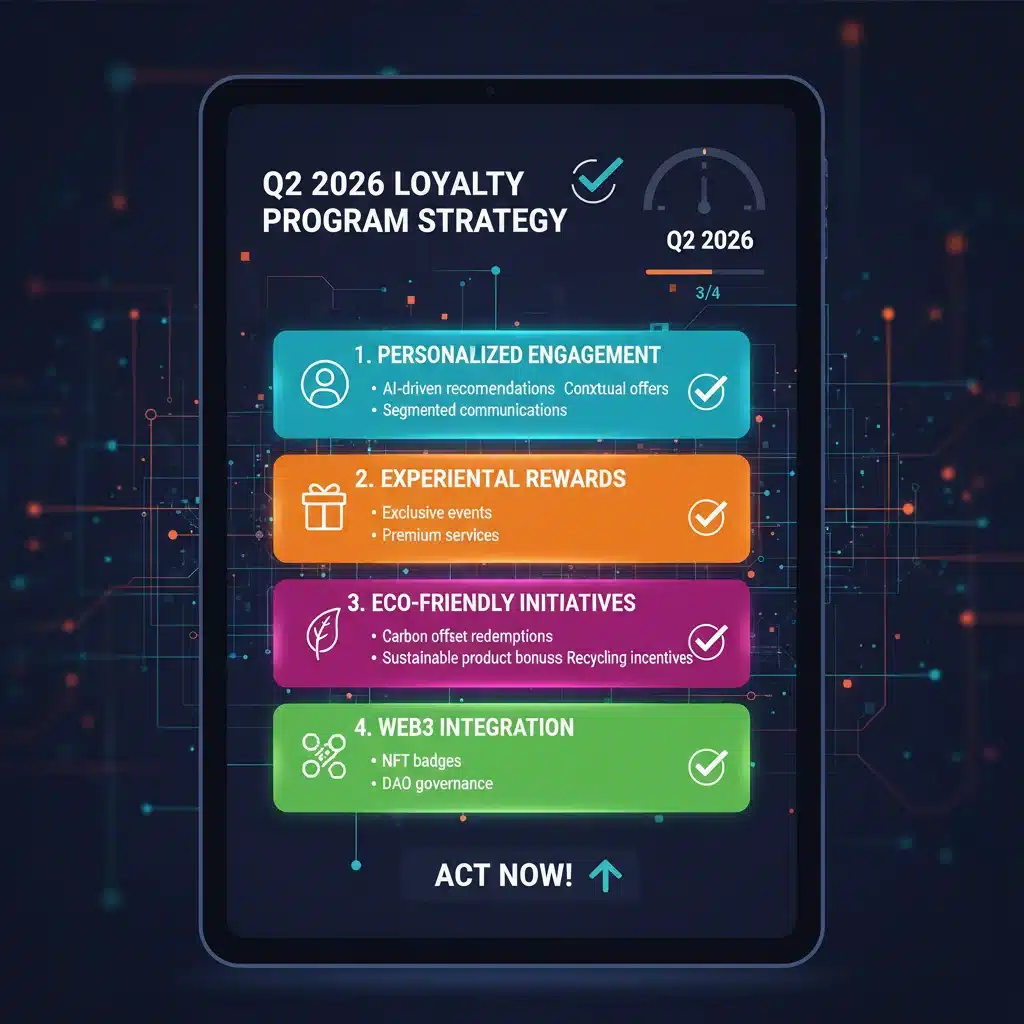
As the calendar pages turn and we approach Q2 2026, businesses globally are recalibrating their strategies, and perhaps no area is more critical for sustained growth than customer loyalty. In today’s hyper-competitive landscape, retaining existing customers is not just cost-effective; it’s the bedrock of long-term success. A robust and dynamic loyalty program is no longer a ‘nice-to-have’ but a fundamental pillar of any successful business model. This article presents your definitive loyalty program checklist for Q2 2026, focusing on four time-sensitive, practical opportunities that can significantly elevate your customer engagement and retention efforts.
The second quarter often brings unique consumer behaviors and market dynamics. Seasonal shifts, holiday preparations (for some regions), and evolving digital trends all contribute to a landscape that demands agility and foresight. By proactively addressing these opportunities, your business can not only weather the competitive storm but thrive, building deeper, more meaningful connections with your most valuable customers. Let’s dive into the essential components of your Q2 2026 loyalty program checklist.
Opportunity 1: Hyper-Personalization at Scale – Beyond Basic Segmentation
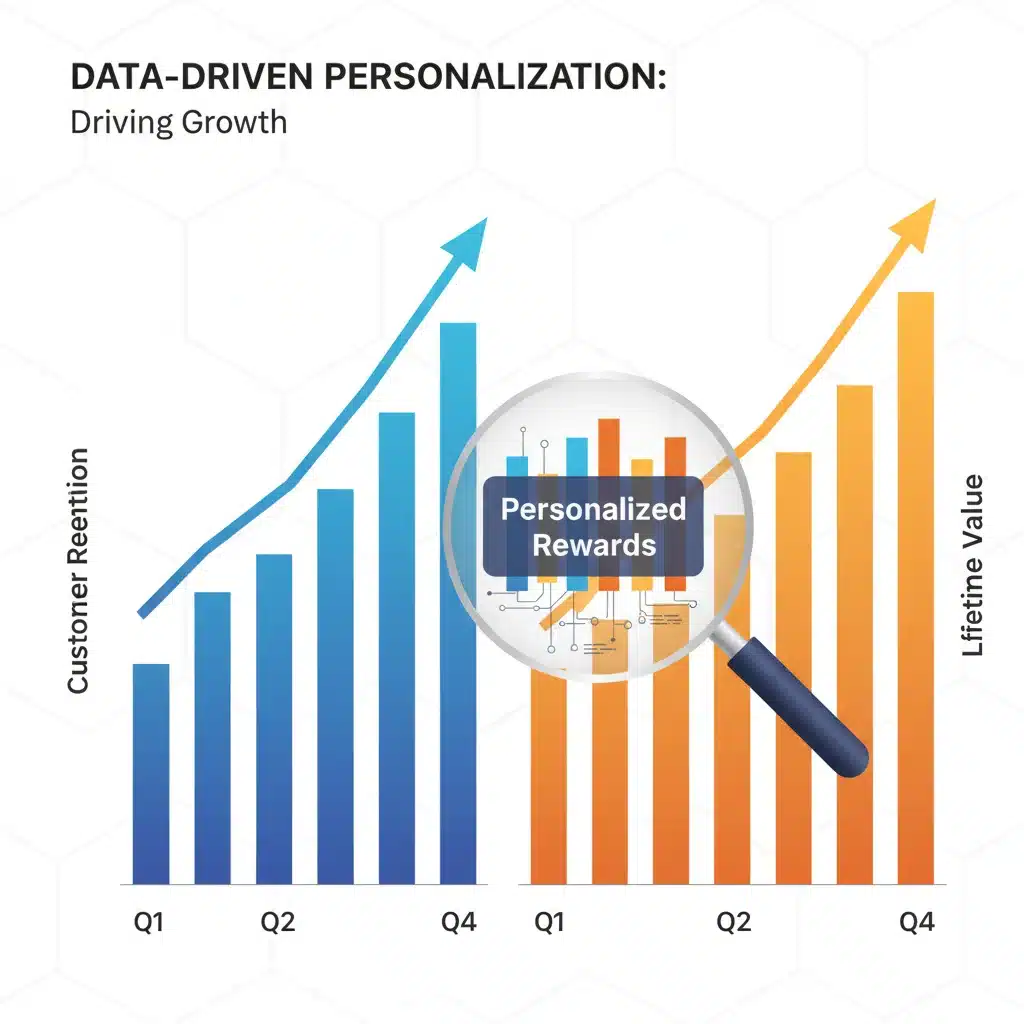
In 2026, personalization is no longer about addressing a customer by their first name. It’s about understanding their individual preferences, purchase history, browsing behavior, and even their stated desires, then leveraging that data to deliver truly unique and relevant experiences. Q2 2026 presents a prime opportunity to move beyond basic segmentation and embrace hyper-personalization at scale within your loyalty program.
Why Hyper-Personalization Matters Now
- Increased Customer Expectations: Consumers expect brands to know them and anticipate their needs. Generic offers are often ignored, leading to program fatigue.
- Competitive Differentiation: Brands that excel at personalization stand out from the crowd, fostering stronger emotional connections.
- Enhanced ROI: Personalized offers and communications lead to higher engagement rates, increased spend, and improved customer lifetime value (CLTV).
- Data Availability: With advancements in AI and machine learning, processing vast amounts of customer data to generate personalized insights is more accessible than ever.
Actionable Steps for Your Q2 2026 Loyalty Program Checklist:
- Audit Your Data Collection: Review all touchpoints where you collect customer data. Are you capturing enough relevant information (demographics, purchase history, browsing behavior, preferences, feedback)? Identify gaps and implement new data capture mechanisms.
- Implement Advanced Analytics & AI: Utilize AI and machine learning tools to analyze customer data at an individual level. These tools can identify patterns, predict future behavior, and recommend personalized offers or content that a human analyst might miss. This is a critical item on your loyalty program checklist.
- Segment Beyond Demographics: Create dynamic segments based on behavior, loyalty tier, product interests, preferred communication channels, and even sentiment analysis. This allows for more granular targeting.
- Tailor Rewards and Offers: Move away from one-size-fits-all rewards. Offer choices based on individual preferences. For example, instead of a generic discount, offer a discount on their favorite product category, or early access to a new product they’ve shown interest in.
- Personalize Communication Channels: Deliver messages through the customer’s preferred channel (email, SMS, in-app notification, push notification) at the optimal time. The content of these messages should also be highly personalized, referencing their past interactions or specific interests.
- Dynamic Website/App Content: Implement dynamic content on your website or app that changes based on the logged-in loyalty member’s profile. This could include personalized product recommendations, tailored content, or exclusive offers visible only to them.
- A/B Test Personalization Strategies: Continuously test different personalization approaches to understand what resonates best with various customer segments. Track key metrics like open rates, click-through rates, conversion rates, and overall engagement.
Hyper-personalization is an ongoing journey, but Q2 2026 is the time to significantly accelerate your efforts. By investing in the right tools and strategies, you can transform your loyalty program from a generic points system into a highly tailored, value-driven experience that keeps customers coming back.
Opportunity 2: Gamification & Experiential Rewards – Elevate Engagement
In an increasingly digital world, consumers crave experiences and a sense of achievement. Gamification and experiential rewards are powerful tools to inject excitement and deeper engagement into your loyalty program. Q2 2026 provides a perfect window to integrate these elements, moving beyond transactional rewards to cultivate emotional loyalty.
The Power of Gamification and Experiential Rewards
- Increased Engagement: Gamified elements (badges, levels, challenges) make participation fun and addictive, driving more frequent interactions.
- Emotional Connection: Experiential rewards create memorable moments that foster a stronger emotional bond between the customer and the brand, surpassing the impact of simple discounts.
- Brand Advocacy: Customers who have unique, positive experiences are more likely to share them, becoming organic brand advocates.
- Differentiation: Offering unique experiences can set your loyalty program apart from competitors who only offer monetary incentives.
Actionable Steps for Your Q2 2026 Loyalty Program Checklist:
- Introduce Tiered Loyalty Levels: Implement a clear tier system (e.g., Bronze, Silver, Gold, Platinum) with escalating benefits and exclusive experiential rewards at higher tiers. This encourages members to strive for higher status.
- Develop Engaging Challenges & Quests: Create time-bound challenges related to purchases, social sharing, product reviews, or engagement with specific content. Reward completion with bonus points, exclusive content, or entry into special draws. For example, a ‘Spring Refresh Challenge’ in Q2 for home decor brands.
- Offer Unique Experiential Rewards: Think beyond discounts. Offer backstage passes, VIP event access, exclusive product launches, personalized consultations, masterclasses, or co-creation opportunities. These unique experiences are highly valued and generate buzz.
- Integrate Badges & Achievements: Award digital badges for milestones (e.g., ‘First Purchase,’ ‘Loyal Follower,’ ‘Top Reviewer’). Display these prominently on customer profiles to foster a sense of accomplishment and community.
- Implement Progress Bars: Show members their progress towards the next reward or loyalty tier. This visual cue can be a powerful motivator.
- Introduce Spin-the-Wheel or Scratch-Card Games: Integrate simple, interactive games that offer instant wins or bonus points. These add an element of surprise and delight.
- Leverage User-Generated Content (UGC) Contests: Encourage members to share their experiences with your brand or products, with the chance to win exclusive experiential prizes. This not only gamifies participation but also generates valuable marketing content.
By making your loyalty program more interactive and rewarding with unique experiences, you transform it from a mere transaction into an engaging journey. This is a vital component of your loyalty program checklist for Q2 2026 to capture attention and build lasting loyalty.
Opportunity 3: Seamless Omnichannel Integration – A Unified Customer Journey
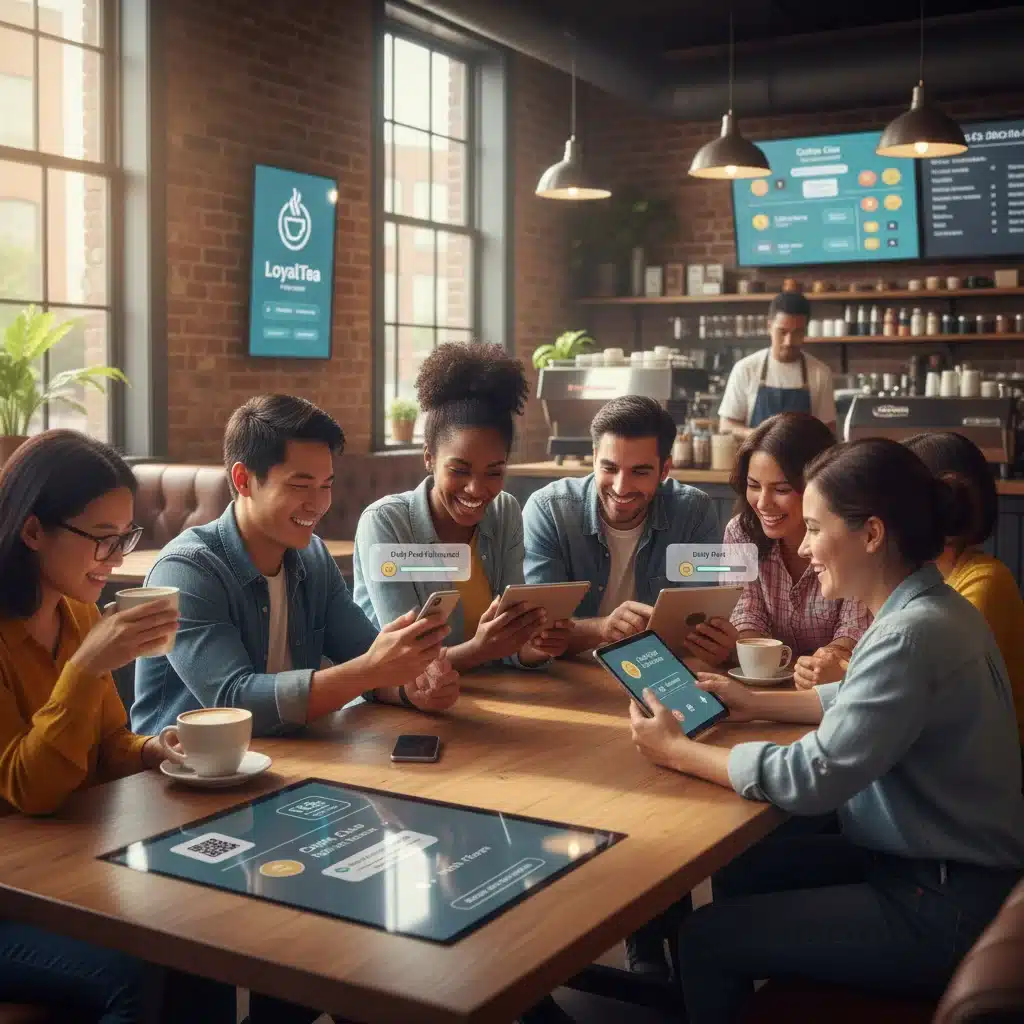
In 2026, customers interact with brands across a multitude of channels – online stores, physical retail, mobile apps, social media, and customer service. A fragmented loyalty experience across these touchpoints can be frustrating and diminish the program’s value. Q2 2026 is the time to prioritize seamless omnichannel integration, ensuring a consistent and unified customer journey within your loyalty program.
Why Omnichannel Integration is Non-Negotiable
- Customer Convenience: Members expect to earn and redeem points, access their status, and receive personalized offers regardless of how or where they interact with your brand.
- Enhanced Data Collection: A unified system allows for a more holistic view of customer behavior across all channels, feeding into better personalization.
- Reduced Friction: Eliminating silos between channels removes pain points for customers, leading to a smoother and more enjoyable experience.
- Increased Program Adoption: When the program is easy to use everywhere, adoption rates naturally increase.
Actionable Steps for Your Q2 2026 Loyalty Program Checklist:
- Centralized Customer Profile: Ensure all customer data, including loyalty program activity, is stored in a single, centralized CRM or loyalty platform. This is the foundation of true omnichannel integration.
- Consistent Earning & Redemption Rules: Make sure points can be earned and redeemed effortlessly across all channels – online, in-store, via app, and even potentially through customer service interactions. The rules should be clear and consistent everywhere.
- Mobile App as a Hub: Position your mobile app as the central hub for loyalty members. It should display points balance, tier status, personalized offers, and provide easy access to digital loyalty cards and redemption options.
- In-Store Integration: Train retail staff to understand and promote the loyalty program. Implement POS systems that can easily identify loyalty members, apply discounts, and process point redemptions and earnings. Consider digital receipts that automatically link to loyalty accounts.
- Website & E-commerce Integration: Ensure a seamless login experience for loyalty members on your website. Display loyalty status, points balance, and exclusive offers prominently. Make it easy to earn points on online purchases and apply rewards at checkout.
- Social Media & Customer Service Linkage: Explore ways to integrate loyalty recognition into social media interactions (e.g., special offers for highly engaged followers) and ensure customer service representatives have full visibility into a member’s loyalty status and history to provide tailored support.
- Unified Communication Strategy: Coordinate communications across all channels. Avoid sending redundant messages and ensure that messages sent via email, SMS, or app notifications are consistent with the offers available in-store or online.
A truly omnichannel loyalty program removes barriers and enhances the overall customer experience, making it a powerful differentiator. This strategic alignment across all touchpoints is a critical item on your loyalty program checklist for Q2 2026.
Opportunity 4: Leverage Predictive Analytics for Proactive Engagement & Churn Prevention
In 2026, waiting for customers to disengage before reacting is a recipe for churn. The fourth crucial opportunity for your Q2 2026 loyalty program checklist is to harness predictive analytics to proactively identify at-risk customers and re-engage them before they leave. This moves your loyalty strategy from reactive to proactive, significantly boosting retention.
The Power of Predictive Analytics in Loyalty Programs
- Early Warning System: Identify customers showing signs of disengagement (e.g., decreased purchase frequency, reduced website visits, declining interaction with loyalty communications).
- Targeted Interventions: Develop specific, personalized strategies to re-engage at-risk customers before they churn.
- Optimized Resource Allocation: Focus retention efforts on customers who are most likely to respond and have the highest potential CLTV.
- Improved CLTV: By preventing churn and re-engaging valuable customers, you directly contribute to a higher overall customer lifetime value.
Actionable Steps for Your Q2 2026 Loyalty Program Checklist:
- Define Churn Indicators: Work with your data science or analytics team to define clear indicators of potential churn within your loyalty program. These might include:
- Significant drop in purchase frequency compared to their historical average.
- Reduced engagement with loyalty emails or app notifications.
- Decreased website or app activity.
- Absence of specific high-value purchases they typically make.
- Expiration of points or rewards without redemption.
- Implement Predictive Models: Utilize machine learning models to analyze historical customer data and identify patterns that precede churn. These models can assign a ‘churn risk score’ to each loyalty member.
- Create ‘At-Risk’ Segments: Based on the predictive models, automatically segment loyalty members into different risk categories (e.g., low, medium, high churn risk).
- Develop Proactive Re-engagement Campaigns: Design specific, personalized campaigns for each ‘at-risk’ segment. These might include:
- Personalized Offers: A special discount on a product they frequently buy, or an exclusive bonus point offer to encourage their next purchase.
- Experiential Nudges: A reminder about an upcoming event or a personalized invitation to a brand experience.
- Feedback Requests: A direct survey or personalized email asking for feedback on their recent experience or why they might be disengaging.
- Dedicated Customer Service Outreach: For high-value, high-risk customers, consider a proactive call or personalized email from a dedicated customer success representative.
- Automate Re-engagement Workflows: Set up automated triggers based on churn risk scores. For example, if a customer’s score crosses a certain threshold, an automated personalized email or SMS is sent.
- Measure & Refine: Continuously track the effectiveness of your proactive engagement strategies. Analyze which interventions work best for different segments and refine your models and campaigns accordingly. This iterative process is crucial for success.
Integrating predictive analytics into your loyalty program transforms it into a powerful retention engine. By anticipating customer needs and potential disengagement, you can intervene strategically and reinforce their loyalty. This proactive approach is a game-changer and a must-have on your Q2 2026 loyalty program checklist.
Bonus Tip: Embrace Community Building within Your Loyalty Program
While not one of the core four, community building is an increasingly powerful strategy that complements all the opportunities listed above. In Q2 2026, consider how your loyalty program can foster a sense of belonging among your customers.
Why Community Matters:
- Shared Identity: Customers feel like they are part of something larger than just a transaction.
- Peer-to-Peer Support: Members can help each other, reducing the burden on your customer service.
- Valuable Feedback: A community provides a direct channel for honest customer feedback and insights.
- Increased Engagement & Advocacy: Engaged community members are often your most passionate advocates.
Actionable Steps:
- Create Exclusive Forums or Groups: Offer a private online forum, social media group, or dedicated app section exclusively for loyalty members.
- Host Member-Only Events: Organize virtual or in-person events where members can connect with each other and with your brand.
- Incentivize Peer Interaction: Reward members for helping others, sharing tips, or providing valuable feedback within the community.
- Feature Member Stories: Highlight loyal customers and their experiences with your brand within the community and on your marketing channels.
Implementing Your Q2 2026 Loyalty Program Checklist
Successfully navigating these opportunities requires a strategic approach and often, the right technology. Here’s a brief guide to help you implement your loyalty program checklist effectively:
1. Assess Your Current Loyalty Program
Before making any changes, conduct a thorough audit of your existing loyalty program. What’s working? What’s not? What data are you currently collecting and using? Understand your program’s strengths and weaknesses against the backdrop of these Q2 opportunities.
2. Prioritize & Plan
You don’t have to tackle all four opportunities simultaneously, especially if your resources are limited. Prioritize the opportunities that align best with your business goals for Q2 and offer the highest potential impact. Develop a detailed action plan with timelines, assigned responsibilities, and key performance indicators (KPIs) for each initiative.
3. Invest in the Right Technology
To achieve hyper-personalization, seamless omnichannel integration, and predictive analytics, you’ll likely need robust loyalty software, CRM systems, and potentially AI/ML tools. Evaluate your current tech stack and identify any necessary upgrades or new acquisitions. Cloud-based solutions often offer flexibility and scalability.
4. Train Your Team
Your team, especially customer-facing staff, needs to be fully on board and understand the enhancements to your loyalty program. Provide comprehensive training on new features, how to explain benefits to customers, and how to use any new tools or processes. This ensures a consistent brand experience.
5. Communicate Changes Effectively
When you roll out new features or improvements to your loyalty program, communicate them clearly and excitingly to your existing members and potential new ones. Highlight the benefits to them – how these changes will enhance their experience and provide more value. Use all your communication channels: email, social media, in-app notifications, and in-store signage.
6. Monitor, Analyze, and Adapt
Loyalty programs are not ‘set it and forget it.’ Continuously monitor the performance of your new initiatives. Track engagement rates, redemption rates, customer lifetime value, churn rates, and feedback. Use these insights to make data-driven adjustments and improvements. The market and customer expectations are constantly evolving, so your program must evolve with them.
Conclusion: Seize the Q2 2026 Loyalty Advantage
Q2 2026 is a critical period for businesses to solidify customer relationships and drive sustainable growth. By meticulously working through this loyalty program checklist, focusing on hyper-personalization, gamification and experiential rewards, seamless omnichannel integration, and proactive engagement through predictive analytics, you can transform your loyalty program into a powerful engine for retention and advocacy.
Remember, true loyalty is built on trust, value, and exceptional experiences. By embracing these four key opportunities, you’re not just offering discounts; you’re building a community, fostering emotional connections, and creating a loyal customer base that will stand by your brand for years to come. Don’t miss out on these time-sensitive opportunities – start planning your Q2 2026 loyalty strategy today!