Loyalty Program Structures: Key Updates for January 2026
Decoding New Loyalty Program Structures: What You Need to Know for January 2026
The landscape of customer loyalty is in constant flux, driven by technological advancements, shifting consumer expectations, and an ever-competitive market. As we approach January 2026, businesses globally are bracing for significant loyalty program updates that promise to redefine how brands engage with their most valuable customers. This is not merely about tweaking existing models; it’s about a fundamental re-evaluation of value propositions, personalization at scale, and the integration of emerging technologies. Understanding these changes is not just beneficial, but critical for sustained growth and customer retention.
In an era where consumers have more choices than ever, traditional points-based systems are increasingly proving insufficient to foster true brand allegiance. The modern consumer demands more than just transactional rewards; they seek experiences, recognition, and a sense of belonging. This comprehensive guide will delve into the anticipated loyalty program updates for January 2026, offering insights into the evolving structures, strategic implications, and actionable steps businesses can take to adapt and thrive.
From the rise of subscription-based loyalty to the integration of AI-driven personalization and the ethical considerations of data privacy, we will cover the multifaceted aspects of these upcoming changes. Our aim is to equip you with the knowledge to not only navigate these transitions but to leverage them as opportunities to forge deeper, more meaningful connections with your customer base. Prepare to transform your loyalty strategy from a mere perk to a powerful competitive differentiator.
The Evolving Definition of Customer Loyalty: Beyond Transactions
For decades, customer loyalty programs primarily revolved around a simple premise: spend money, earn points, redeem rewards. While effective to a certain extent, this transactional approach often failed to cultivate genuine emotional attachment to a brand. The modern consumer, particularly younger generations, values experiences, ethical practices, and personalized interactions far more than a simple discount.
January 2026 marks a pivotal moment where this shift becomes undeniable. We are moving towards an era where loyalty is measured not just by purchase frequency, but by engagement, advocacy, and emotional connection. Brands are recognizing that true loyalty is built on trust, shared values, and a consistent, positive customer experience across all touchpoints. This means loyalty programs must evolve from being mere reward mechanisms to holistic ecosystems that nurture relationships.
Key Drivers of This Evolution:
- Digital Transformation: The proliferation of digital channels has made it easier for customers to switch brands. Conversely, it also offers unprecedented opportunities for personalized engagement.
- Changing Consumer Values: Consumers increasingly prioritize sustainability, ethical sourcing, and social responsibility. Brands that align with these values can foster stronger loyalty.
- Data & AI: Advanced analytics and artificial intelligence are enabling brands to understand individual customer preferences at a granular level, paving the way for hyper-personalization.
- Subscription Economy: The rise of subscription models has accustomed consumers to ongoing value and exclusive benefits, influencing expectations for loyalty programs.
- Competitive Pressure: As more businesses adopt sophisticated loyalty strategies, others are compelled to innovate to stay relevant.
The loyalty program updates expected in January 2026 reflect these underlying trends, pushing businesses to rethink their entire approach to customer retention. It’s no longer enough to simply offer a reward; brands must offer a compelling reason for customers to stay, engage, and advocate.
Anticipated Structural Changes in Loyalty Programs for 2026
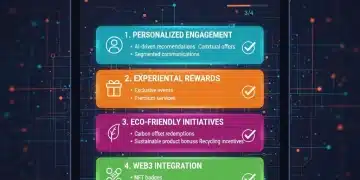
The upcoming changes are not uniform but rather a diverse set of innovations and adaptations. Here’s a breakdown of the structural shifts we anticipate seeing widely implemented by January 2026:
1. Hyper-Personalization at Scale
One of the most significant loyalty program updates will be the move from segment-based personalization to true one-to-one personalization. Leveraging AI and machine learning, loyalty programs will analyze individual customer behavior, preferences, and even emotional states to deliver highly relevant offers, content, and experiences. This goes beyond just knowing what a customer has bought; it’s about predicting what they might want, when they might want it, and how they prefer to be engaged.
- Dynamic Rewards: Rewards will no longer be static. Instead, they will adapt in real-time based on customer activity, lifecycle stage, and expressed preferences.
- Personalized Content & Recommendations: Loyalty program members will receive tailored content, product recommendations, and even experiential offers that resonate deeply with their individual profiles.
- Proactive Engagement: AI will enable programs to proactively reach out to customers with solutions or offers before they even realize they need them, enhancing convenience and perceived value.
2. The Rise of Experiential and Non-Monetary Rewards
While discounts and free products will always have their place, the 2026 landscape will see a significant increase in non-monetary and experiential rewards. These rewards often create stronger emotional connections and provide unique bragging rights.
- Exclusive Access: Early access to new products, invitation-only events, VIP customer service lines, or behind-the-scenes content.
- Community Building: Creating exclusive online or offline communities where loyal customers can connect with each other and the brand, fostering a sense of belonging.
- Personalized Services: Dedicated account managers, complimentary expert consultations, or bespoke product customization services.
- Philanthropic Giving: Allowing customers to redeem points for donations to charities of their choice, aligning with ethical consumer values.
3. Subscription-Based Loyalty Models
Inspired by the success of Amazon Prime, more businesses across various sectors will adopt subscription-based loyalty programs. These models typically involve an annual or monthly fee in exchange for ongoing benefits, free shipping, exclusive discounts, and premium services.
- Guaranteed Value: Customers pay for a consistent stream of benefits, creating a strong incentive to remain engaged with the brand.
- Predictable Revenue: For businesses, subscription models provide a more predictable revenue stream and deeper customer data.
- Tiered Subscriptions: Offering different tiers of subscription with varying benefits and price points to cater to diverse customer needs.
4. Gamification and Interactive Elements
Gamification is not new, but its integration into loyalty program updates will become more sophisticated. Expect to see more interactive challenges, progress tracking, badges, and leaderboards designed to make engaging with a brand more fun and rewarding.
- Goal-Oriented Progression: Customers earn rewards by completing specific tasks or reaching milestones, rather than just spending money.
- Interactive Challenges: Quizzes, polls, and user-generated content challenges that offer bonus points or exclusive rewards.
- Social Sharing Incentives: Rewards for sharing brand content, referring friends, or participating in brand-related discussions on social media.
5. Blockchain and Web3 Integration
While still nascent, some forward-thinking brands will begin experimenting with blockchain technology for loyalty programs by January 2026. This offers enhanced security, transparency, and the potential for transferable loyalty points or NFTs.
- Tokenized Rewards: Loyalty points as cryptocurrencies or NFTs that can be traded, sold, or used across a network of participating brands.
- Enhanced Security & Transparency: Blockchain’s immutable ledger can prevent fraud and provide customers with greater visibility into their rewards.
- Decentralized Loyalty: The potential for loyalty programs that are not solely controlled by a single brand, allowing for greater customer flexibility.
Strategic Implications for Businesses: Preparing for 2026
These impending loyalty program updates carry significant strategic implications for businesses across all sectors. Adaptation is key, but proactive planning will provide a substantial competitive edge.
1. Data Infrastructure and Analytics
The shift towards hyper-personalization necessitates robust data infrastructure. Businesses must invest in advanced CRM systems, data lakes, and AI/ML capabilities to collect, analyze, and act upon customer data effectively. This includes:
- Unified Customer Profiles: Consolidating data from all touchpoints (online, offline, social, customer service) into a single, comprehensive view.
- Predictive Analytics: Using AI to forecast customer behavior, identify churn risks, and predict future needs.
- Ethical Data Practices: Ensuring transparency with customers about data usage and adhering to evolving data privacy regulations (e.g., GDPR, CCPA, and any new 2026 regulations).
2. Re-evaluating Value Propositions
Brands need to critically assess what truly motivates their target audience beyond monetary incentives. This requires deep customer understanding through market research, feedback loops, and behavioral analysis. The value proposition of a loyalty program must align with the brand’s core identity and resonate with its ideal customer.
- Beyond Discounts: Focus on unique experiences, convenience, status, and community.
- Brand Alignment: Ensure loyalty rewards reinforce brand values and purpose.
- Competitive Analysis: Understand what competitors are offering and identify opportunities for differentiation.
3. Seamless Omnichannel Integration
A fragmented loyalty experience is a frustrating one. By January 2026, loyalty programs must offer a seamless experience across all channels – in-store, online, mobile app, social media, and customer service. This means points accumulation, redemption, and personalized offers should be consistent and accessible regardless of how the customer interacts with the brand.
- Consistent Messaging: Ensure the loyalty program’s benefits and rules are clearly communicated across all platforms.
- Integrated Technology: Use APIs and robust integrations to connect various systems (POS, e-commerce, CRM) to provide a unified experience.
- Mobile-First Approach: Optimize loyalty program access and features for mobile devices, as this is often the primary interaction point for many customers.
4. Employee Training and Empowerment
Frontline employees are crucial to the success of any loyalty program. They need to be fully informed about the program’s benefits, how it works, and how to articulate its value to customers. Empowering employees to resolve issues and offer personalized service within the loyalty framework can significantly enhance customer satisfaction.
- Comprehensive Training: Regular training sessions on new features, benefits, and troubleshooting.
- Empowerment: Giving employees the tools and authority to offer discretionary rewards or resolve loyalty-related issues on the spot.
- Internal Communication: Maintaining an open channel for employees to provide feedback and suggestions on the program.
5. Measuring ROI Beyond Traditional Metrics
While traditional metrics like redemption rates and incremental sales remain important, businesses must expand their measurement frameworks to capture the full value of loyalty programs. This includes:
- Customer Lifetime Value (CLTV): Tracking the long-term value of loyal customers.
- Net Promoter Score (NPS) / Customer Satisfaction (CSAT): Measuring advocacy and overall satisfaction.
- Engagement Metrics: Tracking non-transactional interactions, such as app usage, content consumption, and community participation.
- Brand Sentiment: Monitoring social media and reviews for positive mentions and sentiment related to the loyalty program.
Case Studies & Examples: Who’s Leading the Charge?
While January 2026 is still a little way off, many innovative brands are already implementing elements of these advanced loyalty program updates. Examining their strategies can provide valuable lessons.
Starbucks Rewards: A Masterclass in Digital Integration and Personalization
Starbucks has long been a leader in loyalty, and their program continues to evolve. Their app-centric approach allows for seamless ordering, payment, and reward redemption. They excel at personalization, offering bespoke challenges and rewards based on purchase history and preferences. Their ‘Stars’ system encourages frequent visits and higher spending, while their tiered structure provides aspirational goals for members. The community aspect is also subtly built through the consistent brand experience and the feeling of being part of the ‘Starbucks family.’
Sephora Beauty Insider: Experiential and Tiered Benefits
Sephora’s Beauty Insider program is a prime example of successful tiered loyalty combined with experiential rewards. Members progress through ‘Insider,’ ‘VIB,’ and ‘Rouge’ tiers, unlocking increasingly valuable benefits like free makeovers, exclusive product access, and private events. The program focuses heavily on making members feel valued and providing beauty experiences that go beyond just product discounts, fostering a strong emotional connection.
NikePlus: Community, Fitness, and Exclusive Access
NikePlus is more than just a loyalty program; it’s a fitness ecosystem. It integrates with Nike’s running and training apps, rewarding members not just for purchases, but for physical activity. Members gain exclusive access to products, personalized training plans, and community events. This approach aligns perfectly with Nike’s brand identity, turning loyalty into a lifestyle choice rather than just a transaction.

Overcoming Challenges in the New Loyalty Landscape
Implementing these advanced loyalty program updates is not without its challenges. Businesses must be prepared to address several key hurdles:
1. Data Privacy and Trust
As personalization becomes more sophisticated, so do concerns about data privacy. Brands must be transparent about how customer data is collected and used, giving customers control over their information. Building and maintaining trust is paramount; a breach of trust can quickly undermine even the most well-designed loyalty program.
2. Technology Investment and Integration
The transition to AI-driven personalization, blockchain, and omnichannel integration requires significant investment in technology and skilled personnel. Legacy systems can pose a major challenge, necessitating careful planning for modernization or replacement.
3. Demonstrating ROI
Justifying the investment in complex loyalty programs requires a clear demonstration of return on investment. This means moving beyond simple redemption rates and proving the impact on CLTV, brand advocacy, and overall business growth.
4. Employee Buy-in and Training
Without enthusiastic employee support, even the best loyalty program can falter. Ensuring employees understand the program’s value, how it works, and how to effectively communicate it to customers is crucial. Training must be ongoing and comprehensive.
5. Avoiding ‘Loyalty Fatigue’
Consumers are often enrolled in multiple loyalty programs. To stand out, programs must offer genuine value and avoid becoming just another card in the wallet. This requires continuous innovation, relevance, and a clear differentiation strategy.
Actionable Steps for Businesses: Your 2026 Loyalty Roadmap
- Audit Your Current Program: Assess its strengths, weaknesses, and alignment with current and future customer expectations. Identify gaps in data collection and personalization capabilities.
- Invest in Data & AI: Begin laying the groundwork for a robust data infrastructure. Explore AI/ML tools for predictive analytics and hyper-personalization. Consider partnerships with technology providers if in-house expertise is lacking.
- Redefine Your Value Proposition: Conduct thorough customer research to understand what truly motivates your audience beyond discounts. Brainstorm unique experiential and non-monetary rewards that align with your brand.
- Plan for Omnichannel Integration: Develop a roadmap for unifying your customer experience across all touchpoints. Ensure your loyalty program is seamlessly accessible and functional everywhere your customers interact with you.
- Prioritize Employee Training: Start developing training modules and communication strategies for your team. Empower them to be advocates and facilitators of the new loyalty experience.
- Experiment and Iterate: Consider piloting new loyalty features or models with a subset of your customers. Gather feedback, analyze results, and iterate before a full-scale launch. The loyalty landscape is dynamic, so continuous optimization is key.
- Focus on Trust and Transparency: Review your data privacy policies and ensure they are clear, compliant, and customer-friendly. Build trust by being transparent about data usage and giving customers control.
- Explore Partnerships: Consider collaborating with complementary businesses to offer joint rewards or expand the reach and value of your loyalty program.
Conclusion: Seizing the Opportunity in 2026
The loyalty program updates slated for January 2026 represent a significant evolution in how businesses build and maintain customer relationships. It’s a move away from purely transactional exchanges towards deep, personalized, and value-driven connections. Brands that embrace these changes proactively, investing in technology, understanding customer needs, and fostering genuine engagement, will be best positioned to thrive in the competitive landscape.
This isn’t just about retaining customers; it’s about transforming them into brand advocates, fostering communities, and building a sustainable foundation for long-term growth. The businesses that view these updates not as a challenge but as an immense opportunity to innovate and differentiate will emerge as leaders in the next era of customer loyalty. Start planning today to ensure your loyalty strategy is robust, relevant, and ready for 2026 and beyond.