Maximize Your Rewards: Navigating Loyalty Program Changes Q1 2026

The landscape of consumer rewards is in constant flux, and Q1 2026 is proving to be a pivotal period for significant loyalty program updates nationwide. For savvy consumers and businesses alike, understanding these shifts is not just beneficial, but essential to maximizing earning potential and maintaining a competitive edge. This comprehensive guide will delve into the specific changes, analyze their implications, and provide actionable strategies to navigate the evolving world of loyalty programs.
Loyalty programs, a cornerstone of customer retention, are undergoing transformative structural changes. These aren’t just minor tweaks; we’re seeing fundamental re-evaluations of how points are earned, redeemed, and valued across various sectors, from travel and retail to financial services and hospitality. The goal for companies is often to enhance engagement, reduce costs, or adapt to new market demands. For you, the consumer, the goal is to decode these changes and ensure your loyalty continues to pay off.
The Shifting Sands of Loyalty: Key Q1 2026 Loyalty Program Updates
The first quarter of 2026 has ushered in a wave of modifications to loyalty program structures that demand attention. These loyalty program updates are not uniform; they vary by industry and even by individual brand. However, several overarching trends are discernible, signaling a collective move towards more personalized, experience-driven, and sometimes more restrictive, reward systems.
Understanding the ‘Why’ Behind the Changes
Before diving into the specifics, it’s crucial to grasp the motivations behind these widespread loyalty program updates. Companies invest heavily in these programs, and any significant restructuring is typically driven by strategic objectives. Common reasons include:
- Cost Optimization: As programs mature, the cost of maintaining rich rewards can become unsustainable. Adjustments might be made to reduce overall program liabilities.
- Enhanced Personalization: Brands are increasingly leveraging data to offer more tailored rewards and experiences, aiming to make loyalty feel more exclusive and relevant to individual members.
- Increased Engagement: Some changes are designed to encourage deeper engagement, such as requiring more frequent interactions or offering bonus points for specific behaviors (e.g., app usage, social media sharing).
- Competitive Landscape: In highly competitive markets, companies might adjust their programs to match or surpass competitor offerings, or to differentiate themselves.
- Response to Economic Conditions: Inflation, supply chain issues, and shifting consumer spending habits can all influence how companies structure their rewards to remain viable and attractive.
- Technological Advancements: New technologies allow for more sophisticated tracking, redemption, and personalized offers, prompting program redesigns to leverage these capabilities.
Major Industry-Specific Loyalty Program Updates
Travel & Hospitality: Navigating Dynamic Pricing and Tier Adjustments
The travel and hospitality sectors are often at the forefront of loyalty innovation, and Q1 2026 has seen substantial loyalty program updates here. Airlines, hotels, and car rental agencies are increasingly moving towards dynamic pricing for award redemptions. This means the number of points required for a flight or a hotel stay can fluctuate significantly based on demand, season, and even the specific route or property. While this can sometimes lead to better deals during off-peak times, it often means higher point requirements for popular periods.
Furthermore, many programs have recalibrated their elite status tiers. Some have introduced new, higher tiers for their most valuable customers, while others have adjusted the requirements for existing tiers, making it either harder or easier to qualify. The introduction of ‘experience-based’ rewards, such as exclusive lounge access, personalized concierge services, or unique local excursions, is also a growing trend, shifting the focus from purely transactional benefits to richer, memorable experiences.
Retail: The Rise of Subscription Models and Gamification
Retail loyalty programs are evolving rapidly, with Q1 2026 witnessing a strong push towards subscription-based loyalty and gamified earning. Instead of traditional point systems, some retailers are introducing paid membership tiers that offer exclusive discounts, free shipping, early access to sales, and unique products. This guarantees a recurring revenue stream for the retailer while providing consistent, high-value benefits to the consumer.
Gamification is another exciting development. Retailers are incorporating challenges, badges, and progress bars into their loyalty apps, encouraging customers to complete specific actions to earn bonus points or unlock special rewards. This makes the earning process more interactive and engaging, fostering a deeper connection with the brand. Expect to see more emphasis on personalized recommendations and AI-driven promotions based on past purchase history, making every interaction feel unique.
Financial Services: Enhanced Card Benefits and Partner Ecosystems
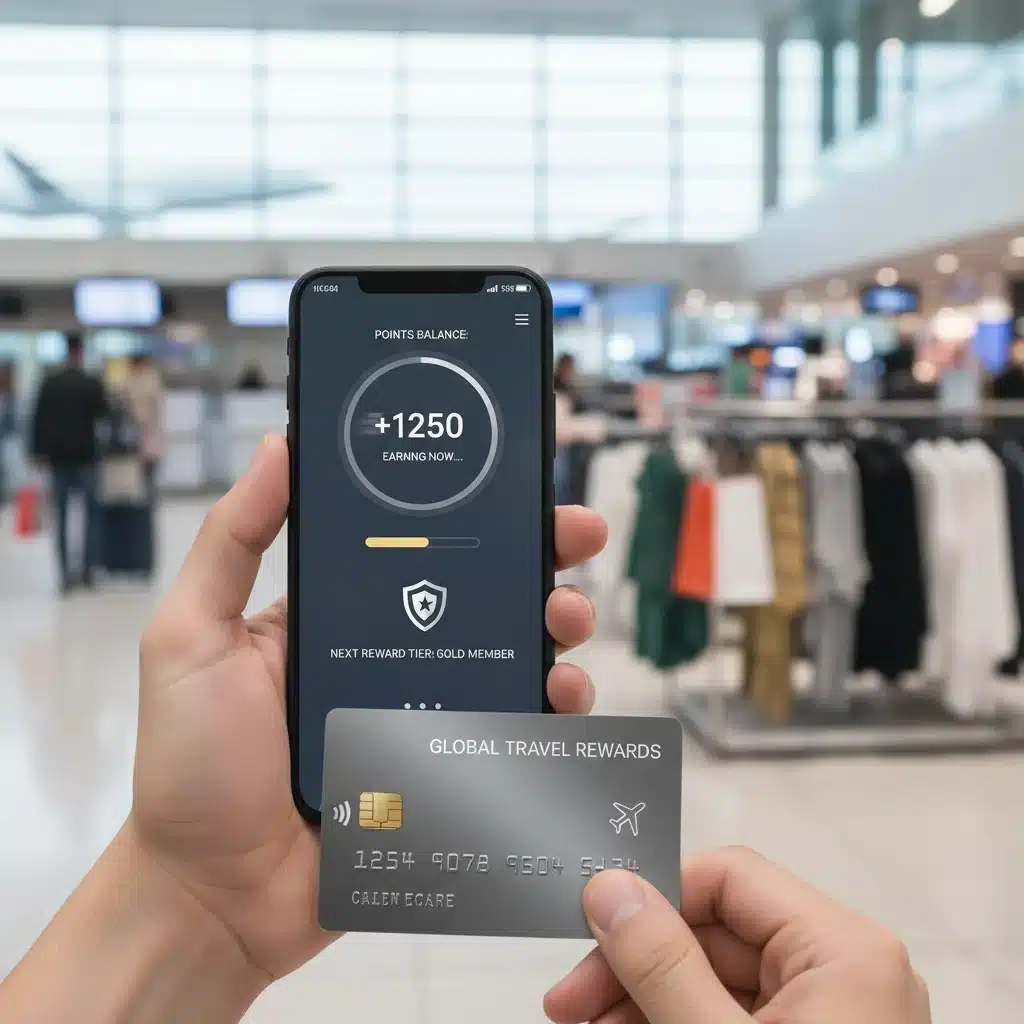
Credit card loyalty programs, often linked to major airlines or hotel chains, are also seeing significant loyalty program updates. Many issuers are refining their bonus categories, offering elevated earning rates on specific types of spending (e.g., groceries, streaming services, dining). Annual fees might be increasing on some premium cards, but often come paired with new, valuable benefits such as travel credits, enhanced insurance protections, or access to exclusive events.
A notable trend is the expansion of partner ecosystems. Banks are collaborating with a wider array of merchants and service providers, allowing cardholders to earn and redeem points in more diverse ways. This creates a more integrated rewards experience, making points more versatile and valuable across various aspects of daily life. Look out for limited-time promotions and transfer bonuses that can significantly boost the value of your points.
Other Industries: From Health & Wellness to Entertainment
The impact of loyalty program updates extends beyond the traditional sectors. Health and wellness brands are integrating loyalty programs that reward healthy behaviors, such as hitting fitness goals or purchasing nutritious foods. Entertainment venues and streaming services are also experimenting with tiered systems that offer early access to tickets, exclusive content, or discounts on merchandise. These programs are increasingly focused on building communities and fostering a sense of belonging among members.
Strategies to Maximize Your Earning Potential Amidst Changes
With these significant loyalty program updates, adapting your strategy is paramount. Don’t let changes diminish your rewards; instead, leverage them to your advantage. Here are actionable strategies:
1. Review and Re-evaluate Your Portfolio
The first step is to conduct a thorough audit of all the loyalty programs you currently participate in. Identify which programs have announced Q1 2026 changes. For each program, ask yourself:
- What are the new earning rates? Are certain spending categories now more or less rewarding?
- How have redemption values changed? Are your preferred rewards (e.g., flights, hotel nights, gift cards) now more expensive in terms of points?
- Are there new tiers or qualification requirements? Have your current spending habits been impacted, making it harder or easier to maintain status?
- Are there new benefits or restrictions? Have any valuable perks been added or removed?
Based on this review, you might decide to shift your spending to programs that now offer better value for your typical purchases, or even consolidate your efforts into fewer, more rewarding programs.
2. Diversify Your Earning Methods
Don’t put all your eggs in one basket. Many loyalty program updates encourage diversification. Look for opportunities to earn points through:
- Shopping Portals: Always check if your favorite retailers offer bonus points through airline, hotel, or credit card shopping portals before making online purchases.
- Dining Programs: Link your credit cards to dining rewards programs to earn extra points when eating out.
- Co-branded Credit Cards: If you’re loyal to a specific brand (airline, hotel, retailer), a co-branded credit card often offers accelerated earning rates and exclusive benefits.
- Promotional Offers: Keep an eye out for limited-time promotions, bonus point offers, and transfer bonuses. These can significantly boost your point balance.
- Surveys and Tasks: Some programs offer small point rewards for completing surveys or engaging with brand content. While minor, these can add up over time.
3. Understand Dynamic Redemption
For programs that have moved to dynamic redemption, flexibility is key. If you have flexible travel dates, aim to redeem during off-peak periods when point requirements are lower. Use online tools and alerts to track point costs for your desired redemptions. Sometimes, booking further in advance or closer to the travel date (if last-minute availability opens up) can yield better value. Be prepared to be agile with your plans.
4. Leverage Elite Status Benefits Wisely
If you hold elite status, understand any new benefits or restrictions. Some programs are enhancing elite benefits with more personalized services or exclusive access. Ensure you’re utilizing all available perks, from complimentary upgrades and waived fees to dedicated customer service lines. If maintaining status has become significantly harder, evaluate whether the benefits still outweigh the effort and cost.
5. Explore Transfer Partners
Many credit card reward programs allow you to transfer points to various airline and hotel partners. With the new loyalty program updates, the value of these transfers can shift. Regularly check for transfer bonuses, which can offer an additional 20-50% on your transferred points, dramatically increasing their value. Understanding which partners offer the best redemption rates for your travel goals is crucial.
6. Engage with Program Communications
Don’t ignore emails or notifications from your loyalty programs. Companies are usually transparent about significant loyalty program updates. Reading these communications will keep you informed about changes to earning, redemption, and benefits. Many programs also offer FAQs or dedicated sections on their websites to explain recent modifications.
7. Consider Paid Loyalty Programs
As mentioned, subscription-based loyalty is growing. If a brand you frequently use offers a paid loyalty program, calculate if the annual fee is justified by the benefits you’ll receive. Factors to consider include exclusive discounts, free shipping, early access, and unique perks. For high-frequency customers, these can often provide superior value compared to traditional free programs.
The Long-Term Impact of Q1 2026 Loyalty Program Updates
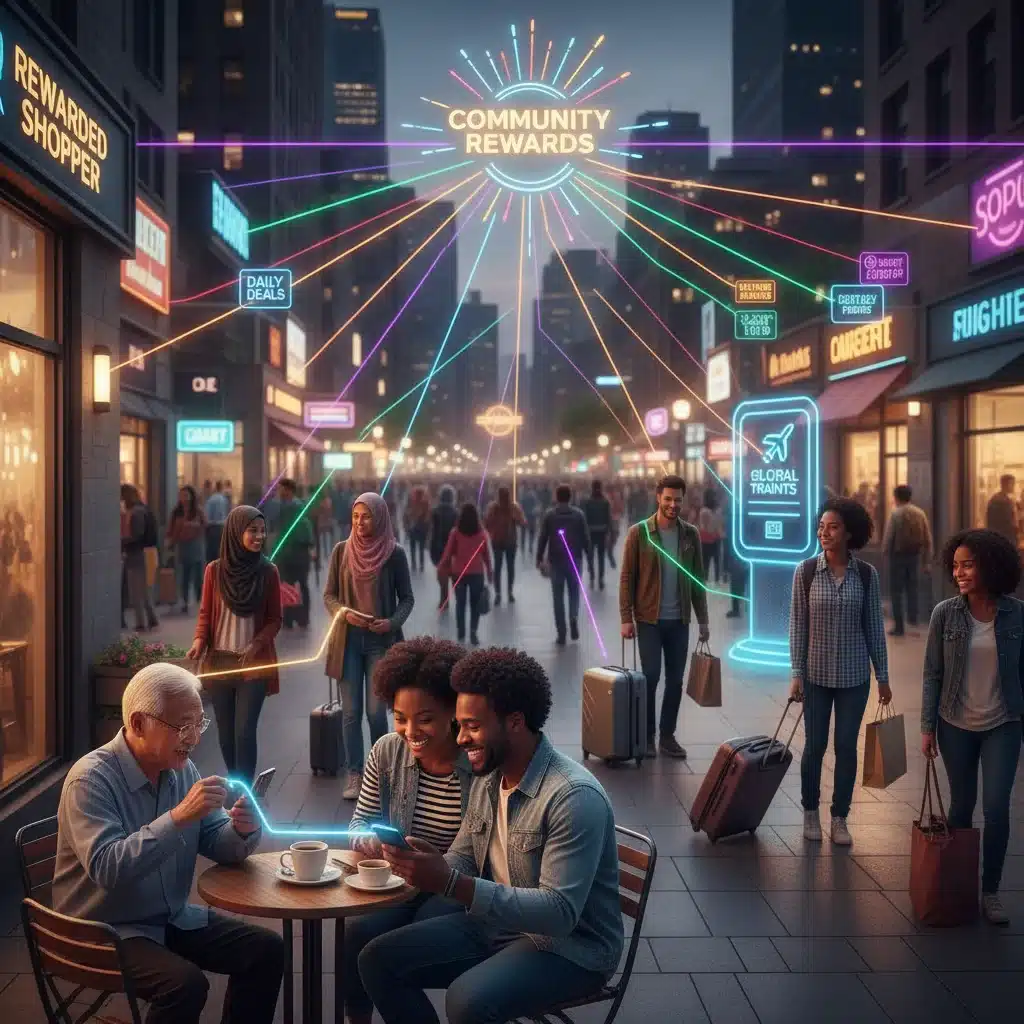
The loyalty program updates observed in Q1 2026 are not isolated incidents but rather part of a broader evolution in how brands interact with their most valuable customers. We are moving towards a more data-driven, personalized, and experience-focused loyalty landscape. For consumers, this means a need for greater awareness, flexibility, and strategic planning.
The emphasis on personalization suggests that generic earning strategies may become less effective. Instead, understanding your own spending habits and aligning them with programs that reward those specific behaviors will yield the best results. The rise of gamification and subscription models indicates a desire for deeper engagement beyond just transactional relationships, pushing consumers to become more active participants in the brand ecosystem.
Furthermore, the increased complexity, especially in dynamic redemption models, means that simply accumulating points without a clear redemption strategy might lead to diminished value. Proactive planning and a willingness to adapt will be key to unlocking the full potential of your rewards.
Preparing for Future Loyalty Program Updates
While we’ve focused on Q1 2026, the reality is that loyalty program updates are an ongoing process. To stay ahead, consider these forward-looking approaches:
- Stay Informed: Regularly check program websites, subscribe to newsletters, and follow industry news to anticipate future changes.
- Be Flexible: Don’t get too rigid with your loyalty strategy. Be prepared to shift your spending or redemption preferences as programs evolve.
- Track Your Points: Use tools or spreadsheets to keep track of your point balances, expiration dates, and redemption goals across all programs.
- Provide Feedback: Many programs solicit customer feedback. Sharing your thoughts can sometimes influence future program design.
- Consider the Ecosystem: Look beyond individual programs and understand how different loyalty initiatives (e.g., credit card points, airline miles, hotel points) can be combined or transferred to maximize value.
Conclusion: Adapting to Thrive in the New Loyalty Landscape
The loyalty program updates of Q1 2026 represent a significant recalibration across various industries. While these changes might initially seem daunting, they also present new opportunities for those willing to adapt and strategize. By staying informed, actively managing your loyalty portfolio, and understanding the nuances of each program, you can continue to maximize your earning potential and extract significant value from your brand allegiances.
Remember, loyalty is a two-way street. As companies evolve their programs to better serve their business objectives, consumers must also evolve their strategies to ensure their loyalty is genuinely rewarded. Embrace the changes, refine your approach, and continue to enjoy the benefits that come with being a savvy and engaged program member.
Don’t let these changes catch you off guard. Take the time now to review your programs, adjust your habits, and ensure that your loyalty continues to deliver the rewards you deserve in this dynamic new era.