Budgeting Philosophies 2026: Optimize Your Spending for Maximum Impact
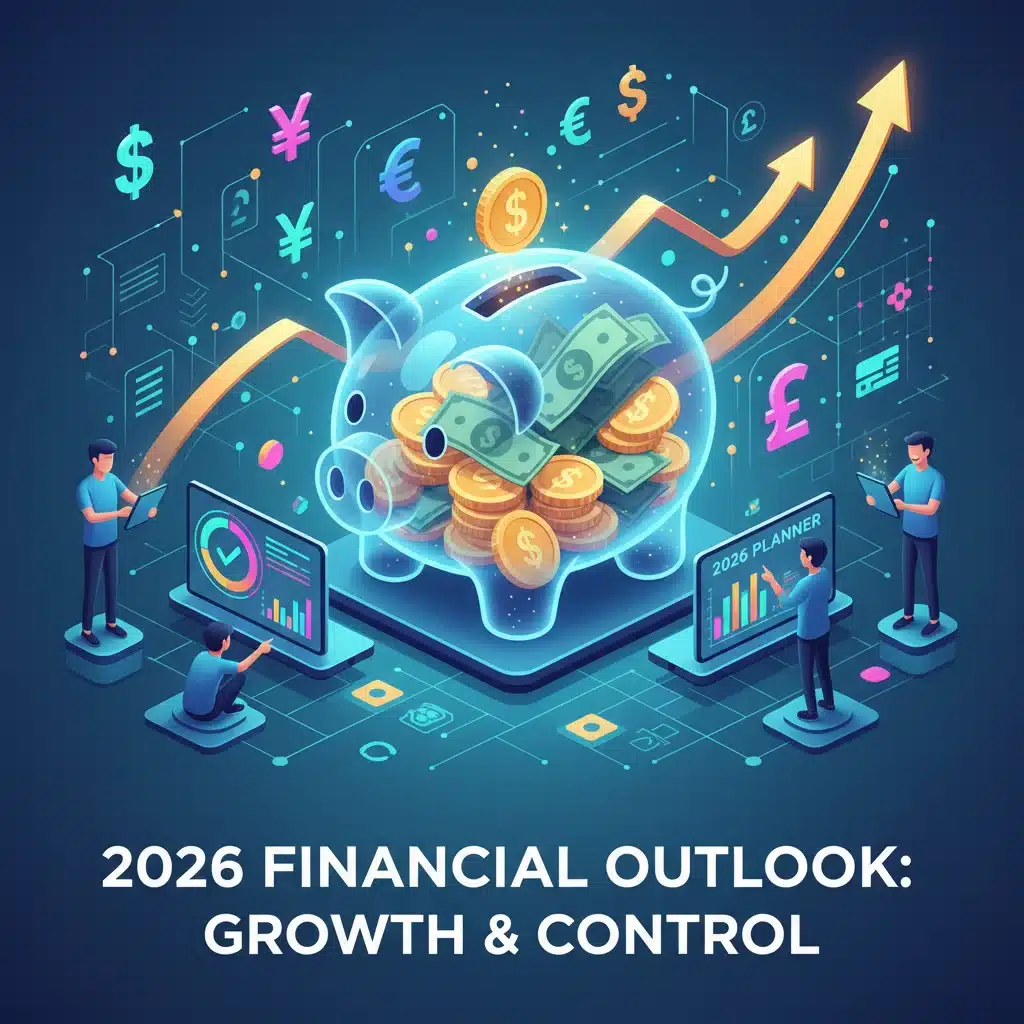
In the ever-evolving landscape of personal finance, staying ahead requires more than just tracking your income and expenses. It demands a strategic approach, a philosophy that aligns with your financial goals and lifestyle. As we look towards 2026, understanding and adopting the right Budgeting Philosophies 2026 can be the cornerstone of your financial success. This comprehensive guide will delve into four distinct budgeting philosophies, offering a comparative analysis to help you choose the best path for optimizing your spending and making a significant impact on your financial future.
Many individuals find budgeting a daunting task, often associating it with restriction and deprivation. However, effective budgeting is about empowerment, clarity, and intentionality. It’s about directing your hard-earned money towards what truly matters to you, whether that’s early retirement, a down payment on a home, funding a passion project, or simply achieving peace of mind. The right budgeting philosophy doesn’t just tell you where your money goes; it helps you understand why it goes there and how you can influence its journey for greater benefit.
The year 2026 brings with it new economic realities, technological advancements, and shifting personal priorities. Therefore, a static approach to budgeting is no longer sufficient. We need dynamic, adaptable frameworks that can respond to these changes while keeping us firmly on track. This article aims to equip you with the knowledge to navigate these complexities, offering insights into methodologies that have stood the test of time and those that are gaining traction for their modern relevance. Let’s embark on this journey to transform your financial habits and secure a prosperous 2026 and beyond.
Understanding the Core of Budgeting: More Than Just Numbers
Before we dive into specific Budgeting Philosophies 2026, it’s crucial to establish a foundational understanding of what budgeting truly entails. At its heart, budgeting is a plan for how you will spend and save your money. It’s a proactive tool that gives you control, rather than letting your money control you. Without a budget, money can feel like it’s slipping through your fingers, leaving you wondering where it all went. With a budget, every dollar has a job, a purpose, and a destination.
A well-crafted budget serves multiple purposes. Firstly, it provides a clear picture of your financial health, highlighting your income streams and expenditure patterns. This visibility is the first step towards making informed financial decisions. Secondly, it helps you identify areas where you might be overspending and where you can cut back to free up funds for savings or debt repayment. Thirdly, and perhaps most importantly, a budget helps you align your spending with your values and long-term goals. If your goal is to travel the world, your budget should reflect saving for that adventure. If it’s to become debt-free, your budget should prioritize aggressive debt repayment.
The psychological aspect of budgeting is also significant. The act of creating and adhering to a budget can reduce financial stress and anxiety. When you know where your money is going, you feel more secure and confident. It replaces uncertainty with clarity, allowing you to enjoy your present spending without guilt, knowing that your future is also being taken care of. This mental shift is powerful and can profoundly impact your overall well-being.
Finally, budgeting is not a one-time event; it’s an ongoing process. Your financial situation, goals, and even economic conditions will change over time. Therefore, your budget needs to be flexible and adaptable. Regularly reviewing and adjusting your budget ensures its continued relevance and effectiveness. This iterative process is what makes budgeting a powerful tool for continuous financial improvement.
Philosophy 1: The 50/30/20 Rule – Simplicity and Structure
One of the most popular and straightforward Budgeting Philosophies 2026 is the 50/30/20 Rule. Championed by Senator Elizabeth Warren and her daughter Amelia Warren Tyagi in their book ‘All Your Worth: The Ultimate Lifetime Money Plan,’ this philosophy offers a balanced and easy-to-understand framework for managing your income. It categorizes your after-tax income into three main buckets:
- 50% for Needs: This category includes essential expenses that you cannot live without. Think housing (rent or mortgage), utilities, groceries, transportation, insurance, and minimum loan payments. The goal is to keep these fixed and non-negotiable costs within half of your take-home pay. If your needs exceed 50%, it’s a clear signal to re-evaluate your living situation or find ways to reduce these core expenses.
- 30% for Wants: These are the discretionary expenses that improve your quality of life but aren’t strictly necessary for survival. This includes dining out, entertainment, subscriptions, hobbies, shopping for non-essentials, and vacations. The 30% allocation allows for enjoyment and flexibility, preventing the feeling of deprivation often associated with strict budgeting. It acknowledges that life should be enjoyed while still maintaining financial discipline.
- 20% for Savings & Debt Repayment: This crucial portion is dedicated to your financial future. It encompasses contributions to retirement accounts (401k, IRA), emergency savings, investments, and any extra payments towards high-interest debt beyond the minimums (like credit card debt or student loans). This 20% is your engine for wealth building and achieving long-term financial security.
Pros of the 50/30/20 Rule:
- Simplicity: It’s incredibly easy to understand and implement, making it ideal for budgeting beginners.
- Flexibility: Within each category, you have the freedom to allocate funds as you see fit, allowing for personal preferences.
- Balance: It promotes a healthy balance between current enjoyment and future financial security, reducing the likelihood of burnout.
- Clear Guidelines: The percentages provide clear targets, making it easy to assess if you’re on track.
Cons of the 50/30/20 Rule:
- May Not Fit All Incomes: For very low-income earners, 50% might not be enough to cover basic needs, or 20% might be difficult to save. Conversely, high-income earners might find they can save significantly more than 20%.
- Definition of ‘Needs’ Can Be Subjective: What one person considers a need, another might consider a want. Clear definitions are essential for effective application.
- Less Detailed: It doesn’t break down spending within categories, which might not provide enough granular control for some.
The 50/30/20 Rule is an excellent starting point for anyone looking to bring structure to their finances without getting bogged down in intricate details. It’s a philosophy that encourages mindful spending and consistent saving, laying a solid foundation for your Budgeting Philosophies 2026.
Philosophy 2: Zero-Based Budgeting – Every Dollar Has a Job
Zero-based budgeting (ZBB) is a powerful and granular approach that ensures every single dollar of your income is assigned a specific purpose. Unlike traditional budgeting where you might track spending against broad categories, ZBB requires you to allocate every dollar to an expense, saving goal, or debt repayment until your income minus your expenses equals zero. This doesn’t mean your bank account reaches zero, but rather that your plan accounts for every dollar.
The core principle of ZBB is intentionality. At the beginning of each budgeting period (typically monthly), you list all your income sources. Then, you meticulously assign funds to all your expenses – rent, groceries, utilities, entertainment, savings, debt payments, and even a small buffer for miscellaneous items. The process is complete when your total allocated expenses and savings perfectly match your total income. If you have money left over, you assign it a job; if you’re over budget, you adjust allocations until everything balances out.
This method forces you to be highly conscious of your spending and saving decisions. It eliminates ‘mystery money’ – funds that disappear without a clear purpose. By giving every dollar a name, you gain unparalleled control over your financial flow. It’s particularly effective for those who feel their money vanishes without a trace or who want to maximize every dollar for specific goals.
Pros of Zero-Based Budgeting:
- Maximum Control: You know exactly where every dollar is going, leading to a deep understanding of your financial situation.
- Increased Savings: By intentionally assigning funds to savings goals, you’re more likely to reach them faster.
- Debt Reduction: It encourages you to actively allocate funds towards debt repayment, accelerating your path to becoming debt-free.
- Eliminates Waste: Forces you to justify every expense, helping to identify and eliminate unnecessary spending.
- Highly Adaptive: You create a new budget each month, making it very responsive to changes in income or expenses.
Cons of Zero-Based Budgeting:
- Time-Consuming: Requires more effort and time upfront to set up and maintain compared to simpler methods.
- Requires Discipline: Success hinges on consistent tracking and adherence to the plan.
- Can Feel Restrictive: Some may find the granular detail overwhelming or feel it stifles spontaneity.
- Less Forgiving: Small budgeting errors can throw off the entire month’s plan if not adjusted promptly.
Zero-based budgeting is a powerful tool for those committed to taking complete control of their money. While it demands more effort, the clarity and financial progress it offers can be incredibly rewarding for your Budgeting Philosophies 2026.

Philosophy 3: The Envelope System – A Tangible Approach to Cash Flow
The Envelope System is a classic, tangible budgeting method that predates digital finance but remains highly effective, especially for managing discretionary spending. It’s a form of zero-based budgeting, but instead of tracking numbers on a spreadsheet, you physically allocate cash into labeled envelopes for different spending categories.
Here’s how it works: At the beginning of your budgeting period (usually after getting paid), you withdraw cash for specific variable expense categories like groceries, entertainment, dining out, personal care, etc. You then place these cash amounts into separate physical envelopes labeled with the category name. Once the cash in an envelope is gone, you stop spending in that category until the next budgeting period. This creates an immediate and undeniable visual cue for your spending limits.
For fixed expenses or bills paid online (rent, utilities, loan payments), you still budget for them but don’t necessarily put cash into an envelope. The system is most effective for variable expenses where overspending is common. The tactile nature of handling cash makes spending more real and less abstract than swiping a card, which can often lead to overspending.
Pros of the Envelope System:
- Physical Constraint: When the cash is gone, it’s gone. This hard stop is incredibly effective for curbing overspending.
- Increased Awareness: Physically handling money makes you more conscious of each purchase.
- Great for Variable Expenses: Particularly useful for categories like groceries, entertainment, or eating out where spending can easily get out of control.
- Debt Avoidance: Since you’re only spending cash you have, it naturally prevents the accumulation of credit card debt within those categories.
- Simplicity for Specific Areas: Can be easily combined with other budgeting methods for different expense types.
Cons of the Envelope System:
- Inconvenience: Carrying large amounts of cash can be risky and inconvenient in a cashless society.
- Not Suitable for All Expenses: Difficult to use for online purchases, large bills, or emergencies.
- Loss/Theft Risk: Cash can be lost or stolen, which is a significant drawback.
- Less Detailed Tracking: While you know how much you spent in a category, you don’t necessarily have a detailed record of individual transactions unless you manually track receipts.
- Modern Adaptation Needed: Requires adaptation for digital payments (e.g., using separate bank accounts or virtual envelopes).
Despite its old-school charm, the Envelope System offers a powerful psychological advantage for many. It’s a tangible way to implement strict spending limits and can be a fantastic complement to other Budgeting Philosophies 2026, especially if you struggle with discretionary spending.
Philosophy 4: Pay Yourself First – Prioritizing Your Future
The ‘Pay Yourself First’ philosophy isn’t a complete budgeting system in itself but rather a powerful principle that can be integrated into any of the other methods. Its core idea is simple: make saving and investing your top financial priority, treating it like any other non-negotiable bill. Before you pay your rent, utilities, or even buy groceries, you allocate a portion of your income to your savings and investment accounts.
This approach flips the traditional budgeting model on its head. Instead of saving what’s left over after all your expenses, you save first, and then budget your remaining money for your needs and wants. The magic of this method lies in its automation. By setting up automatic transfers from your checking account to your savings, investment, or retirement accounts on payday, you remove the temptation to spend that money. It becomes ‘out of sight, out of mind’ and effortlessly builds your financial future.
This philosophy is particularly effective for long-term goals like retirement planning, building an emergency fund, or saving for a down payment. It leverages human psychology by making saving a default action rather than a conscious decision you have to make every month. Over time, these consistent contributions, combined with the power of compound interest, can lead to substantial wealth accumulation.
Pros of Pay Yourself First:
- Guaranteed Savings: Ensures consistent contributions to your financial goals, making it easier to achieve them.
- Automation: Reduces the need for constant willpower; once set up, it happens automatically.
- Long-Term Wealth Building: Accelerates the growth of your savings and investments through regular contributions and compounding.
- Reduces Financial Stress: Knowing you’re consistently saving for your future provides peace of mind.
- Flexible Integration: Can be combined seamlessly with the 50/30/20 Rule, Zero-Based Budgeting, or even the Envelope System.
Cons of Pay Yourself First:
- Requires Sufficient Income: You need enough disposable income to set aside a meaningful amount before other expenses.
- Doesn’t Address Spending Habits: While it ensures saving, it doesn’t inherently teach you how to manage daily spending if you consistently run out of money after saving.
- Initial Adjustment: May require some initial adjustments to your spending to accommodate the upfront savings.
For anyone serious about building wealth and securing their financial future, ‘Pay Yourself First’ is a non-negotiable principle. It’s a foundational element that should be considered for any of your chosen Budgeting Philosophies 2026, ensuring your future self is always taken care of.

Comparative Analysis: Which Philosophy is Right for You in 2026?
Choosing the right budgeting philosophy for 2026 depends heavily on your personal financial situation, your personality, and your financial goals. There’s no one-size-fits-all answer, and often, the best approach is a hybrid one that incorporates elements from multiple philosophies.
Consider Your Financial Starting Point:
- Beginner Budgeters: If you’re new to budgeting or find it overwhelming, the 50/30/20 Rule offers a great starting point due to its simplicity and clear guidelines. It provides enough structure without being overly restrictive.
- Struggling with Overspending: If you constantly wonder where your money goes or struggle with discretionary spending, Zero-Based Budgeting or the Envelope System (for cash expenses) can provide the strict accountability you need.
- High Debt or Aggressive Savings Goals: For those looking to rapidly pay down debt or accumulate significant savings, Zero-Based Budgeting combined with the Pay Yourself First principle will be most effective. It forces intentionality and maximizes every dollar towards your goals.
Consider Your Personality and Lifestyle:
- Detail-Oriented & In Control: If you enjoy tracking details and want maximum control, Zero-Based Budgeting will appeal to your meticulous nature.
- Prefers Simplicity & Flexibility: If you prefer a less restrictive approach and value ease of use, the 50/30/20 Rule will likely be a better fit.
- Visual & Tactile Learner: The Envelope System is perfect for those who benefit from physical, tangible reminders of their spending limits, especially for variable categories.
- Forward-Thinker & Disciplined: The Pay Yourself First principle resonates strongly with those who prioritize long-term financial security and can commit to automated savings.
Hybrid Approaches for Optimal Budgeting Philosophies 2026:
Often, the most effective strategy involves blending elements from different philosophies. For example:
- You could use the 50/30/20 Rule as your overall framework, then implement Zero-Based Budgeting for your ‘wants’ category to gain more control over discretionary spending.
- Combine the Pay Yourself First principle by automating your 20% savings, and then use the Envelope System for your grocery and entertainment budgets to prevent overspending in those areas.
- For those with fluctuating incomes, Zero-Based Budgeting provides the flexibility to reallocate funds each month, while still prioritizing ‘Pay Yourself First’ by setting a minimum savings target regardless of income.
Key Steps to Implement Your Chosen Budgeting Philosophy in 2026
Once you’ve identified the Budgeting Philosophies 2026 that resonate most with you, it’s time for implementation. Here are crucial steps to ensure your budgeting efforts are successful:
- Track Your Spending: Before you can budget effectively, you need to know where your money is currently going. For a month or two, meticulously track every expense. This will provide a realistic baseline for your budget categories. Utilize budgeting apps, spreadsheets, or even a simple notebook.
- Set Clear Financial Goals: What are you budgeting for? An emergency fund, a down payment, debt repayment, retirement, travel? Specific, measurable, achievable, relevant, and time-bound (SMART) goals will motivate you and give purpose to your budget.
- Choose Your Philosophy (or Hybrid): Based on your financial situation, personality, and goals, select the philosophy or combination of philosophies that feels most sustainable for you.
- Create Your Budget: Put your chosen philosophy into action. Use a spreadsheet, a budgeting app (like YNAB, Mint, Personal Capital), or a physical system like envelopes. Be realistic with your allocations initially; you can always adjust.
- Automate Savings: This is where the ‘Pay Yourself First’ principle shines. Set up automatic transfers from your checking account to your savings, investment, or retirement accounts immediately after you get paid.
- Regularly Review and Adjust: Your budget is a living document. Review it at least monthly, but ideally weekly. Compare your actual spending to your budgeted amounts. Identify discrepancies, learn from them, and adjust your budget as needed. Life happens, and your budget needs to adapt to changes in income, expenses, or goals.
- Be Patient and Persistent: Budgeting is a skill that improves with practice. Don’t get discouraged by initial setbacks. Every month is a new opportunity to refine your approach and get closer to your financial objectives.
- Educate Yourself Continuously: The financial world is always changing. Stay informed about personal finance best practices, investment opportunities, and economic trends. The more you know, the better equipped you’ll be to manage your money effectively.
Leveraging Technology for Your Budgeting Philosophies 2026
In 2026, technology plays an indispensable role in making budgeting easier and more efficient. While the core philosophies remain timeless, the tools to implement them have evolved dramatically. Budgeting apps and software can automate tracking, categorize expenses, provide visual reports, and even offer insights into your spending habits. Here are a few ways technology can enhance your chosen philosophy:
- Automated Transaction Tracking: Most modern budgeting apps link directly to your bank accounts and credit cards, automatically importing and categorizing your transactions. This significantly reduces the manual effort required, especially for Zero-Based Budgeting.
- Real-time Insights: Get immediate feedback on your spending. If you’re using the 50/30/20 Rule, an app can quickly show you if you’re close to exceeding your ‘wants’ percentage.
- Goal Tracking: Set up specific financial goals within your app (e.g., emergency fund, down payment) and watch your progress with visual dashboards. This is particularly motivating for the ‘Pay Yourself First’ philosophy.
- Digital Envelope Systems: For those who love the concept of the Envelope System but prefer digital, some apps offer ‘virtual envelopes’ or ‘jars’ where you can digitally allocate funds to specific categories, preventing you from overspending from your main account.
- Reminders and Alerts: Set up notifications for upcoming bills, budget category limits, or when you’re getting close to a spending threshold.
- Investment Integration: Many financial planning tools integrate budgeting with investment tracking, giving you a holistic view of your entire financial picture.
Embracing these technological tools doesn’t replace the need for a sound budgeting philosophy, but it certainly amplifies its effectiveness. It frees up your time from manual tracking, allowing you to focus on the strategic decisions and adjustments that truly drive financial progress.
Overcoming Common Budgeting Challenges in 2026
Even with the best Budgeting Philosophies 2026, challenges can arise. Understanding these common hurdles and how to overcome them is key to long-term success:
- Inconsistent Tracking: This is perhaps the biggest pitfall. Life gets busy, and tracking expenses can feel like a chore. Solution: Automate as much as possible with apps. Set aside dedicated time each week for a quick review. Make it a habit, like brushing your teeth.
- Unrealistic Expectations: Trying to cut too much too fast can lead to burnout and giving up. Solution: Start small. Make gradual changes. Your first budget doesn’t have to be perfect; aim for progress, not perfection.
- Unexpected Expenses: Life is unpredictable, and emergencies happen. Solution: Build an emergency fund. This is a non-negotiable part of any robust financial plan. It acts as a buffer against unforeseen costs, preventing you from derailing your budget or going into debt.
- Feeling Deprived: A budget that’s too restrictive can make you feel like you’re missing out. Solution: Incorporate ‘fun money’ or ‘wants’ into your budget. The 50/30/20 Rule explicitly accounts for this. Zero-based budgeting allows you to allocate funds for enjoyment intentionally.
- Lack of Motivation: If you don’t have clear goals, budgeting can feel pointless. Solution: Revisit your financial goals frequently. Visualize what you’re working towards. Celebrate small victories along the way to maintain momentum.
- Partner Disagreement: If you share finances, getting on the same page with your partner is crucial. Solution: Have open and honest conversations about money. Find a budgeting philosophy that works for both of you. Attend financial planning sessions together if needed.
Budgeting is a marathon, not a sprint. There will be good months and challenging months. The key is to remain adaptable, learn from your experiences, and continuously refine your approach. Your financial journey in 2026 will be unique, but with a solid budgeting philosophy and the resilience to adapt, you can confidently navigate any financial landscape.
Conclusion: Crafting Your Financial Future with Budgeting Philosophies 2026
As we’ve explored, the world of personal finance offers a diverse toolkit of Budgeting Philosophies 2026, each with its unique strengths and weaknesses. From the elegant simplicity of the 50/30/20 Rule to the granular control of Zero-Based Budgeting, the tangible discipline of the Envelope System, and the proactive power of Pay Yourself First, there’s a method or combination of methods perfectly suited to your individual needs.
The imperative for 2026 is not merely to budget, but to budget intelligently and intentionally. It’s about choosing a philosophy that aligns with your values, empowers you to make conscious spending decisions, and propels you towards your most ambitious financial goals. Remember, a budget is not a straitjacket; it’s a roadmap. It provides direction, highlights potential detours, and ultimately guides you to your desired destination.
Take the time to reflect on your current financial habits, identify your aspirations, and then boldly adopt the budgeting philosophy that feels right for you. Don’t be afraid to experiment, to combine elements, and to adjust your approach as your life evolves. With consistency, discipline, and the right framework, 2026 can be the year you truly optimize your spending, maximize your financial impact, and build the secure, prosperous future you envision. Start today, and take control of your financial destiny.