Zero-Based Budgeting 2026: Maximize Savings with 3 Key Methods
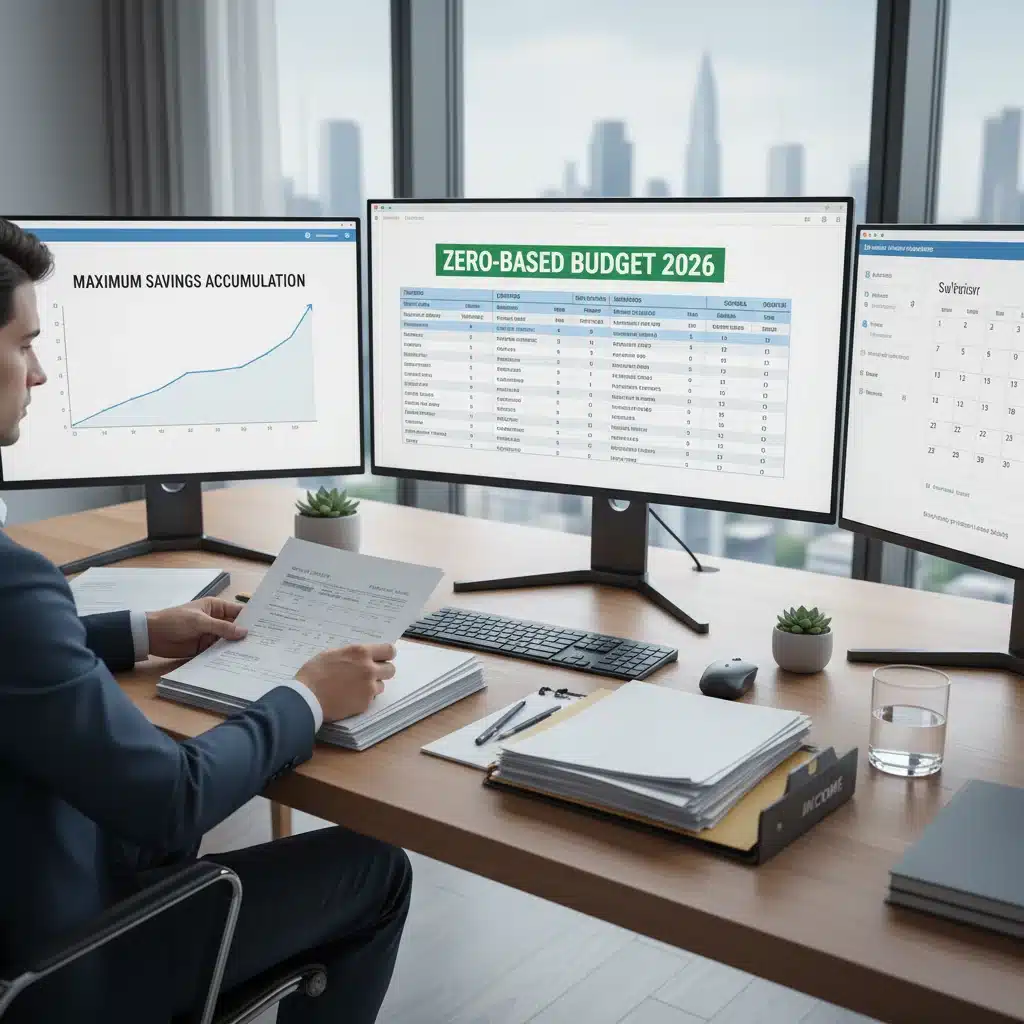
As we step further into the financial landscape of 2026, the pursuit of financial stability and growth remains a top priority for individuals and households alike. In an era marked by economic shifts and evolving spending habits, the need for robust and effective budgeting strategies has never been more critical. Among the myriad of approaches, Zero-Based Budgeting stands out as a powerful methodology designed to maximize savings and instill a profound sense of financial control. This comprehensive guide will delve into the intricacies of Zero-Based Budgeting, comparing three distinct methods to help you identify the most suitable path to achieving your financial aspirations in 2026.
The Core Philosophy of Zero-Based Budgeting
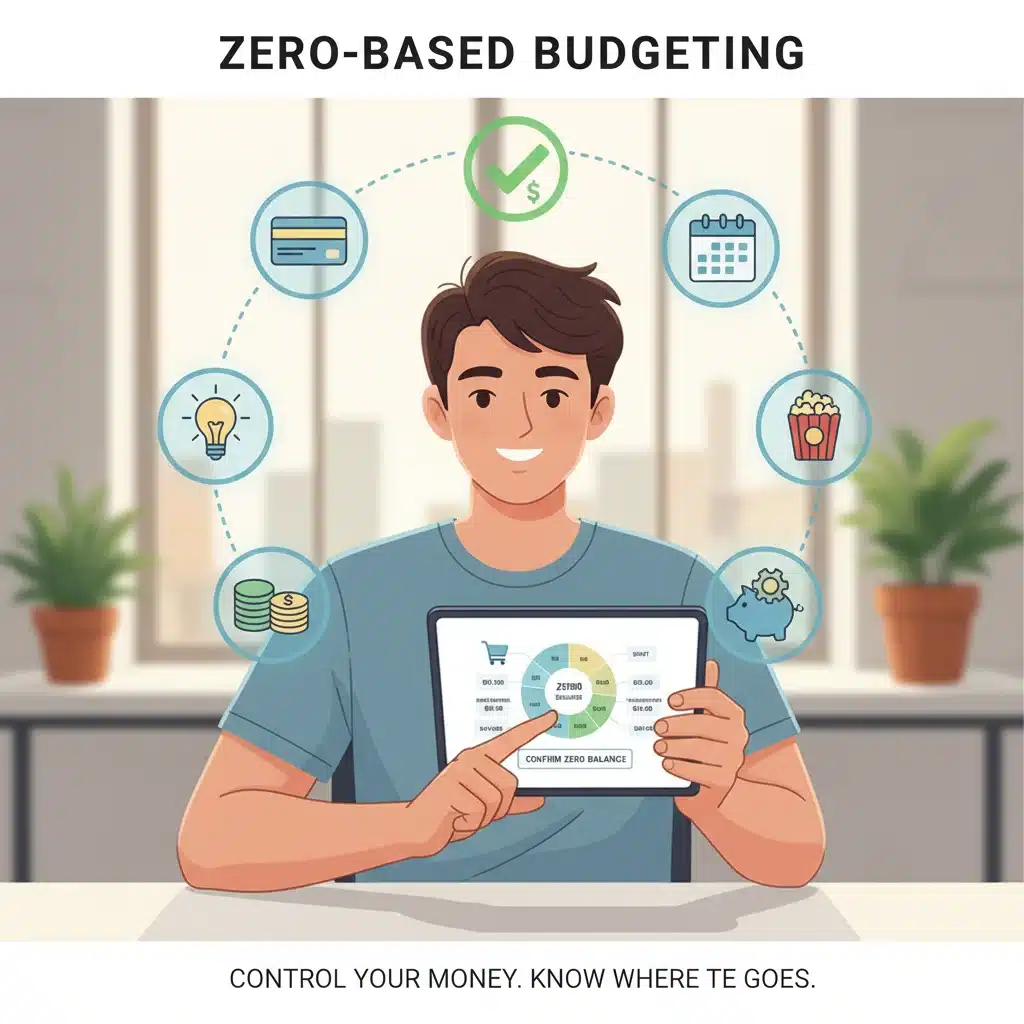
At its heart, Zero-Based Budgeting (ZBB) is a budgeting approach that allocates every single dollar of your income to a specific purpose. Unlike traditional budgeting methods where you might simply track your spending against pre-set categories, ZBB requires you to justify every expense and assign a role to every dollar. The goal is simple: your income minus your expenses should equal zero. This doesn’t mean you spend all your money; rather, it means every dollar is given a job, whether that’s paying bills, saving for a down payment, investing, or contributing to a specific spending category.
The beauty of Zero-Based Budgeting lies in its proactive nature. Instead of simply reacting to where your money goes, you are intentionally directing its flow. This fosters a heightened sense of awareness regarding your financial habits and empowers you to make conscious decisions about your spending. It forces you to scrutinize every line item, asking yourself if each expense aligns with your current financial goals and priorities. This rigorous approach can uncover hidden spending leaks, identify areas for reduction, and ultimately free up more capital for savings and investments.
Why Zero-Based Budgeting is Relevant for 2026
In 2026, with inflation and economic uncertainties still prevalent, having a clear and actionable budget is more important than ever. ZBB offers a dynamic framework that can adapt to changing financial circumstances. It encourages regular review and adjustment, ensuring your budget remains a living document that reflects your current reality. For many, the past few years have highlighted the importance of an emergency fund and robust savings. Zero-Based Budgeting provides an excellent mechanism to build these financial safety nets efficiently and effectively.
Moreover, the rise of digital tools and financial apps has made implementing ZBB more accessible than ever. These platforms can automate much of the tracking and categorization, reducing the manual effort traditionally associated with this method. This blend of a disciplined financial philosophy with modern technological conveniences makes ZBB a highly relevant and powerful tool for financial management in the current year and beyond.
Method 1: Traditional Zero-Based Budgeting (The Envelope System)
The traditional approach to Zero-Based Budgeting often involves a physical or digital adaptation of the ‘envelope system.’ This method is particularly effective for those who benefit from tangible money management and clear visual boundaries for their spending.
How it Works
With the traditional method, you categorize all your expenses. After allocating funds for fixed expenses like rent/mortgage, loan payments, and utilities, you then assign specific amounts of money to variable spending categories such as groceries, entertainment, dining out, and personal care. The key differentiator is that you physically (or digitally, using dedicated apps) separate cash into envelopes or virtual accounts for each category. Once an envelope is empty, you stop spending in that category until the next budgeting period (usually the next payday).
For example, if you allocate $400 for groceries for the month, you would put $400 cash into your ‘Groceries’ envelope. Each time you buy groceries, you take money from that envelope. When the envelope is empty, you know you’ve reached your limit. This immediate feedback mechanism is incredibly powerful for curbing overspending.
Pros of Traditional Zero-Based Budgeting
- Tangible Control: For many, physically handling money creates a stronger psychological barrier against overspending.
- Clear Limits: The ‘when it’s gone, it’s gone’ rule is very effective.
- Reduced Debt: By limiting spending to available cash, you naturally reduce reliance on credit cards for discretionary purchases.
- Increased Awareness: Every purchase requires a conscious decision to take money from a specific envelope, enhancing awareness of where your money is going.
Cons of Traditional Zero-Based Budgeting
- Cash Management: Carrying significant amounts of cash can be inconvenient and risky.
- Digital Transactions: It can be challenging to integrate with a world increasingly reliant on credit/debit cards and online payments.
- Less Flexibility: Once money is allocated to an envelope, it can feel restrictive to move it between categories, though it’s certainly possible.
- Time-Consuming: Requires consistent tracking and management of physical funds or multiple digital accounts.
Who is it For?
- Individuals who struggle with impulse spending.
- Those who prefer tactile financial management.
- People looking to significantly reduce credit card debt.
- Anyone seeking a highly disciplined and hands-on approach to their finances.
In 2026, while physical cash is less common, many digital banking apps offer features that mimic the envelope system, allowing you to create sub-accounts or ‘pots’ for different spending categories. This modern adaptation can provide the benefits of the traditional method without the drawbacks of carrying cash.
Method 2: Minimalist Zero-Based Budgeting (The ‘Why’ Budget)
The Minimalist Zero-Based Budgeting approach focuses on simplifying the budgeting process by deeply questioning the necessity of every expense. It’s less about strict categorization and more about intentional spending aligned with core values and financial goals.
How it Works
Instead of creating dozens of specific categories, the minimalist approach often boils down to a few broad categories: Needs, Wants, and Savings/Debt Repayment. The ‘zero’ aspect comes from meticulously assigning every dollar to one of these broad categories, but with a critical eye. Before allocating funds to a ‘Want,’ you ask yourself: ‘Does this truly add value to my life? Is there a more cost-effective way to achieve this? Does this align with my long-term financial objectives?’
This method prioritizes understanding the ‘why’ behind each expense. It encourages a shift in mindset from simply categorizing spending to consciously choosing where your money goes based on your deepest financial priorities. For instance, rather than having a ‘dining out’ envelope, you might decide that your ‘Wants’ category includes a specific amount for experiences, and dining out falls under that, but only if it’s a truly meaningful experience, not just a casual habit.
Pros of Minimalist Zero-Based Budgeting
- Simplicity: Fewer categories mean less administrative overhead.
- Value Alignment: Encourages spending that genuinely aligns with personal values and financial goals.
- Reduced Decision Fatigue: By pre-deciding what truly matters, day-to-day spending decisions become easier.
- Focus on Big Picture: Shifts focus from granular tracking to overarching financial objectives.
Cons of Minimalist Zero-Based Budgeting
- Less Granular Control: Might not be suitable for those who need precise tracking of every dollar in minute detail.
- Requires Strong Self-Discipline: Without strict categories, it relies heavily on intrinsic motivation and conscious decision-making.
- Potential for Overspending in Broad Categories: If not disciplined, broad ‘Wants’ categories can become a catch-all for unnecessary expenses.
Who is it For?
The Minimalist Zero-Based Budgeting method is ideal for:
- Individuals who find traditional budgeting too restrictive or complex.
- Those who prioritize intentional living and spending aligned with their values.
- People who already have a good handle on their spending habits but want to optimize further.
- Anyone looking to declutter their financial life and focus on what truly matters.
In 2026, as many seek to reduce mental clutter and live more intentionally, this minimalist approach to Zero-Based Budgeting offers a refreshing alternative to overly complex financial systems. It’s about making peace with your money by ensuring every dollar serves a purpose you genuinely believe in.
Method 3: Digital Zero-Based Budgeting (App-Driven Approach)
The digital approach to Zero-Based Budgeting leverages technology to automate tracking, categorization, and reporting, making the process more efficient and often more engaging for tech-savvy individuals.
How it Works
This method utilizes budgeting apps and software that link directly to your bank accounts and credit cards. Upon receiving income, you allocate every dollar within the app to various digital categories. The app then automatically tracks your spending, categorizes transactions, and provides real-time updates on your budget progress. Many apps offer features like setting financial goals, creating sinking funds (specific savings for future expenses), and generating reports to visualize your spending patterns.
The ‘zero’ aspect is maintained by ensuring that after all expenses and savings goals are accounted for, your ‘budgeted’ amount equals your ‘income.’ If you overspend in one category, the app might prompt you to ‘cover’ that overspending by reallocating funds from another category, thus maintaining the zero balance. This dynamic adjustment is a hallmark of effective digital ZBB.
Pros of Digital Zero-Based Budgeting
- Automation: Automatic transaction import and categorization save significant time and effort.
- Real-Time Tracking: Instant updates on spending and budget status.
- Accessibility: Access your budget anywhere, anytime, from your smartphone or computer.
- Visual Insights: Many apps provide graphs and charts that help visualize spending habits and progress towards goals.
- Flexibility: Easy to adjust categories and move funds digitally as needed.
Cons of Digital Zero-Based Budgeting
- Subscription Costs: Many popular ZBB apps come with a monthly or annual fee.
- Learning Curve: Some apps can be complex and require time to learn their full functionality.
- Data Security Concerns: Linking bank accounts raises privacy and security considerations for some users.
- Reliance on Technology: Requires consistent access to devices and internet connectivity.
Who is it For?
The Digital Zero-Based Budgeting method is ideal for:
- Tech-savvy individuals comfortable with using apps for financial management.
- People who want to automate as much of their budgeting process as possible.
- Those who benefit from visual data and real-time financial insights.
- Individuals seeking a flexible and dynamic budgeting system that can easily adapt to changes.
In 2026, with advancements in AI and user-friendly interfaces, digital ZBB apps are becoming increasingly sophisticated, offering personalized insights and proactive advice, making them an indispensable tool for modern financial planning.
Comparing the Three Zero-Based Budgeting Methods for 2026
To help you make an informed decision, let’s directly compare these three methods across key aspects relevant to your financial journey in 2026.
Ease of Setup and Maintenance
- Traditional ZBB: Can be quick to set up if you’re comfortable with cash, but ongoing maintenance requires discipline in managing physical funds or multiple bank accounts.
- Minimalist ZBB: Easiest to set up due to fewer categories, but ongoing maintenance demands consistent self-reflection and adherence to guiding principles.
- Digital ZBB: Initial setup involves linking accounts and learning the app, but daily maintenance is largely automated, requiring only periodic review and adjustment.
Level of Control and Granularity
- Traditional ZBB: Offers high, tangible control over specific spending categories, making overspending immediately apparent.
- Minimalist ZBB: Provides broad control over major financial flows (Needs, Wants, Savings), but less granular insight into specific sub-categories unless manually tracked.
- Digital ZBB: Combines high granularity with automation, allowing for detailed tracking of every transaction while providing an overview of overall budget health.
Adaptability to Changing Financial Circumstances
- Traditional ZBB: Can be adapted by reallocating cash, but physical movement of funds can be cumbersome.
- Minimalist ZBB: Highly adaptable as it focuses on principles rather than rigid rules, allowing for easy shifts in priorities.
- Digital ZBB: Extremely adaptable with built-in features for reallocating funds, creating new categories, and adjusting goals on the fly.
Impact on Financial Behavior
- Traditional ZBB: Excellent for developing conscious spending habits and breaking reliance on credit.
- Minimalist ZBB: Fosters intentional spending, promotes financial mindfulness, and aligns spending with personal values.
- Digital ZBB: Provides real-time feedback and visual aids that can reinforce positive financial behaviors and goal achievement.
Choosing the Right Zero-Based Budgeting Method for You in 2026
The ‘best’ Zero-Based Budgeting method isn’t universal; it depends entirely on your personal financial situation, your personality, and your comfort level with different tools. Here are some considerations to guide your choice:
Consider Your Personality and Habits
- If you are a tactile learner and struggle with abstract numbers, the Traditional (Envelope System) ZBB might be your best bet. The physical act of handling money can be a powerful deterrent to overspending.
- If you prefer simplicity, value alignment, and have a good degree of self-discipline, the Minimalist ZBB could help you refine your spending to truly reflect your priorities without getting bogged down in details.
- If you are tech-savvy, appreciate automation, and thrive on data and real-time insights, Digital ZBB will likely provide the most efficient and empowering experience.
Assess Your Financial Goals for 2026
- Are you trying to aggressively pay down debt? The strict limits of Traditional ZBB or the focused allocation of Digital ZBB can be very effective.
- Are you saving for a major purchase or investment? All three methods can be adapted, but Digital ZBB often has dedicated features for tracking specific savings goals.
- Are you simply looking to gain better control over your discretionary spending? Any of the methods will help, but the Minimalist approach might offer the least friction while still providing significant insight.
Think About Your Current Financial Complexity
- If you have multiple income streams, investments, and complex financial obligations, a Digital ZBB app might be necessary to manage everything efficiently.
- If your finances are relatively straightforward, a Traditional or Minimalist approach might suffice and even be preferred for its simplicity.
Tips for Successful Zero-Based Budgeting in 2026, Regardless of Method
No matter which Zero-Based Budgeting method you choose, certain universal principles will contribute to your success:
- Be Realistic: Don’t cut expenses so drastically that your budget becomes unsustainable. Start with realistic allocations and adjust as needed.
- Track Every Dollar: The core of ZBB is giving every dollar a job. Ensure no income goes unaccounted for.
- Regularly Review and Adjust: Your budget is not set in stone. Review it weekly or bi-weekly. Life happens, and your budget should reflect changes in your income or expenses.
- Build an Emergency Fund: Always prioritize saving for unexpected expenses. ZBB provides a clear path to allocating funds specifically for this purpose.
- Automate Savings: Set up automatic transfers to your savings or investment accounts immediately after payday. Treat savings as a non-negotiable expense.
- Be Patient and Persistent: It takes time to master any new financial system. Don’t get discouraged by initial setbacks. Learn from them and keep going.
- Celebrate Small Wins: Acknowledge your progress, no matter how small. This positive reinforcement can keep you motivated on your financial journey.
The Future of Zero-Based Budgeting: What to Expect in 2026 and Beyond
The landscape of personal finance is ever-evolving, and Zero-Based Budgeting is no exception. In 2026 and the years to come, we can anticipate several trends that will further enhance its effectiveness and accessibility:
AI-Powered Budgeting Insights
Expect more sophisticated AI and machine learning integrated into digital budgeting tools. These technologies will move beyond simple categorization to offer predictive insights into spending patterns, suggest optimal budget adjustments based on your goals, and even identify potential overspending before it happens. Imagine an app that proactively suggests reallocating funds from dining out to your travel fund because it recognizes your long-term goal.
Hyper-Personalization
Budgeting tools will become even more tailored to individual needs. Beyond basic categories, apps will learn your unique spending triggers, financial anxieties, and motivational factors, offering personalized nudges and strategies that resonate specifically with you. This could mean different interfaces or default settings based on your financial personality.
Integration with Broader Financial Ecosystems
Zero-Based Budgeting platforms will likely integrate more seamlessly with other financial services, such as investment platforms, credit score monitoring, and even tax preparation software. This holistic view of your finances will simplify management and provide a more comprehensive picture of your wealth-building journey.
Gamification and Behavioral Economics
To combat budget fatigue, more tools will incorporate elements of gamification – challenges, rewards, and progress tracking – to make budgeting more engaging and fun. Insights from behavioral economics will be applied to subtly guide users towards better financial decisions, leveraging psychological principles to encourage saving and discourage impulsive spending.
Enhanced Security and Privacy
As digital tools become more prevalent, the focus on robust security measures and transparent data privacy policies will intensify. Users can expect advanced encryption, multi-factor authentication, and clear controls over how their financial data is used, building greater trust in these powerful platforms.
Conclusion: Empowering Your Financial Future with Zero-Based Budgeting in 2026
In conclusion, Zero-Based Budgeting, in its various forms, offers a powerful and transformative approach to personal finance. Whether you gravitate towards the tangible control of the traditional envelope system, the intentional simplicity of the minimalist method, or the automated efficiency of digital apps, the underlying principle remains the same: every dollar has a job.
By consciously assigning a purpose to all your income, you gain unparalleled clarity and control over your financial resources. This isn’t just about saving money; it’s about making deliberate choices that align with your values, accelerate your financial goals, and ultimately lead to a more secure and fulfilling financial future.
As 2026 unfolds, take the time to explore these Zero-Based Budgeting methods. Experiment, adapt, and find the approach that empowers you to become the master of your money. The effort you put in now will pay dividends in greater peace of mind, reduced financial stress, and the realization of your deepest financial aspirations. Start your zero-based budgeting journey today and redefine your relationship with money for a brighter tomorrow.