Avoid Devaluation: 3 Critical Loyalty Program Changes to Watch for in 2026 Across Major US Retailers.
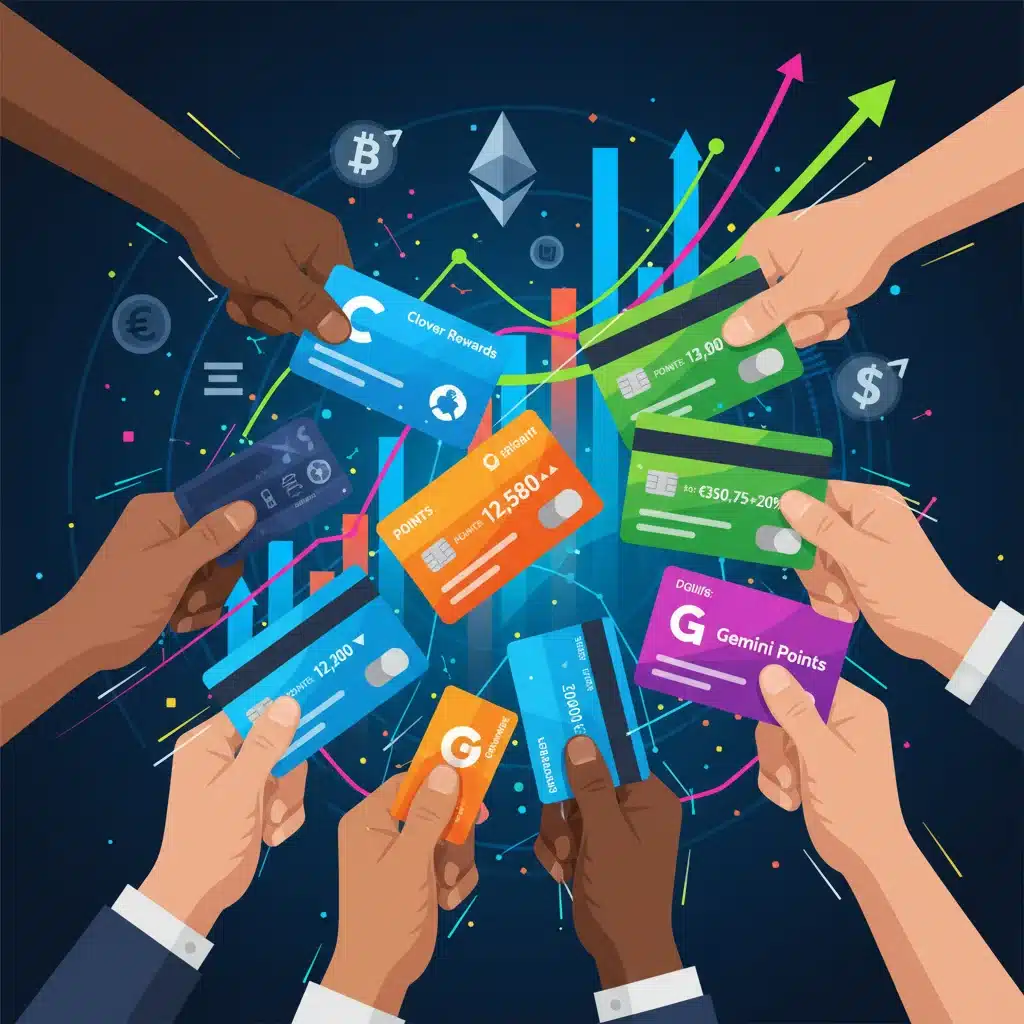
In the dynamic landscape of retail, customer loyalty programs have long served as a cornerstone for fostering repeat business and building strong brand relationships. However, as technology evolves, consumer expectations shift, and economic pressures fluctuate, these programs are constantly under scrutiny and adaptation. For savvy shoppers and dedicated brand enthusiasts, staying informed about impending changes is not just about maximizing rewards; it’s about safeguarding the value they’ve painstakingly accumulated. As we look ahead to 2026, a confluence of factors suggests that major US retailers are poised to implement significant loyalty program changes that could profoundly impact how consumers earn and redeem points, perks, and privileges.
The year 2026 is shaping up to be a pivotal moment for retail loyalty. Several key trends are converging, pushing retailers to rethink their strategies. From the increasing sophistication of data analytics and artificial intelligence to the growing demand for personalized experiences and the ever-present challenge of managing program costs, the pressure to innovate is immense. For consumers, this could mean anything from enhanced benefits and more tailored offers to, unfortunately, the dreaded ‘devaluation’ – a reduction in the worth of their hard-earned points or status. Understanding these shifts early can empower you to adjust your strategies, ensuring you continue to extract maximum value from your favorite retail loyalty programs.
This comprehensive guide will delve into three critical loyalty program changes that are highly anticipated from major US retailers by 2026. We’ll explore the underlying reasons for these shifts, discuss their potential implications for consumers, and, most importantly, provide actionable advice on how to navigate this evolving landscape to avoid devaluation and continue to thrive within your preferred loyalty ecosystems. Whether you’re a casual shopper or a loyalty program aficionado, preparing for these changes now will put you in a prime position to adapt and win.
The Rise of Hyper-Personalization: Tailoring Rewards to Individual Behavior
One of the most significant loyalty program changes expected by 2026 is the widespread adoption of hyper-personalization. While personalization in loyalty programs isn’t new, the level of sophistication and granular detail is set to reach unprecedented heights. Driven by advances in artificial intelligence (AI), machine learning (ML), and big data analytics, retailers will move beyond basic segmentation to offer truly individualized rewards, offers, and experiences based on a deep understanding of each customer’s purchasing history, browsing behavior, demographic data, and even real-time contextual information.
Historically, loyalty programs often operated on a ‘one-size-fits-all’ or broad-segmentation approach. Customers might receive generic birthday discounts or category-specific promotions based on their general spending habits. However, the future of retail loyalty will see algorithms analyzing vast datasets to predict individual preferences and future purchasing patterns with remarkable accuracy. Imagine a scenario where a specific offer for a new pair of running shoes appears in your app just as your current ones are nearing their typical wear-out period, or a discount on organic produce is offered because your past purchases indicate a strong preference for healthy eating. This isn’t just about convenience; it’s about creating a seamless, intuitive, and highly relevant loyalty experience that feels uniquely crafted for you.
Why Hyper-Personalization is Becoming Essential
- Increased Customer Engagement: Generic offers often get ignored. Personalized recommendations and rewards are far more likely to capture attention and drive action, leading to higher engagement rates with the loyalty program itself.
- Enhanced Customer Lifetime Value (CLV): By consistently providing relevant value, retailers can deepen customer relationships, encourage more frequent purchases, and ultimately increase the long-term value of each customer.
- Competitive Differentiation: In a crowded retail market, a truly personalized loyalty experience can be a powerful differentiator, attracting and retaining customers who seek more than just transactional discounts.
- Optimized Marketing Spend: Instead of broad, untargeted campaigns, hyper-personalization allows retailers to allocate marketing resources more efficiently, ensuring that the right offer reaches the right customer at the right time.
Implications for Consumers and Avoiding Devaluation
For consumers, this shift means that the value you derive from a loyalty program will increasingly depend on your engagement and the data you share. While this can lead to incredibly rewarding and pertinent offers, it also carries the potential for a subtle form of devaluation if you’re not paying attention. If a retailer hyper-personalizes offers based on your perceived value to them, those deemed ‘less valuable’ might receive fewer or less lucrative rewards. The key to avoiding this lies in active participation and strategic engagement.
How to Prepare:
- Opt-In and Provide Accurate Data: Ensure you’ve opted into all communication channels and that your profile information (preferences, interests, etc.) is up-to-date. The more accurate data the retailer has, the better they can personalize offers that genuinely appeal to you.
- Engage Consistently: Don’t just shop; interact with the brand. Open emails, click on relevant offers, browse their website, and use their app. These interactions provide valuable data points that can lead to better personalized rewards.
- Understand Your Value: Pay attention to the types of offers you receive. If you notice a decline in relevant or valuable offers, it might be a signal to re-evaluate your engagement with that particular program or explore alternatives.
- Leverage Tiered Programs: Many major retailers already employ tiered loyalty programs. Hyper-personalization will likely amplify the benefits for higher tiers. If you frequently shop at a particular retailer, strategically aiming for a higher tier can unlock more exclusive and personalized perks.
The privacy implications of hyper-personalization are also a significant consideration. While retailers will heavily emphasize the benefits of tailored experiences, consumers should remain vigilant about how their data is collected, stored, and used. Understanding a retailer’s privacy policy will become even more crucial in this new era of hyper-personalized loyalty.
Integration with Digital Wallets and Contactless Payments: Seamless Earning and Redemption
The second major loyalty program change anticipated by 2026 is the deeper and more seamless integration of loyalty programs with digital wallets and contactless payment systems. While many programs already offer digital cards or app-based redemption, the future will see this integration become the default, significantly streamlining the earning and redeeming process and making physical loyalty cards largely obsolete.
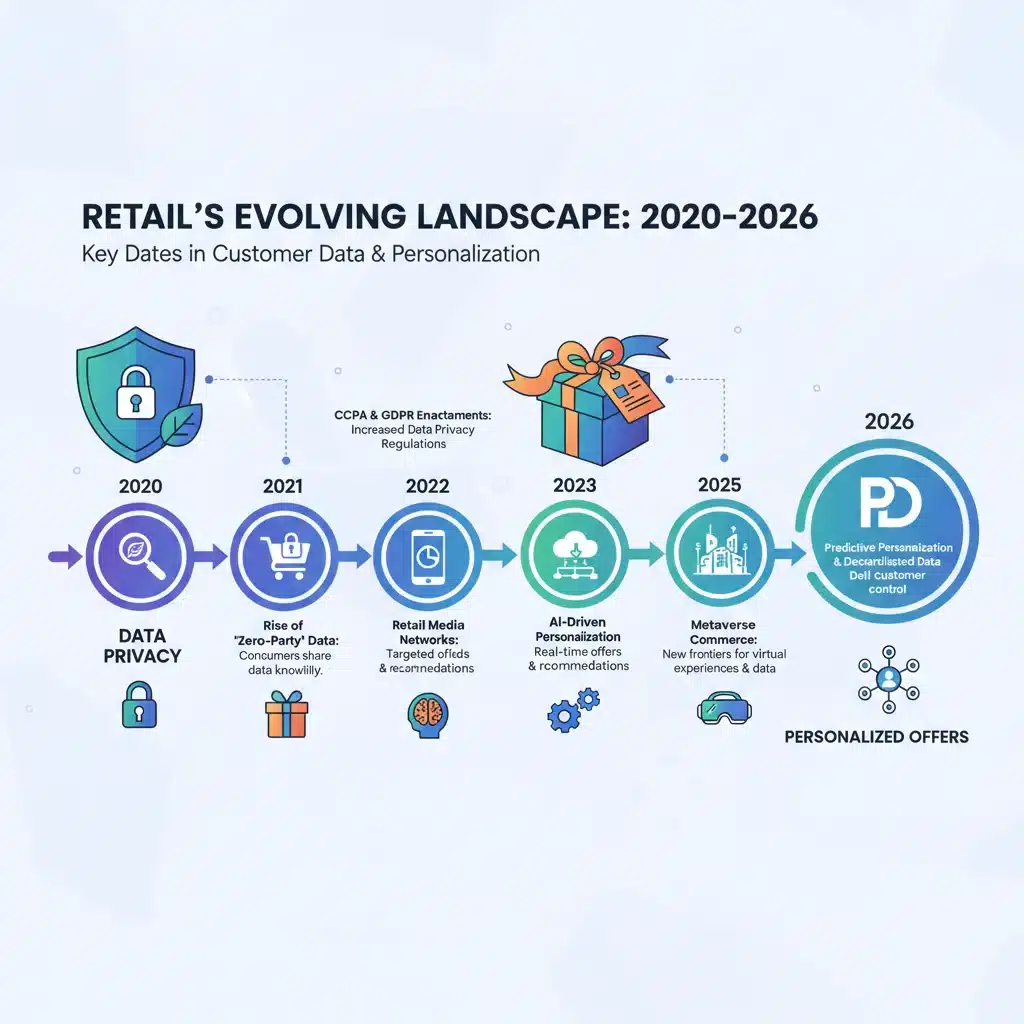
Imagine a scenario where loyalty points are automatically applied at checkout simply by tapping your phone or watch, without needing to scan a separate barcode or verbally provide your loyalty number. This level of integration aims to eliminate friction points, making loyalty participation effortless and intrinsically linked to the payment experience. Major retailers are investing heavily in technologies that allow their loyalty programs to ‘live’ within popular digital wallets like Apple Pay, Google Pay, and Samsung Pay, as well as their own proprietary payment apps.
The Driving Forces Behind This Integration
- Enhanced Customer Convenience: The primary driver is to make participation in loyalty programs as easy as possible. Reducing steps at checkout improves the customer experience and encourages consistent engagement.
- Increased Adoption of Contactless Payments: The pandemic significantly accelerated the adoption of contactless payments. Retailers are capitalizing on this trend by embedding loyalty directly into these familiar payment methods.
- Real-time Redemption Opportunities: Seamless integration allows for instant point redemption at the point of sale, offering immediate gratification and a clear demonstration of loyalty program value.
- Richer Data Collection: When loyalty is tied directly to payment, retailers gain a more complete picture of transaction data, which can then feed into the hyper-personalization efforts mentioned earlier.
Implications for Consumers and Avoiding Devaluation
For consumers, this integration offers unparalleled convenience, making it easier than ever to earn and redeem rewards. However, it also means staying updated with technology and ensuring your digital wallet settings are optimized. Devaluation in this context might not be about point value but about missing out on opportunities due to a lack of awareness or technical setup.
How to Prepare:
- Embrace Digital Wallets: If you haven’t already, start using digital wallets for your everyday purchases. Familiarize yourself with how to add loyalty cards and payment methods to these platforms.
- Link Your Accounts: Actively link your retail loyalty accounts to your digital wallet apps or the retailer’s proprietary payment apps. Many retailers will offer incentives for doing so.
- Review App Settings: Regularly check the settings within your digital wallet and retailer apps to ensure loyalty preferences are set correctly for automatic earning and redemption, where applicable.
- Stay Informed on Retailer App Updates: Retailers will continually update their apps to improve this integration. Keep your apps updated and pay attention to notifications about new features related to loyalty and payments.
The convenience of this integration is a clear win for consumers, but it also places a greater emphasis on digital literacy and proactive management of your loyalty accounts within these digital ecosystems. Those who are slow to adopt these technologies might find themselves missing out on the most streamlined and rewarding loyalty experiences.
The Shift Towards Experiential Rewards and Non-Monetary Benefits: Beyond Discounts and Points
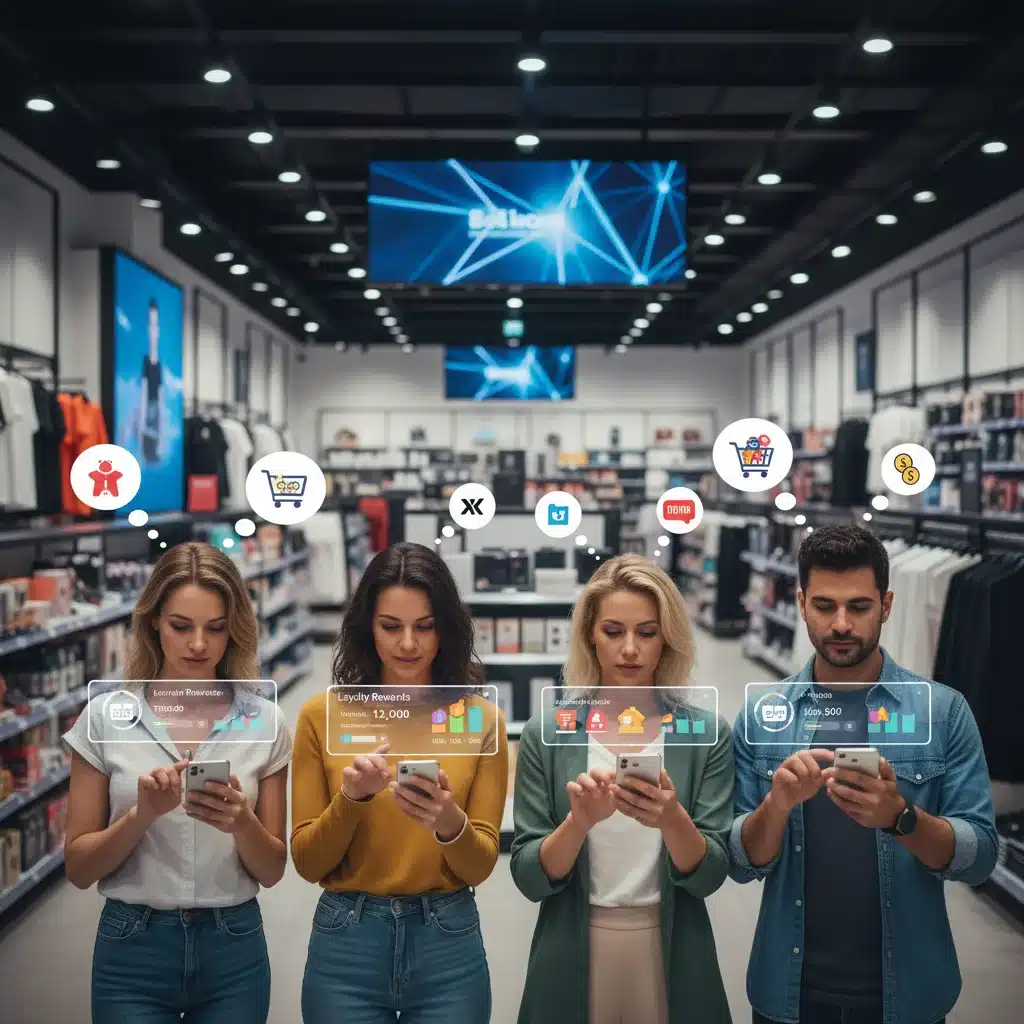
The third critical loyalty program change by 2026 will be a notable shift away from purely transactional rewards (like points for discounts) towards a greater emphasis on experiential rewards and non-monetary benefits. While discounts and points will certainly remain, major US retailers are recognizing that true loyalty is built on more than just price. Consumers, particularly younger generations, are increasingly valuing unique experiences, exclusive access, and a sense of community over simple monetary savings.
This trend is already visible in some high-tier programs, but by 2026, it will become more pervasive across a wider range of retailers and loyalty tiers. Experiential rewards could include early access to new products, invitations to exclusive events (e.g., fashion shows, cooking classes, product launches), personalized styling sessions, free workshops, priority customer service, or even charitable giving options where loyalty points can be donated. Non-monetary benefits might encompass things like free shipping without a minimum purchase, extended return windows, dedicated customer support lines, or access to members-only content and communities.
Why Retailers are Prioritizing Experiential Rewards
- Deeper Emotional Connection: Experiences create lasting memories and foster a stronger emotional bond between the customer and the brand, moving beyond a purely transactional relationship.
- Enhanced Brand Perception: Offering unique experiences can elevate a brand’s image, positioning it as innovative, customer-centric, and premium.
- Reduced Devaluation Risk for Retailers: While points and discounts are a direct cost, experiences can sometimes be leveraged more creatively, using existing assets (e.g., store space for events, staff for workshops) or partnerships, potentially offering higher perceived value at a lower direct cost to the retailer.
- Attracting and Retaining New Demographics: Younger consumers, in particular, are often more drawn to unique experiences and social connections than traditional discounts, making these rewards crucial for future growth.
Implications for Consumers and Avoiding Devaluation
For consumers, this shift presents exciting opportunities to engage with brands in new and meaningful ways. However, it also requires a re-evaluation of what ‘value’ means within a loyalty program. Devaluation here might not be about points losing worth, but about a program becoming less appealing if its new benefits don’t align with your personal preferences.
How to Prepare:
- Define Your ‘Value’: Consider what truly motivates you. Are you still primarily driven by discounts, or would you prefer exclusive access, unique experiences, or enhanced service? Understanding your preferences will help you choose programs that align with your definition of value.
- Explore Program Tiers and Benefits: Actively review the higher tiers of your favorite loyalty programs. Many experiential rewards are often reserved for top-tier members. Understand what it takes to reach those tiers and if the benefits are worth the effort.
- Engage with Brand Communities: If a retailer offers member-only communities or content, participate. This not only signals your engagement but can also lead to discovering exclusive opportunities.
- Provide Feedback: If you receive offers for experiential rewards, provide feedback on what you liked or disliked. This helps retailers tailor future offerings, increasing the likelihood of receiving benefits you genuinely appreciate.
This strategic pivot means that consumers will need to be more discerning about which loyalty programs they invest their time and spending into. A program that once offered generous point accumulations might shift its focus, making it less attractive if experiential rewards don’t resonate with your interests. The key is to adapt your loyalty strategy to match the evolving offerings of the retailers.
The Underlying Force: Data-Driven Decision Making
It’s crucial to recognize that all three of these anticipated loyalty program changes – hyper-personalization, digital wallet integration, and the shift to experiential rewards – are fundamentally underpinned by one overarching trend: sophisticated data-driven decision-making. Retailers are no longer guessing what customers want; they are meticulously analyzing vast quantities of data to understand behaviors, predict preferences, and optimize program structures for maximum profitability and customer engagement.
Every click, every purchase, every interaction with a brand’s app or website contributes to a comprehensive customer profile. This data allows retailers to identify their most valuable customers, understand what motivates different segments, and tailor their loyalty offerings accordingly. For example, data might reveal that a certain demographic values early access to products more than a percentage-off coupon, or that customers who engage with personalized email campaigns have a significantly higher lifetime value.
The Role of AI and Machine Learning
Artificial intelligence and machine learning are the engines driving this data revolution. These technologies enable retailers to:
- Predict Churn: Identify customers who are at risk of leaving and proactively offer targeted incentives to retain them.
- Optimize Reward Allocation: Determine the most effective types and values of rewards to offer to individual customers to maximize engagement and profitability.
- Automate Personalization: Deliver real-time, personalized offers and communications at scale, something impossible with manual processes.
- Detect Fraud: Enhance program security by identifying suspicious activity and preventing abuse of rewards.
Consumer Awareness is Key
For consumers, this data-driven approach means that transparency and control over your data will become increasingly important. While the benefits of personalized experiences are clear, understanding how your data is being used and having the option to manage your privacy settings will be paramount. Retailers that prioritize data privacy and offer clear communication about their practices will likely build greater trust with their loyalty members.
Navigating the Future of Retail Loyalty: Your Action Plan
As we approach 2026, the retail loyalty landscape is set for significant transformation. The anticipated loyalty program changes are not random adjustments but strategic pivots driven by technological advancements, evolving consumer expectations, and the relentless pursuit of deeper customer relationships. To avoid devaluation and continue to maximize your rewards, a proactive and informed approach is essential.
Key Takeaways and Actionable Steps:
- Stay Informed and Engaged: Regularly check the terms and conditions of your favorite loyalty programs. Read emails and app notifications from retailers, as these will often announce upcoming changes. Engage with their digital platforms to show your activity.
- Diversify Your Loyalty Portfolio: Don’t put all your loyalty eggs in one basket. While focusing on a few key programs can help you reach higher tiers, also maintain a diverse portfolio to mitigate the risk of a single program’s devaluation impacting all your rewards.
- Prioritize Programs Aligned with Your Spending: Focus your efforts on programs from retailers where you naturally spend the most. This makes it easier to earn significant rewards and reach higher tiers, which are often less susceptible to devaluation and offer more exclusive benefits.
- Understand the Value Proposition: Beyond just points, evaluate the overall value proposition of each program. Do the personalized offers resonate? Are the experiential rewards appealing? Does the seamless digital integration enhance your shopping experience?
- Be Mindful of Expiration Dates: With potential shifts in program structures, pay extra attention to point expiration policies. Use your points strategically before any announced changes take effect.
- Leverage Credit Card Partnerships: Many major retailers have co-branded credit cards that offer accelerated earning rates and exclusive benefits within their loyalty programs. These can be powerful tools for maximizing rewards, but always use them responsibly.
- Provide Feedback: Don’t hesitate to provide feedback to retailers about their loyalty programs. Your input, especially if aggregated with others, can influence future program development.
The future of retail loyalty is bright for those who are prepared to adapt. By understanding the impending shifts towards hyper-personalization, seamless digital integration, and experiential rewards, you can strategically navigate the evolving landscape. These loyalty program changes represent not just challenges, but also opportunities to forge deeper, more rewarding relationships with the brands you love, ensuring that your loyalty continues to be recognized and generously rewarded well into 2026 and beyond.