Consumer Alert: Spotting Fake Deals – 7 Red Flags to Avoid Losing Money on Online Shopping in 2026
Consumer Alert: Spotting Fake Deals – 7 Red Flags to Avoid Losing Money on Online Shopping in 2026
In the rapidly evolving landscape of online commerce, the allure of a great deal is often too strong to resist. As we navigate 2026, online shopping continues to offer unparalleled convenience and access to a vast array of products. However, with this convenience comes an increased risk of encountering deceptive practices and outright scams. The digital marketplace, while a boon for consumers, is also a fertile ground for those looking to exploit unsuspecting shoppers. Therefore, mastering the art of spotting fake deals has become an essential skill for anyone who shops online. This comprehensive guide will equip you with the knowledge to identify and avoid the most common pitfalls, ensuring your online shopping experience remains secure and satisfactory.
The internet is awash with enticing offers that promise significant savings, exclusive access, or limited-time opportunities. While many of these are legitimate, a growing number are carefully crafted traps designed to steal your money, personal information, or both. Understanding the psychology behind these scams and recognizing their common characteristics is your first line of defense. We’ll delve into seven critical red flags that every online shopper should be aware of, providing actionable advice and real-world examples to help you make informed decisions. By the end of this article, you’ll be much better prepared for spotting fake deals and protecting your financial well-being in the digital age.
The Rising Tide of Online Scams: Why Vigilance Is Key in 2026
The sophistication of online scams has reached new heights. What once were easily identifiable phishing attempts or obviously fraudulent websites have evolved into highly convincing imitations that can fool even the most tech-savvy individuals. Cybercriminals are constantly refining their techniques, leveraging advanced technology, social engineering tactics, and a deep understanding of consumer behavior to create seemingly legitimate offers. This makes spotting fake deals more challenging than ever.
In 2026, the global shift towards digital transactions has only amplified these risks. From social media ads promising unbelievable discounts to phishing emails mimicking reputable brands, the avenues for deception are manifold. The economic climate often plays a role too; during times of financial uncertainty, consumers are more eager to find bargains, making them more susceptible to offers that seem too good to be true. This heightened vulnerability underscores the importance of developing a keen eye for detail and a healthy skepticism towards unsolicited or overly attractive promotions. Our goal is to empower you to shop with confidence, armed with the tools for effective spotting fake deals.
Red Flag 1: Unbelievable Prices and Unrealistic Discounts
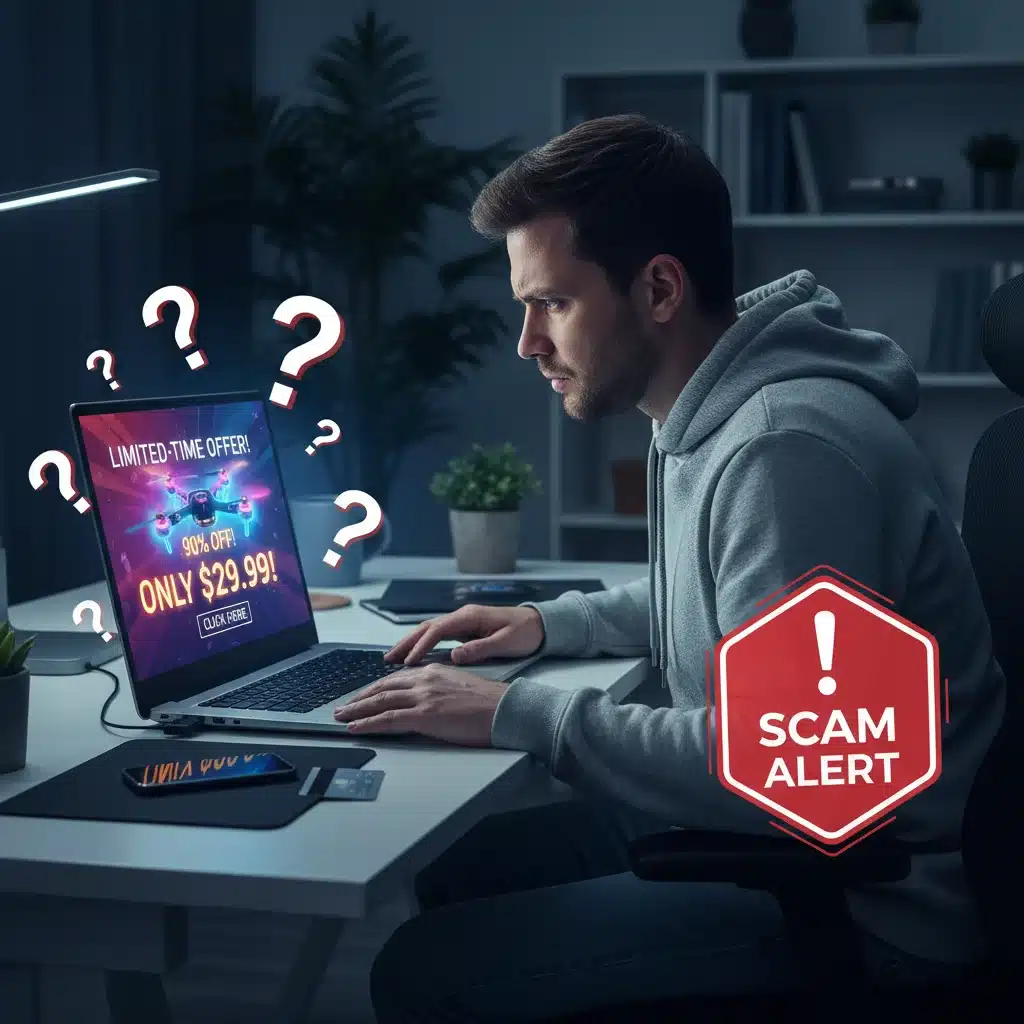
The most common and often the first indicator of a dubious offer is a price that seems too good to be true. While genuine sales and clearance events do exist, a discount of 70%, 80%, or even 90% off a high-demand, brand-new item should immediately raise suspicion. For example, finding a brand-new, top-tier smartphone or a luxury designer handbag at a fraction of its market price is highly improbable. Retailers operate on profit margins, and while they may offer significant discounts to clear old stock or for promotional events, they rarely sell items at a loss, especially popular ones.
When you encounter such a deal, pause and consider: Is this discount plausible for this particular item and brand? A quick comparison of prices across several reputable retailers can quickly reveal if the offer is an outlier. If every other store sells the item for significantly more, you’re likely looking at a scam. Scammers use these exaggerated discounts to create a sense of urgency and excitement, hoping you’ll act impulsively without proper due diligence. Remember, the primary goal of spotting fake deals is to protect your finances, and unrealistic pricing is often the loudest warning sign.
Red Flag 2: Urgent, High-Pressure Sales Tactics and Limited-Time Offers
Scammers thrive on urgency. They want you to make a decision quickly, without thinking too much or doing any research. Phrases like “Limited Stock!”, “Offer Ends in 10 Minutes!”, “Exclusive One-Time Deal!”, or “Only 3 Left!” are classic tactics designed to bypass your critical thinking. While legitimate businesses do use limited-time offers, the pressure applied by scammers is often overwhelming and aggressive.
Be wary of websites or emails that employ flashing banners, countdown timers, or pop-ups that incessantly urge you to complete a purchase. These tactics are designed to induce panic and prevent you from properly evaluating the offer. A genuine deal will allow you sufficient time to consider your purchase, compare prices, and read reviews. If you feel pressured to buy something immediately, it’s a strong indication that you might be dealing with a scam. Take a step back, close the tab, and if the deal is truly legitimate, it will likely still be there (or a similar one will appear) after you’ve had time to think. This calm assessment is crucial for spotting fake deals.
Red Flag 3: Poor Website Design, Spelling, and Grammar Errors
A legitimate e-commerce website, especially one representing a well-known brand, invests heavily in its online presence. This includes professional design, high-quality images, and impeccable language. Conversely, many scam websites are hastily put together, often featuring glaring red flags such as:
- Poor Quality Graphics and Layout: Blurry images, inconsistent branding, and an unprofessional overall appearance.
- Spelling and Grammatical Errors: Numerous typos, awkward phrasing, or grammatical mistakes throughout the site’s content, product descriptions, or terms and conditions. This is a tell-tale sign that the site is not professionally managed.
- Broken Links: Non-functional links to contact pages, privacy policies, or social media profiles.
- Lack of Comprehensive Information: Missing details about the company, its physical address, customer service contacts, or return policies.
Always inspect the website’s URL. Scam sites often use domain names that are slight variations of legitimate brands (e.g., “amaz0n.com” instead of “amazon.com” or “nike-store.net” instead of “nike.com”). Look for the padlock icon in the browser’s address bar, indicating an SSL certificate (HTTPS), which means the connection is secure. While an SSL certificate doesn’t guarantee legitimacy, its absence is a definite red flag. Paying attention to these details is vital for spotting fake deals.
Red Flag 4: Suspicious Payment Methods and Lack of Secure Options
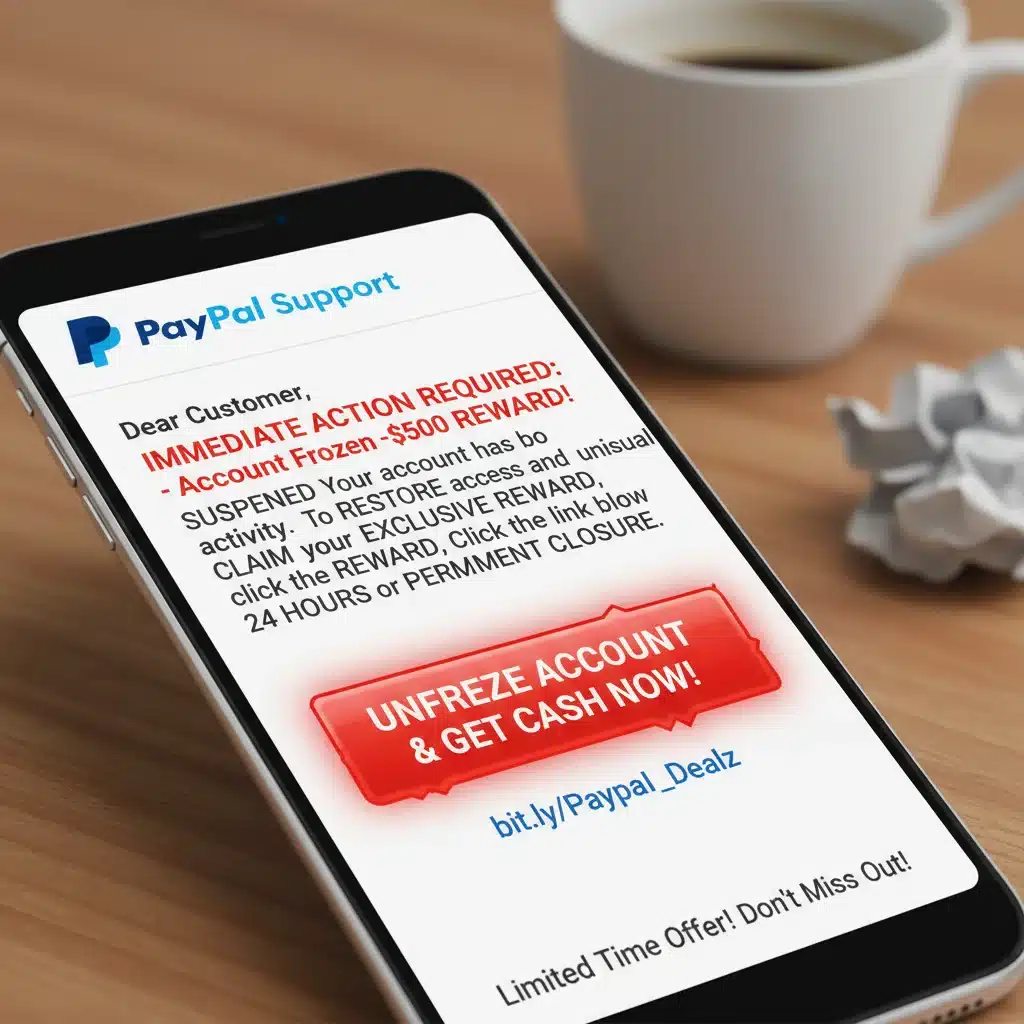
How a website asks you to pay is a critical indicator of its legitimacy. Reputable online retailers offer a variety of secure payment options, such as major credit cards (Visa, MasterCard, American Express), PayPal, Apple Pay, or Google Pay. These methods provide buyer protection and a dispute resolution process, offering a safety net if something goes wrong.
Be extremely wary of websites that only accept:
- Wire Transfers or Bank Transfers: These payments are almost impossible to trace or reverse once sent, making them a favorite for scammers.
- Cryptocurrency: While some legitimate businesses accept crypto, it’s still relatively uncommon for mainstream e-commerce, and like wire transfers, crypto transactions are irreversible.
- Gift Cards: A common scam involves asking for payment in the form of gift cards (e.g., iTunes, Amazon, Google Play). Once the codes are sent, the money is gone.
If a website pressures you to use an unconventional or non-traceable payment method, it’s a massive red flag. Always use credit cards for online purchases when possible, as they offer the most robust consumer protection against fraud. Verifying secure payment gateways is a key step in spotting fake deals.
Red Flag 5: Non-Existent or Poor Customer Reviews and Social Media Presence
Before making a significant purchase from an unfamiliar online store, always check for customer reviews and the company’s social media presence. A legitimate business will typically have a history of customer feedback on independent review platforms (like Trustpilot, Google Reviews, or Yelp) and active, engaging social media profiles.
What to look for:
- Lack of Reviews: If a supposed e-commerce store has no reviews at all, or only a handful of overly positive, generic reviews that seem fake, proceed with caution.
- Negative Reviews: A pattern of negative reviews, especially those mentioning non-delivery, faulty products, or poor customer service, is a clear warning sign.
- Inactive Social Media: A legitimate business will usually have an active presence on platforms like Facebook, Instagram, or Twitter, engaging with customers and posting regular updates. A scam site might have no social media links, or links to dormant, empty profiles.
- Fake Social Media Engagement: Be aware of profiles with thousands of followers but very little engagement (likes, comments) on posts, or comments that seem automated or unrelated to the content.
Take the time to do a quick search for “[website name] reviews” or “[website name] scam” to see what other people are saying. This external validation is crucial for spotting fake deals.
Red Flag 6: Requests for Excessive Personal Information
Legitimate online retailers only require information necessary to process your order and deliver your goods. This usually includes your name, shipping address, billing address, email, phone number, and payment details. Be extremely wary if a website asks for information that seems irrelevant to a purchase, such as:
- Your social security number (SSN) or national identification number.
- Your mother’s maiden name or other security question answers that you use for banking.
- Access to your bank account directly.
- Copies of your ID or passport for a standard purchase.
Such requests are highly suspicious and are often attempts at identity theft or phishing. Always question why certain information is being requested and whether it’s truly necessary for the transaction. If in doubt, err on the side of caution and do not provide the information. Protecting your personal data is as important as protecting your money when spotting fake deals.
Red Flag 7: Vague or Non-Existent Return, Refund, and Privacy Policies
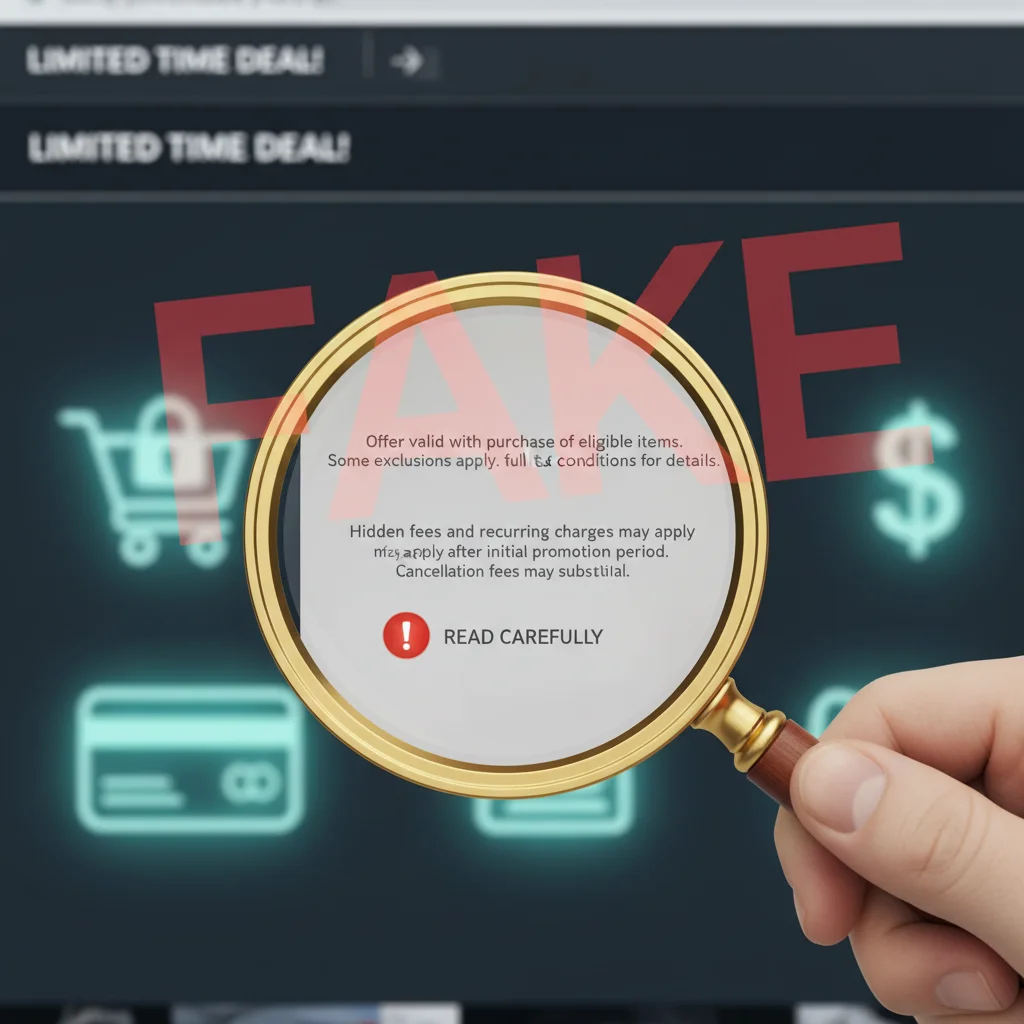
Every reputable online store will have clear, comprehensive, and easily accessible policies regarding returns, refunds, shipping, and privacy. These policies protect both the consumer and the business and are a sign of transparency and trustworthiness. When you’re evaluating a deal, take a moment to locate and read these policies.
Red flags to watch out for include:
- Missing Policies: The absence of any links to return, refund, or privacy policies.
- Vague or Confusing Language: Policies written in overly complex language, filled with jargon, or that are intentionally ambiguous.
- Unreasonable Conditions: Extremely short return windows, restock fees that are disproportionately high, or conditions that make returns virtually impossible.
- No Contact Information: While related to Red Flag 3, the lack of a clear customer service email, phone number, or physical address in the policy documents is a major concern.
A legitimate business wants you to understand your rights and their obligations. If a website makes it difficult to find or understand these crucial documents, it’s a strong indication that they may not intend to honor any commitments. Always verify these details as part of your process for spotting fake deals.
Beyond the Red Flags: Proactive Steps for Safe Online Shopping
While recognizing red flags is crucial, adopting proactive habits can further safeguard your online shopping experience:
Use Strong, Unique Passwords and Two-Factor Authentication (2FA)
This fundamental security practice protects your accounts even if your login credentials are stolen from one site. A password manager can help you create and store complex passwords for different platforms.
Shop on Reputable Websites
Stick to well-known retailers and brands whenever possible. If you’re trying a new store, do thorough research before making a purchase. Check for secure connections (HTTPS) and legitimate domain names.
Be Wary of Email and Social Media Links
Avoid clicking on links in unsolicited emails or social media ads, even if they appear to be from known brands. Instead, navigate directly to the official website by typing the URL into your browser. This bypasses potential phishing attempts.
Monitor Your Bank and Credit Card Statements
Regularly review your financial statements for any unauthorized transactions. Report suspicious activity to your bank or credit card company immediately.
Use a Dedicated Email for Shopping
Consider using a separate email address for your online shopping accounts. This can help reduce spam in your primary inbox and make it easier to spot phishing attempts targeting your main email.
Educate Yourself Continuously
Stay informed about the latest online scams and security threats. The tactics used by scammers evolve, so continuous learning is your best defense against new forms of fraud. Resources from consumer protection agencies are excellent for this.
Conclusion: Empowering Yourself for a Safer Online Shopping Experience
The digital marketplace offers incredible opportunities, but it also demands vigilance. By understanding and actively looking for the seven red flags discussed – unbelievable prices, high-pressure tactics, poor website quality, suspicious payment methods, lack of credible reviews, excessive personal information requests, and vague policies – you significantly reduce your risk of falling victim to online scams. Spotting fake deals is not just about avoiding financial loss; it’s about protecting your personal information and maintaining peace of mind.
As we move further into 2026, the sophistication of online fraud will only continue to grow. Your best defense is a proactive, informed approach to every online transaction. Always pause, question, and verify before you click “buy.” By adopting these practices, you can confidently navigate the online shopping world, secure the genuine deals, and ensure your money and data remain safe. Happy (and safe) shopping!