Retailer Apps 2026: Exclusive Deals & Financial Impact Analysis
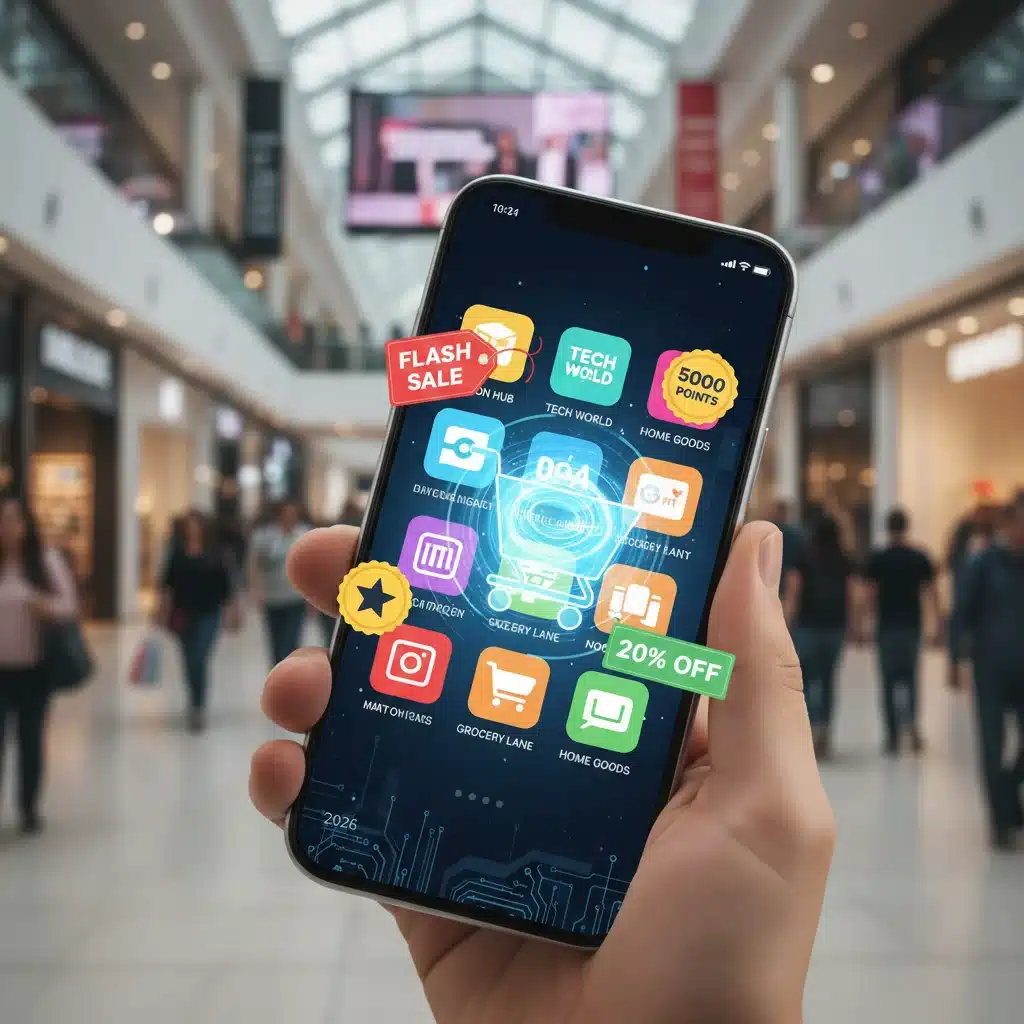
Are Retailer Apps Worth the Download in 2026? Exclusive Deals Offering 10% Off and More
In the rapidly evolving digital landscape, our smartphones have become extensions of our lives, serving as communication hubs, entertainment centers, and increasingly, our personal shopping assistants. The proliferation of retailer apps has transformed the way we interact with our favorite brands, promising unparalleled convenience, personalized experiences, and, most enticingly, exclusive deals. But as we look towards 2026, a crucial question emerges for the savvy consumer: are these retailer apps truly worth the download? Beyond the allure of a quick 10% off, what is the real financial impact and overall value proposition of dedicating precious digital real estate to these brand-specific applications?
This comprehensive analysis delves deep into the world of retailer app deals, examining their evolution, the benefits they offer, and the potential pitfalls that consumers should be aware of. We will explore how these apps have shifted from simple mobile storefronts to sophisticated platforms offering personalized recommendations, loyalty rewards, and, yes, those coveted exclusive discounts. Our goal is to provide a clear, data-driven perspective on whether downloading a retailer’s app in 2026 is a smart financial move or simply an unnecessary drain on your phone’s storage and your attention.
The Evolution of Retailer Apps: More Than Just a Mobile Storefront
Gone are the days when a retailer app was merely a miniature version of its website. Today, these applications are sophisticated ecosystems designed to enhance the entire customer journey. From in-store navigation and contactless payment options to augmented reality (AR) try-ons and seamless order tracking, the functionality has expanded dramatically. This evolution is driven by consumer demand for convenience and personalization, coupled with retailers’ desires to foster stronger brand loyalty and gather valuable data.
In 2026, we see retailer apps at the forefront of the omnichannel experience, blurring the lines between online and offline shopping. They act as central hubs where customers can manage their loyalty points, receive tailored product suggestions based on past purchases and browsing history, and access flash sales available only to app users. This integrated approach aims to create a sticky experience, encouraging repeated engagement and driving higher customer lifetime value.
Key Features Defining Modern Retailer Apps
- Personalized Offers and Recommendations: Leveraging AI and machine learning, apps now offer highly targeted discounts and product suggestions, making the shopping experience feel uniquely tailored. This is where the promise of ‘10% off and more’ truly comes to life, as offers are often dynamic and responsive to individual shopping habits.
- Loyalty Program Integration: Seamless access to loyalty points, rewards balances, and redemption options is a standard feature. Many apps even offer bonus points or exclusive tiers for app users, making the digital pathway the most rewarding.
- In-Store Enhancements: From interactive store maps and product locators to scan-and-go payment systems and curbside pickup notifications, apps are making physical shopping more efficient and enjoyable.
- Augmented Reality (AR) and Virtual Try-Ons: Particularly in fashion, home decor, and beauty, AR features allow customers to visualize products in their own environment or virtually try on items before making a purchase, reducing returns and enhancing satisfaction.
- Push Notifications and Alerts: Timely alerts about sales, new arrivals, abandoned cart reminders, and personalized deals keep consumers engaged and informed, often leading to impulse purchases driven by urgency and perceived value.
The Allure of Exclusive Deals: 10% Off and Beyond
The primary driver for many consumers to download a retailer app is the promise of exclusive deals. These aren’t just minor discounts; they often represent substantial savings that aren’t available through any other channel. Whether it’s a welcome bonus for new app users, a special birthday discount, or early access to sales events, these incentives are designed to make the app an indispensable tool for budget-conscious shoppers.
Retailers strategically use these exclusive app-only offers to cultivate a direct relationship with their customers, bypassing third-party platforms and gaining valuable insights into consumer behavior. A 10% off coupon might seem small, but when aggregated over multiple purchases throughout the year, especially on higher-value items, the savings can be significant. Moreover, many apps offer tiered loyalty programs where spending more through the app unlocks even greater discounts and benefits, creating a compelling reason to centralize one’s shopping habits.
Types of Exclusive App Deals You Can Expect in 2026
- Welcome Bonuses: Often a percentage off your first in-app purchase, ranging from 10% to 20%, designed to encourage the initial download and transaction.
- App-Only Sales and Flash Deals: Time-sensitive promotions available exclusively to app users, creating a sense of urgency and exclusivity.
- Loyalty Point Multipliers: Earning double or triple points on purchases made through the app during specific periods.
- Birthday and Anniversary Discounts: Personalized offers to celebrate customer milestones, fostering a sense of appreciation.
- Early Access to New Products or Sales: Giving app users a head start on popular items or major seasonal sales before the general public.
- Free Shipping or Enhanced Delivery Options: Exclusive shipping perks that can add up to significant savings, especially for frequent online shoppers.
Financial Impact: Are the Savings Real?
The core of our inquiry revolves around the financial impact of using retailer app deals. While the advertised discounts are appealing, consumers must consider the broader picture. Are these savings enough to offset potential drawbacks, or do they truly represent a net gain?
For many, the answer is a resounding yes. Savvy shoppers who strategically utilize app-exclusive offers can indeed save a considerable amount of money over time. Consider a scenario where a consumer regularly purchases groceries, clothing, and electronics from three different retailers, each with its own app. If each app offers an average of 10% off through various promotions throughout the year, the cumulative savings could easily amount to hundreds of dollars annually. This is particularly true for high-frequency purchases or big-ticket items where a 10% discount translates into significant cash back.
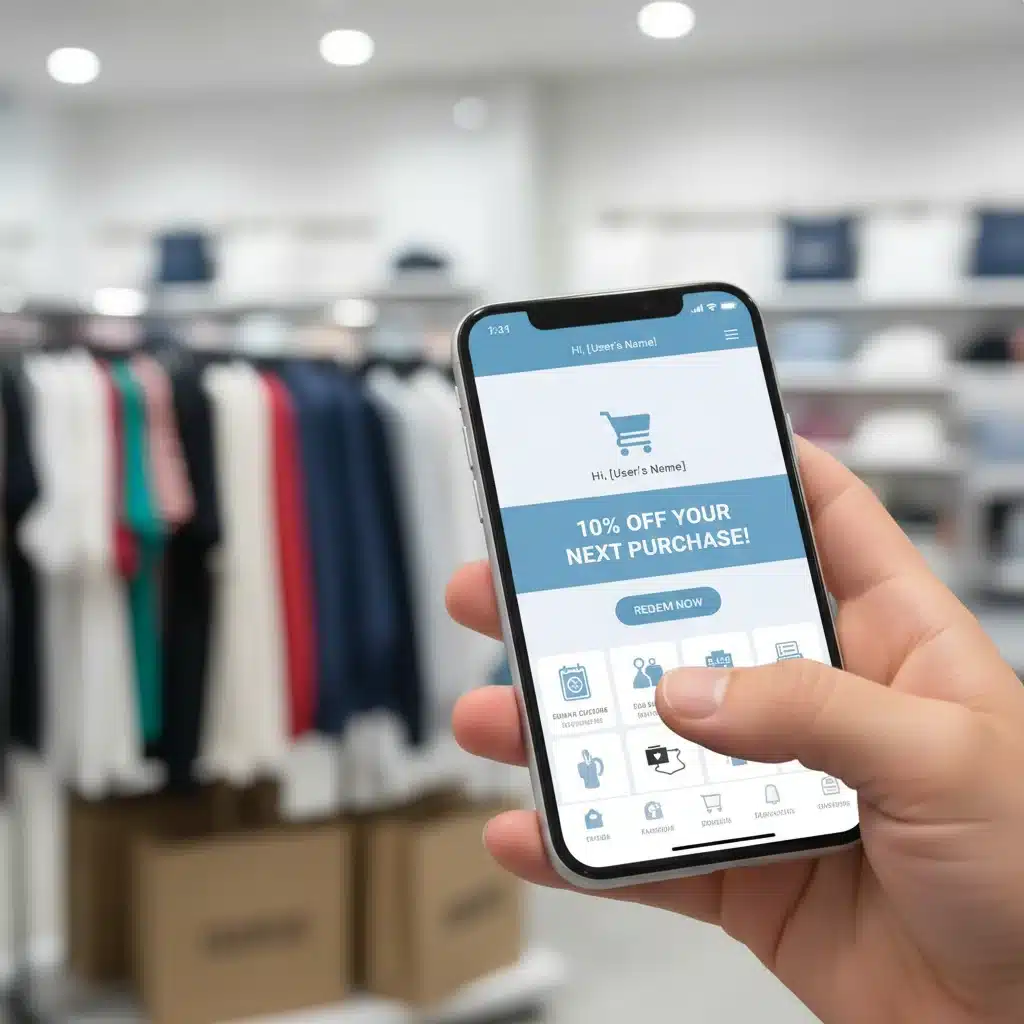
Calculating Your Potential Savings
To truly assess the financial benefits, consumers can perform a simple calculation:
(Average Monthly Spend per Retailer * Average App Discount Percentage) * 12 Months = Annual Savings
For example, if you spend $100 monthly at a retailer and their app consistently offers a 10% discount, that’s $10 saved per month, or $120 annually from just one app. Multiply this across several frequently used apps, and the numbers quickly become compelling. Furthermore, many apps offer sign-up bonuses that provide an immediate return on the ‘investment’ of downloading.
However, it’s also crucial to consider the psychological impact. The constant stream of personalized offers can sometimes encourage overspending. The fear of missing out (FOMO) on a limited-time deal can lead to impulse purchases that weren’t originally planned, potentially negating the perceived savings. A balanced approach involves disciplined shopping habits and a clear understanding of your needs versus wants.
The Hidden Costs and Considerations
While the benefits of retailer app deals are clear, it’s important to acknowledge the less obvious costs and considerations associated with downloading and using these applications.
Privacy Concerns and Data Collection
Retailer apps are powerful data collection tools. They track your browsing history, purchase patterns, location data, and even how long you spend looking at specific products. This data is invaluable to retailers for personalization and targeted advertising, but it raises significant privacy concerns for consumers. Understanding a company’s privacy policy and knowing what data is being collected and how it’s used is paramount. While this data enables personalized discounts, it also means a greater digital footprint.
Notification Overload and Digital Clutter
Each app you download adds to your phone’s digital clutter and the potential for notification overload. A constant barrage of push notifications, while sometimes offering valuable deals, can also be distracting and contribute to app fatigue. Managing notification settings is crucial to prevent these apps from becoming a nuisance rather than a helpful tool.
Storage Space and Battery Drain
Modern apps, especially those with AR features or extensive product catalogs, can consume significant storage space on your device. Furthermore, background processes and location services can contribute to battery drain. For users with older phones or limited storage, this can be a genuine concern.
The Paradox of Choice and Impulse Buying
With an abundance of deals and personalized recommendations, consumers might feel overwhelmed by choices. The constant exposure to new products and promotions, especially those framed as ‘limited-time offers,’ can trigger impulse buying behavior, leading to purchases that aren’t truly needed or desired, thus undermining any financial savings.
Comparison: App vs. Website vs. In-Store
To truly evaluate the worth of retailer apps, it’s essential to compare the experience and benefits against traditional shopping methods: browsing a retailer’s website or visiting a physical store.
Website Shopping
While websites offer a broad selection and convenience, they often lack the hyper-personalization and exclusive deals found in apps. Websites might have general promotions, but the granular, user-specific discounts are typically reserved for app users. The user interface on a mobile website can also be less optimized for touchscreens compared to a native app, leading to a less fluid experience. However, websites generally involve fewer privacy concerns and less data collection than apps.
In-Store Shopping
Physical stores offer the immediate gratification of seeing and touching products, as well as personalized assistance from staff. However, they rarely match the breadth of inventory available online, nor do they typically offer the same level of personalized discounts as apps. Modern apps bridge this gap by providing in-store features like price scanning, product reviews, and even mobile payment, enhancing the physical shopping experience rather than replacing it. The best scenario often involves using the app to augment your in-store visit, accessing digital coupons or loyalty points at the checkout.
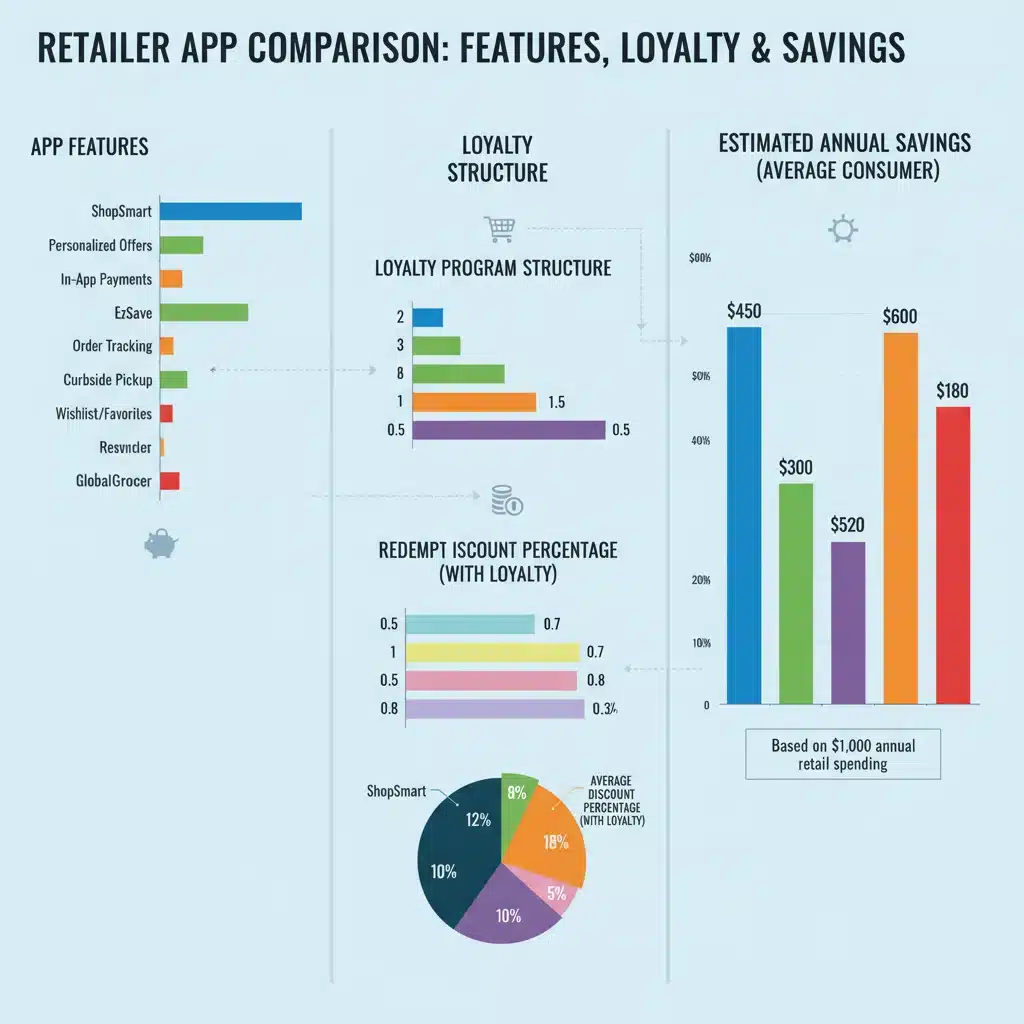
Best Practices for Maximizing Retailer App Value in 2026
For those who decide to embrace retailer apps, certain strategies can help maximize the benefits and mitigate the drawbacks. The goal is to leverage the retailer app deals without falling prey to overspending or privacy compromises.
1. Be Selective with Downloads
Don’t download an app for every retailer you’ve ever shopped with. Prioritize apps from brands you frequently purchase from or those that offer particularly compelling loyalty programs and exclusive discounts. Focus on quality over quantity to avoid app fatigue and digital clutter.
2. Customize Notification Settings
Take control of your notifications. Turn off generic promotional alerts and only allow notifications for truly important updates, such as order status, personalized deals, or limited-time offers on items you’ve wishlisted. This ensures you receive valuable information without being constantly interrupted.
3. Understand Privacy Policies
Before downloading, quickly review the app’s privacy policy to understand what data it collects and how it’s used. Make informed decisions about sharing your personal information. Many apps also allow you to adjust privacy settings within the app itself.
4. Set a Budget and Stick to It
Despite the allure of discounts, always shop with a budget in mind. Use the app’s deals to save on items you already planned to buy, rather than letting deals dictate your purchases. This prevents impulse buying and ensures genuine financial savings.
5. Utilize Loyalty Programs Fully
Actively engage with the loyalty programs offered through the apps. Track your points, redeem rewards regularly, and understand how to climb loyalty tiers for even greater benefits. Sometimes, the real value lies in the accumulated rewards rather than just individual discounts.
6. Compare Deals Across Channels
Even with an app, it’s wise to do a quick comparison. Sometimes, a retailer might offer a better deal on their website or through a third-party coupon site. Use the app as a primary tool, but remain open to checking other avenues for the absolute best price.
The Future of Retailer Apps: What’s Next for Exclusive Deals?
Looking ahead to 2026 and beyond, the evolution of retailer apps shows no signs of slowing down. We can anticipate even more sophisticated personalization, driven by advanced AI and predictive analytics. Imagine apps that not only suggest products based on your past behavior but also anticipate your future needs, potentially offering proactive discounts on items you might soon require.
Integration with other smart devices, such as smart home assistants and wearables, will likely become more prevalent, creating a truly interconnected shopping ecosystem. Voice commerce through retailer apps could streamline purchases even further, while enhanced AR and VR experiences will make online shopping feel more immersive and interactive. The focus on sustainability and ethical sourcing might also see apps providing transparent information about product origins and environmental impact, appealing to a growing segment of conscious consumers.
Furthermore, the concept of ‘micro-personalization’ will push the boundaries of exclusive deals, offering discounts that are not just tailored to individual users but also to their real-time context – their location, the weather, or even their current mood, as inferred from other digital interactions (with privacy safeguards, of course). This hyper-targeted approach will make retailer app deals even more irresistible and potentially more financially beneficial for the engaged consumer.
Conclusion: The Verdict on Retailer Apps in 2026
So, are retailer apps worth the download in 2026? The answer, for most consumers, is a qualified yes. When used judiciously and strategically, retailer apps offer a wealth of exclusive deals, personalized experiences, and conveniences that can lead to significant financial savings. The promise of ‘10% off and more’ is often fulfilled through welcome bonuses, app-only sales, and robust loyalty programs, making them a valuable tool for budget-conscious shoppers.
However, the key lies in mindful engagement. Consumers must be aware of the potential downsides, including privacy concerns, notification overload, and the temptation for impulse buying. By being selective with downloads, customizing settings, understanding privacy policies, and sticking to a budget, shoppers can leverage the immense power of these apps to their advantage.
In 2026, retailer apps are more than just shopping tools; they are integral components of the modern consumer experience. For those willing to navigate their complexities with a strategic mindset, they represent a gateway to smarter shopping, better deals, and a more personalized retail journey. The digital real estate on your phone, when allocated wisely, can indeed yield substantial financial returns.