Maximize Savings 2026: Loyalty Program Stacking for US Consumers
How to Combine Loyalty Programs for Maximum Savings in 2026: A US-Focused Strategy Yielding 15% More Value.
In an increasingly competitive economic landscape, every dollar saved and every reward earned counts. For savvy US consumers looking to stretch their budgets and enhance their purchasing power, the art of Loyalty Program Stacking is no longer a niche tactic but a mainstream necessity. As we look towards 2026, the strategies for combining various loyalty programs have evolved, offering unprecedented opportunities for maximizing savings. This comprehensive guide will delve deep into the world of loyalty program synergy, providing actionable insights specifically tailored for the American consumer, aiming to help you unlock at least a 15% greater value from your everyday spending.
The concept of loyalty programs is simple: businesses reward customers for their continued patronage. However, where the true genius lies is not just in participating in one program, but in strategically combining multiple programs to create a cumulative effect that far surpasses the benefits of individual participation. This is Loyalty Program Stacking – a sophisticated approach to personal finance that transforms routine transactions into powerful savings generators. Imagine earning points on your credit card, receiving discounts from a retail loyalty program, and then getting cash back through a shopping portal, all on a single purchase. This isn’t theoretical; it’s entirely achievable with the right knowledge and a methodical approach.
The year 2026 brings with it new challenges and opportunities. Economic shifts, technological advancements, and evolving consumer behaviors mean that loyalty programs are constantly adapting. Understanding these changes and how to leverage them will be crucial for anyone aiming to be a master of savings. Our focus here is squarely on the US market, where a diverse array of credit card rewards, retail loyalty schemes, travel alliances, and digital platforms offer a rich tapestry for strategic combination.
Understanding the Core Principles of Loyalty Program Stacking
Before diving into specific strategies, it’s essential to grasp the foundational principles that make Loyalty Program Stacking so effective. At its heart, stacking involves identifying overlaps and synergies between different reward systems to multiply your benefits. This isn’t about hoarding cards; it’s about intelligent integration.
Principle 1: Layering Rewards
The most fundamental aspect of stacking is layering. This means applying multiple reward mechanisms to a single transaction. For example, using a rewards credit card that offers cash back or points, while also presenting a store loyalty card for additional discounts or points, and then initiating the purchase through a cash-back shopping portal. Each layer adds to the overall value returned to you.
Principle 2: Diversification and Specialization
A balanced approach involves both diversification and specialization. Diversify your loyalty program portfolio to cover different spending categories (groceries, travel, dining, gas) and different types of rewards (cash back, travel points, specific store discounts). Simultaneously, specialize in a few key programs where you can truly maximize earning and redemption, aligning them with your primary spending habits and financial goals.
Principle 3: Strategic Redemption
Earning rewards is only half the battle; intelligent redemption is the other. Understand the true value of your points or miles. Is 1 point worth 1 cent, 1.5 cents, or more? Look for opportunities to redeem rewards for maximum impact, such as using airline miles for business class upgrades or converting credit card points to hotel stays during peak season to get outsized value. Avoid simply redeeming for gift cards if other options offer a higher return.
Principle 4: Staying Informed and Adaptable
The loyalty landscape is dynamic. Programs change their rules, partners, and redemption values. Staying informed through financial news, loyalty program forums, and direct communication from providers is crucial. Flexibility and adaptability are key; what works best today might not be the optimal strategy tomorrow.
Key Pillars of Loyalty Program Stacking for US Consumers in 2026
To effectively implement Loyalty Program Stacking, US consumers need to focus on several key areas where rewards are abundant and synergies are strong.
1. Credit Card Rewards: The Foundation of Your Stacking Strategy
Credit cards are often the first layer in any robust loyalty program stacking strategy. For 2026, the US market offers an unparalleled selection of cards tailored to various spending habits and goals.
- Cash Back Cards: These are straightforward and offer a percentage back on all purchases or higher percentages in specific categories (e.g., 5% on groceries, gas, or rotating categories). Pairing a flat-rate cash back card with a rotating category card is a classic stacking move.
- Travel Rewards Cards: Ideal for those who travel frequently. These cards offer points or miles that can be redeemed for flights, hotels, and other travel expenses. Many come with lucrative sign-up bonuses and perks like airport lounge access or free checked bags. The key here is to leverage transfer partners – converting points from a flexible rewards program (like Chase Ultimate Rewards or Amex Membership Rewards) to specific airline or hotel loyalty programs often yields significantly higher value.
- Store-Branded Credit Cards: While often overlooked, some store cards offer excellent discounts or accelerated earning rates at specific retailers. These can be powerful when combined with general cash back or travel cards for purchases made at that particular store.
Stacking Tip: Use a credit card that offers bonus points on a specific category (e.g., dining) at a restaurant where you also have a loyalty program that provides points or discounts. Pay with the credit card, scan your restaurant loyalty app, and potentially even go through a dining rewards portal (like Rewards Network) for an additional layer.
2. Retailer Loyalty Programs: Beyond the Basics
Virtually every major retailer in the US offers some form of loyalty program. These can range from simple point systems to tiered memberships with exclusive benefits.
- Points-Based Programs: Earn points for every dollar spent, redeemable for future discounts or free items.
- Discount-Based Programs: Provide instant discounts at checkout, often tied to specific products or spending thresholds.
- Tiered Programs: Reward higher spending with elevated status, leading to better perks like free shipping, birthday rewards, or early access to sales.
- Subscription-Based Programs: Think Amazon Prime or Walmart+. These offer a host of benefits beyond just loyalty points, such as free shipping, streaming services, and exclusive deals.
Stacking Tip: Combine a retailer’s loyalty program with a general credit card that offers bonus rewards at department stores or specific types of retailers. Look for opportunities to pre-purchase discounted gift cards for these retailers to add another layer of savings before even stepping foot in the store or shopping online.
3. Shopping Portals and Browser Extensions: The Digital Advantage
The digital age has introduced powerful tools for Loyalty Program Stacking. Shopping portals and browser extensions offer an effortless way to earn additional cash back or points on your online purchases.
- Cash Back Portals: Websites like Rakuten (formerly Ebates), TopCashback, and Swagbucks offer a percentage of your purchase back when you click through their links to various online retailers. This is a pure stacking play, as it doesn’t interfere with your credit card rewards or retailer loyalty points.
- Airline/Hotel Shopping Portals: Many airline and hotel loyalty programs have their own shopping portals, allowing you to earn miles or points instead of cash back. This is particularly valuable if you’re saving up for a specific travel redemption.
- Browser Extensions: Tools like Honey, Capital One Shopping, and Rakuten’s own extension automatically search for coupon codes and cash back opportunities, often applying the best deal at checkout.
Stacking Tip: Always check a cash back portal before making an online purchase. Then, pay with a credit card that offers bonus rewards for online shopping or in a relevant category. Ensure you’re logged into any retailer loyalty accounts as well. This single transaction can easily hit three or four layers of rewards.
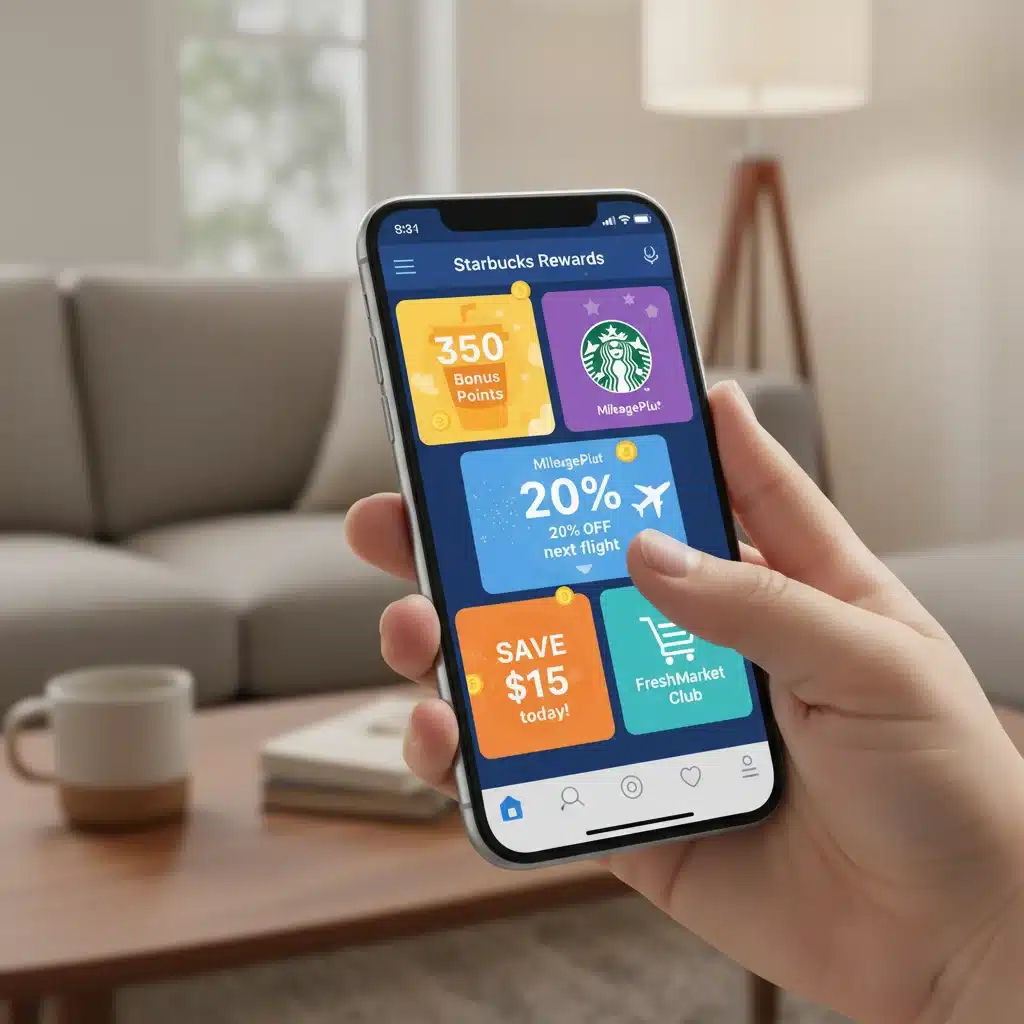
4. Dining Rewards Programs: Savoring the Savings
Eating out is a significant expense for many US households. Fortunately, dining rewards programs offer ample opportunities for Loyalty Program Stacking.
- Restaurant-Specific Programs: Many chain restaurants have their own apps or loyalty cards offering points, free items, or discounts.
- Third-Party Dining Programs: Services like Rewards Network (which partners with various airlines and hotels) allow you to link your credit card and earn miles/points automatically when you dine at participating restaurants.
- Food Delivery Services: Apps like DoorDash, Uber Eats, and Grubhub often have their own loyalty programs or subscription services (DashPass, Uber One) that offer reduced fees and exclusive discounts.
Stacking Tip: Use a credit card that offers bonus points on dining, link that same card to a Rewards Network program for airline miles, and then present your restaurant’s loyalty app at checkout. If ordering delivery, use a delivery service’s subscription for free delivery and discounts, and pay with your dining-rewards credit card.
5. Travel Alliances and Partnerships: Global Savings
For the frequent traveler, understanding travel alliances and partnerships is paramount to maximizing rewards.
- Airline Alliances (Star Alliance, SkyTeam, Oneworld): Earning miles with one airline in an alliance can allow you to redeem them for flights on partner airlines, often opening up more redemption possibilities and better value.
- Hotel Loyalty Programs: Programs like Marriott Bonvoy, Hilton Honors, and World of Hyatt offer points for stays, elite status perks, and often have co-branded credit cards that accelerate earning.
- Rental Car Programs: While less lucrative, these can offer discounts or upgrades that add to overall travel savings.
Stacking Tip: Book flights or hotels using a travel rewards credit card that offers bonus points on travel. Ensure your frequent flyer or hotel loyalty number is attached to the booking. If booking through an online travel agency (OTA), check if there’s a cash back portal offering a rebate. For hotels, consider booking directly with the hotel chain if you have elite status, as third-party bookings often don’t qualify for loyalty benefits.
Advanced Strategies for 15% More Value in 2026
Achieving that coveted 15% (or more) increased value requires moving beyond basic stacking. Here are some advanced tactics for the discerning US consumer.
1. Gift Card Arbitrage and Reselling
This strategy involves purchasing gift cards at a discount or with bonus rewards, then using them for your actual purchases. For example, some credit cards offer bonus points at grocery stores, and many grocery stores sell third-party gift cards (e.g., for Amazon, Home Depot, Starbucks). You could buy a $100 Amazon gift card at a grocery store with a credit card earning 5% back, effectively getting 5% off your Amazon purchase before even applying other discounts on Amazon itself.
2. Leveraging Amex Offers and Chase Offers
American Express and Chase (among other banks) frequently offer targeted discounts or bonus points for spending at specific merchants. These ‘offers’ are loaded onto your card and automatically applied. They can be stacked with retailer loyalty programs and shopping portals, creating significant savings. Always check your credit card accounts for these valuable opportunities before making a purchase.
3. Understanding Point Valuations and Transfer Partners
Not all points are created equal. A point from one program might be worth 0.5 cents, while another could be worth 2 cents or more when transferred to a specific airline or hotel partner. Learning the optimal transfer partners and when to use them is a cornerstone of advanced Loyalty Program Stacking. Tools and websites dedicated to loyalty program valuations can be incredibly helpful here.
4. Utilizing Local Deals and Apps
Beyond national chains, many local businesses in the US offer their own loyalty programs or are featured on apps like Groupon, LivingSocial, or local dining apps. These can be combined with general credit card rewards, especially if the credit card has categories for local businesses or small business spending.
5. Strategic Use of Sign-Up Bonuses
New credit card sign-up bonuses can be incredibly lucrative, often offering tens of thousands of points or hundreds of dollars in cash back for meeting a minimum spending requirement. While not a recurring stacking strategy, strategically acquiring new cards and meeting these bonuses can provide a massive boost to your rewards portfolio, which can then be used for high-value redemptions.
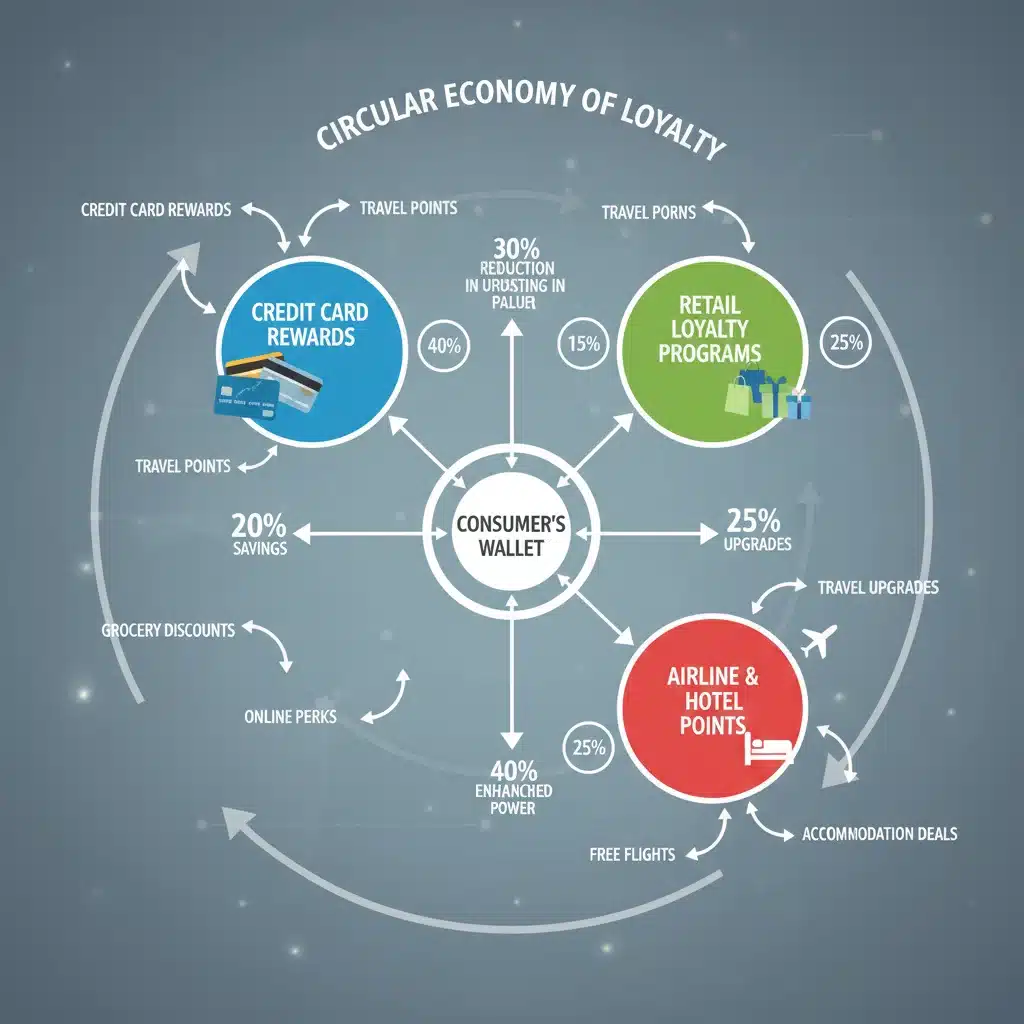
Pitfalls to Avoid in Your Loyalty Program Stacking Journey
While Loyalty Program Stacking offers immense benefits, it’s crucial to navigate the landscape carefully to avoid common pitfalls.
1. Overspending to Earn Rewards
The golden rule of rewards: Never spend money you wouldn’t otherwise spend, just to earn points. The interest on credit card debt will quickly negate any rewards earned. Pay your credit card statements in full and on time.
2. Complexity Overload
It’s easy to get overwhelmed by the sheer number of programs. Start small, focus on a few key programs that align with your spending, and gradually expand. Use apps or spreadsheets to track your points and programs.
3. Expiring Points or Devalued Rewards
Be aware of expiration policies for your points and miles. Some expire after a period of inactivity, while others have a hard expiration date. Program devaluations (where the value of points decreases) also occur, so it’s wise to redeem high-value points within a reasonable timeframe rather than hoarding them indefinitely.
4. Annual Fees Outweighing Benefits
Many premium credit cards come with annual fees. While these can be justified by the benefits (travel credits, lounge access, bonus points), always do a cost-benefit analysis. If you’re not fully utilizing the perks, the fee might negate your earned rewards.
5. Neglecting Terms and Conditions
Always read the fine print. Some promotions or stacking opportunities may have specific exclusions or requirements that, if missed, can prevent you from earning your intended rewards.
Tools and Resources for the Modern Stacker in 2026
Managing multiple loyalty programs and tracking points can be daunting. Fortunately, several tools can simplify the process:
- AwardWallet: A popular platform for tracking all your loyalty program balances in one place. It also alerts you to expiring points.
- Travel-focused blogs and forums: Websites like The Points Guy, Doctor of Credit, and FlyerTalk provide up-to-date information on the latest deals, program changes, and advanced strategies.
- Cash back comparison sites: Tools like CashBackMonitor allow you to compare cash back rates across different shopping portals for a specific retailer, ensuring you get the best return.
- Spreadsheets: A simple, personalized spreadsheet can be incredibly effective for tracking spending categories, credit card bonuses, and redemption goals.
Crafting Your Personalized Loyalty Program Stacking Strategy for 2026
Achieving a 15% increase in value requires a personalized approach. Here’s a step-by-step guide to building your own Loyalty Program Stacking strategy:
- Audit Your Spending: Understand where your money goes. Categorize your monthly expenses (groceries, dining, travel, utilities, entertainment). This will help you identify which loyalty programs will be most beneficial.
- Inventory Existing Programs: List all credit cards, retail loyalty programs, and other reward memberships you currently hold. Understand their benefits, earning rates, and redemption options.
- Identify Gaps and Opportunities: Based on your spending audit, are there categories where you’re not earning optimal rewards? Are there credit cards or loyalty programs that could fill these gaps or enhance existing earnings?
- Set Clear Goals: What do you want to achieve with your rewards? Cash back for everyday expenses? A dream vacation? Free groceries? Clear goals will guide your program selection and redemption strategy.
- Start Layering Strategically: Begin by implementing one or two stacking strategies (e.g., always use a shopping portal for online purchases, or combine your dining credit card with a restaurant loyalty program).
- Monitor and Optimize: Regularly review your rewards balances, redemption values, and spending patterns. Are your chosen programs still providing the best value? Are there new programs or offers to consider?
- Stay Disciplined: The most effective stackers are disciplined. They pay bills on time, avoid unnecessary spending, and consistently apply their chosen strategies.
The Future of Loyalty Program Stacking in the US (2026 and Beyond)
As we move further into 2026, several trends are shaping the future of Loyalty Program Stacking:
- Increased Personalization: Expect more AI-driven, hyper-personalized offers from loyalty programs, making it easier to stack relevant deals.
- Integration of Digital Wallets: Digital wallets like Apple Pay and Google Pay will likely integrate more seamlessly with loyalty programs, automatically applying rewards at checkout.
- Sustainability and Social Impact: Loyalty programs may increasingly offer options to redeem points for charitable donations or eco-friendly products, appealing to a growing segment of conscious consumers.
- Subscription Economy Synergy: The rise of subscription services will likely see more loyalty programs integrating with these models, offering exclusive perks for subscribers.
- Blockchain and NFTs: While still nascent, blockchain technology could introduce new forms of transferable and immutable loyalty rewards, potentially revolutionizing how points are earned and redeemed.
These evolving trends suggest that the opportunities for savvy consumers to maximize their savings through loyalty programs will only grow. Staying informed and adaptable will be more important than ever.
Conclusion: Your Path to 15% More Value
The journey to achieving 15% or more in additional value through Loyalty Program Stacking in 2026 is an exciting and rewarding one for US consumers. It requires a combination of strategic planning, diligent execution, and continuous optimization. By understanding the core principles, leveraging key pillars like credit card rewards and shopping portals, and embracing advanced tactics, you can transform your everyday spending into a powerful engine for savings and enhanced financial well-being.
Start today by auditing your current spending and loyalty programs. Identify those immediate opportunities for layering and synergy. With patience and persistence, you’ll soon find yourself enjoying significantly greater returns on your purchases, making every dollar work harder for you in the dynamic US market of 2026.