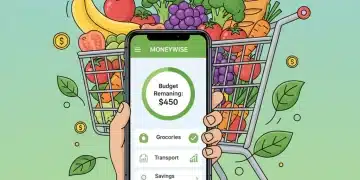
Achieve Your 2026 Savings Goals: A 90-Day Practical Solution for Financial Impact

Achieve Your 2026 Savings Goals: A 90-Day Practical Solution for Financial Impact
The year 2026 might seem a little far off, but when it comes to financial planning, the sooner you start, the better. Setting and achieving your personal 2026 savings goals now can significantly impact your financial future, providing security, opportunities, and peace of mind. This comprehensive guide will walk you through a practical 90-day solution designed to kickstart your journey towards realizing those ambitious 2026 savings goals. We’re not just talking about vague aspirations; we’re talking about actionable steps, measurable progress, and tangible results.
Many people struggle with saving, often feeling overwhelmed by the sheer scale of their financial aspirations or the immediate pressures of daily expenses. The key to overcoming this inertia lies in breaking down large goals into smaller, manageable chunks and implementing a structured plan. Our 90-day framework is precisely that – a roadmap to help you build momentum, establish healthy financial habits, and make substantial progress towards your 2026 savings goals.
Whether you’re aiming for a down payment on a house, funding your child’s education, building a robust emergency fund, planning a dream vacation, or simply increasing your overall financial resilience, this guide is for you. We’ll explore strategies that cater to various financial situations, empowering you to take control of your money and shape your future.
The Power of a 90-Day Financial Sprint for Your 2026 Savings Goals
Why a 90-day plan? The answer lies in human psychology and practical effectiveness. Ninety days is long enough to see significant progress and establish new habits, yet short enough to maintain high levels of motivation and focus. It’s a sprint, not a marathon, designed to generate quick wins and build confidence as you work towards your 2026 savings goals.
Week 1-4: Foundation and Assessment
The first month is all about understanding your current financial landscape and setting clear, achievable 2026 savings goals.
Day 1-7: Financial Audit and Goal Setting
- Track Your Spending: Before you can save, you need to know where your money is going. Use a budgeting app, spreadsheet, or even a notebook to meticulously track every penny you spend for one week. This will reveal your true spending habits and identify areas for potential cuts.
- Calculate Your Net Worth: List all your assets (savings, investments, property) and liabilities (debts, loans). Subtract liabilities from assets to get your net worth. This provides a baseline for measuring financial progress.
- Define Your 2026 Savings Goals: Be specific. Instead of "I want to save more," aim for "I want to save $15,000 for a down payment by December 2026." Break this down further: "To reach $15,000 by December 2026, I need to save approximately $417 per month." This clarity is crucial for your 2026 savings goals.
- Prioritize Your Goals: If you have multiple 2026 savings goals, rank them. Which one is most important? This helps allocate your resources effectively.
Day 8-14: Budget Creation and Optimization
- Create a Realistic Budget: Based on your spending audit, create a budget that allocates your income to different categories: housing, food, transportation, entertainment, and most importantly, savings. Consider budgeting methods like the 50/30/20 rule (50% needs, 30% wants, 20% savings/debt repayment).
- Identify "Fat" in Your Budget: Look for non-essential expenses that can be reduced or eliminated. Daily coffees, unused subscriptions, impulse purchases – these small amounts add up over time and can be redirected towards your 2026 savings goals.
- Automate Savings: Set up automatic transfers from your checking account to your savings account immediately after you get paid. This "pay yourself first" strategy is incredibly effective for achieving 2026 savings goals.
Day 15-21: Debt Assessment and Strategy
- Inventory All Debts: List all your debts, including credit cards, student loans, personal loans, and auto loans. Note the interest rate, minimum payment, and outstanding balance for each.
- Choose a Debt Repayment Strategy:
- Debt Snowball: Pay off the smallest debt first to gain momentum, then roll that payment into the next smallest.
- Debt Avalanche: Pay off the debt with the highest interest rate first to save the most money over time.
- Negotiate Interest Rates: Contact your credit card companies or lenders to see if you can negotiate lower interest rates. Even a small reduction can save you a significant amount.
Day 22-28: Income Enhancement and Side Hustles
- Explore Additional Income Streams: Can you pick up extra shifts at work? Freelance in your spare time? Sell unused items around your house? Even a small increase in income can accelerate your progress towards your 2026 savings goals.
- Optimize Your Current Income: Review your salary, benefits, and any bonuses. Are you being fairly compensated? Is it time to ask for a raise or explore new job opportunities that offer better pay or benefits?
Week 5-8: Implementation and Optimization
With a solid foundation in place, the second month focuses on executing your plan and making adjustments as needed to stay on track for your 2026 savings goals.
Day 29-35: Sticking to Your Budget and Tracking Progress
- Daily Budget Review: Make it a habit to check your spending against your budget daily or every few days. This helps prevent overspending and keeps your 2026 savings goals top of mind.
- Visual Progress Tracking: Create a visual representation of your savings progress. A thermometer chart, a spreadsheet with colored bars, or even a simple tally can be incredibly motivating.
- Reward Small Wins: Acknowledge and celebrate small milestones. Reaching your first $500 saved or paying off a small debt can boost morale and reinforce positive habits for your 2026 savings goals.
Day 36-42: Expense Reduction Deep Dive
- Review Recurring Expenses: Go through your bank statements and identify all recurring subscriptions, memberships, and bills. Are there any you can cancel or downgrade?
- Negotiate Bills: Call your internet, cable, and insurance providers. Often, they have better deals available for existing customers or will match competitor offers.
- Minimize Food Costs: Meal planning, cooking at home, bringing lunch to work, and reducing restaurant visits can significantly cut down on one of the biggest household expenses.
Day 43-49: Smart Shopping and Mindful Spending
- Create Shopping Lists: Stick to a list when grocery shopping to avoid impulse buys.
- Compare Prices: Before making any significant purchase, compare prices from different retailers. Use online tools and apps to find the best deals.
- Implement a "Waiting Period": For non-essential purchases, impose a 24 or 48-hour waiting period. This often helps you differentiate between a true need and a fleeting desire, protecting your 2026 savings goals.
- Utilize Cash for Discretionary Spending: Some find it easier to control spending when using cash for categories like entertainment or dining out. Once the cash is gone, spending stops.
Day 50-56: Emergency Fund Building and Protection
- Prioritize Your Emergency Fund: If you don’t have one, make building an emergency fund (3-6 months of living expenses) a top priority. This protects your 2026 savings goals from unexpected financial setbacks.
- Review Insurance Policies: Ensure you have adequate health, auto, home, and life insurance. Being underinsured can lead to significant financial strain in unforeseen circumstances.

Week 9-12: Advanced Strategies and Future Planning
The final month is about solidifying your new habits, exploring investment opportunities, and setting yourself up for continued success beyond the 90-day mark to truly crush your 2026 savings goals.
Day 57-63: Investment Exploration (Beyond Savings)
- Understand Investment Basics: Once your emergency fund is solid, consider investing. Learn about different investment vehicles like stocks, bonds, mutual funds, and ETFs.
- Explore Retirement Accounts: Maximize contributions to tax-advantaged retirement accounts like 401(k)s and IRAs. The earlier you start, the more compound interest works in your favor towards your 2026 savings goals.
- Consider Robo-Advisors: If you’re new to investing, robo-advisors can be a great starting point, offering diversified portfolios based on your risk tolerance with minimal effort.
Day 64-70: Increase Savings Rate and Income Diversification
- "Found Money" Strategy: Direct any unexpected windfalls (tax refunds, bonuses, gifts) directly into your savings or investments.
- Automate Investment Contributions: Just like savings, set up automatic transfers to your investment accounts.
- Evaluate Side Hustle Scalability: If your side hustle is performing well, explore ways to scale it up or diversify your income sources further to boost your 2026 savings goals.
Day 71-77: Review and Adjust Your Plan
- Quarterly Financial Review: Make it a habit to conduct a thorough financial review every 90 days. Assess your progress, identify what worked and what didn’t, and adjust your budget and goals accordingly.
- Revisit Your 2026 Savings Goals: Are they still realistic? Have your priorities changed? It’s okay to adapt your goals as your life circumstances evolve.
- Seek Professional Advice: If you feel overwhelmed or have complex financial situations, consider consulting a financial advisor. They can provide personalized guidance and help you optimize your strategies for your 2026 savings goals.
Day 78-84: Financial Education and Continuous Improvement
- Read Financial Books and Blogs: Continuously educate yourself about personal finance. The more you learn, the better equipped you’ll be to make informed decisions.
- Listen to Financial Podcasts: Incorporate financial learning into your daily routine by listening to podcasts during commutes or workouts.
- Join Financial Communities: Engage with like-minded individuals in online forums or local groups to share tips, strategies, and support for achieving your 2026 savings goals.
Day 85-90: Celebrate and Plan for the Next 90 Days
- Acknowledge Your Achievements: Take time to celebrate how far you’ve come in just 90 days. You’ve built new habits, gained control over your finances, and made significant progress towards your Holiday Savings.
- Set New 90-Day Milestones: Don’t stop here! Plan your next 90-day financial sprint, building on the momentum you’ve created. This continuous cycle of planning, execution, and review is the secret to long-term financial success.
- Refine Your Long-Term Vision: With a clearer financial picture, you can now refine your long-term 2026 savings goals and beyond, ensuring your actions align with your ultimate financial freedom.
Overcoming Common Financial Challenges on Your Path to 2026 Savings Goals
Even with the best plan, you’re likely to encounter obstacles. Here’s how to navigate common challenges:
The "Unexpected Expense" Trap
Life happens. Car repairs, medical bills, or home maintenance issues can derail even the most disciplined saver. This is precisely why an emergency fund is paramount. If you don’t have one yet, make it your number one priority. If an unexpected expense arises before your fund is sufficient, try to cover it by temporarily cutting back on non-essential spending or finding a temporary income boost, rather than dipping into your dedicated 2026 savings goals.
Motivation Drain
It’s easy to get excited at the beginning, but motivation can wane. To combat this:
- Remind Yourself of Your "Why": Regularly visualize your 2026 savings goals. What will achieving them feel like?
- Find an Accountability Partner: Share your goals with a trusted friend or family member who can encourage you and hold you accountable.
- Break Goals into Micro-Goals: Instead of focusing on the entire $15,000, celebrate saving the first $100, then $500, then $1,000.
Lifestyle Inflation
As your income grows, it’s tempting to increase your spending. This phenomenon, known as lifestyle inflation, is a silent killer of 2026 savings goals. To avoid it, commit to saving a significant portion of any raises or bonuses you receive before you even get used to having the extra money.
Analysis Paralysis
Sometimes, too much information or too many options can lead to inaction. Don’t let the perfect be the enemy of the good. Start with simple steps, like automating a small amount of savings, and build from there. The most important thing is to start.

The Long-Term Impact of Achieving Your 2026 Savings Goals
Successfully navigating this 90-day challenge and achieving your initial 2026 savings goals will have profound long-term impacts:
- Enhanced Financial Security: A robust savings cushion provides a safety net against life’s uncertainties, reducing stress and anxiety.
- Increased Opportunities: Having capital opens doors to investments, education, entrepreneurship, and other opportunities that can further accelerate your wealth building.
- Freedom and Flexibility: Financial stability offers the freedom to make choices that align with your values, whether it’s changing careers, traveling, or pursuing passions without constant money worries.
- Improved Financial Literacy: The process of planning, budgeting, and investing will significantly boost your understanding of personal finance, empowering you to make smarter decisions for years to come.
- A Legacy for the Future: By building wealth and establishing sound financial practices, you are not only securing your own future but also potentially creating a positive financial legacy for your family.
Conclusion: Your Journey to 2026 Savings Goals Starts Now
Achieving your 2026 savings goals is not just about accumulating money; it’s about building a better, more secure future for yourself and your loved ones. This 90-day practical solution provides a clear, actionable framework to get you started. It requires commitment, discipline, and a willingness to learn and adapt, but the rewards are immeasurable.
Remember, every great financial journey begins with a single step. By taking that step today and committing to this 90-day plan, you are setting yourself on a powerful trajectory towards financial freedom and realizing your 2026 savings goals. Don’t wait for tomorrow; start making a financial impact today. Your future self will thank you.