Build 6-Month Emergency Fund by 2026: Your 12-Month Action Plan
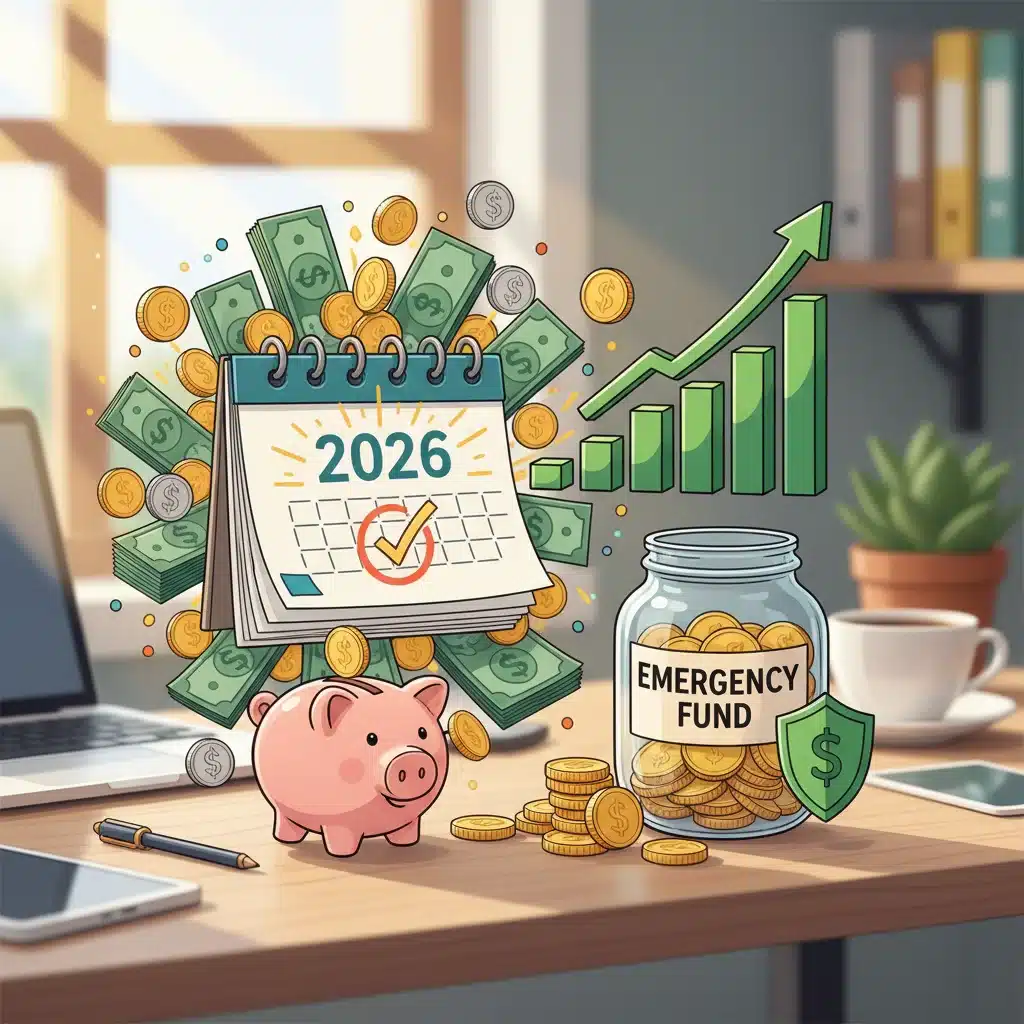
The 2026 Emergency Fund: How to Build a 6-Month Savings Buffer in Under 12 Months
In an unpredictable world, financial security isn’t just a luxury; it’s a necessity. The concept of an emergency fund 2026 has taken on new importance as individuals and families navigate economic shifts and unforeseen challenges. Imagine facing a sudden job loss, a medical emergency, or an unexpected home repair without the crushing weight of financial panic. That’s the power of a well-established emergency fund. This comprehensive guide will walk you through a detailed 12-month action plan to build a robust 6-month savings buffer by 2026, setting you up for unparalleled peace of mind and financial resilience.
Many people understand the importance of an emergency fund, but the sheer scale of the goal—saving several months’ worth of living expenses—can feel overwhelming. This is where a structured, step-by-step approach becomes invaluable. By breaking down the larger objective into manageable monthly targets, you can transform an intimidating task into an achievable milestone. Our focus is not just on saving, but on building smart habits, optimizing your finances, and creating a sustainable strategy that extends beyond 2026. Let’s dive into how you can make your emergency fund 2026 a reality.
Understanding the ‘Why’ Behind Your Emergency Fund 2026 Goal
Before we delve into the ‘how,’ it’s crucial to solidify your ‘why.’ Why is an emergency fund 2026 a priority for you? Is it to safeguard your family’s future, reduce financial stress, or gain the freedom to pursue new opportunities without fear? Understanding your core motivation will be your strongest ally when the going gets tough. An emergency fund acts as a financial shock absorber, protecting you from dipping into retirement savings, taking on high-interest debt, or compromising your long-term financial goals when unexpected events occur.
Consider the common scenarios an emergency fund protects against:
- Job Loss: The average job search can take several months. An emergency fund provides a crucial bridge, allowing you to cover expenses while you seek new employment without immediate financial hardship.
- Medical Emergencies: Even with health insurance, out-of-pocket costs, deductibles, and co-pays can quickly add up.
- Automobile Repairs: A sudden car breakdown can be costly and essential for daily commuting.
- Home Repairs: Leaky roofs, broken appliances, or plumbing issues often require immediate attention and significant funds.
- Unexpected Travel: Family emergencies or other unforeseen circumstances may necessitate last-minute travel.
By aiming for a 6-month buffer, you’re not just saving money; you’re investing in your peace of mind and future stability. This goal, to establish your emergency fund 2026, is a significant step towards true financial independence.
Step 1: Calculate Your Emergency Fund Target
The first concrete step in building your emergency fund 2026 is to determine exactly how much you need. A 6-month buffer means you need to save six times your essential monthly expenses. This isn’t your entire monthly spending, but rather the bare minimum required to keep a roof over your head, food on the table, and essential services running.
A. List Your Essential Monthly Expenses
Go through your bank statements, credit card bills, and budget from the last few months. Categorize your spending into essential and non-essential. Essential expenses include:
- Housing (rent/mortgage)
- Utilities (electricity, water, gas, internet)
- Groceries
- Transportation (gas, public transport, car insurance)
- Health insurance premiums
- Minimum debt payments (student loans, car loans, credit cards – though ideally, you’d pay more than the minimum)
- Basic toiletries and household necessities
Non-essential expenses are things you could cut back on or eliminate in a crisis, such as dining out, entertainment, subscriptions you don’t use frequently, new clothes, and vacations. Be honest and realistic. The goal here is to identify the absolute minimum you need to survive comfortably for six months.
B. Multiply by Six
Once you have your total essential monthly expenses, multiply that number by six. This is your target amount for your emergency fund 2026. For example, if your essential monthly expenses total $2,500, your target emergency fund would be $15,000.
C. Account for Variables
Consider any unique circumstances. Are you self-employed with fluctuating income? Do you have dependents with specific needs? Do you live in an area with a high cost of living? These factors might suggest you need a larger buffer, perhaps 8-12 months, though for the purpose of reaching your emergency fund 2026 goal within 12 months, 6 months is a solid and achievable target.
Step 2: Optimize Your Budget for Rapid Savings
Now that you know your target, the next step is to create a budget that prioritizes saving for your emergency fund 2026. This isn’t about deprivation, but about intentional spending and finding areas to reallocate funds.
A. Track Every Penny
For at least one month, meticulously track every single dollar you spend. This can be done with a spreadsheet, a budgeting app (like Mint, YNAB, or Personal Capital), or even a simple notebook. Many people are surprised to discover where their money actually goes. This awareness is the first step to control. Understanding your spending habits is fundamental to building your emergency fund 2026.
B. Identify and Cut Non-Essential Expenses
Once you have a clear picture of your spending, look for areas to cut. This could include:
- Reducing dining out or takeout meals.
- Canceling unused subscriptions (gym memberships, streaming services).
- Finding cheaper alternatives for services (e.g., switching phone plans).
- Delaying large discretionary purchases.
- Shopping smarter for groceries (meal planning, using coupons, buying in bulk).
Every dollar saved from non-essentials can be redirected towards your emergency fund 2026. Even small cuts add up significantly over 12 months.
C. Implement the 50/30/20 Rule (or a variation)
A popular budgeting framework is the 50/30/20 rule:
- 50% of income for Needs (essential expenses).
- 30% of income for Wants (non-essential expenses).
- 20% of income for Savings & Debt Repayment.
For aggressively building your emergency fund 2026, you might need to adjust this. Perhaps aim for 30-40% towards savings temporarily. The key is to make saving a non-negotiable line item in your budget, just like rent or utilities. Pay yourself first!

Step 3: Boost Your Income Streams
While cutting expenses is vital, increasing your income can dramatically accelerate your progress towards a fully funded emergency fund 2026. There are numerous ways to bring in extra cash, even if it’s just for a temporary period.
A. Side Hustles and Freelancing
Consider what skills you possess that could be monetized. Options include:
- Freelance writing, graphic design, or web development: Platforms like Upwork, Fiverr, or local classifieds can connect you with clients.
- Delivery services: Uber Eats, DoorDash, Instacart offer flexible hours.
- Ridesharing: If you have a reliable car, consider driving for Uber or Lyft.
- Tutoring or teaching: Share your knowledge in a subject you excel at.
- Selling crafts or goods online: Etsy, eBay, or local markets.
- Pet sitting or dog walking.
Even an extra few hundred dollars a month can make a substantial difference in reaching your emergency fund 2026 goal within the 12-month timeframe.
B. Sell Unused Items
Decluttering your home can also be a source of immediate cash. Look around for:
- Electronics you no longer use.
- Clothing and accessories in good condition.
- Furniture or home decor.
- Books, CDs, DVDs.
Platforms like Facebook Marketplace, Craigslist, eBay, or local consignment shops are great for selling items. Every sale directly contributes to your emergency fund 2026.
C. Ask for a Raise or Seek a Higher-Paying Job
If appropriate, consider negotiating a raise at your current job. Research industry standards for your role and prepare a strong case based on your contributions. Alternatively, if your current role offers limited growth, exploring higher-paying opportunities could be a long-term strategy that also helps fund your emergency fund 2026 more quickly.
Step 4: Automate Your Savings
One of the most effective strategies for building your emergency fund 2026 (or any savings goal) is automation. Remove the temptation to spend by ensuring money goes into savings before you even see it.
A. Set Up Automatic Transfers
Schedule an automatic transfer from your checking account to your dedicated emergency fund savings account each payday. Treat this transfer like a bill that must be paid. Even if you start small, consistency is key. As your income increases or expenses decrease, you can gradually increase the transfer amount.
B. Choose the Right Account
Your emergency fund should be easily accessible but separate from your everyday checking account. A high-yield savings account is ideal. These accounts typically offer better interest rates than traditional savings accounts, allowing your money to grow (albeit slowly) while remaining liquid. Ensure the account is FDIC-insured.
C. Direct Deposit Allocation
Many employers allow you to split your direct deposit across multiple accounts. Have a portion of your paycheck automatically deposited directly into your emergency fund savings account. This is the ultimate ‘set it and forget it’ method for building your emergency fund 2026.
Step 5: Tackle Debt Strategically
While an emergency fund is crucial, high-interest debt can erode your financial progress. A balanced approach is often best. Some financial experts suggest building a small ‘starter’ emergency fund (e.g., $1,000-$2,000) first, then aggressively paying down high-interest debt (like credit cards), and then returning to fully fund the 6-month buffer. Others advocate for funding the emergency fund first. Your personal risk tolerance and debt interest rates will guide this decision.
A. Consider the Debt Avalanche or Snowball Method
- Debt Avalanche: Pay off debts with the highest interest rates first, regardless of balance. This saves you the most money on interest in the long run.
- Debt Snowball: Pay off debts with the smallest balances first to gain momentum and psychological wins.
Whichever method you choose, reducing debt frees up more money that can then be channeled into your emergency fund 2026.
B. Avoid New Debt
During your 12-month mission to build your emergency fund 2026, make a conscious effort to avoid taking on any new debt. If you find yourself in a situation where you might normally use a credit card, try to find an alternative solution or defer the purchase if possible. This discipline is vital.
Step 6: Monitor Your Progress and Adjust
Building an emergency fund 2026 is a journey, not a sprint. Regular monitoring and adjustments are essential to stay on track.
A. Review Monthly
At least once a month, review your budget, your savings progress, and your overall financial picture. Are you meeting your savings targets? Are there unexpected expenses that require budget adjustments? Celebrate your wins and learn from any setbacks.
B. Adjust as Needed
Life happens. Your income might change, or unexpected costs might arise. Be flexible and willing to adjust your plan. If you fall behind one month, don’t despair; simply recommit and make a plan to catch up. The goal is to build your emergency fund 2026, and minor detours are part of the process.
C. Visualize Your Goal
Keep your target amount visible. Use a progress tracker, a thermometer chart, or a simple spreadsheet. Seeing your progress visually can be incredibly motivating and keep your emergency fund 2026 goal top-of-mind.

The 12-Month Action Plan to Your Emergency Fund 2026
Here’s a breakdown of how you can approach your emergency fund 2026 target over the next 12 months, assuming you start today. This plan is designed to be flexible; adapt it to your specific financial situation.
Months 1-2: Foundation and Awareness
- Calculate Your Target: Complete Step 1 thoroughly. Know your exact 6-month essential expenses.
- Track Everything: Spend these two months meticulously tracking every dollar in and out.
- Initial Cuts: Identify and implement easy cuts to non-essential spending.
- Open Dedicated Account: Set up a high-yield savings account for your emergency fund.
- Small Automatic Transfer: Start with a small, consistent automatic transfer, even if it’s just $50-$100 per paycheck, to build the habit.
- Sell 1-2 Items: Find a couple of unused items to sell and deposit the proceeds directly into your emergency fund.
Months 3-4: Aggressive Optimization
- Deep Dive Budget Review: Based on your tracking, make more significant budget cuts. Challenge every non-essential expense.
- Increase Automatic Transfer: Reassess your budget and significantly increase your automated savings contribution. Aim for at least 10-15% of your income, if not more.
- Explore Side Hustles: Begin researching and potentially starting a side hustle. Dedicate evenings or weekends to generating extra income.
- Meal Planning Focus: Implement strict meal planning to reduce grocery waste and dining out.
- Sell More Items: Continue decluttering and selling items.
Months 5-6: Building Momentum
- Side Hustle Integration: Fully integrate your side hustle income into your budget, directing a significant portion (or all) of it to your emergency fund.
- Income Allocation: If you receive any bonuses, tax refunds, or unexpected windfalls, funnel them directly into your emergency fund 2026.
- Debt Strategy Review: If you have high-interest debt, consider pausing emergency fund contributions temporarily to tackle it aggressively, if that aligns with your strategy (after establishing a small starter fund).
- Review Progress: Check your progress against your 6-month target. Adjust your monthly savings goal if you’re ahead or behind.
Months 7-9: Sustained Effort and Reinforcement
- Maintain Discipline: Continue with your optimized budget and automatic transfers. Consistency is paramount.
- Expense Audit: Conduct another audit of your expenses. Are there any new areas where you can save?
- Negotiate Bills: Call service providers (internet, insurance, cable) and negotiate lower rates or switch providers for better deals.
- Increase Income Further: Can you take on more hours at your side hustle, or find another small income stream?
Months 10-12: The Final Push to Your Emergency Fund 2026
- Final Review: Perform a comprehensive review of your progress. How close are you to your 6-month goal?
- Intensify Efforts: If you’re slightly behind, consider a final ‘no-spend’ challenge month or an extra push with your side hustle.
- Future Planning: Once your emergency fund 2026 is fully funded, think about your next financial goal (e.g., investing, retirement, down payment).
- Celebrate! Once you hit your target, take a moment to acknowledge your hard work and discipline. You’ve achieved a significant financial milestone!
Maintaining Your Emergency Fund Beyond 2026
Reaching your emergency fund 2026 goal is a massive accomplishment, but the work doesn’t stop there. An emergency fund is meant to be used in emergencies. If you do need to dip into it, prioritize replenishing it as quickly as possible. Life is dynamic, and your essential expenses might change over time. Revisit your emergency fund calculation periodically (e.g., annually) to ensure it still covers 6 months of your current essential living costs.
Furthermore, consider where your emergency fund is held. While a high-yield savings account is excellent for accessibility and safety, once your fund is fully established, you might explore other very low-risk, highly liquid options for any excess savings, such as money market accounts or short-term CDs, though the primary goal remains accessibility over maximum returns for this particular fund.
Common Pitfalls and How to Avoid Them
The journey to building an emergency fund 2026 isn’t always smooth. Here are some common obstacles and how to overcome them:
- Lack of Discipline: Automation is your best friend here. Set it and forget it.
- Vague Goals: A clear, specific target (6 months of X dollars by 2026) is far more motivating than a general idea.
- Discouragement: Don’t get disheartened by slow progress or setbacks. Focus on the long-term goal and celebrate small victories.
- Using the Fund for Non-Emergencies: Be strict about what constitutes an emergency. A sale on a new gadget is not an emergency.
- Ignoring Debt: While building an emergency fund, ignoring high-interest debt can be counterproductive. Address both strategically.
- Not Adjusting for Life Changes: Your expenses can change. Regularly re-evaluate your target amount.
By being aware of these pitfalls, you can proactively avoid them and stay on track to successfully fund your emergency fund 2026.
Conclusion: Your Path to Financial Freedom by 2026
Building a 6-month emergency fund 2026 in under 12 months is an ambitious but entirely achievable goal. It requires commitment, discipline, and a well-thought-out plan. By meticulously calculating your target, optimizing your budget, actively seeking to increase your income, automating your savings, and consistently monitoring your progress, you are not just saving money – you are building a foundation for lasting financial security and peace of mind.
Imagine the confidence and freedom that comes with knowing you have a substantial financial buffer to weather any storm. This isn’t just about money; it’s about reducing stress, empowering choices, and giving yourself and your family a priceless gift of security. Start today, follow this 12-month action plan, and by 2026, you’ll be celebrating one of the most impactful financial achievements of your life: a fully funded emergency fund 2026.