Smart Grocery Shopping: Reduce Your Food Bill by 25% with These 4 Insider Tips

Smart Grocery Shopping: Reduce Your Food Bill by 25% with These 4 Insider Tips
In today’s economic climate, every penny counts. For many households, grocery expenses represent one of the largest variable costs, often consuming a significant portion of the monthly budget. The good news? With a few strategic adjustments and a commitment to smart grocery shopping, you can dramatically reduce your food bill, potentially by 25% or even more, without sacrificing quality or nutrition. This comprehensive guide will equip you with four insider tips that will transform your shopping habits, empower you to make smarter choices, and ultimately save you a substantial amount of money.
Imagine having an extra 25% of your grocery budget freed up each month. What could you do with that money? Pay down debt? Save for a vacation? Invest in a new hobby? The possibilities are endless. By adopting a smart grocery shopping mindset, you’re not just saving money; you’re gaining financial freedom and peace of mind. Let’s dive into the actionable strategies that will help you achieve this goal.
Tip 1: Master the Art of Meal Planning and Inventory Management
The cornerstone of smart grocery shopping is meticulous meal planning combined with diligent inventory management. Many people head to the grocery store with a vague idea of what they need, leading to impulse purchases, forgotten items, and ultimately, food waste. A well-structured meal plan acts as your roadmap, guiding every purchase and ensuring that every item you buy has a purpose.
The Power of a Weekly Meal Plan
Start by dedicating a specific time each week, perhaps Sunday morning, to plan your meals for the upcoming seven days. Consider your family’s preferences, dietary restrictions, and busy schedules. Don’t just list meals; think about how ingredients can be repurposed. For example, if you’re roasting a whole chicken, plan to use the leftovers for chicken salad sandwiches or a quick stir-fry later in the week. This ‘cook once, eat twice (or thrice)’ strategy is a hallmark of efficient cooking and smart grocery shopping.
When creating your meal plan, also factor in what you already have on hand. This leads us to the next crucial step: inventory management.
Know What You Have: The Inventory Check
Before you even think about writing a grocery list, conduct a thorough inventory of your pantry, refrigerator, and freezer. What produce is about to expire? What staples are running low? What forgotten treasures are lurking in the back of your freezer? Incorporate these items into your meal plan first. This not only prevents food waste but also reduces the number of items you need to buy.
Consider using a simple spreadsheet or a dedicated app to keep track of your inventory. Knowing exactly what you have prevents duplicate purchases and ensures that food is used before it spoils. This proactive approach is a game-changer for smart grocery shopping.
Creating Your Strategic Grocery List
Once your meal plan is solid and your inventory is checked, create a detailed grocery list. Organize your list by supermarket aisle (produce, dairy, meat, dry goods, frozen, etc.). This seemingly small step saves immense time in the store, reduces impulse buys, and ensures you don’t miss anything. Stick to your list religiously. Think of it as your financial guardian against unnecessary spending.
By mastering meal planning and inventory management, you’ll find that your grocery trips become more focused, efficient, and significantly less expensive. This is the first, and arguably most important, step towards smart grocery shopping.
Tip 2: Become a Savvy Shopper: Deals, Discounts, and Digital Tools
Simply having a list isn’t enough; you need to be strategic about where and when you buy your items. The modern supermarket is a battlefield of promotions, and a smart grocery shopping warrior knows how to navigate it to their advantage. This involves embracing coupons, loyalty programs, and understanding pricing strategies.
Embrace Coupons and Digital Offers
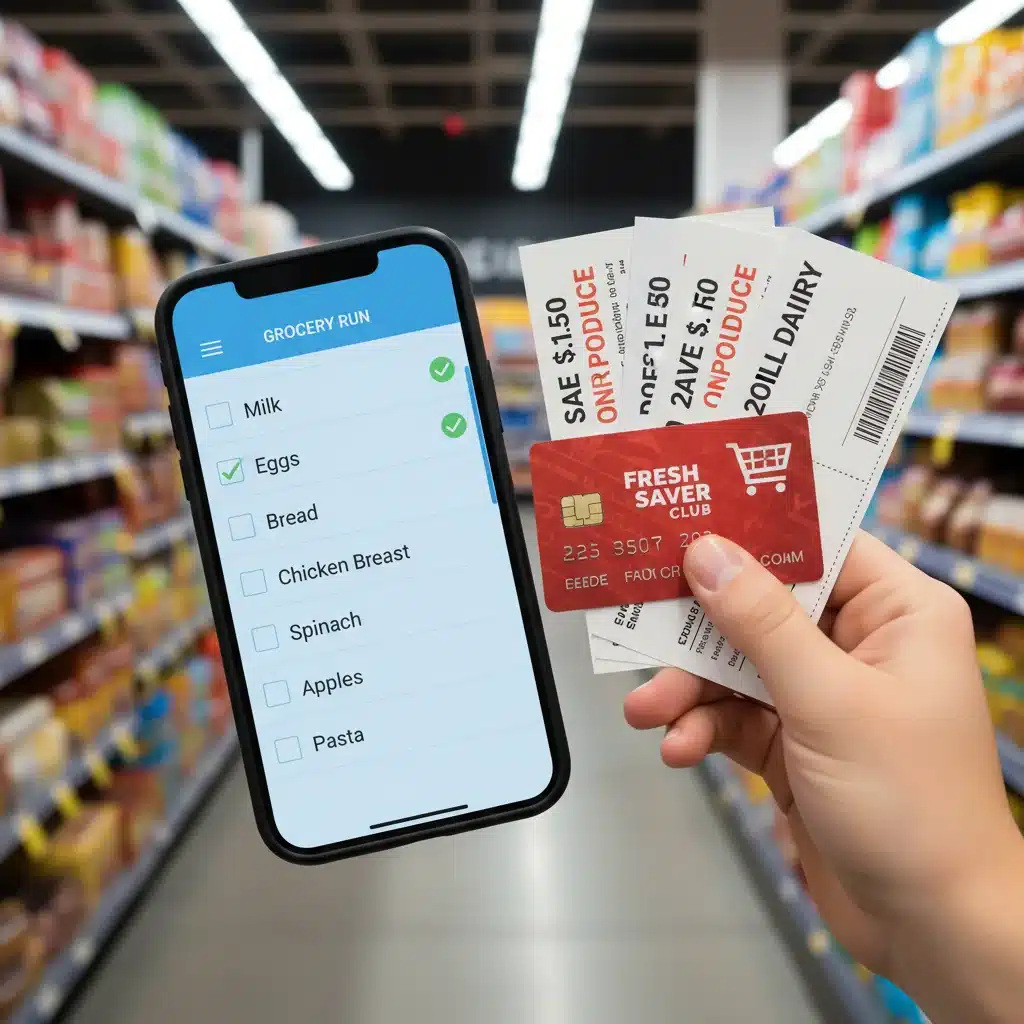
Gone are the days when coupons were solely found in Sunday newspapers. Today, digital coupons and offers are plentiful. Download your favorite grocery store’s app and regularly check for digital coupons. Many apps allow you to ‘clip’ coupons directly to your loyalty card, applying discounts automatically at checkout. Combine these with manufacturer coupons, and your savings can quickly add up.
Don’t just clip every coupon you see, though. Focus on coupons for items you regularly buy or that fit into your meal plan. A coupon for an item you don’t need is not a saving; it’s an unnecessary expense.
Leverage Loyalty Programs
Most major grocery chains offer loyalty programs. These programs often provide exclusive discounts, personalized offers, and sometimes even fuel points or cash back. Always use your loyalty card or enter your phone number at checkout. The accumulated savings from these programs can be substantial over time, making them an essential tool for smart grocery shopping.
Understand Sales Cycles and Stockpile Smartly
Groceries often go on sale in predictable cycles. For instance, holiday baking ingredients might be discounted in November and December, while barbecue essentials are cheaper in the summer. Learn your local stores’ sales patterns. When non-perishable items or freezer-friendly staples you use frequently go on a deep discount, consider buying in bulk. This is where smart stockpiling comes into play.
However, ‘stockpiling’ doesn’t mean buying 50 cans of beans if you only eat them once a month. It means buying enough to last until the next sale cycle, ensuring you never pay full price for your most-used items. This requires a balance between saving money and having adequate storage space.
Tip 3: Shop Smarter in the Store: Avoid Traps and Make Conscious Choices
Even with the best plan, the grocery store itself can present challenges. Supermarkets are designed to encourage impulse purchases. Smart grocery shopping means recognizing these tactics and actively working around them.
Never Shop Hungry
This is perhaps the oldest and most consistently true piece of advice. Shopping on an empty stomach makes everything look delicious and increases the likelihood of buying unhealthy snacks and unnecessary items. Eat a meal or a substantial snack before you head to the store to keep your cravings in check and your focus on your list.
Stick to the Perimeter (Mostly)
The perimeter of most grocery stores is where you’ll find the freshest, most essential items: produce, dairy, meat, and bread. The inner aisles are often where processed foods, snacks, and impulse buys reside. While you’ll need to venture into the inner aisles for staples like pasta, rice, and canned goods, try to minimize your time there. The less exposure you have to tempting, often more expensive, items, the less likely you are to deviate from your smart grocery shopping plan.
Compare Unit Prices, Not Just Sticker Prices
One of the most powerful tools for smart grocery shopping is understanding unit pricing. This is the price per ounce, per pound, per 100 grams, or per item. Larger packages often appear to be a better deal, but not always. Always check the unit price (usually displayed on the shelf label) to determine the true cost-effectiveness of different sizes and brands. A smaller package on sale might sometimes be cheaper per unit than a larger, seemingly discounted one.
Don’t fall for marketing tricks like ‘buy one, get one free’ if you don’t need two of the item. Sometimes, buying just one at full price is still cheaper than being forced to buy two when you only need one, or if you can find a similar product from a different brand at a lower unit price.
Buy In-Season Produce and Consider Frozen
Produce is often cheapest and freshest when it’s in season. Buying strawberries in July will be far more economical than buying them in January. Plan your meals around seasonal availability. If a fruit or vegetable isn’t in season, or if you find a great deal, consider buying frozen options. Frozen fruits and vegetables are often just as nutritious, if not more so (as they are picked at peak ripeness and flash-frozen), and can be significantly cheaper, especially for items like berries, peas, and corn. They also reduce food waste as you can use only what you need.
Tip 4: Reduce Food Waste: Maximize Every Purchase
Even if you’re a master of smart grocery shopping in the store, your efforts are undermined if food spoils before you can eat it. Food waste is a significant drain on household budgets and a major environmental concern. By implementing strategies to reduce waste, you’re essentially saving money after the groceries are brought home.
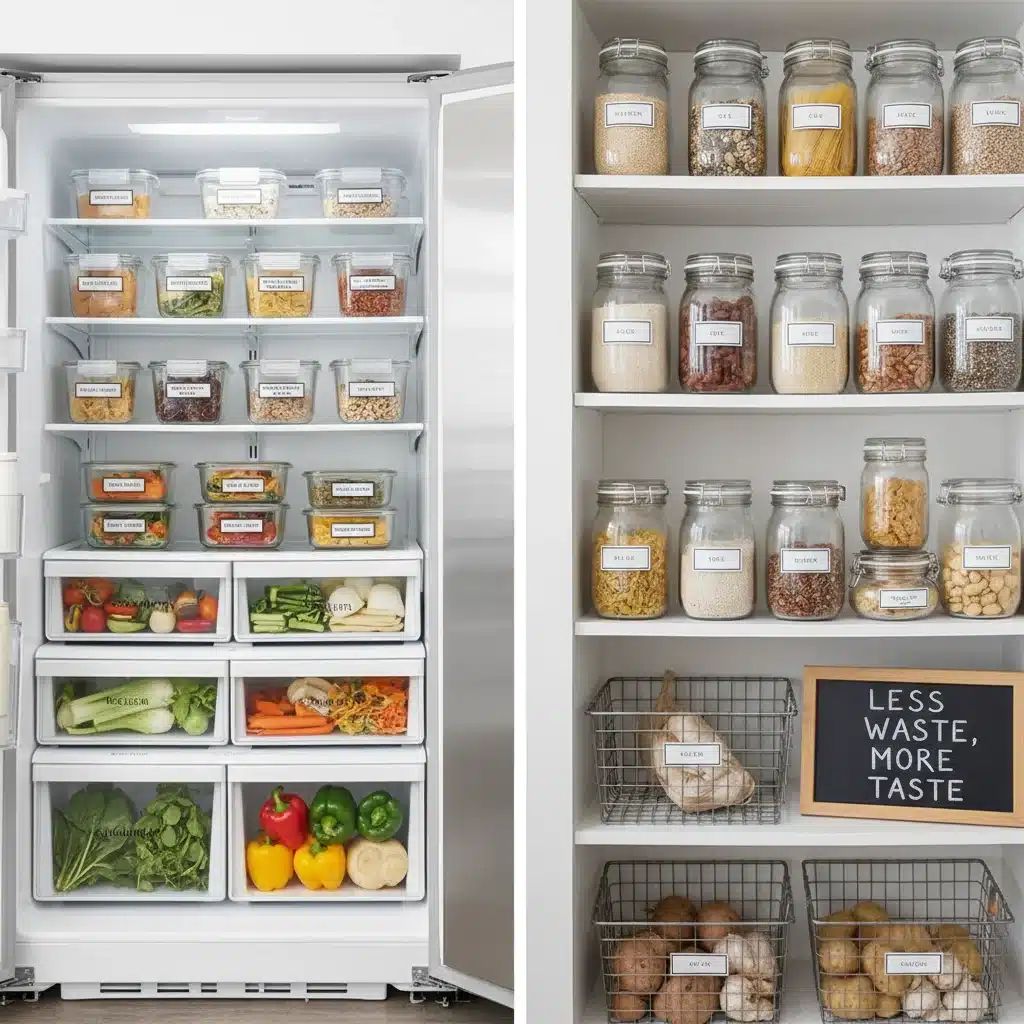
Proper Storage is Key
Understanding how to properly store different types of food can extend their shelf life dramatically. For example:
- Produce: Store leafy greens in airtight containers with a damp paper towel. Keep fruits like apples and bananas separate (bananas release ethylene gas that ripens other fruits faster). Some vegetables (like potatoes and onions) prefer cool, dark places, not the fridge.
- Herbs: Treat fresh herbs like flowers – trim the stems and place them in a glass of water, then cover loosely with a plastic bag and refrigerate.
- Leftovers: Store leftovers in clear, airtight containers in the front of your fridge so you remember to eat them. Label them with the date they were made.
Invest in good quality food storage containers. They pay for themselves quickly by preventing spoilage.
Embrace Creative Cooking and Repurposing
Don’t let wilting vegetables or leftover bits of protein go to waste. Get creative in the kitchen:
- Vegetable Scraps: Keep a bag in the freezer for vegetable scraps (onion peels, carrot tops, celery ends) to make homemade vegetable broth.
- Leftover Rice/Pasta: Transform into fried rice, a frittata, or a quick pasta salad.
- Overripe Fruit: Perfect for smoothies, baking (banana bread!), or making fruit compotes.
- Stale Bread: Turn into croutons, breadcrumbs, or French toast.
Think of ‘use-it-up’ meals. Towards the end of the week, before your next smart grocery shopping trip, plan a meal that incorporates all the odds and ends in your fridge. This could be a stir-fry, a ‘clean out the fridge’ soup, or a creative omelet.
Understand Expiration Dates vs. Best By Dates
Many people throw away perfectly good food because they misunderstand date labels. ‘Sell By’ dates are for retailers. ‘Best By’ or ‘Best Before’ dates indicate peak quality, not food safety. ‘Use By’ or ‘Expiration’ dates are the ones to pay closer attention to for perishable items, though even then, trust your senses (smell, sight) for many products. Learning this distinction is a crucial part of smart grocery shopping and reducing waste.
Beyond the Tips: Cultivating a Mindset for Sustainable Savings
Implementing these four insider tips for smart grocery shopping will undoubtedly lead to significant savings. However, true long-term success comes from cultivating a mindset of conscious consumption and continuous improvement. Here are a few additional considerations to solidify your savings and make smart grocery shopping a sustainable habit:
Batch Cooking and Meal Prepping
Beyond just planning, actively preparing components of your meals in advance can save time and money. Batch cook grains like quinoa or rice, chop vegetables, or pre-cook proteins. This makes assembling healthy meals during busy weeknights much faster, reducing the temptation for expensive takeout or convenience foods. This proactive approach is a hallmark of truly smart grocery shopping.
Consider Alternative Shopping Venues
While your primary supermarket offers convenience, don’t overlook other options. Farmer’s markets often have seasonal produce at competitive prices, especially towards the end of the market day. Discount grocery stores (like Aldi or Lidl) can offer significant savings on staples. Ethnic markets can be great for spices, produce, and specialty items at lower prices. Even warehouse clubs (Costco, Sam’s Club) can be beneficial for bulk purchases of non-perishables, but only if you genuinely use those quantities and factor in membership fees.
Grow Your Own (Even a Little)
Even a small herb garden on a windowsill can save you money on fresh herbs, which can be surprisingly expensive at the store. If you have outdoor space, consider growing a few high-cost, high-yield items like tomatoes, lettuce, or peppers. There’s immense satisfaction in eating food you’ve grown yourself, and it’s an ultimate form of smart grocery shopping.
Review and Adjust Your Budget Regularly
Periodically review your grocery spending. Are you meeting your 25% savings goal? Where are you still overspending? What areas could be improved? The process of smart grocery shopping is not static; it evolves as your needs, preferences, and the market change. Regular review allows you to fine-tune your strategies and ensure you remain on track.
Cook More From Scratch
Pre-made meals, pre-cut vegetables, and highly processed foods often come with a premium price tag for the convenience they offer. While convenience has its place, committing to cooking more meals from scratch using basic ingredients is one of the most effective ways to reduce your grocery bill. It also allows you to control ingredients, leading to healthier eating. This is a fundamental principle of smart grocery shopping.
Conclusion: Your Path to Significant Grocery Savings
Reducing your food bill by 25% might seem like an ambitious goal, but with the consistent application of these four insider tips, it is entirely achievable. By mastering meal planning and inventory, becoming a savvy shopper for deals, shopping smarter in the store, and rigorously reducing food waste, you will transform your relationship with food and your finances. Smart grocery shopping isn’t just about cutting costs; it’s about making more informed choices, being more efficient, and enjoying delicious, healthy meals without breaking the bank.
Start small, implement one tip at a time, and gradually build these habits into your routine. Over time, you’ll see a dramatic positive impact on your budget and a greater appreciation for the food you buy and consume. Happy saving!