Unlock Hidden Savings: Cut Monthly Expenses by 15% in 3 Months

Unlocking Hidden Savings: Insider Strategies to Cut Monthly Expenses by 15% in 3 Months
In today’s dynamic economic landscape, the ability to effectively manage and cut monthly expenses is not just a desirable skill but a crucial one for financial stability and future prosperity. Many people feel trapped by their recurring costs, believing that significant savings are beyond their reach without drastic lifestyle changes. However, this perception is often far from the truth. With a strategic approach and consistent effort, it is entirely possible to cut monthly expenses by a substantial 15% within a mere three months, paving the way for increased savings, reduced financial stress, and the achievement of long-term financial goals.
This comprehensive guide is designed to equip you with insider strategies and actionable steps to achieve this ambitious yet attainable goal. We’ll delve into various facets of your spending, from the seemingly small daily costs to the larger, more intimidating fixed expenses, revealing how minor adjustments can collectively lead to monumental savings. Our focus is on practical, sustainable changes that won’t leave you feeling deprived but rather empowered and in control of your financial destiny. By the end of this article, you will have a clear roadmap to identify unnecessary spending, negotiate better deals, and adopt habits that foster financial resilience.
The journey to cutting your expenses by 15% in three months requires dedication, but the rewards are well worth the effort. Imagine what you could do with an extra 15% of your income each month: pay down debt faster, build an emergency fund, invest more, or simply enjoy a greater sense of security. Let’s embark on this transformative financial journey together, uncovering the hidden savings that are waiting to be discovered in your budget.
Month 1: The Foundation – Understanding and Tracking Your Spending
The first step in any successful expense-cutting mission is to thoroughly understand where your money goes. This initial month is dedicated to gaining clarity, identifying your spending patterns, and setting realistic targets. Without a clear picture of your current financial outflow, it’s impossible to effectively cut monthly expenses.
1. The Spending Audit: Know Your Numbers
Before you can make any cuts, you need a precise understanding of your current financial situation. This involves a comprehensive spending audit. Gather all your bank statements, credit card statements, and receipts for the past three to six months. Categorize every single expense. This can be done manually with a spreadsheet, or by utilizing budgeting apps that automatically categorize transactions.
- Fixed Expenses: These are costs that generally remain the same each month, such as rent/mortgage, loan payments, insurance premiums, and subscription services.
- Variable Expenses: These fluctuate monthly and include groceries, dining out, entertainment, transportation, and utilities.
- Discretionary Spending: This category captures non-essential purchases and leisure activities.
The goal here is not to judge your past spending but to observe it objectively. Many people are surprised to discover how much they spend on certain categories once they see the consolidated data. This audit will serve as your baseline for the next two months.
2. Create a Realistic Budget
Once you have a clear picture of your spending, it’s time to create a budget. A budget isn’t about restricting yourself; it’s about allocating your money intentionally. Use the data from your spending audit to inform your budget categories. Aim for a budget that is both challenging and achievable. Consider popular budgeting methods like the 50/30/20 rule (50% needs, 30% wants, 20% savings/debt repayment) as a starting point, but customize it to your unique financial situation.
When setting your budget, specifically identify areas where you believe you can realistically cut monthly expenses. For instance, if your audit shows you’re spending a significant amount on dining out, set a lower, but still enjoyable, target for that category.
3. Identify Low-Hanging Fruit for Immediate Cuts
In the first month, focus on the easiest and most impactful changes. These are often referred to as ‘low-hanging fruit.’ They require minimal effort but can yield significant savings quickly, boosting your motivation to continue.
- Unused Subscriptions: Review all your recurring subscriptions (streaming services, gym memberships, apps, etc.). Cancel any that you no longer use or rarely use. Even $10-$20 subscriptions add up quickly.
- Dining Out/Takeout: This is often a major expense for many households. Commit to cooking more meals at home. Even reducing takeout by a few times a week can lead to substantial savings. Pack your lunch for work instead of buying it.
- Impulse Buys: Implement a ’24-hour rule’ for non-essential purchases. If you see something you want, wait 24 hours before buying it. Often, the urge passes, and you realize you don’t truly need it.
- Coffee Shop Habits: If you buy coffee daily, consider making it at home. This small change alone can save hundreds of dollars annually.
By diligently tracking your spending and implementing these initial cuts, you’ll lay a solid foundation for achieving your 15% savings goal. Remember, consistency is key, even in these early stages.
Month 2: Strategic Reductions and Negotiation Tactics
With a clear understanding of your spending and some initial cuts already in place, Month 2 is about diving deeper into your expenses, employing strategic reduction techniques, and leveraging negotiation to further cut monthly expenses. This month focuses on tackling larger recurring bills and optimizing your consumption habits.
1. Tackle Recurring Bills: Negotiate and Shop Around
Many of your fixed expenses aren’t as fixed as you might think. This is where negotiation and comparison shopping come into play. Dedicate time to review and potentially reduce these significant costs:
- Insurance Premiums (Auto, Home, Health): Don’t just renew your policies automatically. Get quotes from multiple providers. Often, loyalty doesn’t pay, and switching can save you hundreds annually. Call your current provider and ask if they can beat a competitor’s quote or offer any discounts.
- Internet, Cable, and Phone Plans: These services are highly competitive. Call your current providers and inquire about new customer deals or loyalty programs. Threatening to switch providers can often prompt them to offer a better rate. Evaluate if you truly need all the channels or the highest internet speed. Consider ‘cutting the cord’ if you primarily use streaming services.
- Utility Bills (Electricity, Gas, Water): While some usage is unavoidable, there are ways to reduce your consumption. Implement energy-saving habits like unplugging electronics, using LED bulbs, adjusting your thermostat, and taking shorter showers. Look into energy audits offered by your utility company.
- Loan Interest Rates: If you have credit card debt or personal loans, research options for refinancing or consolidating at a lower interest rate. Even a percentage point or two can significantly reduce your monthly payments and the total amount paid over time.
These actions can have a profound impact on your ability to cut monthly expenses without sacrificing essential services. The key is to be proactive and assertive in seeking better deals.
2. Optimize Grocery Spending
Food is one of the largest variable expenses for most households. Smart grocery shopping can lead to substantial savings.
- Meal Planning: Plan your meals for the week before you shop. This reduces impulse buys and ensures you only buy what you need.
- Grocery Lists: Stick to your list religiously. Avoid shopping when hungry, as this often leads to unnecessary purchases.
- Compare Prices: Don’t be afraid to check unit prices. Buy store brands or generic versions; they are often just as good as name brands but significantly cheaper.
- Utilize Sales and Coupons: Keep an eye on weekly circulars and use digital coupons. Stock up on non-perishable items when they are on sale.
- Reduce Food Waste: Leftovers are your friend! Repurpose them into new meals or freeze them for later. Understand expiration dates and proper food storage.
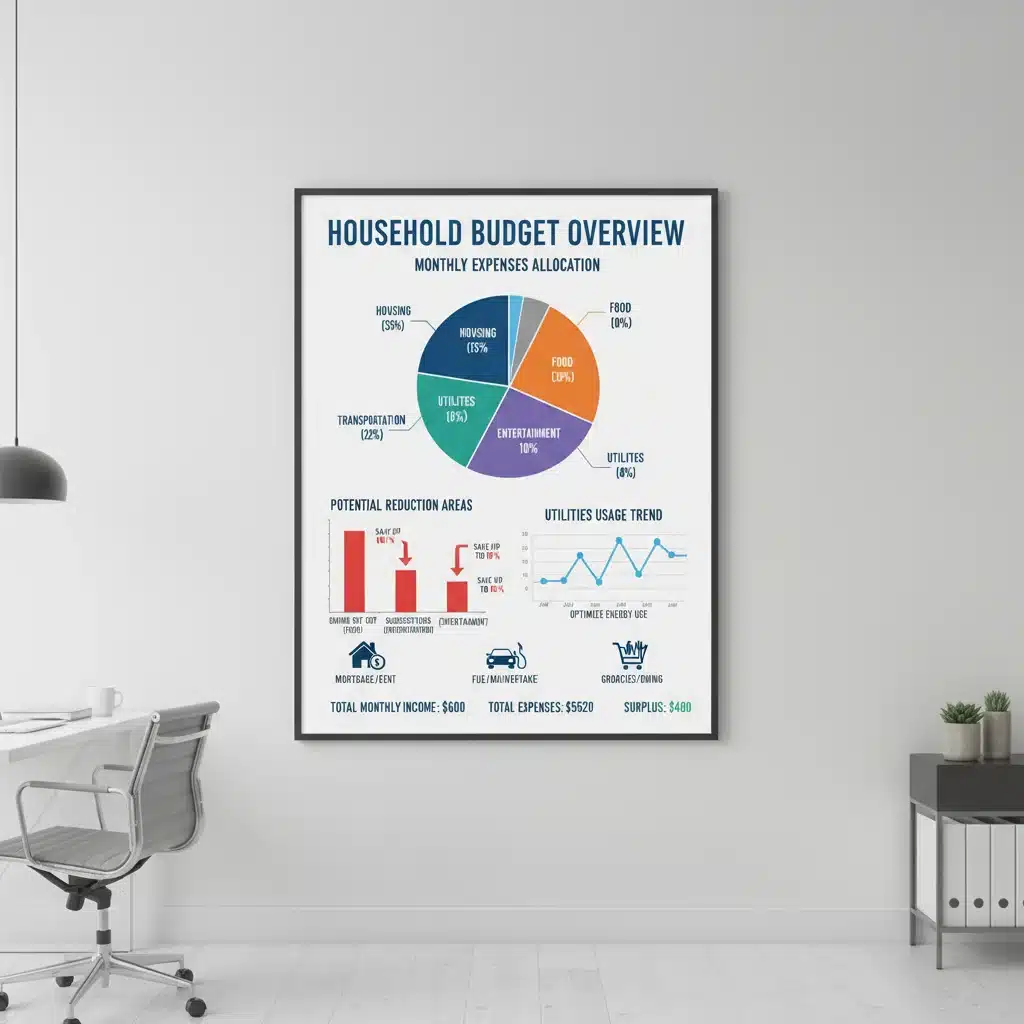
3. Transportation Cost Reduction
For many, commuting is a significant expense. Consider ways to reduce these costs:
- Public Transportation: If available, explore using public transport instead of driving.
- Car Pooling: Share rides with colleagues or friends to save on fuel and parking.
- Biking/Walking: For shorter distances, consider active transportation. It’s good for your health and your wallet.
- Vehicle Maintenance: Regular maintenance can prevent costly breakdowns and improve fuel efficiency. Combine errands to reduce driving frequency.
By the end of Month 2, you should have a firm grasp on your spending, have made significant cuts to both fixed and variable expenses, and be well on your way to achieving your 15% savings goal. Remember to track your progress diligently to stay motivated.
Month 3: Advanced Strategies and Sustainable Habits
Entering Month 3, you’ve already made considerable progress in your quest to cut monthly expenses. This final month is about fine-tuning your efforts, exploring more advanced savings strategies, and most importantly, solidifying these new habits for long-term financial health. The goal is to ensure these changes are sustainable and become an integral part of your financial lifestyle.
1. Re-evaluate and Optimize Your Budget
Now is the time to review your budget with fresh eyes. Compare your actual spending from Months 1 and 2 against your initial budget. Where did you succeed? Where did you fall short? Adjust your budget as needed, making it even more precise and reflective of your new spending habits. This iterative process is crucial for continuous improvement.
- Identify Remaining Gaps: Are there any categories where you’re still overspending? Can you find additional areas to trim without feeling overly restricted?
- Automate Savings: Set up automatic transfers from your checking account to your savings account immediately after you get paid. Even a small, consistent amount adds up. This ‘pay yourself first’ strategy ensures savings are prioritized.
- Create a ‘No-Spend’ Challenge: Try a weekly or bi-weekly ‘no-spend’ day where you commit to not spending any money outside of absolute necessities (like pre-planned groceries). This helps break spending habits and highlights how much you rely on impulse purchases.
2. Smart Entertainment and Leisure
Entertainment and leisure activities are important for quality of life, but they don’t have to break the bank. There are numerous ways to enjoy yourself without overspending.
- Free or Low-Cost Activities: Explore local parks, free community events, libraries (for books, movies, and even passes to museums), hiking trails, or host potluck dinners with friends instead of dining out.
- Bundle Services: If you have multiple streaming services, consider if a bundle deal from one provider could be cheaper, or if you can rotate subscriptions (subscribe to one service for a month, then cancel and subscribe to another).
- DIY vs. Professional Services: Can you do certain tasks yourself instead of paying for them? This could include home repairs, gardening, car washing, or even personal grooming.
3. Mindful Spending and Consumption
Cultivating a mindset of mindful spending is perhaps the most powerful long-term strategy to cut monthly expenses. It’s about making conscious decisions about every purchase.
- Question Every Purchase: Before buying something, ask yourself: ‘Do I truly need this?’ ‘Is there a cheaper alternative?’ ‘Will this bring long-term value or just temporary satisfaction?’
- Batch Purchases: If you often buy small items online, try to consolidate them into fewer, larger orders to save on shipping costs.
- Borrow or Rent Instead of Buy: For items you use infrequently (e.g., specialized tools, party supplies), consider borrowing from friends or renting rather than purchasing.
- Repair Before Replacing: If something breaks, assess if it can be repaired before rushing to buy a new one. This is not only cost-effective but also environmentally friendly.

4. Review and Adjust: The Continuous Cycle
The end of three months isn’t the end of your financial journey; it’s just the beginning of a more financially savvy you. Regularly review your budget and spending. Life circumstances change, and your budget should evolve with them. What worked perfectly for three months might need slight adjustments in the next quarter.
Celebrate your successes! Acknowledge the effort you’ve put in and the significant progress you’ve made in cutting your monthly expenses by 15%. This positive reinforcement will encourage you to maintain these healthy financial habits.
The Long-Term Benefits of Cutting Monthly Expenses
Achieving the goal of cutting your monthly expenses by 15% in three months goes far beyond the immediate financial relief. It instills a discipline and awareness that has profound long-term benefits:
- Increased Savings: The most obvious benefit is a larger savings account, which can be used for emergencies, down payments, investments, or retirement.
- Debt Reduction: Extra funds can be directed towards paying off high-interest debt, saving you money on interest payments and accelerating your path to debt freedom.
- Reduced Financial Stress: Knowing you have a handle on your finances and are actively saving provides immense peace of mind.
- Greater Financial Flexibility: With more disposable income, you have more choices and opportunities, whether it’s for education, travel, or starting a business.
- Improved Financial Literacy: The process of auditing, budgeting, and optimizing expenses significantly enhances your understanding of personal finance.
- Sustainable Spending Habits: The strategies learned become ingrained habits, leading to a lifetime of smarter financial decisions.
Remember, financial success is a marathon, not a sprint. The strategies outlined in this guide are not just temporary fixes but tools for building a robust and resilient financial future. By committing to these steps, you are not just cutting expenses; you are investing in your future self.
Conclusion: Your Path to Financial Empowerment
Cutting your monthly expenses by 15% in three months is an ambitious but entirely achievable goal. It requires a combination of self-awareness, strategic planning, and consistent action. By following the month-by-month roadmap laid out in this guide – starting with a thorough spending audit, moving to strategic negotiations and smart shopping, and finally solidifying sustainable habits – you will not only reach your target but also gain invaluable financial literacy and control.
The journey may present challenges, but each small victory contributes to your overall success. Embrace the process, stay disciplined, and celebrate your progress. The financial freedom and peace of mind that come from mastering your expenses are truly priceless. Start today, and within three months, you’ll look back with pride at how effectively you managed to cut monthly expenses and transformed your financial landscape. Your future self will thank you.