Maximize Your 2026 Budget: 7 Essential Strategies for Household Savings
As we approach 2026, many of us are looking for ways to improve our financial health and make our money go further. The rising cost of living makes it more crucial than ever to implement effective household savings strategies. Whether you’re aiming to save for a down payment, pay off debt, or simply build a stronger emergency fund, a well-thought-out approach to your finances can make a significant difference. This comprehensive guide will walk you through seven essential strategies to help you maximize your 2026 budget and achieve your financial goals.
1. Create and Stick to a Detailed Budget
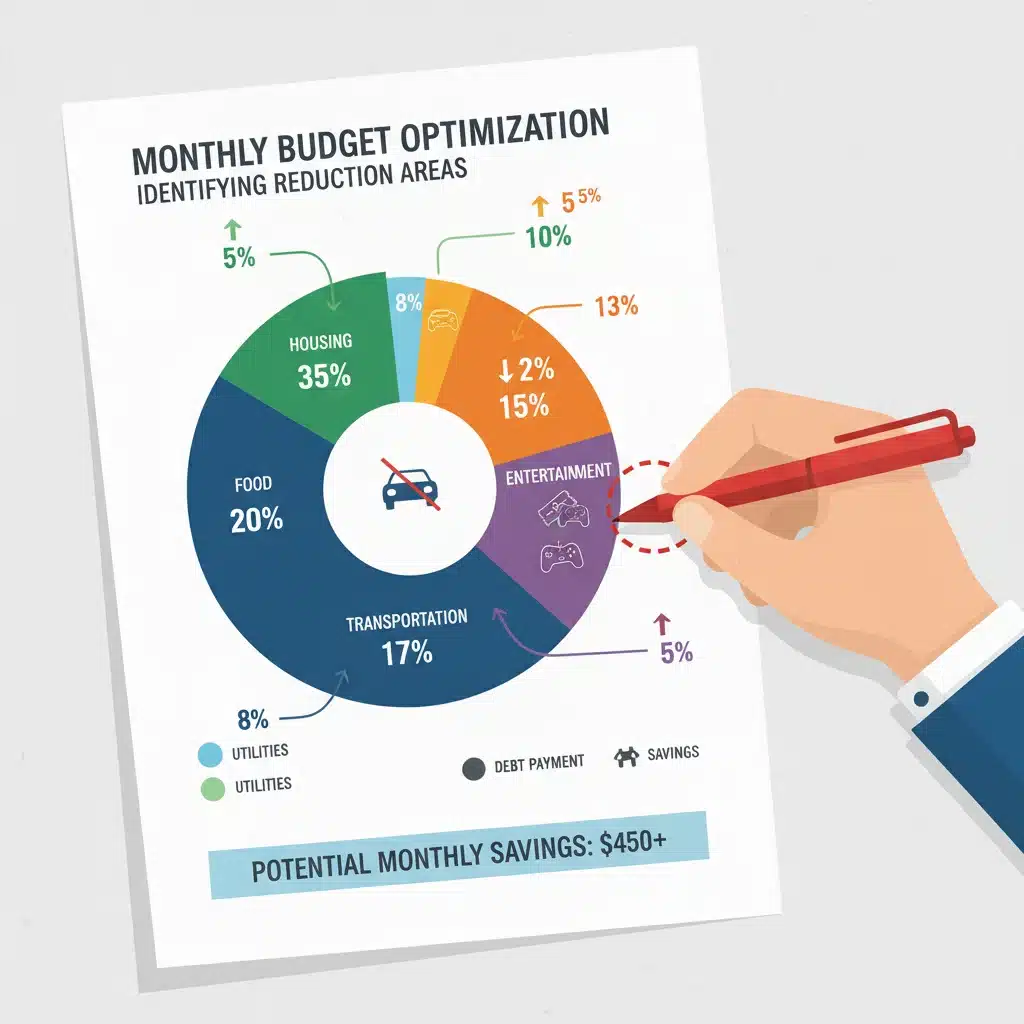
The foundation of all effective household savings strategies is a robust and realistic budget. Without knowing where your money is going, it’s impossible to identify areas for improvement. Start by tracking all your income and expenses for at least a month. Categorize every single expenditure, from your mortgage payment to your daily coffee. Tools like spreadsheets, budgeting apps, or even a simple notebook can be incredibly helpful here.
Once you have a clear picture, allocate specific amounts to each category. Be honest with yourself about your spending habits. If you consistently overspend in one area, adjust your budget or find ways to cut back. The key is to create a budget that is sustainable and reflects your real-life spending. Don’t be too restrictive initially, as this can lead to frustration and abandonment. Instead, aim for a budget that allows for some flexibility while still pushing you towards your savings goals.
Regularly review your budget, ideally weekly or bi-weekly, to ensure you’re on track. Life happens, and your financial situation might change, so be prepared to adjust your budget as needed. This ongoing process of tracking and adjusting is vital for long-term success in implementing household savings strategies.
2. Automate Your Savings
One of the most powerful household savings strategies is to automate your savings. This means setting up automatic transfers from your checking account to your savings account immediately after you get paid. The principle here is ‘pay yourself first.’ By moving money into savings before you have a chance to spend it, you prioritize your financial future.
Start with a manageable amount, even if it’s small. The goal is to build a habit. As your income increases or your expenses decrease, you can gradually increase the automated savings amount. Many banks offer features that allow you to set up recurring transfers, or even round up your debit card purchases to the nearest dollar and transfer the difference to savings. Explore these options to find what works best for you.
Automating savings removes the temptation to spend the money and makes saving a default action rather than a conscious effort. This strategy is particularly effective because it leverages human psychology – out of sight, out of mind. When the money is automatically moved, you learn to live on what’s left, effectively increasing your household savings strategies without feeling the pinch as acutely.
3. Cut Down on Recurring Expenses and Subscriptions
In today’s digital age, it’s easy to accumulate numerous recurring expenses and subscriptions that can quickly add up. Take some time to review all your monthly subscriptions, including streaming services, gym memberships, software subscriptions, and even recurring delivery services. Ask yourself: do I use this regularly? Is it providing enough value to justify the cost?
You might be surprised to find subscriptions you’ve forgotten about or those you no longer use. Cancel any unnecessary ones immediately. For services you do use, consider downgrading to a cheaper plan or exploring family sharing options if available. For example, if you have multiple streaming services, consider rotating them throughout the year instead of paying for all of them simultaneously. This is a highly effective way to implement household savings strategies without making drastic lifestyle changes.
Beyond subscriptions, look at other recurring bills like internet, phone, and insurance. Shop around for better deals at least once a year. A quick phone call to your current providers might even yield a better rate, especially if you mention competitor offers. These small, consistent reductions in recurring expenses can lead to significant household savings strategies over the course of a year.
4. Optimize Your Grocery Spending and Meal Planning
Food is one of the largest variable expenses for most households, making it a prime target for household savings strategies. Strategic grocery shopping and meal planning can dramatically reduce your food bill without sacrificing nutrition or enjoyment.
Meal Planning:
- Plan Ahead: Dedicate an hour once a week to plan all your meals for the coming days. This helps you create a precise shopping list and avoids impulse purchases.
- Use What You Have: Before planning new meals, check your pantry, fridge, and freezer for ingredients you already own. Build meals around these to reduce waste and save money.
- Cook in Bulk: Prepare larger portions of meals that can be eaten as leftovers or frozen for future quick dinners. This saves time and often money.
- Pack Lunches: Bringing your lunch to work or school instead of buying it daily can save hundreds of dollars a month.
Smart Grocery Shopping:
- Create a List and Stick to It: Impulse buys are budget killers. A well-planned list keeps you focused.
- Shop with a Full Stomach: Shopping when hungry often leads to buying more than you need or unhealthy snacks.
- Compare Prices: Don’t be afraid to check unit prices and compare different brands. Store brands are often just as good as name brands but significantly cheaper.
- Utilize Sales and Coupons: Look through weekly flyers and use digital coupons. Stock up on non-perishable items when they are on sale.
- Buy in Season: Seasonal produce is usually fresher, tastier, and more affordable.
- Reduce Food Waste: Learn how to properly store food to extend its shelf life. Get creative with leftovers to avoid throwing food away.
By implementing these grocery and meal planning household savings strategies, you’ll not only save money but also likely eat healthier and reduce your environmental footprint.
5. Reduce Energy Consumption at Home
Utility bills, especially electricity and heating/cooling, can be a significant drain on your budget. Implementing energy-saving practices around your home is an excellent way to boost your household savings strategies.
- Smart Thermostat: Install a programmable or smart thermostat to automatically adjust temperatures when you’re away or asleep.
- Seal Leaks: Check for drafts around windows and doors and seal them with weatherstripping or caulk. This prevents heat/cold from escaping.
- Unplug Electronics: Many electronics draw ‘phantom power’ even when turned off. Unplug them or use power strips that can be switched off.
- LED Lighting: Replace incandescent bulbs with energy-efficient LED bulbs, which use significantly less electricity and last much longer.
- Efficient Appliances: If you’re due for an appliance upgrade, choose energy-efficient models with an Energy Star rating.
- Laundry Habits: Wash clothes in cold water whenever possible and air dry them. Clean your dryer’s lint trap regularly for better efficiency.
- Insulation: Improve your home’s insulation, especially in the attic, to maintain a consistent indoor temperature.
These actions not only save money on your monthly bills but also contribute to a more sustainable lifestyle. The initial investment in some of these improvements can pay for themselves many times over through reduced energy costs, making them smart household savings strategies.
6. Debt Reduction and Smart Borrowing
High-interest debt, such as credit card debt, can severely hinder your ability to save. A crucial part of any effective household savings strategies plan is to actively reduce and manage your debt.
Strategies for Debt Reduction:
- Debt Snowball or Avalanche Method:
- Snowball: Pay off the smallest debt first to gain momentum, then roll that payment into the next smallest debt.
- Avalanche: Focus on paying off the debt with the highest interest rate first, which saves you the most money in the long run.
- Consolidate Debt: Consider a personal loan or balance transfer credit card with a lower interest rate to consolidate high-interest debts. Be cautious and ensure you understand the terms.
- Negotiate Interest Rates: Call your credit card companies and ask if they can lower your interest rates, especially if you have a good payment history.
- Avoid New Debt: While paying off existing debt, make a conscious effort to avoid taking on new debt.
Smart Borrowing Practices:
- Emergency Fund First: Before making large purchases on credit, build an emergency fund to cover unexpected expenses. This prevents you from falling back into debt.
- Research Before You Buy: For larger purchases like cars or homes, thoroughly research interest rates and loan terms to get the best deal.
- Understand the True Cost: Always calculate the total cost of borrowing, including interest, before taking out a loan.
By prioritizing debt reduction and adopting smart borrowing habits, you free up more of your income for savings and investments, significantly strengthening your household savings strategies.
7. Explore Additional Income Streams and Financial Optimization
While cutting expenses is vital, increasing your income can accelerate your savings goals. Exploring additional income streams, combined with smart financial optimization, provides a powerful boost to your household savings strategies.
Additional Income Streams:
- Side Hustles: Consider freelancing, tutoring, dog walking, ridesharing, or selling crafts online. Even a few extra hours a week can add up.
- Sell Unused Items: Declutter your home and sell items you no longer need on platforms like eBay, Facebook Marketplace, or local consignment shops.
- Monetize Hobbies: If you have a skill or hobby, explore ways to turn it into a source of income.
- Ask for a Raise: If you’ve been performing well at your job, prepare a case for a raise or promotion.
Financial Optimization:
- Review Insurance Policies: Periodically review your home, auto, and life insurance policies to ensure you’re getting the best coverage at the most competitive rates. Don’t just renew automatically.
- Optimize Bank Accounts: Look for high-yield savings accounts that offer better interest rates on your savings. Compare checking accounts for lower fees.
- Tax Planning: Understand tax deductions and credits you might be eligible for. Consult a tax professional if your situation is complex. Proper tax planning can significantly impact your net income.
- Invest Wisely: Once you have an emergency fund and are managing debt, consider investing. Even small, consistent investments can grow significantly over time due to compounding. Explore low-cost index funds or ETFs.
Combining expense reduction with income generation and financial optimization creates a robust framework for achieving your financial goals. These proactive household savings strategies ensure you’re not just cutting back, but actively building wealth.
Conclusion: Building a Financially Secure 2026 and Beyond
Implementing effective household savings strategies is not a one-time event but an ongoing journey. By adopting these seven essential tips – creating a detailed budget, automating savings, cutting recurring expenses, optimizing grocery spending, reducing energy consumption, managing debt wisely, and exploring additional income streams – you are setting yourself up for financial success in 2026 and for years to come.
Start small, be consistent, and don’t get discouraged by setbacks. Every small step you take towards better financial management contributes to a more secure and prosperous future for your household. Remember, the goal is not just to save money, but to build a lifestyle that supports your financial aspirations and provides peace of mind. By diligently applying these household savings strategies, you can gain control over your finances and turn your financial dreams into reality.
What are your favorite household savings strategies? Share your tips and experiences in the comments below!