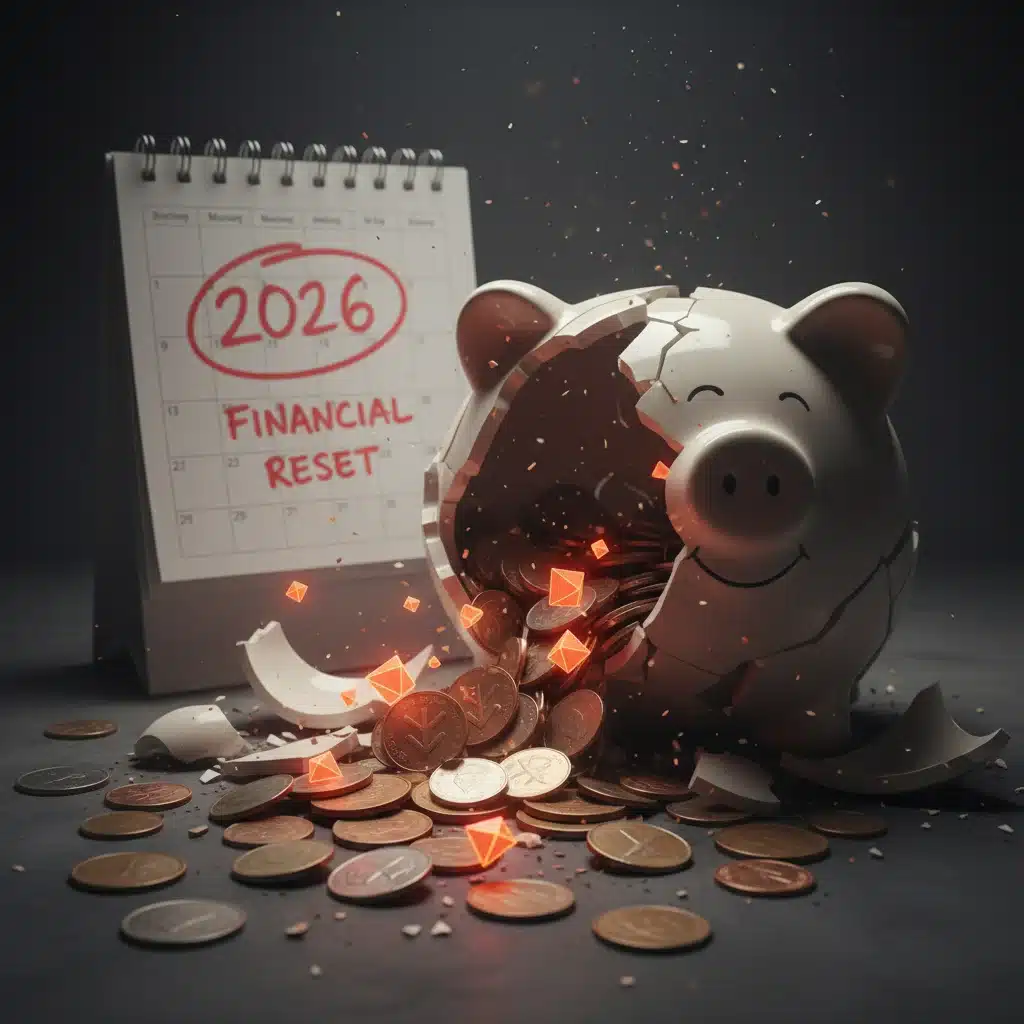
The landscape of loyalty programs is in constant flux, a dynamic environment where the value of your hard-earned points and miles can shift without much warning. As we approach 2026, industry experts and frequent travelers are bracing for what many predict will be a significant wave of loyalty program devaluations. Understanding these changes, anticipating their impact, and developing robust strategies to protect your rewards are paramount for any savvy consumer. This comprehensive guide will delve into the intricacies of loyalty program devaluations, explore recent updates, analyze their financial impact, and provide actionable advice to ensure your points retain their maximum value.
For years, loyalty programs have been a cornerstone of customer retention for airlines, hotels, credit card companies, and retailers. They offer enticing rewards, from free flights and hotel stays to exclusive experiences and merchandise. However, the economic pressures, evolving business models, and the sheer volume of points in circulation often lead companies to adjust their redemption charts, often to the detriment of the consumer. This phenomenon, known as devaluation, essentially means that your points will be worth less for the same redemption in the future than they are today. The goal of this article is not to instill panic, but to equip you with the knowledge and tools to navigate these changes effectively.
Understanding Loyalty Program Devaluations: The Core Concept
At its heart, a loyalty program devaluation occurs when the number of points or miles required for a specific reward increases, or when the value of each point decreases for a given redemption. For example, if a flight that once cost 25,000 miles now costs 30,000 miles, your miles have been devalued by 20%. These changes can manifest in several ways:
- Increased Redemption Rates: The most common form, where more points are needed for the same flight, hotel night, or product.
- Dynamic Pricing: Many programs are moving away from fixed award charts towards dynamic pricing, where the point cost fluctuates based on demand, cash price, and other factors. This often leads to higher point costs during peak travel times.
- Reduced Earning Rates: Companies might decrease the number of points earned per dollar spent, making it harder to accumulate rewards.
- Elimination of Sweet Spots: Certain high-value redemption opportunities (e.g., specific routes, hotel categories, or transfer partners) might be removed or made significantly more expensive.
- Changes to Elite Status Benefits: While not a direct point devaluation, changes to elite status can indirectly impact the value derived from a program, such as reduced complimentary upgrades or lounge access.
- Expiration Policies: Stricter point expiration policies can force members to redeem points quickly, potentially before they can achieve their desired redemption.
The reasons behind these devaluations are multifaceted. Airlines and hotels face rising operational costs, credit card companies need to maintain profitability, and the sheer volume of points issued can create a liability on their balance sheets. Additionally, with more people understanding how to maximize points and miles, companies often adjust to curb what they perceive as excessive redemptions. The anticipation for 2026 stems from various economic indicators, historical patterns of program adjustments, and statements from industry insiders hinting at upcoming shifts.
Recent Updates and What They Mean for 2026
The travel and loyalty industry has seen a flurry of activity in recent years, much of which points towards future devaluations. Several major players have already implemented changes that serve as a precursor to what we might expect in 2026. For instance:
- Airline Industry Shifts: Many airlines have already transitioned to dynamic award pricing, making it challenging to predict the exact cost of a flight in points. This trend is expected to continue and solidify across more carriers. Some have also increased the miles required for premium cabin redemptions, a clear signal of devaluation.
- Hotel Chain Adjustments: Major hotel groups have also moved towards dynamic pricing for award nights, often eliminating fixed category charts. This means that a standard room in a popular destination can now cost significantly more points during peak season.
- Credit Card Program Evolution: Credit card issuers, while often offering generous sign-up bonuses, are also under pressure. We’ve seen some adjust transfer ratios to airline or hotel partners, effectively devaluing points indirectly. Annual fees are also increasing, requiring consumers to extract more value from benefits to offset costs.
- Partnership Changes: The value of points can also be impacted by changes in loyalty program partnerships. The addition or removal of transfer partners, or changes in how points convert between partners, can significantly alter redemption strategies.
These recent updates are not isolated incidents but rather part of a broader trend. Companies are continually analyzing their loyalty program economics, striving to balance customer engagement with financial sustainability. As we move closer to 2026, expect more announcements regarding program adjustments, earning structure modifications, and potentially new redemption tiers that could impact your point valuations. Staying informed by regularly checking program terms and conditions, as well as following reputable points and miles blogs, is crucial.
Financial Impact: Quantifying the Loss
The financial impact of loyalty program devaluations can be substantial, especially for those who have accumulated large balances of points or miles. What once represented a free international business class flight could, after a devaluation, only cover an economy ticket or require a significant co-pay. Consider these aspects:
- Reduced Purchasing Power: The most direct impact is the reduction in the purchasing power of your points. If you had planned a specific redemption, it might now cost more points than you possess, or more than you are willing to spend.
- Opportunity Cost: Holding onto points that are losing value is akin to holding a depreciating asset. The opportunity cost is the value you could have realized by redeeming them earlier.
- Budgetary Adjustments: For those who rely on points for travel, devaluations can force a recalculation of travel budgets. What was once ‘free’ might now require a cash outlay or a less desirable redemption.
- Impact on Credit Card Value: Many consumers choose specific credit cards based on their loyalty program affiliations. If the associated points devalue, the perceived value of that credit card, including its annual fee, might diminish.
- Psychological Impact: Beyond the monetary loss, there’s a psychological impact. The excitement of accumulating points for a dream trip can turn into frustration when those points suddenly don’t go as far.
Quantifying the exact financial loss can be challenging due to the dynamic nature of many programs. However, a simple calculation can illustrate the point: if you have 100,000 miles that were previously worth $0.015 each (total value $1,500), and after a devaluation, they are worth $0.012 each (total value $1,200), you’ve lost $300 in value. Multiply this across millions of members and billions of points, and the financial implications for consumers are enormous. It underscores the importance of having a proactive strategy rather than a reactive one.

Strategies to Protect Your Points and Maximize Value
While devaluations are an inevitable part of the loyalty program ecosystem, you are not powerless. By adopting smart strategies, you can mitigate the impact and continue to extract significant value from your points and miles. Here are key approaches to consider:
1. "Earn and Burn" Philosophy
Perhaps the most straightforward strategy is the "earn and burn" approach. Instead of hoarding points for years, redeem them for aspirational travel or other high-value rewards relatively quickly after earning them. This minimizes the risk of devaluation, as your points are used before significant changes can occur. This strategy is particularly effective for programs prone to frequent changes or those with dynamic pricing models where future values are highly unpredictable.
2. Diversify Your Point Portfolio
Just as you wouldn’t put all your financial investments into a single stock, avoid putting all your loyalty points into a single program. Diversify your point holdings across various airlines, hotels, and transferable points programs (like Chase Ultimate Rewards, American Express Membership Rewards, Citi ThankYou Points, and Capital One Miles). If one program devalues, the impact on your overall travel strategy will be less severe. Transferable points are especially valuable because they offer flexibility; you can move them to the partner program that offers the best redemption value at a given time.
3. Target High-Value Redemptions
Not all redemptions are created equal. Focus on using your points for experiences that offer the highest per-point value. This often includes:
- International Business/First Class Flights: These redemptions frequently offer the best value, sometimes exceeding 5 cents per point.
- Luxury Hotel Stays: High-end hotel redemptions, especially during peak season, can provide excellent value compared to paying cash.
- Strategic Partner Transfers: Research which transfer partners offer the best redemption rates for your desired travel. Sometimes, transferring points to a lesser-known partner can unlock incredible value.
Avoid redeeming points for low-value options like merchandise, gift cards, or cash back unless absolutely necessary, as these typically yield a much lower return.
4. Stay Informed and Proactive
Knowledge is your best defense against devaluations. Regularly read points and miles blogs, subscribe to newsletters, and follow industry news. These resources often provide early warnings about impending devaluations, giving you time to react. When a devaluation is announced, act quickly to book desired redemptions under the old, more favorable terms. Many programs offer a grace period between the announcement and implementation of changes.
5. Understand Program Terms and Conditions
Take the time to understand the specific terms and conditions of your loyalty programs. Pay attention to expiration policies, blackout dates, and any clauses that allow the program to change redemption rates or benefits without prior notice. This understanding will help you make informed decisions about when and how to use your points.
6. Utilize Credit Card Benefits Beyond Points
While points are a major draw, don’t overlook other valuable benefits offered by premium travel credit cards. These can include annual travel credits, free night certificates, lounge access, elite status perks, travel insurance, and statement credits. These benefits can help offset annual fees and provide tangible value even if the points themselves face devaluation.
7. Consider Fixed-Value Points
Some credit card rewards programs offer fixed-value points, meaning each point is worth a set amount (e.g., 1 cent) when redeemed for travel through their portal. While these points may not offer the aspirational high-value redemptions of transferrable points, they are immune to traditional devaluations. If predictability and simplicity are priorities, these programs can be a good option.
8. Leverage Award Sales and Promotions
Keep an eye out for award sales, discounted redemptions, or transfer bonuses. Airlines and hotels occasionally offer promotions that reduce the number of points required for certain flights or stays, or credit card companies offer bonuses when transferring points to a partner. These can be excellent opportunities to maximize the value of your points, especially in the face of impending devaluations.
The Future of Loyalty Programs Post-2026
Looking beyond the anticipated devaluations of 2026, the loyalty program landscape is likely to continue evolving. We can expect a greater emphasis on personalization, with programs tailoring offers and redemption opportunities based on individual member behavior. Dynamic pricing will become even more prevalent, making fixed award charts a relic of the past for most major programs. The focus will shift from simply accumulating points to actively engaging with the program and understanding its nuances to extract maximum value.
Furthermore, sustainability and ethical considerations might play a larger role. Programs could integrate options for members to use points for charitable donations or environmentally friendly initiatives. The integration of loyalty programs with emerging technologies, such as blockchain for secure and transparent point transfers, also holds potential for future innovation.
For consumers, this means that active management of loyalty accounts will become more critical than ever. Simply earning points passively will not be enough to guarantee value. Proactive engagement, strategic redemption, and continuous learning about program changes will be the hallmarks of successful points and miles strategies.

Case Studies: Learning from Past Devaluations
Examining past devaluations can provide valuable lessons. For example, when a major airline moved from a region-based award chart to a distance-based one, many popular redemption routes became significantly more expensive. Savvy travelers who anticipated this change or acted quickly upon the announcement were able to book their desired trips before the new, higher rates took effect.
Similarly, a large hotel chain’s shift to dynamic pricing for award nights meant that certain properties, once consistently available for a fixed number of points, now commanded vastly different amounts depending on the season and demand. Those who understood the implications adjusted their booking strategies, perhaps by booking well in advance or choosing off-peak travel dates to get better value.
These examples highlight the recurring themes: the importance of staying informed, being flexible with travel plans, and being ready to "burn" points when a good opportunity arises or when a devaluation is imminent. Procrastination is often the enemy of point maximizers.
Conclusion: Navigating the Evolving Loyalty Landscape
The prospect of loyalty program devaluations in 2026 might seem daunting, but it doesn’t have to diminish the joy and financial benefits of participating in these programs. By understanding the underlying reasons for devaluations, staying abreast of recent changes, and implementing proactive strategies, you can continue to protect your points and maximize their value. The key is to be an engaged and informed participant, treating your points and miles not just as a reward, but as a valuable currency that requires careful management.
Embrace the "earn and burn" philosophy, diversify your portfolio, target high-value redemptions, and always be on the lookout for new information. With these strategies in place, you’ll be well-equipped to navigate the evolving loyalty landscape, ensuring that your travel dreams remain within reach, even as the rules of the game continue to change.
Don’t let the fear of devaluation deter you from enjoying the incredible benefits that loyalty programs offer. Instead, let it empower you to become a more strategic and savvy points collector. The future of loyalty is about adaptability, and those who adapt best will continue to unlock amazing travel experiences and financial savings.