Loyalty Programs 2026: Unlock $300+ Savings from Rewards Points

The 2026 Loyalty Program Playbook: Converting Points into Over $300 in Real Savings
In an increasingly competitive consumer landscape, loyalty programs have evolved from simple stamp cards to sophisticated ecosystems designed to retain customers and incentivize spending. For the savvy consumer, these programs are not just about brand affinity; they represent a significant, often untapped, source of financial savings. As we look towards 2026, the strategies for maximizing these benefits are becoming more refined, offering unprecedented opportunities to convert accumulated points into tangible value – potentially exceeding $300 in real savings annually. This comprehensive guide will serve as your playbook, diving deep into the mechanics of effective loyalty program engagement, highlighting the financial impact of strategic redemption, and providing practical solutions to ensure you get the most out of every point.
Understanding the Evolution of Loyalty Programs in 2026
The landscape of loyalty programs is dynamic, constantly adapting to technological advancements, shifting consumer behaviors, and economic pressures. In 2026, we’re seeing several key trends that redefine how we interact with and benefit from these programs. Personalization, driven by advanced AI and data analytics, is at the forefront. Programs are no longer one-size-fits-all; they are tailoring offers, redemption options, and communication to individual preferences and spending habits. This means that to maximize your loyalty program savings, you need to understand how these personalized offers work and how to leverage them.
Beyond Basic Points: Tiered Systems and Experiential Rewards
Many programs have moved beyond simple point accumulation to tiered systems, where higher tiers unlock exclusive benefits, accelerated earning rates, and premium redemption options. These can include early access to sales, dedicated customer service, or even unique experiences that are not available to the general public. While the direct monetary value of an experience might be harder to quantify, the perceived value and satisfaction can be immense, indirectly contributing to your overall financial well-being by reducing the need to spend on similar leisure activities.
The Rise of Coalition and Partner Programs
Another significant trend is the proliferation of coalition loyalty programs and partnerships. These allow consumers to earn and redeem points across multiple brands, often within different industries. Think of airline miles that can be earned through credit card spending, hotel stays, and even grocery purchases. This interconnectedness vastly expands the opportunities for accumulating points and diversifying redemption options. Understanding these networks is crucial for optimizing your loyalty program savings, as points from one transaction might be more valuable when redeemed through a partner.
The Financial Impact: How Loyalty Program Savings Add Up to Over $300
The idea of saving $300 or more annually through loyalty programs might seem ambitious, but it’s entirely achievable with a strategic approach. This isn’t about drastic lifestyle changes; it’s about smart spending and even smarter redemption. Let’s break down how these savings materialize.
Direct Savings: Discounts, Vouchers, and Cash Equivalents
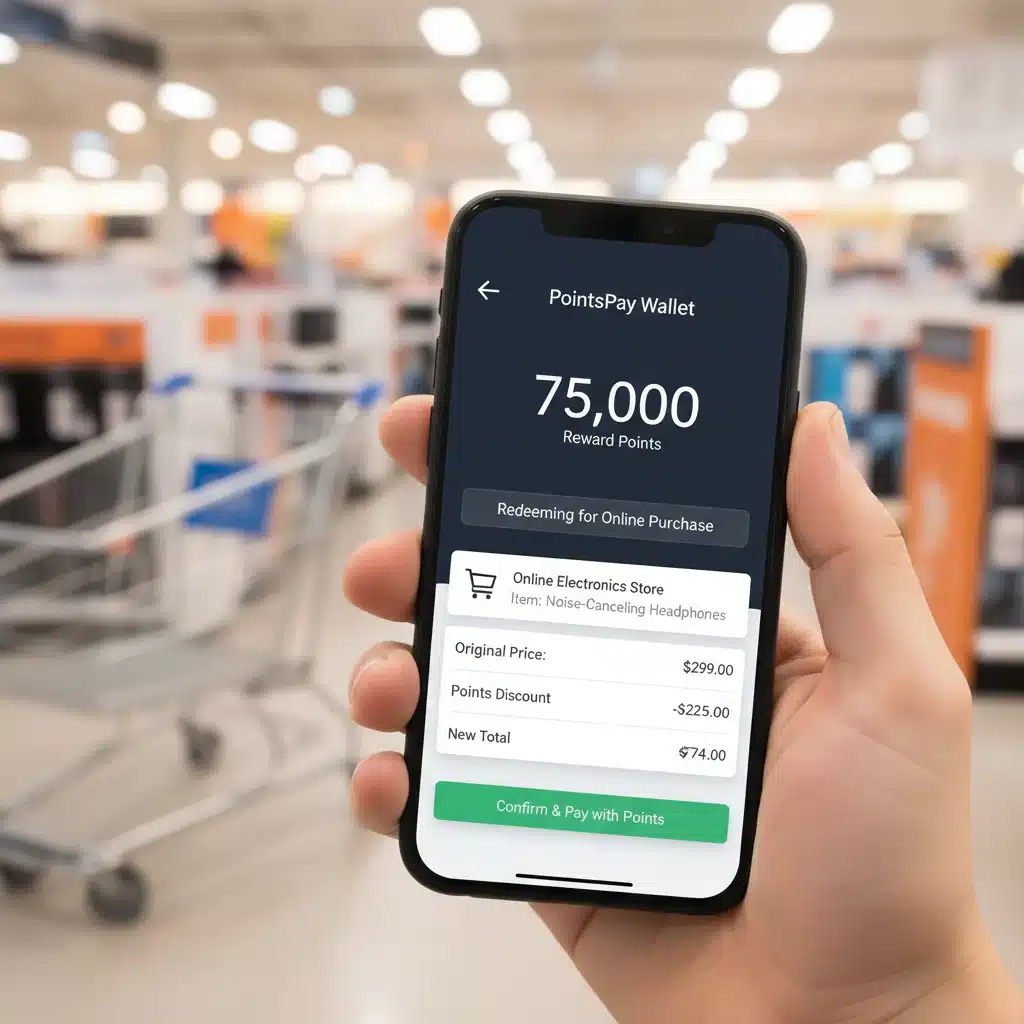
The most straightforward way to achieve loyalty program savings is through direct monetary benefits. Many programs offer points that can be converted into cash-back, gift cards, or direct discounts on future purchases. For example, a credit card rewards program might offer 1% cash back on all purchases, while a grocery store loyalty program might give you $10 off your next shop for every 1,000 points accumulated. By consistently earning and strategically redeeming these points, the savings accumulate quickly. Consider a scenario where you earn an average of $25 in cash back or direct discounts per month across various programs. Over a year, that’s $300 right there, without even factoring in other types of benefits.
Indirect Savings: Freebies and Upgrades
Beyond direct monetary value, loyalty programs offer significant indirect savings. Think of free shipping, complimentary upgrades (e.g., in hotels or airlines), free products (e.g., a free coffee after X purchases), or exclusive access to events. While these don’t put cash directly into your pocket, they reduce expenses you might otherwise incur. A free checked bag on a flight saves you $30-$60. A complimentary hotel room upgrade can provide a more luxurious experience without the added cost. These indirect savings, when quantified, significantly contribute to the $300+ goal.
Opportunity Cost and Value Maximization
A crucial aspect of maximizing loyalty program savings is understanding the value of your points. Not all points are created equal, and their value can fluctuate based on redemption options. For instance, airline miles might be worth 1 cent per mile for an economy ticket but 2 cents per mile for a business class upgrade. Being aware of these valuations and waiting for optimal redemption opportunities can dramatically increase the real-world value you extract from your points. Avoiding low-value redemptions (like converting points to merchandise with a poor points-to-dollar ratio) is key to ensuring your savings are maximized.
Practical Solutions: Your 2026 Playbook for Loyalty Program Savings
Now that we understand the potential, let’s delve into actionable strategies to ensure you’re not leaving money on the table. This playbook combines best practices with forward-looking advice for 2026.
1. Audit Your Current Loyalty Program Portfolio
The first step is to know what you’re working with. Make a list of all the loyalty programs you’re a member of, including credit cards, airlines, hotels, retail stores, and local businesses. For each program, note:
- Points Balance: How many points do you currently have?
- Earning Rate: How do you earn points (e.g., 1 point per dollar, bonus points on certain categories)?
- Redemption Options: What can you redeem points for (cash back, travel, merchandise, gift cards)?
- Point Value: What is the approximate monetary value of each point for various redemption options?
- Expiration Policies: Do points expire, and if so, when?
This audit will help you identify dormant accounts, programs with expiring points, and those offering the best value for your spending habits.
2. Consolidate and Prioritize Your Spending
Instead of spreading your spending thinly across many programs, focus on a few key programs that align with your regular expenses and offer the best redemption value. For example, if you frequently fly with a particular airline, concentrate your travel spending and associated credit card usage to maximize miles with that airline. If a specific grocery store offers double points on purchases, make it your primary shopping destination. This consolidation accelerates your point accumulation, bringing you closer to valuable redemptions faster and boosting your loyalty program savings.

3. Master the Art of Strategic Redemption
Earning points is only half the battle; knowing when and how to redeem them is equally, if not more, important. Here are some strategies:
- Avoid Impulse Redemptions: Don’t redeem points just because you have them. Wait for opportunities where the point value is maximized.
- Look for Bonus Redemption Offers: Many programs periodically offer bonus value for redemptions (e.g., 25% more value for gift cards to certain retailers).
- Target High-Value Redemptions: As mentioned, some redemptions offer a better points-to-dollar ratio than others. For travel programs, this often means business/first-class upgrades or premium hotel stays. For retail, it might mean using points during a sale to get an even deeper discount.
- Consider Transfer Partners: If your credit card points can be transferred to airline or hotel partners, compare the value you get from direct redemption versus transfer. Often, transferring points can yield significantly higher value.
4. Leverage Technology: Apps and Aggregators
In 2026, technology is your best friend for managing loyalty programs. Utilize:
- Program-Specific Apps: Most major loyalty programs have dedicated apps that allow you to track points, view offers, and redeem rewards on the go.
- Loyalty Program Aggregators: Apps like AwardWallet or Stocard allow you to track multiple loyalty programs in one place, providing a consolidated view of your balances and alerting you to expiring points.
- Browser Extensions: Some extensions automatically apply coupon codes or notify you of cashback opportunities through partner programs when you shop online, further boosting your loyalty program savings.
5. Stay Informed About Program Changes
Loyalty programs are not static. Terms and conditions, earning rates, and redemption values can change. Subscribe to newsletters from your key programs, follow relevant financial blogs, and set up alerts for news related to your preferred loyalty schemes. Being aware of upcoming devaluations or enhanced earning opportunities allows you to adjust your strategy proactively and prevent your hard-earned points from losing value.
6. Utilize Credit Card Sign-Up Bonuses Wisely
Many credit cards offer substantial sign-up bonuses, often worth hundreds of dollars in points or miles, after meeting a minimum spending requirement. Strategically applying for and meeting these requirements can be a rapid way to accumulate a significant amount of points. However, this strategy requires financial discipline: only apply for cards if you can meet the spending requirement without going into debt, and always pay off your balance in full to avoid interest charges that would negate any rewards earned.
Advanced Strategies for Maximizing Loyalty Program Savings
For those looking to go beyond the basics, these advanced tactics can push your savings even further.
Stacking Promotions and Offers
The art of stacking involves combining multiple offers to maximize your return. This could mean using a credit card that offers bonus points at a specific retailer, while simultaneously using that retailer’s loyalty program, and perhaps even going through a cashback portal. Each layer adds to your overall savings, turning a single purchase into a multi-faceted rewards opportunity. For example, buying groceries with a credit card that gives 3x points on groceries, while also swiping your store loyalty card for member discounts and earning store points, and then activating a personalized offer for bonus points on certain items. This multi-pronged approach significantly enhances your loyalty program savings.
Understanding Dynamic Pricing for Redemptions
Increasingly, airlines and hotels are moving towards dynamic pricing for award redemptions, where the number of points required for a flight or stay fluctuates with demand, just like cash prices. This means flexibility is key. If you can travel during off-peak seasons or be flexible with your dates, you can often find significantly better redemption values. Monitoring award charts and being ready to book when a good deal appears can save you thousands of points, translating into more cash savings.
Leveraging Elite Status Benefits
Achieving elite status in airline or hotel programs often unlocks a host of benefits that go beyond simple point earning. These can include complimentary upgrades, lounge access, free breakfast, late checkout, and dedicated customer service. While status often requires significant spending or travel, for frequent travelers, the value derived from these perks can easily exceed the cost of achieving status, offering substantial indirect loyalty program savings.
Common Pitfalls to Avoid in Your Loyalty Journey
While the potential for savings is high, there are common mistakes that can diminish your efforts. Being aware of these can help you stay on track.
Accumulating Points with No Redemption Plan
Points are only valuable if you use them. Hoarding points indefinitely, especially if they have an expiration date or if the program devalues its currency, is a common pitfall. Have a general idea of what you want to save for and aim to redeem points within a reasonable timeframe to ensure you capture their value.
Overspending to Earn Points
The golden rule of loyalty programs: never spend money you wouldn’t otherwise spend, just to earn points. The interest paid on credit card debt or the cost of unnecessary purchases will always outweigh the value of any points earned. Loyalty programs are designed to reward existing spending, not encourage new, unbudgeted spending.
Ignoring Expiration Dates and Program Changes
As mentioned, points can expire, and programs can change. Failing to keep track of these crucial details can lead to lost points and missed opportunities. Regular checks of your loyalty accounts and staying informed are vital.
Not Diversifying Your Point Earning
While consolidating spending is good, putting all your loyalty eggs in one basket can be risky if that program suddenly devalues or changes its terms. A balanced approach involves focusing on a few high-value programs while still participating in others where you naturally spend, ensuring you have multiple avenues for earning and redeeming rewards.
Conclusion: Your Path to Over $300 in Loyalty Program Savings by 2026
The year 2026 presents an exciting landscape for consumers looking to leverage loyalty programs for significant financial gains. By adopting a strategic, informed, and proactive approach, converting your accumulated points into over $300 in real savings is not just a possibility, but a highly achievable goal. From diligently auditing your programs and consolidating your spending, to mastering strategic redemption and embracing technological tools, every step contributes to maximizing your rewards. Remember to stay informed about program changes, avoid common pitfalls, and always align your loyalty strategies with your personal financial goals. With this playbook in hand, you are well-equipped to navigate the evolving world of loyalty programs and unlock substantial value, turning every purchase into an opportunity for savings and enhanced experiences.