Maximize Rewards: Top 7 Loyalty Programs 2026 for Everyday Spending

In an increasingly competitive consumer landscape, loyalty programs have evolved from simple punch cards to sophisticated ecosystems designed to reward and retain customers. For the savvy consumer, understanding and leveraging these programs can translate into significant financial benefits, from free flights and hotel stays to substantial cash back on everyday purchases. As we look towards 2026, the stakes are higher, and the options are more diverse than ever. Are you truly maximizing your everyday spending? Or are you leaving valuable rewards on the table?
This comprehensive guide delves into the top 7 Loyalty Programs 2026, offering an in-depth comparison to help you navigate the complexities and make informed decisions. We’ll analyze their structures, redemption values, hidden perks, and potential pitfalls, ensuring you’re equipped to choose the programs that best align with your spending habits and financial goals. Our goal is to empower you to turn your routine expenditures into a powerful engine for savings and rewards.
The landscape of consumer rewards is constantly shifting. Economic factors, technological advancements, and changing consumer preferences all play a role in shaping how these programs operate. What was once a top-tier program might be outmaneuvered by a newcomer, or an established giant might revamp its offerings to stay competitive. Therefore, staying updated is not just advisable; it’s essential for anyone serious about optimizing their financial impact through loyalty rewards. Let’s explore how to make your money work harder for you in 2026.
Understanding the Evolution of Loyalty Programs
Gone are the days when loyalty programs were merely transactional. Today’s programs are multifaceted, often integrating digital experiences, personalized offers, and tiered benefits. This evolution is driven by a deeper understanding of consumer behavior and the desire to foster genuine brand affinity. For consumers, this means more opportunities to earn and redeem, but also a greater need for strategic engagement.
The Shift Towards Experiential Rewards
While cash back and discounts remain popular, many top Loyalty Programs 2026 are increasingly focusing on experiential rewards. Think exclusive access, personalized services, and unique travel opportunities. This shift appeals to a broader demographic and offers a higher perceived value than monetary discounts alone. Consumers are often willing to spend more to gain access to these unique experiences, making them a powerful tool for customer retention.
The Role of Personalization and AI
Artificial Intelligence and data analytics are revolutionizing loyalty programs. Programs are now capable of understanding individual spending patterns, preferences, and even life events, allowing them to offer highly personalized rewards and incentives. This level of customization ensures that the rewards are genuinely valuable to the consumer, increasing engagement and satisfaction. Expect to see even more sophisticated AI-driven personalization in the leading Loyalty Programs 2026.
Integration with Digital Wallets and Mobile Apps
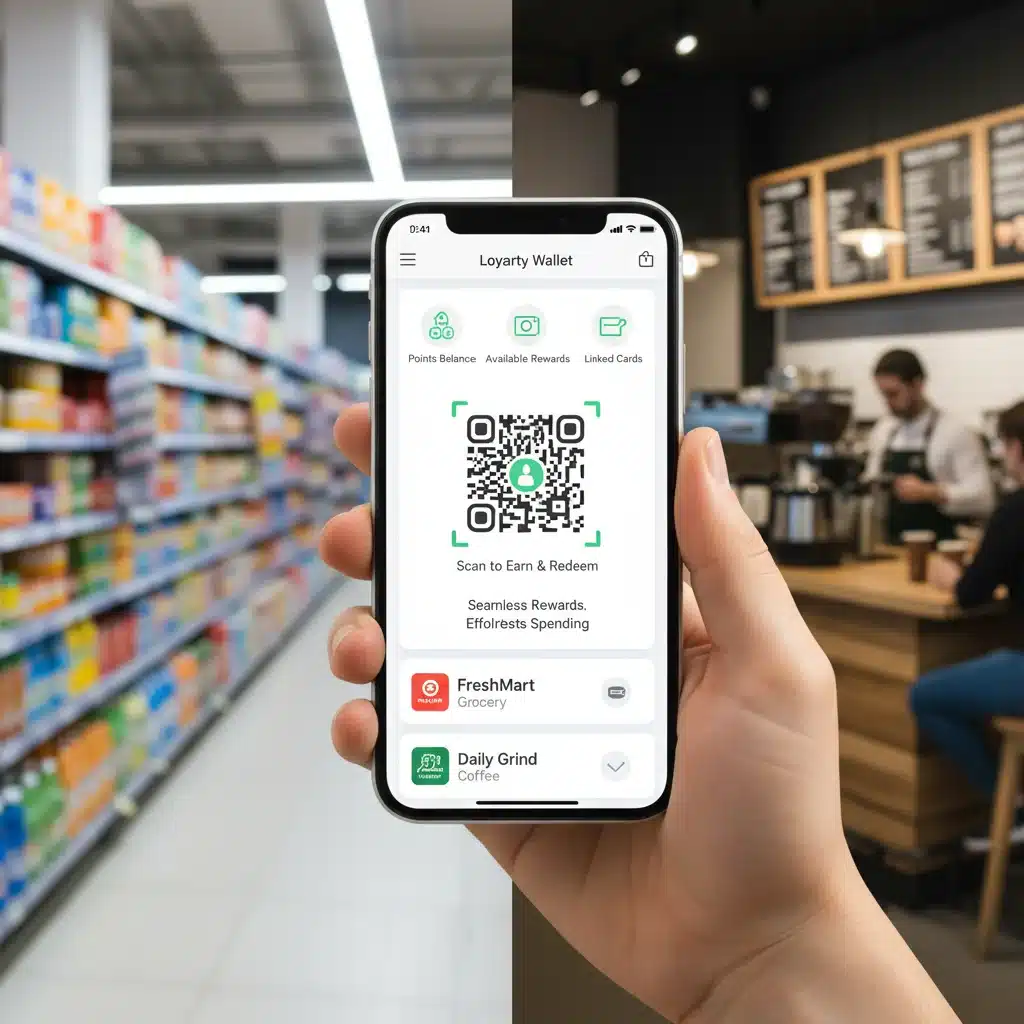
The seamless integration of loyalty programs with digital wallets and dedicated mobile apps has made earning and redeeming points more convenient than ever. Consumers can track their rewards, receive personalized offers, and make payments all from their smartphones. This digital convenience is a critical factor in the success and widespread adoption of modern loyalty initiatives, and a feature to look for in any strong loyalty program in 2026.
Key Criteria for Evaluating Loyalty Programs in 2026
With so many options available, how do you determine which Loyalty Programs 2026 are truly worth your time and effort? We’ve identified several key criteria that form the backbone of our evaluation:
- Earning Rate: How many points or how much cash back do you earn per dollar spent? Is it consistent across all categories, or are there bonus categories?
- Redemption Value: What is the actual monetary value of your points or rewards when redeemed? Does it vary significantly depending on the redemption option (e.g., travel vs. cash back)?
- Flexibility of Redemption: Can you redeem your rewards for a wide range of options, or are you limited to specific products or services?
- Ease of Use: How easy is it to enroll, track, and redeem your rewards? Is there a user-friendly mobile app or online portal?
- Annual Fees and Hidden Costs: Are there any annual fees associated with credit cards linked to the program? Are there expiration dates on points or other hidden restrictions?
- Partnerships and Alliances: Does the program have valuable partnerships that expand earning and redemption opportunities (e.g., airline alliances, hotel chains)?
- Customer Service: How responsive and helpful is the program’s customer service in resolving issues or answering queries?
By applying these criteria, we can objectively assess the true value proposition of each program and help you identify the best fit for your lifestyle and spending habits. Remember, the ‘best’ program is subjective and depends heavily on individual circumstances.
The Top 7 Loyalty Programs for Everyday Spending in 2026
After extensive research and analysis, considering the aforementioned criteria and projected trends for the coming year, we present our top 7 Loyalty Programs 2026 that stand out for their ability to deliver significant value to consumers through everyday spending.
1. Chase Ultimate Rewards
Overview: Chase Ultimate Rewards consistently ranks as one of the most versatile and valuable points programs. Linked primarily to Chase’s suite of credit cards (e.g., Chase Sapphire Preferred, Chase Sapphire Reserve, Chase Freedom Unlimited), it offers excellent earning rates across a variety of common spending categories.
- Earning: Strong bonus categories in dining, travel, and drugstores. The Freedom Unlimited card offers 1.5% cash back (1.5x points) on all purchases.
- Redemption: Points can be redeemed for cash back (1 cent per point), gift cards, travel through the Chase travel portal (often at an elevated value), or transferred to numerous airline and hotel partners (e.g., United, Southwest, Hyatt, Marriott) typically at a 1:1 ratio. This transferability is where the program truly shines, allowing for outsized value, especially for premium travel.
- Pros: High redemption value, flexible transfer partners, excellent travel protections on associated cards, broad earning categories.
- Cons: Requires a Chase credit card, some premium cards carry annual fees.
- 2026 Outlook: Expected to maintain its strong position due to its robust transfer partners and diverse earning opportunities, continuing to be a top choice for travelers and those seeking flexible rewards.
2. American Express Membership Rewards
Overview: American Express Membership Rewards is another powerhouse, particularly favored by those with higher spending habits and a penchant for luxury travel. It’s associated with cards like The Platinum Card, Gold Card, and Green Card.
- Earning: High earning rates in specific categories like airfare, dining, and supermarkets (depending on the card).
- Redemption: Points can be redeemed for travel, gift cards, statement credits, or transferred to a wide array of airline and hotel partners (e.g., Delta, Emirates, Hilton, Marriott). Similar to Chase, transfer partners offer the best value.
- Pros: Excellent transfer partners, premium travel benefits (lounge access, elite status), strong customer service, often generous welcome bonuses.
- Cons: Many premium cards have high annual fees, not all merchants accept American Express.
- 2026 Outlook: Amex is likely to double down on its premium travel and lifestyle benefits to differentiate itself, making it highly attractive for frequent travelers and those valuing exclusive perks.
3. Capital One Venture Rewards
Overview: Capital One Venture Rewards, primarily from the Capital One Venture X and Venture cards, offers a straightforward approach to travel rewards, making it a popular choice for those who prefer simplicity.
- Earning: Typically offers a flat rate of 2x miles on all purchases, simplifying the earning strategy.
- Redemption: Miles can be redeemed as statement credits for travel purchases (1 cent per mile), or transferred to a growing list of airline and hotel partners.
- Pros: Simple earning structure, flexible travel redemption, no foreign transaction fees, premium benefits on Venture X (e.g., annual travel credit, lounge access).
- Cons: Transfer partners are not as extensive as Chase or Amex, and some partners have less favorable transfer ratios.
- 2026 Outlook: Capital One is actively expanding its transfer partner network, which could significantly boost its value proposition and challenge the established giants in the travel rewards space.
4. Citi ThankYou Rewards
Overview: Citi ThankYou Rewards, associated with cards like the Citi Premier and Citi Double Cash Card (which earns cash back convertible to ThankYou Points with a linked Premier card), offers a competitive program with a focus on travel and a broad range of redemption options.
- Earning: Strong bonus categories in dining, supermarkets, gas stations, and air travel. The Double Cash card offers 2% cash back (2x points) on all purchases (1% when you buy, 1% when you pay).
- Redemption: Points can be redeemed for travel through the Citi travel portal, gift cards, statement credits, or transferred to various airline partners (e.g., Turkish Airlines, Singapore Airlines, Cathay Pacific).
- Pros: Good earning rates on everyday spending, diverse airline transfer partners, competitive cash back option.
- Cons: Fewer hotel transfer partners compared to Chase/Amex, some airline partners can be obscure for the average traveler.
- 2026 Outlook: Citi continues to refine its program, potentially adding more mainstream transfer partners and improving its travel portal experience, making it a stronger contender for varied spending.
5. Marriott Bonvoy
Overview: As one of the largest hotel loyalty programs globally, Marriott Bonvoy is indispensable for frequent travelers who prefer hotel stays. It encompasses a vast portfolio of brands, from economy to luxury.
- Earning: Earn points on Marriott stays, and through co-branded credit cards (e.g., Marriott Bonvoy Boundless, Bonvoy Brilliant) for everyday spending.
- Redemption: Primarily for free nights at Marriott properties. Points can also be transferred to over 40 airline partners, though often at less favorable rates (e.g., 3:1 ratio with a bonus for transferring 60,000 points).
- Pros: Extensive global presence, wide range of hotel brands, elite status benefits (free breakfast, upgrades), fifth night free on award stays.
- Cons: Points value can fluctuate, airline transfer ratios are generally not the best value.
- 2026 Outlook: Marriott will likely continue to enhance its experiential offerings and elite status benefits to maintain its leadership in the hospitality loyalty space, especially with new properties and destinations.
6. Hilton Honors
Overview: Hilton Honors offers another robust hotel loyalty program, known for its generous earning rates and numerous properties worldwide. It’s particularly appealing for those who frequently stay at Hilton brands.
- Earning: High earning rates on Hilton stays (10x base points per dollar, plus elite bonuses) and through co-branded American Express credit cards (e.g., Hilton Honors Aspire, Surpass) for everyday spending.
- Redemption: Primarily for free nights at Hilton properties. Points can also be used for experiences, car rentals, or transferred to airline partners, though these options typically offer less value.
- Pros: High earning potential, widespread hotel network, valuable elite status benefits (free breakfast, executive lounge access, room upgrades, resort credits on Aspire card).
- Cons: Points generally have a lower redemption value compared to other hotel programs, making high-level redemptions require a significant number of points.
- 2026 Outlook: Hilton is expected to focus on improving the digital experience for members and expanding its lifestyle brand portfolio, potentially offering more dynamic redemption options to compete.
7. Southwest Airlines Rapid Rewards
Overview: For domestic travelers, Southwest Rapid Rewards stands out for its simplicity and the highly coveted Companion Pass. It’s a revenue-based program, meaning the number of points required for a flight is tied to the cash price of the ticket.
- Earning: Earn points on Southwest flights, and through co-branded Chase credit cards for everyday spending and bonus categories.
- Redemption: Primarily for Southwest flights. The value of points is relatively consistent (around 1.4-1.6 cents per point).
- Pros: No blackout dates, flexible change/cancellation policy, the Companion Pass is incredibly valuable for two-person travel, points never expire.
- Cons: Limited to Southwest’s route network (primarily domestic and some international), no premium cabins.
- 2026 Outlook: Southwest will likely continue to be a dominant force in the domestic budget travel segment, with its Companion Pass remaining a major draw, especially if it expands its international offerings.
Strategies to Maximize Your Rewards in 2026
Simply enrolling in a loyalty program isn’t enough; strategic engagement is key to unlocking their full potential. Here are some advanced strategies to help you maximize your rewards with the top Loyalty Programs 2026:
1. Diversify Your Portfolio (Wisely)
Instead of putting all your eggs in one basket, consider holding cards from 2-3 different ecosystems (e.g., Chase, Amex, Capital One). This allows you to leverage the best earning rates for specific spending categories and access diverse transfer partners. However, avoid spreading yourself too thin, as managing too many programs can dilute your earning power and make it harder to reach valuable redemption thresholds.
2. Understand Bonus Categories and Rotating Offers
Many programs offer bonus points on specific categories that rotate quarterly or annually. Pay close attention to these. For example, a Chase Freedom Flex card might offer 5x points on groceries one quarter, then on Amazon purchases the next. Aligning your spending with these bonus categories can significantly accelerate your points accumulation.
3. Leverage Welcome Bonuses
New credit card sign-up bonuses are often the quickest way to earn a large sum of points. If you have significant upcoming expenses, strategically applying for a new card with a generous welcome offer can provide a massive boost to your rewards balance. Always ensure you can meet the minimum spending requirement without going into debt.
4. Utilize Shopping Portals and Dining Programs
Many loyalty programs have associated online shopping portals (e.g., Chase Ultimate Rewards Shopping, Rakuten for Amex MR) or dining programs that offer extra points per dollar spent at participating merchants. Always check these portals before making online purchases or dining out to double-dip on your rewards.
5. Optimize for Travel Redemptions
For travel-focused programs like Chase Ultimate Rewards and Amex Membership Rewards, transferring points to airline and hotel partners often yields the highest value. Learn which partners offer the best redemption rates for your desired destinations and travel styles. Be flexible with your travel dates and destinations to find sweet spots in award charts.
6. Consider Annual Fees vs. Benefits
Don’t be afraid of annual fees if the benefits outweigh the cost. Premium cards often come with valuable perks like annual travel credits, lounge access, elite status, and comprehensive travel insurance, which can easily offset the fee if utilized effectively. Calculate the net value to determine if a card is right for you.
The Financial Impact of Smart Loyalty Program Usage
The cumulative effect of strategically using Loyalty Programs 2026 can be astonishing. Imagine saving hundreds or even thousands of dollars on travel each year, or receiving significant cash back that can be reinvested or used for other financial goals. This isn’t just about getting ‘free stuff’; it’s about optimizing your personal finances and making your existing spending more efficient.
Real-World Examples of Savings
- Family Vacation: A family of four could save thousands on flights and hotels by leveraging points from Chase Ultimate Rewards or American Express Membership Rewards for a week-long trip to a popular destination.
- Everyday Expenses: A consumer who consistently uses a 2% cash back card (like Citi Double Cash) for all their non-bonus spending could earn hundreds of dollars annually, effectively reducing their overall cost of living.
- Business Travel: Small business owners can significantly reduce operational costs by earning and redeeming points on business travel, office supplies, and other expenditures through specialized business loyalty cards.
These examples highlight that the financial impact is not trivial. It requires discipline and a bit of planning, but the rewards are well worth the effort. Think of your loyalty programs as an active part of your financial planning, not just an afterthought.
Future Trends and What to Expect Beyond 2026
The loyalty landscape is dynamic, and while our focus is on Loyalty Programs 2026, it’s crucial to consider future trends. What might the next few years bring?
- Increased Gamification: Expect more programs to incorporate game-like elements, challenges, and badges to boost engagement and make earning rewards more interactive.
- Sustainability Focus: Programs may start offering rewards for eco-friendly purchases or allow points to be redeemed for charitable donations related to environmental causes, appealing to a growing segment of conscious consumers.
- Blockchain and NFTs: While still nascent, blockchain technology could revolutionize loyalty by creating more secure, transparent, and transferable rewards, potentially even in the form of NFTs that offer unique digital or real-world benefits.
- Hyper-Personalization at Scale: With advancements in AI, loyalty programs will become even more adept at predicting consumer needs and offering tailor-made rewards before the consumer even realizes they want them.
- Subscription-Based Loyalty: We might see a rise in premium, subscription-based loyalty models that offer enhanced benefits for a recurring fee, similar to Amazon Prime but for broader loyalty ecosystems.
Staying ahead of these trends will ensure you continue to extract maximum value from your loyalty program participation in the years to come.
Conclusion: Don’t Miss Out on Maximizing Your Everyday Spending
In conclusion, the world of Loyalty Programs 2026 offers immense potential for financial gain, but only for those who engage strategically. By understanding the nuances of programs like Chase Ultimate Rewards, American Express Membership Rewards, Capital One Venture Rewards, Citi ThankYou, Marriott Bonvoy, Hilton Honors, and Southwest Rapid Rewards, you can transform your everyday spending into a powerful tool for achieving your financial aspirations.
The key is to conduct a thorough self-assessment of your spending habits, travel preferences, and financial goals. Do you prioritize cash back, luxury travel, or specific hotel chains? Once you have a clear picture, you can then align yourself with the programs that offer the most value for your unique situation. Remember to continually review and adapt your strategy as your circumstances change and as the programs themselves evolve.
Don’t let valuable rewards slip through your fingers. Take the time to research, plan, and execute a smart loyalty program strategy for 2026 and beyond. The financial benefits of being a savvy consumer in the loyalty landscape are too significant to ignore. Start optimizing your everyday spending today and unlock a world of rewards and savings.