US Airline Loyalty Programs 2026: Worth It? Data Analysis

In the ever-evolving landscape of travel, the question of whether US airline loyalty programs are still worth the investment in 2026 is more pertinent than ever. For years, frequent flyer programs have been a cornerstone of travel strategy for many, promising exclusive perks, upgrades, and "free" flights. However, with dynamic pricing, devaluations, and shifting program structures, the value proposition has become increasingly complex. This comprehensive, data-driven analysis aims to cut through the noise, providing a clear picture of the true worth of US airline loyalty programs as we look towards 2026.
The allure of elite status and copious miles often drives consumer behavior, but the reality can sometimes fall short of expectations. Travelers are increasingly scrutinizing the actual return on their loyalty, weighing the effort and spending required against the tangible benefits received. Our exploration will delve into key metrics: the fluctuating value of points and miles, the tangible advantages of elite status, and the strategic shifts major US airlines are implementing. By understanding these dynamics, travelers can make informed decisions, ensuring their loyalty is truly rewarded.
We’ll examine the state of the major US carriers – Delta, American, United, Southwest, and Alaska – analyzing their current loyalty offerings and projecting how these might evolve by 2026. From the intricacies of earning and redeeming to the often-elusive upgrade opportunities, every aspect will be considered. The goal is to equip you with the knowledge to navigate the complex world of airline loyalty programs, ensuring you maximize your travel rewards in the coming years.
The Shifting Landscape of Point and Mile Valuation
One of the most critical aspects of any airline loyalty program is the value of its currency: points or miles. Historically, there was a general understanding of a "good" redemption value, often around 1.5 to 2 cents per mile. However, this benchmark has been steadily eroding, primarily due to dynamic pricing models and increased redemption costs. As we approach 2026, data suggests a continued trend of slight devaluations across the board for most major US airlines.
Dynamic Pricing: The Double-Edged Sword
Many airlines have moved away from fixed award charts, adopting dynamic pricing for award flights. While this theoretically allows for more availability, it often means that the number of miles required for a given flight fluctuates significantly based on demand, cash price, and even the phase of the moon, it seems. For popular routes and peak travel times, the mileage cost can skyrocket, effectively diminishing the per-mile value. Our analysis indicates that by 2026, dynamic pricing will be even more pervasive, making it harder to consistently achieve high redemption values unless one is exceptionally flexible with travel dates and destinations.
Major US Airlines: A Comparative Point Value Analysis
Let’s break down the projected point values for the key players:
- Delta SkyMiles: Known for its "SkyPesos" moniker among some critics, Delta’s dynamic pricing has long made high-value redemptions challenging. While promotional sales can offer decent value, the average value has hovered around 1.0-1.2 cents per mile. By 2026, without significant changes, we project this to remain largely consistent, perhaps dipping slightly, making strategic redemption paramount.
- American AAdvantage: American still offers some fixed-price award charts for partner airlines, which can yield excellent value. However, its own flights are increasingly subject to dynamic pricing. The average value currently sits around 1.2-1.4 cents per mile. By 2026, we expect a continued push towards dynamic pricing for American-operated flights, potentially lowering the average redemption value, though partner redemptions may remain a sweet spot.
- United MileagePlus: United also utilizes dynamic pricing extensively. While some "saver" award space exists, it can be hard to find. Average values are often in the 1.0-1.3 cents per mile range. Our projections for 2026 suggest a similar trajectory to Delta, with occasional good deals requiring diligent searching.
- Southwest Rapid Rewards: Southwest’s program is unique in that point value is directly tied to the cash price of a ticket, typically yielding a consistent 1.3-1.5 cents per point. This transparency is a major draw. We anticipate this model to hold steady through 2026, offering predictable value, especially for those who frequently fly Southwest.
- Alaska Airlines Mileage Plan: Alaska is often lauded for its strong partner airline redemption opportunities, offering some of the best value in the industry (often 1.7 cents or more per mile). While Alaska has also introduced dynamic pricing for its own flights, its robust partner network helps maintain a higher average value. By 2026, we expect partner redemptions to remain a key differentiator, though availability might become more competitive.
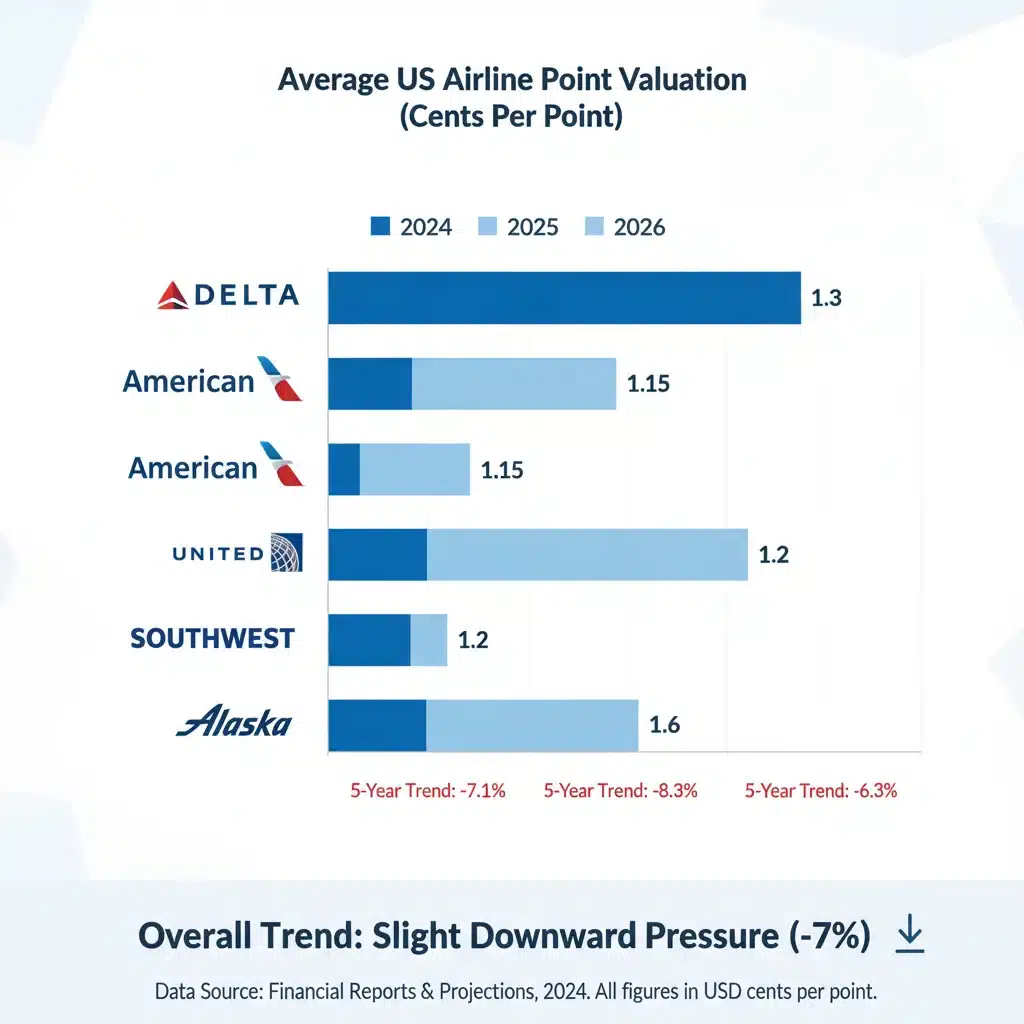
The takeaway here is that the "set it and forget it" approach to accumulating miles is becoming less effective. Travelers in 2026 will need to be more strategic, focusing on specific redemption opportunities, leveraging credit card transfer partners, and being flexible to extract maximum value from their airline loyalty programs.
The Enduring Appeal of Elite Status Benefits
Beyond the direct value of points, elite status is a powerful motivator for many loyal flyers. The promise of complimentary upgrades, priority boarding, lounge access, waived fees, and dedicated customer service can significantly enhance the travel experience. But are these benefits still as valuable as they once were, especially when considering the increased competition for upgrades and the rising cost of achieving status?
Complimentary Upgrades: A Vanishing Dream?
For many, the holy grail of elite status is the complimentary upgrade to first or business class. However, with more travelers achieving elite status through credit card spending and increased corporate travel, the upgrade lists have grown longer. Airlines are also more adept at monetizing premium cabin seats, selling upgrades at a discount or offering them to non-elites, further reducing the chances for complimentary upgrades. By 2026, our data suggests that complimentary upgrades, especially for mid-tier elites, will become even more elusive on popular routes and times, requiring higher status tiers or a significant amount of luck.
Priority Services and Waived Fees: Still a Strong Perk
While upgrades might be harder to come by, other elite benefits continue to offer significant value. Priority boarding, expedited security access (often through dedicated lines), and waived baggage fees can save travelers considerable time and money. For frequent travelers, avoiding checked bag fees alone can quickly offset the cost of an airline co-branded credit card or contribute significantly to the value of elite status. These "soft benefits" are projected to remain strong value propositions in 2026, contributing to a smoother travel journey.
Lounge Access: A Premium Experience
Airport lounge access, either through top-tier elite status or specific credit cards, remains a highly coveted perk. Lounges offer a sanctuary from busy terminals, providing comfortable seating, complimentary food and drinks, Wi-Fi, and sometimes even showers. As airports become more crowded, the value of a quiet space to relax or work becomes even greater. While some airlines have tightened lounge access rules or increased overcrowding, the overall benefit is expected to remain substantial for those who qualify, especially for long layovers or frequent business travel. By 2026, we anticipate continued efforts by airlines to manage lounge capacity, possibly through further restrictions for lower-tier elites or guest access.
Customer Service: A Differentiating Factor
Perhaps one of the most underrated benefits of elite status is access to dedicated customer service lines. In an era of long hold times and automated systems, being able to speak to a knowledgeable representative quickly can be invaluable, especially when dealing with flight disruptions. While quantify this benefit in monetary terms is difficult, its impact on traveler stress and problem resolution is significant. This benefit is likely to retain its high value in 2026, as airlines continue to streamline general customer service, making elite channels even more distinct.

Earning Elite Status: The Road Ahead for 2026
The requirements for earning elite status have also undergone significant changes. Many airlines have shifted from purely mileage-based earning to revenue-based models, emphasizing how much money a traveler spends with the airline rather than just how many miles they fly. This trend is expected to solidify by 2026, making it harder for budget-conscious travelers to achieve status through sheer volume of cheap flights.
Revenue-Based Earning: The New Standard
Most major US airlines now primarily use a combination of "Medallion Qualification Dollars" (MQDs), "Elite Qualifying Dollars" (EQDs), or similar metrics alongside flight segments or miles. This means that to earn status, you need to spend a certain amount of money directly with the airline, or on co-branded credit cards. This shift favors high-spending business travelers and those who purchase premium cabin fares. For the average leisure traveler, achieving elite status will require more deliberate spending or a significant number of flights.
Credit Card Strategies for Status Qualification
Co-branded airline credit cards play an increasingly vital role in earning and maintaining elite status. Many cards offer "waivers" for spending requirements after a certain amount of spend, or even directly grant lower-tier status. Some premium cards also offer accelerated earning towards status. By 2026, leveraging the right credit card will be an essential strategy for many trying to reach elite tiers, blurring the lines between credit card loyalty and airline loyalty.
The "Sweet Spot" for Loyalty in 2026
For many travelers, chasing top-tier elite status might not be the most efficient use of resources given the high spending thresholds and diminishing returns on upgrades. Instead, focusing on mid-tier status (e.g., Gold or Platinum equivalents) which often provides key benefits like priority boarding, waived baggage fees, and sometimes even a better chance at upgrades than the lowest tiers, might be the "sweet spot" for maximizing value without excessive spending. The goal in 2026 will be to identify the minimum spend or activity required to unlock the most impactful benefits for your travel patterns.
Beyond the Big Three: Exploring Other US Airline Loyalty Programs
While Delta, American, and United dominate the conversation, it’s important to consider other US carriers that offer compelling airline loyalty programs, especially for those whose travel patterns align with their networks.
Southwest Rapid Rewards: Simplicity and Transparency
As mentioned, Southwest’s Rapid Rewards program stands out for its simplicity. Points are directly tied to the cash price of a ticket, making redemptions incredibly straightforward. The Companion Pass, arguably one of the most valuable perks in the industry, allows a designated companion to fly for almost free (just taxes and fees) for up to two years. For those who primarily fly domestically and can achieve the Companion Pass, Southwest’s program offers exceptional value, which is expected to continue through 2026.
Alaska Airlines Mileage Plan: Partner Powerhouse
Alaska Airlines’ Mileage Plan remains a favorite for many due to its strong international partner airline redemptions. While its own route network is smaller than the global giants, its partnerships with airlines like Cathay Pacific, Japan Airlines, British Airways, and Qantas (among others) offer fantastic opportunities for premium cabin awards. Earning status with Alaska can also be very rewarding, often leading to benefits on partner airlines. By 2026, Alaska’s program is projected to maintain its strength as a gateway to high-value international travel, though award space on popular routes will likely remain competitive.
Other Carriers: JetBlue TrueBlue, Frontier Miles, Spirit Free Spirit
For budget-focused travelers, loyalty programs from carriers like JetBlue, Frontier, and Spirit also deserve a mention. JetBlue TrueBlue offers a revenue-based program with decent redemption values for its own flights and a relatively straightforward approach. Frontier Miles and Spirit Free Spirit programs are more geared towards earning free flights quickly for frequent flyers on their low-cost networks, often with a focus on add-ons and ancillary services. The value in these programs in 2026 will largely depend on the individual’s travel habits and willingness to fly these specific carriers consistently.
The Role of Co-Branded Credit Cards in Loyalty
In 2026, co-branded airline credit cards will be more indispensable than ever for maximizing airline loyalty programs. These cards offer a multitude of benefits that can significantly enhance the value of your travels, even if you don’t fly enough to earn elite status through traditional means.
Accelerated Earning and Sign-Up Bonuses
The most immediate benefit of an airline credit card is the ability to earn miles or points at an accelerated rate on everyday spending, and often a substantial sign-up bonus. These bonuses alone can often be enough for a domestic round-trip flight. For travelers focused on specific airlines, putting all eligible spending on their co-branded card is a straightforward way to accumulate points faster.
Perks That Mimic Elite Status
Many airline credit cards offer perks that directly mimic lower-tier elite status benefits, such as free checked bags, priority boarding, and discounted or complimentary lounge access. For example, simply holding a Delta SkyMiles Amex card can give you a free checked bag for yourself and companions on the same reservation, potentially saving hundreds of dollars annually. These benefits are particularly valuable for occasional flyers who don’t qualify for elite status but still want a more comfortable travel experience.
Pathway to Elite Status
As discussed, some credit cards offer a direct pathway to elite status through spending waivers or even by directly granting status tiers. This makes them a critical tool for those aspiring to higher levels of loyalty. Understanding which cards offer these benefits and aligning your spending accordingly will be a key strategy in 2026.
Considerations: Annual Fees and APRs
While the benefits are clear, it’s crucial to weigh them against annual fees and interest rates. Many premium airline credit cards come with significant annual fees, so a careful cost-benefit analysis is necessary. The value of the perks should exceed the annual fee for the card to be truly "worth it." Additionally, always pay off your balance in full to avoid high interest charges that would quickly negate any travel rewards.
Future Trends and What to Expect by 2026
The airline industry is constantly evolving, and airline loyalty programs are no exception. Here are some trends we anticipate will shape the landscape by 2026:
Increased Personalization and "Soft Benefits"
Airlines are likely to invest more in personalized offers and "soft benefits" that enhance the customer experience without necessarily costing the airline a premium seat. This could include personalized alerts, concierge services, exclusive event access, or unique partnerships. The focus will shift towards making loyal customers feel recognized and valued in ways beyond just upgrades.
Sustainable Travel Initiatives and Loyalty
As environmental concerns grow, we might see airlines integrating sustainable travel initiatives into their loyalty programs. This could involve earning bonus miles for offsetting carbon emissions, choosing eco-friendly travel options, or even donating miles to environmental causes. Loyalty programs could become a vehicle for promoting more responsible travel.
Blockchain and Digital Wallets
While still nascent, the potential for blockchain technology to enhance loyalty programs is significant. Imagine a universal loyalty currency or seamless transferability of points between different programs. Digital wallets are already common, but blockchain could revolutionize how points are tracked, traded, and redeemed, offering greater transparency and flexibility. By 2026, we might see initial pilot programs or increased integration of these technologies.
Tiered Redemption Options
To cater to a wider range of travelers, airlines may introduce more tiered redemption options, allowing members to use a combination of miles and cash for flights, or offering different levels of perks depending on the miles redeemed. This could provide more flexibility for those with fewer miles while still incentivizing higher point accumulation for premium experiences.
Maximizing Your Airline Loyalty in 2026: A Strategic Approach
Given the complexities and evolving nature of airline loyalty programs, a strategic approach is essential to ensure they remain "worth it" for you in 2026. Here’s how to navigate the landscape:
- Consolidate Your Loyalty: Instead of spreading your flights across multiple airlines, focus on one or two carriers where you can realistically earn status or accumulate enough points for meaningful redemptions. Splitting your loyalty often dilutes its value.
- Understand Your Travel Patterns: Are you a frequent domestic flyer? An occasional international traveler? Your travel habits should dictate which program offers the best fit. Southwest might be ideal for domestic, while Alaska is strong for international partners.
- Leverage Co-Branded Credit Cards: Choose an airline credit card that aligns with your preferred airline and offers benefits you’ll actually use, such as free checked bags or a path to elite status. Utilize it for everyday spending to maximize point accumulation.
- Be Flexible with Redemptions: For dynamic pricing programs, flexibility with travel dates and destinations is key to finding the best point values. Look for off-peak travel and less popular routes.
- Explore Partner Redemptions: Don’t just look at redeeming miles on the airline you earned them with. Investigate partner airline redemption opportunities, which often offer superior value, especially for international premium cabins.
- Stay Informed: Loyalty programs are constantly changing. Subscribe to blogs, newsletters, and forums dedicated to travel rewards to stay updated on devaluations, new promotions, and earning opportunities.
- Re-evaluate Annually: Your travel needs and the programs themselves can change. Take time each year to assess if your current loyalty strategy is still serving you best.
Conclusion: Are US Airline Loyalty Programs Still Worth It in 2026?
The definitive answer to whether US airline loyalty programs are still worth it in 2026 is: yes, but with caveats and a strategic mindset. The days of effortlessly accumulating valuable miles and receiving guaranteed upgrades are largely behind us. However, for those who are deliberate and informed in their approach, significant value can still be extracted.
Point values may continue a slow decline for direct airline redemptions, especially with dynamic pricing. Yet, strategic use of partner airlines and credit card transfer options can still yield excellent returns. Elite status, while harder to achieve and with upgrades becoming more competitive, continues to offer valuable "soft benefits" like priority services, waived fees, and lounge access that enhance the overall travel experience.
In 2026, the savvy traveler will be the one who understands the nuances of each program, leverages co-branded credit cards effectively, and remains flexible in their travel plans. It’s no longer about blind loyalty, but intelligent loyalty. By adopting a data-driven and strategic approach, you can ensure that your commitment to an airline truly pays off, making your travels more comfortable, convenient, and rewarding in the years to come.