Mastering 2026 Price Drop Alerts: Save Big on Products
Mastering 2026 Price Drop Alerts: Your Ultimate Guide to Saving an Average of 18%
In the ever-evolving landscape of online retail, prices fluctuate with dizzying speed. What you see today might be significantly cheaper tomorrow, or more expensive next week. For savvy shoppers, this volatility isn’t a frustration; it’s an opportunity. Welcome to the world of 2026 price drop alerts, a powerful strategy that can help you save an average of 18% on your desired products. This comprehensive guide will delve deep into how these alerts work, the best tools to leverage, practical implementation strategies, and the significant financial impact they can have on your budget.
The year 2026 is poised to be a pivotal time for e-commerce, with advanced algorithms and AI-driven pricing becoming even more prevalent. This means dynamic pricing will be the norm, making manual price tracking an almost impossible task. This is where automated 2026 price drop alerts become not just a convenience, but a necessity for anyone looking to maximize their savings. Imagine never missing out on a deal for that gadget you’ve been eyeing, or securing a significant discount on a major appliance. This isn’t wishful thinking; it’s a reality made possible by intelligent price tracking.
The Power of Proactive Shopping: Understanding Price Fluctuations
Before we dive into the mechanics of 2026 price drop alerts, it’s crucial to understand why prices fluctuate so much online. Retailers employ sophisticated pricing strategies influenced by a myriad of factors:
- Demand and Supply: Classic economic principles dictate that when demand is high and supply is low, prices increase, and vice-versa. Retailers constantly adjust prices based on real-time inventory and consumer interest.
- Competitor Pricing: Online stores are in a constant battle for customers. They monitor competitor prices rigorously and often adjust their own to remain competitive, sometimes even engaging in price wars.
- Seasonal Sales and Holidays: Major shopping events like Black Friday, Cyber Monday, Prime Day, and seasonal clearances (e.g., end-of-season clothing sales) are prime times for significant price drops.
- Algorithmic Pricing: Many large retailers use complex algorithms that dynamically adjust prices based on factors like browsing history, location, time of day, device used, and even individual customer data.
- Inventory Levels: If a retailer has an excess of a particular product, they might drop the price to clear inventory. Conversely, if a product is selling out fast, the price might increase.
- New Product Releases: The launch of a new model often leads to price reductions on older versions of the same product.
Understanding these drivers is the first step towards effectively utilizing 2026 price drop alerts. By knowing when and why prices change, you can better anticipate opportunities and set your alerts strategically.
The Mechanics of 2026 Price Drop Alerts: How They Work
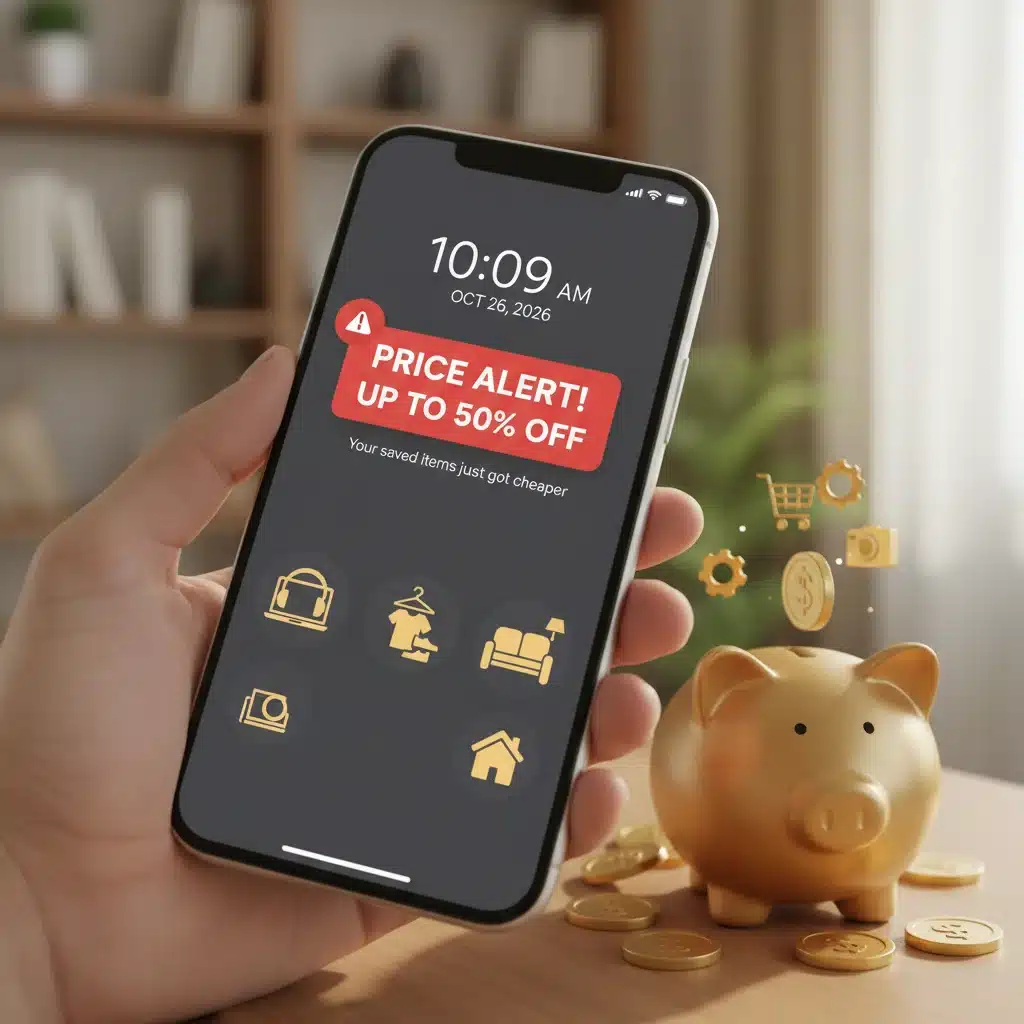
At its core, a 2026 price drop alert system works by monitoring the price of a specific product on an online store over time. When the price falls below a certain threshold (either a general drop or a specific target price you set), the system notifies you. This notification can come via email, a browser notification, a mobile app alert, or even an SMS message.
Key Components of Price Tracking Systems:
- Product URL Monitoring: The system continuously checks the web page of the product you’re interested in.
- Price Extraction: Sophisticated algorithms identify and extract the current selling price from the page.
- Historical Data Analysis: Many tools store historical price data, allowing you to see price trends and determine if a current ‘deal’ is truly a good one compared to past prices.
- Threshold Setting: You typically have the option to set a specific target price. For example, ‘Notify me if this TV drops below $800.’
- Notification System: Once the price criterion is met, the system triggers an alert through your preferred communication channel.
The beauty of these systems, especially as we look towards 2026, is their automation. They do the tedious work of constant monitoring, allowing you to focus on other things until a buying opportunity arises. This passive approach to active savings is what makes 2026 price drop alerts so effective.
Choosing the Best Tools for 2026 Price Drop Alerts
The market is rich with tools designed to help you track prices. As 2026 approaches, we can expect these tools to become even more integrated and intelligent. Here are some of the most popular and effective options, categorized for clarity:
1. Browser Extensions: Seamless Integration
Browser extensions are incredibly convenient as they integrate directly into your shopping experience. When you’re browsing a product page, the extension can immediately show you price history and allow you to set an alert with a single click.
- CamelCamelCamel: While primarily known for Amazon, it’s a powerhouse for tracking price history and setting alerts. It provides detailed graphs showing how prices have changed over time, helping you identify genuine deals. Its focus on Amazon makes it indispensable for many.
- Keepa: Another robust Amazon-centric tool, Keepa offers even more detailed historical data, including third-party seller prices, Amazon Warehouse deals, and more. It’s a must-have for serious Amazon shoppers.
- Honey: Famous for finding coupon codes, Honey also includes a ‘Droplist’ feature that lets you add items to a watch list and receive alerts when prices drop. It works across a wide range of retailers.
- Wikibuy (now Capital One Shopping): Similar to Honey, it finds coupons and compares prices across different sellers. Its price tracking feature allows you to monitor items and get alerts.
2. Dedicated Price Tracking Websites & Apps: Broader Coverage
These platforms often cover a wider array of retailers beyond just Amazon and provide a centralized place to manage all your tracked items.
- PriceGrabber: A long-standing comparison shopping engine that also offers price alerts. You can search for products and set up email notifications for price drops.
- ShopSavvy: A popular mobile app that allows you to scan barcodes or search for products to compare prices across stores and set alerts. Great for both online and in-store price comparisons.
- Slickdeals/FatWallet (now merged with Slickdeals): While primarily deal aggregation sites, they often have features where users can set up alerts for specific keywords or products. If a deal is posted by the community, you can be notified.
- Google Shopping: Google’s own shopping platform allows you to track products and receive price drop notifications directly from your Google account. It aggregates listings from numerous retailers.
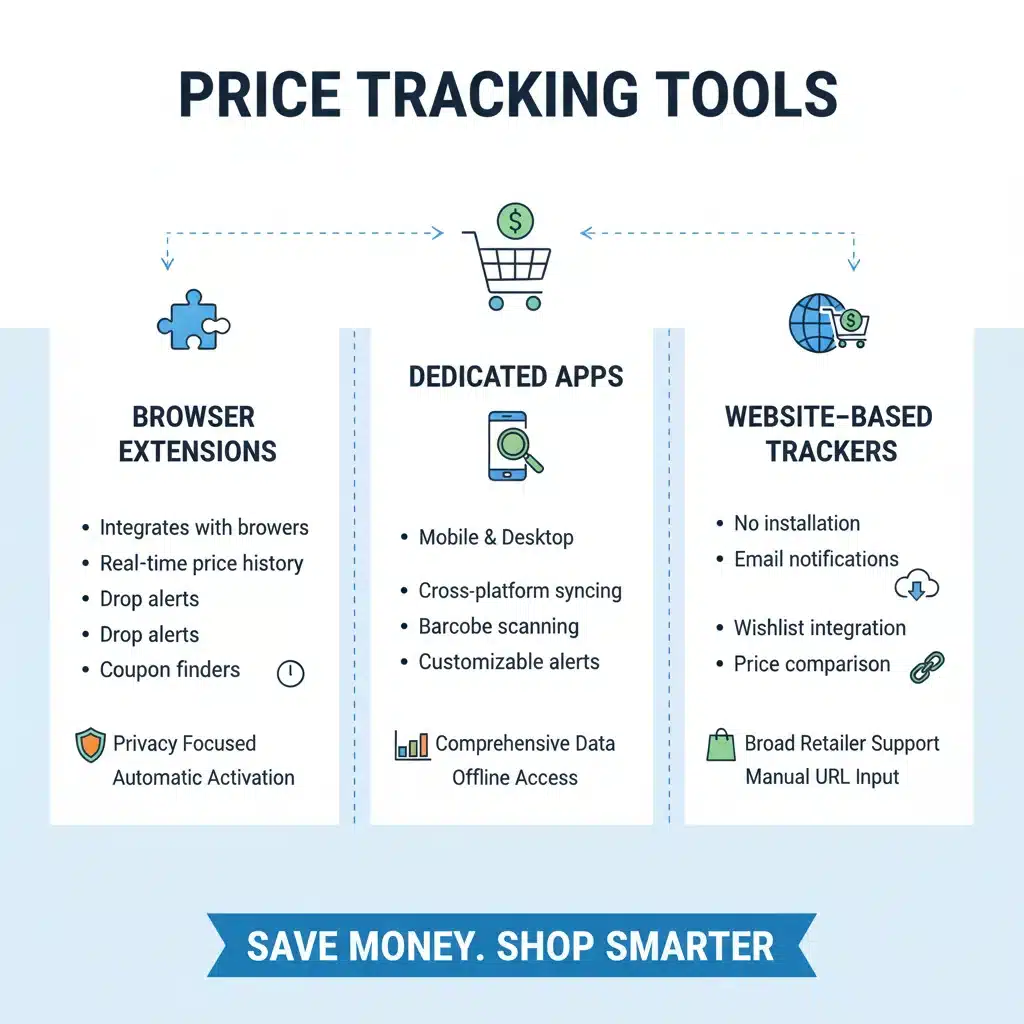
3. Manufacturer and Retailer Specific Alerts: Direct from the Source
Don’t overlook the direct channels. Many major retailers and brands offer their own price alert services, especially for items you’ve added to your wishlist or cart.
- Wishlist/Save for Later: Most e-commerce sites allow you to add items to a wishlist. Often, these sites will email you if the price of an item on your list drops.
- Email Subscriptions: Signing up for newsletters from your favorite brands and retailers is a simple way to get notified about sales and promotions, which often include price drops.
- Abandoned Cart Reminders: Sometimes, simply adding an item to your cart and not completing the purchase can trigger an email from the retailer offering a discount to entice you to buy.
For optimal results with 2026 price drop alerts, a multi-pronged approach is often best. Use a robust browser extension for daily browsing, a dedicated app for broader searches, and sign up for direct alerts from key retailers.
Implementing Your 2026 Price Drop Alert Strategy: Practical Steps
Setting up 2026 price drop alerts is straightforward, but a strategic approach will yield the best results and maximize your average savings of 18%.
Step 1: Identify Your Target Products
Make a list of items you plan to purchase in the near future. This could include electronics, home appliances, clothing, books, or even groceries. Prioritize items where a price drop would make a significant difference to your budget.
Step 2: Choose Your Tracking Tools
Based on the product type and retailers you frequent, select one or more of the tools mentioned above. For example, if you buy a lot from Amazon, CamelCamelCamel or Keepa is essential. For general shopping, Honey or Capital One Shopping might be better.
Step 3: Set Up Alerts
For each product, navigate to its page on the retailer’s website. Use your chosen browser extension to set a price alert. If using a dedicated website or app, copy the product URL and paste it into the tracker. Define your desired price threshold. Some tools allow you to set an alert for ‘any price drop’ while others let you specify a target price.
Step 4: Monitor and Refine
Regularly check your alerts and adjust your thresholds as needed. If a product consistently drops to a certain price point, you can fine-tune your alert to only trigger at that optimal level. Pay attention to price history graphs to understand typical price cycles.
Step 5: Act Quickly (But Wisely)
When a 2026 price drop alert fires, evaluate the deal. Is it the lowest price ever? Is the retailer reputable? How long is the sale likely to last? Sometimes, acting quickly is necessary, especially for popular items or limited-time offers. However, always ensure it’s a genuine need and a good deal.
Advanced Tips for Maximizing Savings:
- Combine with Coupons: When you receive a price drop alert, always check for additional coupon codes using tools like Honey or by searching online.
- Consider Refurbished/Open-Box: Some price tracking tools also monitor prices for refurbished or open-box items, which can offer even deeper discounts.
- Track Competitors: Set alerts for the same product across multiple retailers to ensure you’re getting the absolute best deal.
- Anticipate Sales Cycles: Learn the typical sale patterns for different product categories (e.g., electronics often go on sale around major holidays, clothing at season changes).
The Financial Impact: Saving an Average of 18% with 2026 Price Drop Alerts
The claim of saving an average of 18% isn’t an exaggeration; it’s a realistic outcome for diligent users of 2026 price drop alerts. Let’s break down how these savings accumulate and what they mean for your personal finances.
How 18% Adds Up:
- Small Savings on Many Items: Even a 5% or 10% drop on everyday purchases like groceries, toiletries, or household goods, when accumulated over a year, can amount to significant savings.
- Big Savings on High-Ticket Items: A 15-25% drop on a laptop, TV, or appliance can save you hundreds, if not thousands, of dollars. These larger savings significantly boost the average.
- Avoiding Impulse Buys at Peak Prices: By waiting for an alert, you avoid buying something at its highest price point, which is a common pitfall for impatient shoppers.
- Strategic Planning: 2026 price drop alerts encourage more thoughtful purchasing decisions, leading to better overall financial management.
Real-World Financial Benefits:
- Increased Disposable Income: Saving 18% on your shopping budget means more money available for other priorities – investments, debt repayment, vacations, or simply enjoying life.
- Faster Financial Goals: If you’re saving for a down payment, retirement, or a child’s education, consistently saving on purchases can help you reach those goals faster.
- Reduced Debt: For those managing credit card debt, saving money on purchases can free up funds to pay down balances more aggressively, reducing interest payments.
- Enhanced Financial Security: A larger emergency fund becomes more attainable when you’re effectively managing your spending and saving on necessities.
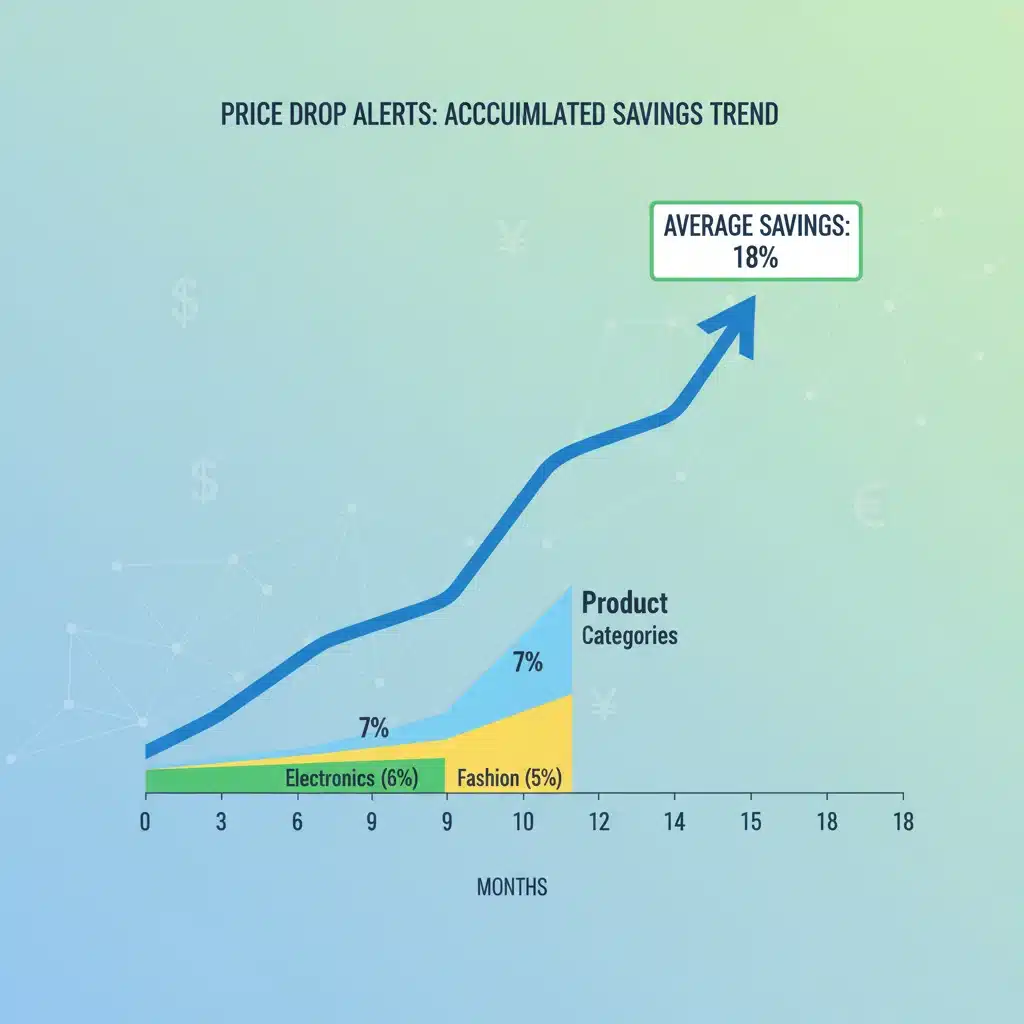
Consider an annual household spending of $10,000 on various goods (excluding rent/mortgage and utilities). An 18% saving translates to $1,800 back in your pocket each year. Over five years, that’s $9,000 – a substantial sum that could fund a vacation, contribute to a car purchase, or significantly boost your savings account. This illustrates the profound long-term financial impact of regularly using 2026 price drop alerts.
Future Trends: What to Expect from 2026 Price Drop Alerts
As technology advances, so too will the sophistication of price tracking and alert systems. Looking ahead to 2026, we can anticipate several key trends:
- AI and Predictive Analytics: Tools will likely become more intelligent, not just tracking current prices but predicting future price drops based on historical data, market trends, and even competitor announcements.
- Personalized Alerts: Expect highly personalized alerts based on your browsing history, purchase patterns, and declared preferences, making the alerts even more relevant to your needs.
- Voice Assistant Integration: Setting and receiving price drop alerts through voice commands via smart speakers and virtual assistants will become more seamless.
- Augmented Reality Shopping: Imagine pointing your phone at a product in a physical store and instantly seeing its online price history and potential for future drops.
- Subscription-Based Premium Features: While many basic alert features will remain free, premium subscriptions might offer faster alerts, more detailed analytics, or exclusive deals.
- Ethical Sourcing and Sustainability Filters: Consumers in 2026 will likely prioritize products from ethical and sustainable sources. Price trackers might integrate filters to alert you to price drops on products that meet these criteria.
These advancements will make 2026 price drop alerts even more indispensable for smart consumers, providing an edge in an increasingly dynamic retail environment.
Potential Challenges and How to Overcome Them
While 2026 price drop alerts are incredibly beneficial, there are a few challenges to be aware of:
- Notification Overload: If you set too many alerts, you might get overwhelmed. Prioritize important items and use a dedicated email folder for alerts.
- False Alarms: Occasionally, a website glitch or temporary price error might trigger an alert. Always verify the price on the retailer’s site before making a purchase.
- Limited-Time Offers: Some price drops are very short-lived. If you don’t check your alerts regularly, you might miss out.
- Out-of-Stock Issues: A price drop might occur when an item is out of stock, which can be frustrating. Some tools indicate stock levels, but not all.
- Privacy Concerns: Be mindful of the data you share with price tracking services. Choose reputable tools with clear privacy policies.
By being aware of these potential pitfalls and implementing a thoughtful strategy, you can mitigate them and ensure your 2026 price drop alerts remain a powerful saving tool.
Conclusion: Embrace the Future of Smart Shopping with 2026 Price Drop Alerts
The era of passive shopping is over. In 2026, and beyond, mastering the art of utilizing 2026 price drop alerts will be a defining characteristic of financially savvy consumers. By understanding price dynamics, leveraging the right tools, and implementing a strategic approach, you can consistently achieve significant savings, averaging around 18% on your purchases.
This isn’t just about finding a good deal; it’s about transforming your financial habits, gaining control over your spending, and redirecting those saved funds towards your long-term goals. Start integrating price drop alerts into your shopping routine today, and watch your savings grow. The future of smart shopping is here, and it’s waiting for you to take advantage of every price drop opportunity.
Don’t let valuable savings slip through your fingers. Empower yourself with the knowledge and tools to become a master of 2026 price drop alerts, and enjoy the financial freedom that comes with smarter purchasing decisions.