Unlock 20% Off Utility Bills: Act Before January 2027 Deadline

In an era where every penny counts, finding genuine opportunities to reduce recurring household expenses is like striking gold. Imagine shaving a significant 20% off your monthly utility bills. This isn’t a pipe dream; it’s a tangible opportunity, but one with a critical and looming deadline: January 2027. This comprehensive guide will walk you through everything you need to know about securing these vital utility bill savings, ensuring you don’t miss out on a chance to significantly lighten your financial load.
The Urgency of January 2027: Why Act Now for Utility Bill Savings
The phrase "time-sensitive" often gets thrown around, but when it comes to securing 20% off your utility bill savings, it’s an understatement. The January 2027 deadline isn’t just a date; it’s a cutoff point after which this particular program or set of incentives will no longer be available. This means that any procrastinators will forfeit the chance to benefit from what could amount to hundreds, if not thousands, of dollars in savings over the long term.
Understanding the impetus behind such deadlines is crucial. Often, these programs are government-backed initiatives, utility company incentives, or a combination of both, designed to encourage specific behaviors – such as energy efficiency upgrades or participation in new energy tariffs – within a defined timeframe. They are not perpetual offerings, and once the allocated funds are depleted or the policy window closes, the opportunity vanishes. Therefore, acting proactively is not merely advisable; it’s essential for anyone looking to capitalize on these substantial utility bill savings.
What Exactly Are These Utility Bill Savings?
The 20% discount on utility bill savings refers to a specific program designed to ease the financial burden on households. While the exact nature of the program can vary by region and provider, it typically targets a broad spectrum of utility costs, including electricity, gas, and sometimes water. The discount is applied directly to your bill, translating into immediate and noticeable reductions in your monthly expenditures.
It’s important to differentiate this from general energy-saving tips, which, while valuable, don’t offer the same guaranteed percentage reduction. This program is a direct financial incentive, often tied to certain eligibility criteria or actions you might need to take. The beauty of a 20% saving is its significant impact; for a household spending, for example, $300 on utilities monthly, this translates to an immediate saving of $60 – or $720 annually. Over several years, this accumulates into a substantial sum, making these utility bill savings a must-pursue opportunity.
Who is Eligible for the 20% Utility Bill Savings?
Eligibility criteria are the cornerstone of any discount program. While specifics can vary, most programs offering substantial utility bill savings focus on a few key areas:
- Income Thresholds: Many programs are designed to assist low to middle-income households. You will likely need to provide proof of income to qualify.
- Household Size: The number of people living in your household can sometimes influence eligibility or the level of support.
- Property Type and Ownership: Whether you own or rent, and the type of property (e.g., single-family home, apartment), might play a role. Some programs are geared towards homeowners making energy efficiency upgrades, while others are for all residents.
- Energy Consumption: In some cases, eligibility might be tied to your current energy consumption patterns, encouraging you to switch to more efficient habits.
- Geographic Location: Utility providers and local government initiatives often have specific service areas. Ensure the program is available in your region.
It is paramount to verify the precise eligibility requirements for your specific location and utility providers. A quick call to your utility company or a visit to their website, along with checking local government energy assistance programs, should be your first step. Don’t assume you won’t qualify; many people overlook these programs thinking they are not eligible, only to find out they could have been enjoying significant utility bill savings.
The Application Process: Your Roadmap to 20% Utility Bill Savings
Navigating the application process can sometimes feel daunting, but with a clear roadmap, it becomes much more manageable. Here’s a general outline of what to expect and how to prepare to secure your utility bill savings:
Step 1: Research and Identify the Right Program
Before doing anything else, identify the specific program offering the 20% discount. This might be a state-wide initiative, a federal program, or a local utility company offer. Key resources include:
- Your primary utility provider’s website (electricity, gas, water).
- State or local government energy assistance websites.
- Non-profit organizations focused on energy efficiency and consumer advocacy.
Look for terms like "energy discount," "utility assistance," "energy rebate," or "cost reduction programs." Pay close attention to the terms and conditions, especially regarding the January 2027 deadline.
Step 2: Gather Required Documentation
Once you’ve identified the program, compile all necessary documents. This typically includes:
- Proof of Identity: Driver’s license, state ID, or passport.
- Proof of Residency: Recent utility bill (ironically!), lease agreement, or property deed.
- Proof of Income: Pay stubs, tax returns, social security statements, or unemployment benefits letters.
- Utility Bill Statements: Recent copies of your electricity, gas, and/or water bills.
- Household Member Information: Names and ages of all residents.
Having these documents organized and readily available will significantly streamline your application.
Step 3: Complete the Application Form
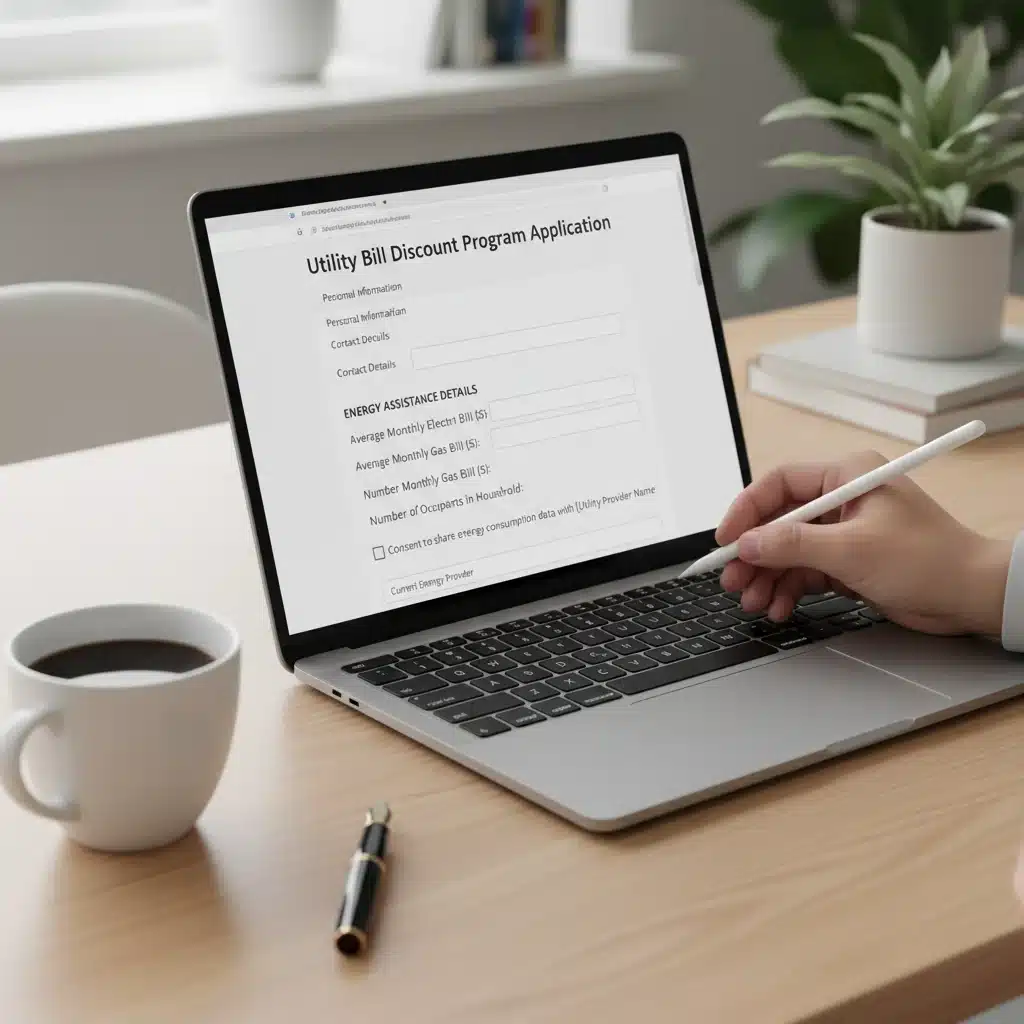
Most applications can be completed online, which is often the fastest method. Some programs might offer paper applications that can be mailed in. Fill out all sections accurately and completely. Incomplete applications are the most common reason for delays or rejections. Double-check all information before submission.
Step 4: Submit and Follow Up
After submitting your application, you should receive a confirmation. Keep this confirmation and any reference numbers provided. It’s wise to follow up within a few weeks if you haven’t heard back, just to ensure your application is being processed. Be prepared to provide additional information if requested.
Remember, the January 2027 deadline applies not just to the existence of the program, but often to the submission of your application. Don’t wait until the last minute to start this process, as processing times can vary.
Beyond the Discount: Maximizing Your Utility Bill Savings Long-Term
While securing the 20% discount is a fantastic immediate win, it’s also an excellent opportunity to think about long-term utility bill savings. The program might even require or incentivize certain energy-efficient upgrades. Here are additional strategies to consider:
1. Conduct a Home Energy Audit
Many utility companies offer free or low-cost energy audits. A professional will assess your home’s energy efficiency, identify areas of heat loss, and recommend improvements. This can uncover significant opportunities for savings beyond the 20% discount.
2. Invest in Energy-Efficient Appliances
If your appliances are old, they are likely energy hogs. Upgrading to ENERGY STAR® certified appliances can lead to substantial long-term savings. Look for rebates or tax credits that can offset the initial cost of these investments.
3. Improve Insulation and Sealing
Proper insulation in walls, attics, and floors, along with sealing air leaks around windows and doors, can dramatically reduce heating and cooling costs. This is often one of the most cost-effective ways to improve home energy efficiency.
4. Optimize Heating and Cooling Systems
- Programmable Thermostats: Install a smart or programmable thermostat to automatically adjust temperatures based on your schedule.
- Regular Maintenance: Ensure your HVAC system is serviced annually to operate at peak efficiency.
- Zoning: If possible, consider zoning your home so you only heat or cool the areas you are using.
5. Embrace Renewable Energy
Explore options like solar panels. While an initial investment, they can significantly reduce or even eliminate your electricity bill over time, further amplifying your utility bill savings. Many government incentives and financing options are available for solar installations.
6. Adopt Smart Energy Habits
- Unplug electronics when not in use (phantom load).
- Wash clothes in cold water.
- Use natural light whenever possible.
- Take shorter showers.
These small changes, when consistently applied, can contribute to significant reductions in your overall utility bill savings.
Potential Roadblocks and How to Overcome Them
While the path to securing these utility bill savings is clear, you might encounter a few hurdles. Being prepared for them can save you time and frustration.
Issue 1: Incomplete or Incorrect Documentation
Solution: Double-check all forms and ensure every piece of required documentation is attached. Create a checklist and tick off items as you gather them. If applying online, use digital copies; if mailing, make photocopies for your records.
Issue 2: Missed Deadlines
Solution: The January 2027 deadline is firm. Start your application process well in advance. Set reminders on your phone or calendar. Don’t assume an extension will be granted.
Issue 3: Confusion About Eligibility
Solution: If you’re unsure whether you qualify, contact the program administrator or your utility company directly. Don’t self-disqualify. Ask specific questions about income thresholds, residency requirements, and any other criteria that seem unclear.
Issue 4: Long Processing Times
Solution: Be patient, but proactive. Keep records of your application submission date and any communication. If you don’t hear back within the stated timeframe, follow up politely with the provided contact information. Having a reference number will be invaluable here.
Issue 5: Technical Issues with Online Applications
Solution: If you encounter technical difficulties, try a different browser, clear your cache, or try accessing the site at off-peak hours. If problems persist, contact the technical support line for the application portal. As a last resort, inquire about alternative application methods (e.g., mail-in forms).
The Economic Impact of Reduced Utility Bills
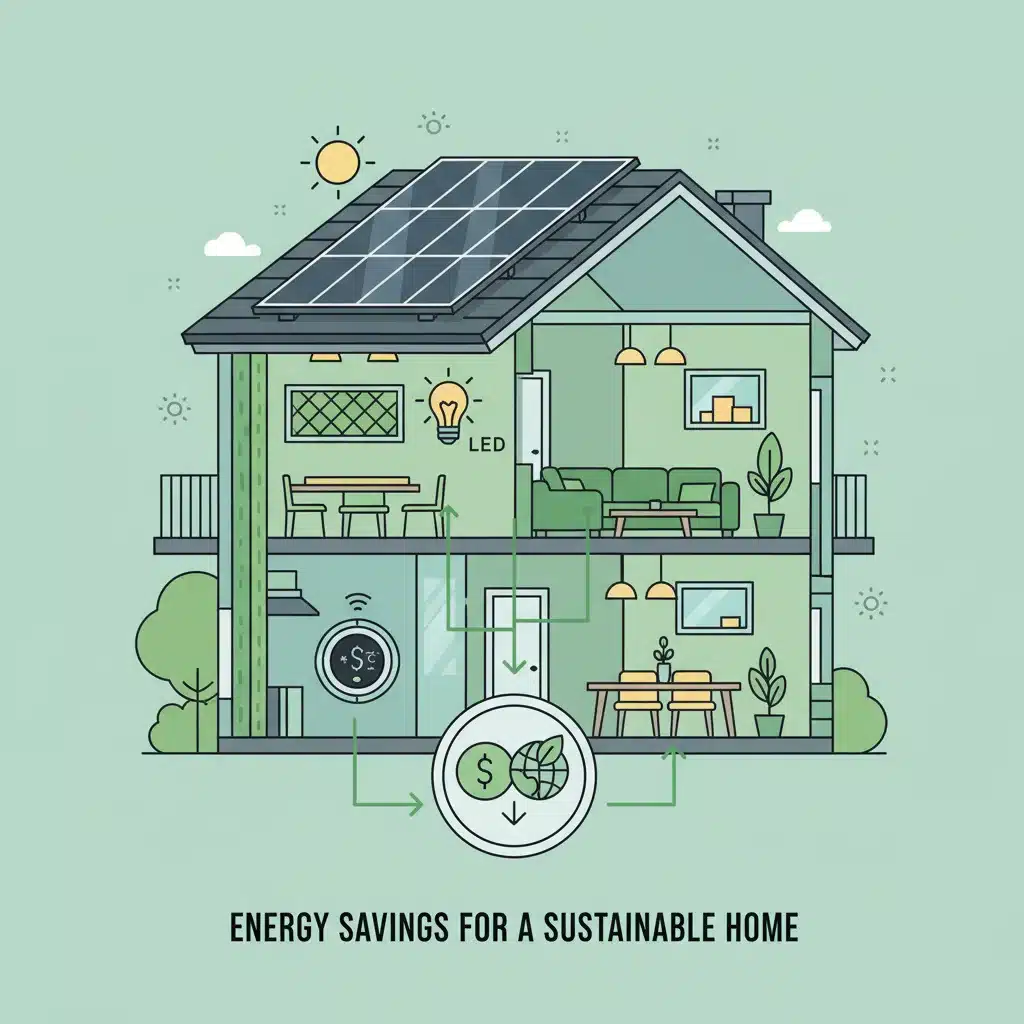
The 20% utility bill savings are not just about a smaller monthly payment; they have a broader economic impact on your household. When you reduce essential fixed costs, you free up capital that can be redirected to other critical areas:
- Debt Reduction: Extra funds can be used to pay down high-interest debts, improving your overall financial health.
- Savings and Investments: The money saved can contribute to an emergency fund, retirement savings, or investments, building long-term wealth.
- Discretionary Spending: It allows for more flexibility in your budget, enabling you to afford educational opportunities, home improvements, or leisure activities that enhance your quality of life.
- Increased Financial Stability: A lower fixed cost makes your budget more resilient to unexpected expenses or changes in income.
In essence, securing these utility bill savings contributes to a more robust and stable financial future, providing peace of mind and greater control over your finances.
A Call to Action: Don’t Delay, Secure Your Savings Today!
The message is clear: the opportunity to secure a 20% discount on your utility bill savings is real, significant, and strictly time-limited. The January 2027 deadline is approaching faster than you might think, and missing it means missing out on substantial financial relief.
Begin your research today. Identify the relevant programs in your area, gather your documents, and complete your application. Don’t let procrastination cost you hundreds or even thousands of dollars. Take control of your household budget and ensure you are among those who benefit from these critical utility bill savings.
Remember, this isn’t just about a one-time discount; it’s about establishing a habit of financial vigilance and taking advantage of every available opportunity to improve your economic well-being. The clock is ticking – act now to secure your savings before January 2027!