Mastering Transportation Costs: Your 2026 Guide to Saving 20%
Mastering Transportation Costs: Your 2026 Guide to Saving 20%
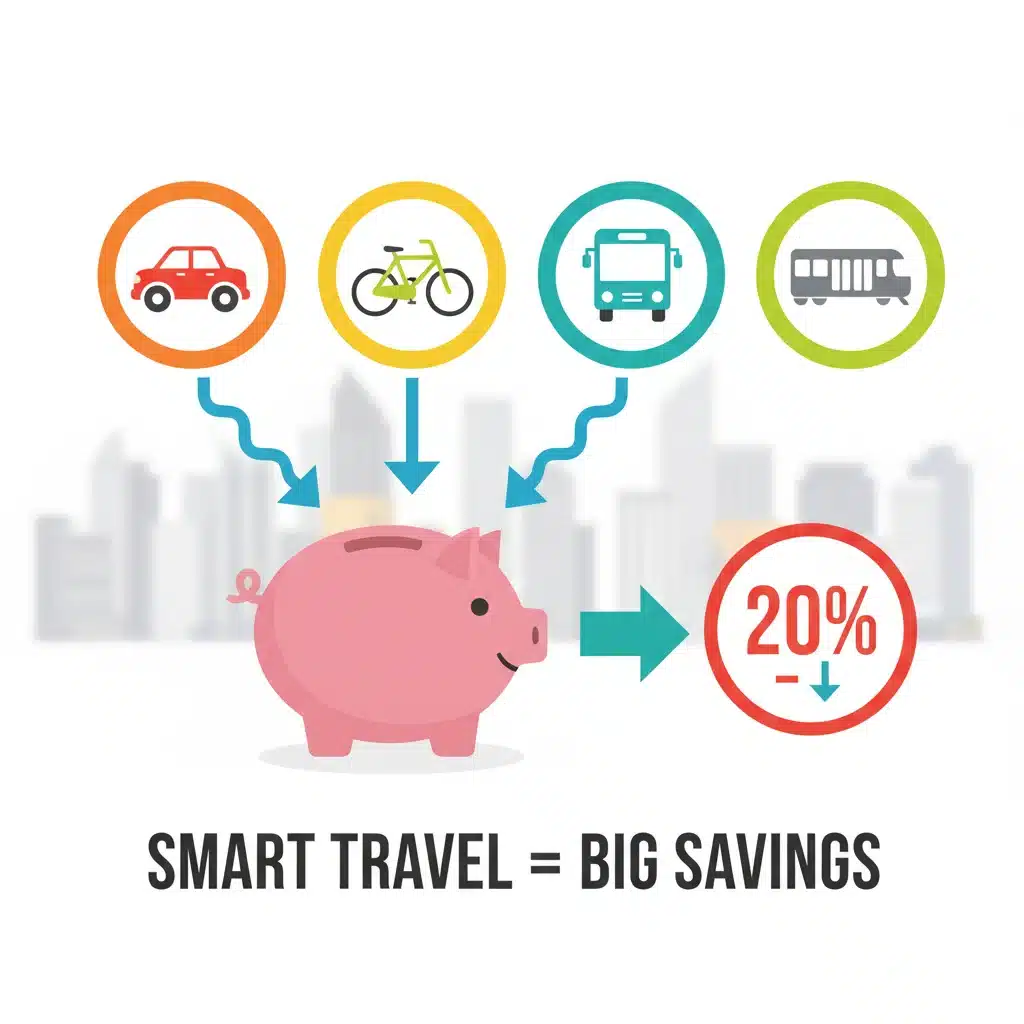
In an ever-evolving economic landscape, managing personal finances effectively is more crucial than ever. As we approach 2026, one of the most significant and often overlooked areas where substantial savings can be achieved is transportation. Whether you rely on a personal vehicle, public transit, or a combination of methods, the costs associated with getting from point A to point B can quickly add up and eat into your budget. This comprehensive guide is designed to help you reduce transportation costs by a remarkable 20% or more in 2026, offering actionable strategies and practical tips that cater to various lifestyles and needs.
The goal isn’t just to cut expenses, but to do so smartly and sustainably, without sacrificing convenience or quality of life. We’ll delve into everything from optimizing fuel efficiency and vehicle maintenance to exploring alternative transportation methods and leveraging technology. By the end of this article, you’ll have a clear roadmap to financial freedom on the move, empowering you to make informed decisions that benefit both your wallet and the environment.
Understanding Your Current Transportation Spending
Before you can effectively reduce transportation costs, you need to understand exactly where your money is going. Many people underestimate their true transportation expenses because they only consider obvious costs like fuel. However, the full picture includes much more. Start by tracking all your transportation-related expenditures for at least one month. This includes:
- Fuel/Charging Costs: The most obvious, but often fluctuating, expense.
- Vehicle Maintenance and Repairs: Oil changes, tire rotations, unexpected repairs, etc.
- Insurance Premiums: Monthly or annual payments for your vehicle insurance.
- Registration and Licensing Fees: Annual fees required to keep your vehicle legal.
- Parking Fees and Tolls: Daily, weekly, or monthly costs for parking and road tolls.
- Public Transit Fares: Bus, train, subway, or ferry tickets/passes.
- Ride-Sharing Services: Uber, Lyft, taxi fares.
- Car Payments/Lease: If you have a car loan or lease, this is a significant fixed cost.
- Depreciation: While not an out-of-pocket expense, it’s a real cost of vehicle ownership.
Use a budgeting app, a spreadsheet, or even a simple notebook to meticulously record these expenses. Once you have a clear picture, you can identify areas where you can make the most significant impact to reduce transportation costs.
Optimizing Your Personal Vehicle Usage
For many, the personal car is the primary mode of transport, and it’s also where the largest savings potential lies. Here’s how to optimize your vehicle use to reduce transportation costs:
1. Drive Smarter, Not Harder
Your driving habits have a direct impact on fuel consumption. Aggressive driving, such as rapid acceleration, speeding, and sudden braking, can lower your fuel efficiency by 15% to 30% at highway speeds and 10% to 40% in stop-and-go traffic. Adopting a smoother, more defensive driving style can significantly help you to reduce transportation costs related to fuel.
- Maintain a Steady Speed: Use cruise control on highways whenever possible.
- Anticipate Traffic: Look ahead to avoid unnecessary braking and acceleration.
- Avoid Idling: Turn off your engine if you’re going to be stopped for more than 30 seconds.
- Combine Errands: Plan your routes to group multiple tasks into one trip, minimizing cold starts and short drives, which are less fuel-efficient.
2. Regular Vehicle Maintenance is Key
Neglecting your car’s maintenance can lead to decreased fuel efficiency and costly repairs down the line. Regular upkeep ensures your vehicle runs at its peak performance, helping you to reduce transportation costs in the long run.
- Keep Tires Properly Inflated: Under-inflated tires can reduce fuel efficiency by about 3% and wear out faster. Check your tire pressure regularly.
- Regular Oil Changes: Follow your manufacturer’s recommendations for oil changes. Clean oil ensures your engine runs smoothly and efficiently.
- Replace Air Filters: A clogged air filter can reduce fuel efficiency and engine performance.
- Tune-Ups: Regular engine tune-ups can improve fuel economy by an average of 4% for cars with issues.
3. Choose the Right Fuel
Always use the octane level recommended by your car’s manufacturer. Using higher-octane fuel than required does not provide any benefit and simply wastes money. Conversely, using lower-octane fuel than recommended can harm your engine. By adhering to the manufacturer’s specifications, you can effectively reduce transportation costs at the pump.
4. Lighten Your Load
Every extra pound in your car reduces fuel efficiency. Remove unnecessary items from your trunk and backseat. Roof racks and cargo carriers also create aerodynamic drag, significantly increasing fuel consumption, especially at higher speeds. Remove them when not in use to help reduce transportation costs.
Exploring Alternative Transportation Methods
Reducing reliance on a personal vehicle is one of the most impactful ways to reduce transportation costs. Consider these alternatives:
1. Embrace Public Transportation
If available in your area, public transport (buses, trains, subways) can be significantly cheaper than driving, especially when factoring in fuel, parking, and maintenance. Explore monthly passes or commuter benefits offered by your employer to maximize savings. This shift can drastically help you to reduce transportation costs.
2. Biking and Walking
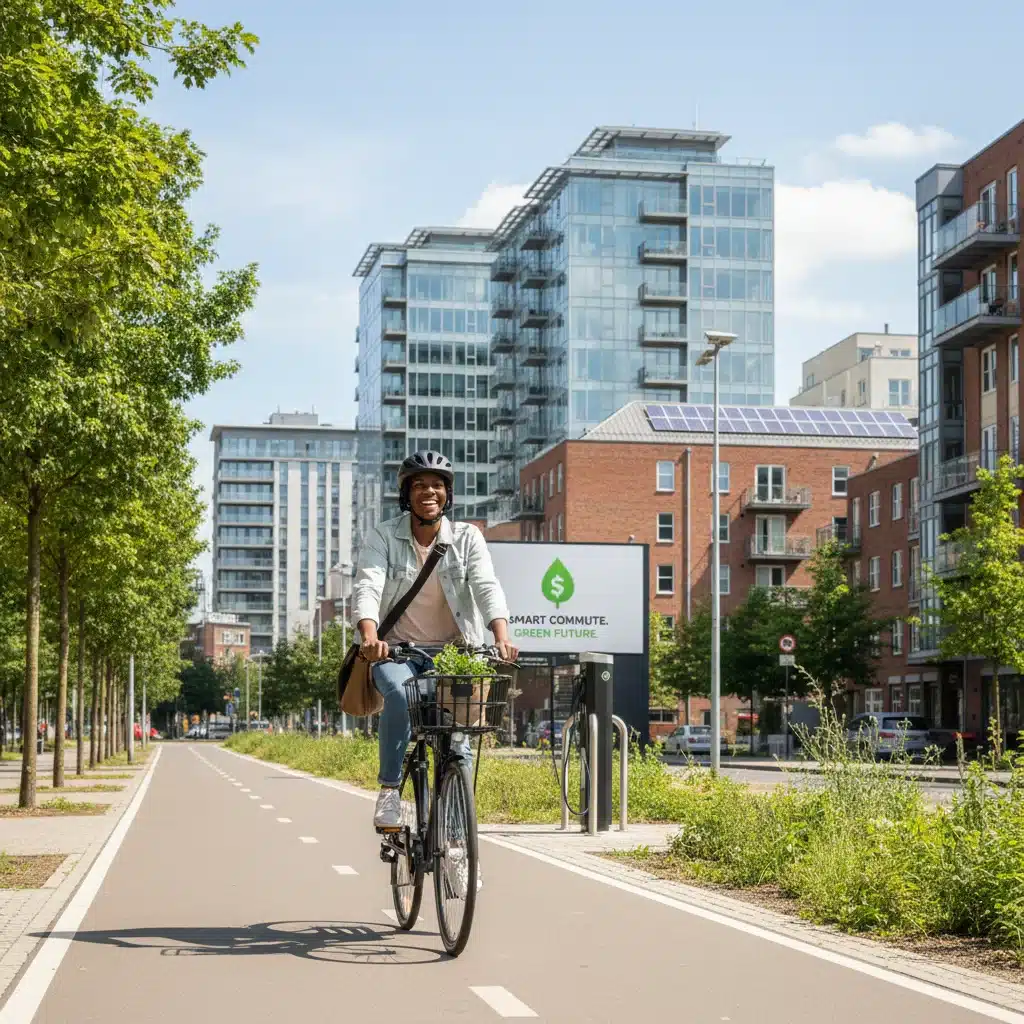
For short commutes or errands, biking or walking are not only free but also offer significant health benefits. Investing in a good bicycle and safety gear can pay for itself quickly through savings. This is an excellent way to reduce transportation costs to zero for certain trips.
3. Carpooling and Ride-Sharing
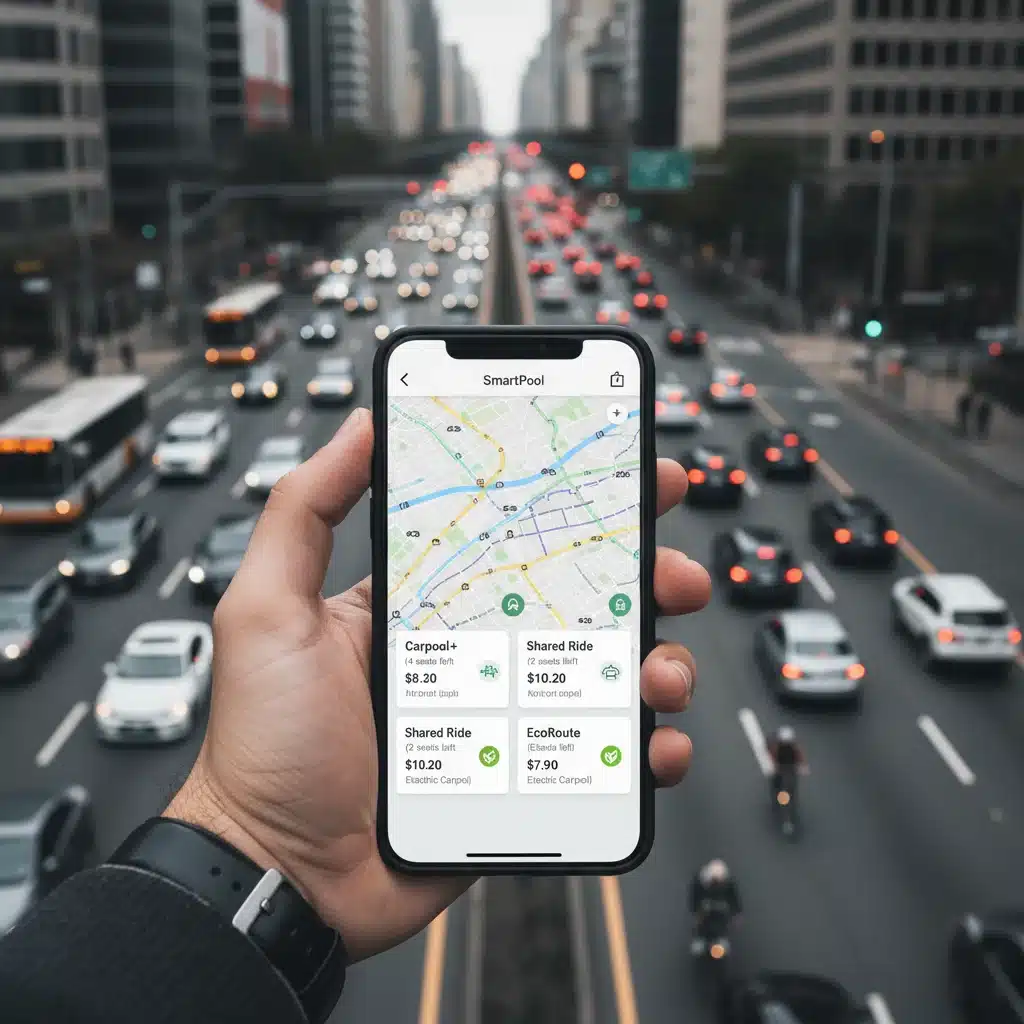
Share rides with colleagues, friends, or neighbors. Carpooling splits fuel and parking costs, making it a cost-effective option. Ride-sharing apps also offer carpool options that are cheaper than solo rides. Even using these services occasionally instead of driving your own car can help you to reduce transportation costs.
4. Electric Vehicles (EVs) and Hybrid Options
While the initial investment in an EV or hybrid might be higher, the long-term savings on fuel and maintenance can be substantial. Electricity is generally cheaper per mile than gasoline, and EVs often have fewer moving parts, leading to lower maintenance costs. Government incentives and tax credits for EV purchases can also help offset the initial price, making this a smart long-term strategy to reduce transportation costs.
Leveraging Technology and Smart Planning
Technology offers numerous tools to help you manage and reduce transportation costs.
1. Use Navigation Apps Wisely
Navigation apps like Google Maps or Waze can help you find the most fuel-efficient routes, avoid traffic jams, and even locate the cheapest gas stations nearby. Real-time traffic updates can save you from idling in congestion, contributing to fuel savings and helping to reduce transportation costs.
2. Price Comparison Apps for Fuel/Charging
Apps like GasBuddy or PlugShare (for EVs) help you compare fuel prices or charging station costs in your area. Even a few cents per gallon/kWh can add up over time, especially if you drive frequently. This simple habit can significantly help you to reduce transportation costs.
3. Consider Car-Sharing Services
If you only need a car occasionally, car-sharing services like Zipcar or Turo might be more economical than owning a car. You pay for the car only when you need it, avoiding insurance, maintenance, and parking costs. This is an excellent option for urban dwellers looking to dramatically reduce transportation costs.
Financial Strategies to Further Reduce Transportation Costs
Beyond operational changes, several financial strategies can help you achieve your 20% savings goal.
1. Review Your Car Insurance
Insurance premiums are a significant part of transportation costs. Shop around for quotes from different providers annually. Consider increasing your deductible, bundling policies (home and auto), or asking about discounts for good driving records, low mileage, or vehicle safety features. Even a small reduction in your premium can help you to reduce transportation costs over the year.
2. Refinance Your Car Loan
If you have a car loan, research refinancing options. Lowering your interest rate can reduce your monthly payments and the total amount you pay over the life of the loan. This is a direct way to reduce transportation costs immediately.
3. Evaluate Your Commute
Is your daily commute excessively long or expensive? Consider if there are opportunities to work from home more frequently, or if a job closer to home is a viable option. Even moving closer to work or public transit hubs could lead to substantial long-term savings and help you to reduce transportation costs.
4. Budget for Maintenance
Instead of being caught off guard by unexpected repairs, create a dedicated savings fund for vehicle maintenance. Setting aside a small amount each month ensures you’re prepared for routine services and unforeseen issues, preventing them from derailing your budget and adding stress. Proactive budgeting is key to consistently reduce transportation costs.
Practical Steps for a 20% Reduction by 2026
Achieving a 20% reduction requires a multi-faceted approach. Let’s break down how to implement these strategies effectively:
Step 1: Calculate Your Baseline
As discussed, the first step is to accurately calculate your current monthly and annual transportation expenses. Let’s say your current annual spending is $4,000. Your target 20% reduction means aiming to spend no more than $3,200 annually, or $266.67 per month.
Step 2: Identify Your Biggest Levers
Look at your expense breakdown. Is fuel your biggest cost? Or perhaps car payments/insurance? Focus your efforts on the areas that offer the largest potential for savings. If you spend $150 on fuel weekly, a 20% reduction means saving $30 per week, or $1,560 annually by finding cheaper gas, driving less, or improving efficiency. This makes it easier to reduce transportation costs.
Step 3: Implement Small Changes, Consistently
Start with easy-to-adopt habits:
- One less drive per week: Can you walk or bike to one errand instead of driving?
- Check tire pressure weekly: Takes minutes, saves fuel.
- Compare gas prices: Use an app to find the cheapest fuel stop on your route.
- Combine errands: Plan your week’s tasks to minimize separate trips.
Step 4: Explore Larger Shifts
Once small changes are routine, consider more significant adjustments:
- Public transit trial: Try using public transport for your commute one or two days a week.
- Carpooling: Find a carpool partner for your daily commute.
- Insurance review: Get quotes from three different insurance providers.
- Vehicle downsizing/refinancing: If your car payment is a burden, explore refinancing or consider if a more economical vehicle is an option when your current one needs replacing.
Step 5: Track Your Progress
Regularly review your transportation spending against your initial baseline. Seeing your savings grow can be a powerful motivator to stick with your new habits and continue to find ways to reduce transportation costs. If you’re falling short, re-evaluate your strategies and identify new areas for improvement.
Long-Term Vision: Sustainable Transportation Habits
Achieving a 20% reduction in 2026 isn’t just about short-term fixes; it’s about building sustainable transportation habits that benefit you for years to come. Think about the environmental impact of your choices as well. By driving less, using more efficient vehicles, or opting for public and active transport, you’re not only saving money but also contributing to cleaner air and reduced carbon emissions.
Consider the cumulative effect of these changes. If you save $800 annually by 2026, over five years, that’s $4,000 you can redirect towards other financial goals, such as investments, debt reduction, or a down payment on a home. This perspective reinforces the value of your efforts to reduce transportation costs.
Overcoming Challenges
Implementing these changes might come with challenges. Public transport schedules might not align perfectly, carpooling might require coordination, and sometimes, driving is simply unavoidable. The key is flexibility and persistence. Don’t get discouraged if you can’t implement every single tip. Even a few strategic changes can lead to substantial savings. Focus on the areas where you can make the most practical and comfortable adjustments to reduce transportation costs without significantly disrupting your daily life.
Conclusion: Your Journey to Reduced Transportation Costs in 2026
Successfully navigating and significantly reducing your transportation costs by 20% in 2026 is an achievable goal with the right strategies and commitment. By understanding your expenses, optimizing your vehicle usage, embracing alternative modes of transport, and leveraging technology, you can unlock substantial savings. This journey is not just about cutting costs; it’s about making smarter, more sustainable choices that improve your financial well-being and contribute positively to the environment.
Start today by tracking your expenses, identifying your biggest spending areas, and gradually implementing the tips outlined in this guide. With consistent effort and smart decision-making, you’ll be well on your way to enjoying a more economical and efficient way of getting around, making 2026 a year of significant financial progress. Take control of your transportation budget and watch your savings grow as you effectively reduce transportation costs.