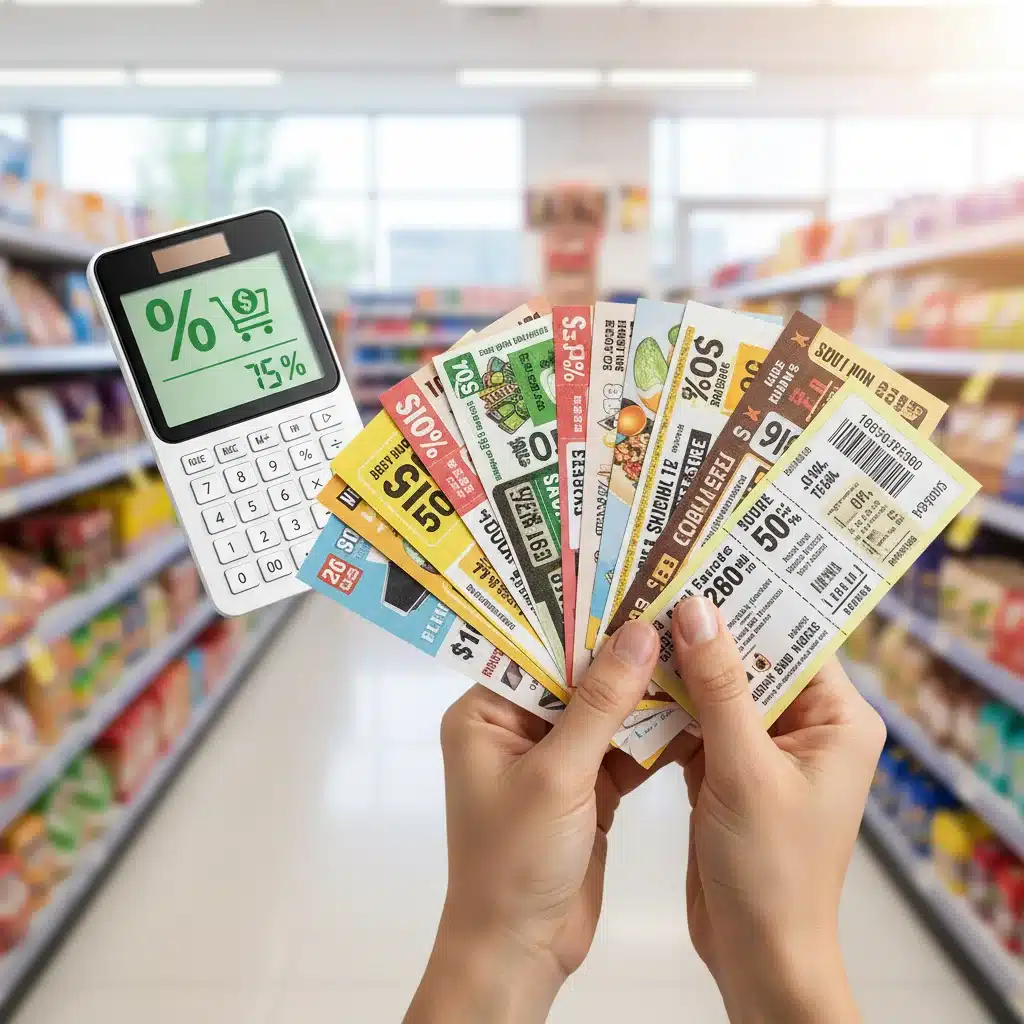
Mastering Coupon Stacking: Unlock 30% More Savings in Early 2026
In an era where every penny counts, maximizing your savings is more crucial than ever. While individual coupons offer a decent discount, the real magic happens when you master the art of coupon stacking guide. Imagine saving an additional 30% or even more on your regular purchases – that’s the power of strategic coupon combining. This comprehensive guide will walk you through the intricacies of coupon stacking, providing you with actionable strategies, expert tips, and a clear roadmap to significantly boost your savings in early 2026. Forget about simply clipping coupons; we’re talking about a sophisticated approach to discounts that can transform your budget.
Many consumers are unaware of the full potential of coupons. They might use one coupon per item or per transaction and feel content. However, the savvy shopper knows that often, multiple discounts can be applied to a single purchase, leading to exponential savings. This practice, known as coupon stacking guide, is not just about finding coupons; it’s about understanding store policies, identifying compatible offers, and executing a well-planned shopping trip. By the end of this article, you’ll be equipped with the knowledge to consistently achieve remarkable discounts, making your money work harder for you.
What Exactly is Coupon Stacking?
At its core, coupon stacking refers to the practice of applying multiple discounts to a single item or transaction. This can involve combining a manufacturer coupon with a store coupon, using a digital offer alongside a paper coupon, or leveraging a loyalty program discount with a promotional sale. The key distinction from simply using a coupon is the deliberate combination of different types of savings to achieve a larger overall discount. Understanding this fundamental concept is the first step in becoming a master of the coupon stacking guide.
The rules for coupon stacking vary significantly from retailer to retailer. Some stores are very generous, allowing multiple coupons per item, while others have stricter policies. It’s essential to familiarize yourself with the specific policies of the stores you frequent. This knowledge will not only prevent frustration at the checkout but also enable you to identify prime opportunities for maximum savings. Without a clear understanding of these rules, your attempts at coupon stacking might fall flat, missing out on valuable discounts.
Types of Coupons You Can Stack
To effectively implement a coupon stacking guide, you need to know the different types of coupons available and how they interact:
- Manufacturer Coupons: These are issued by the product manufacturer and are generally accepted at most retailers. They typically offer a discount on a specific brand or product.
- Store Coupons: Issued by the retailer itself, these coupons are only valid at that particular store. They often apply to a broader range of items or specific store brands.
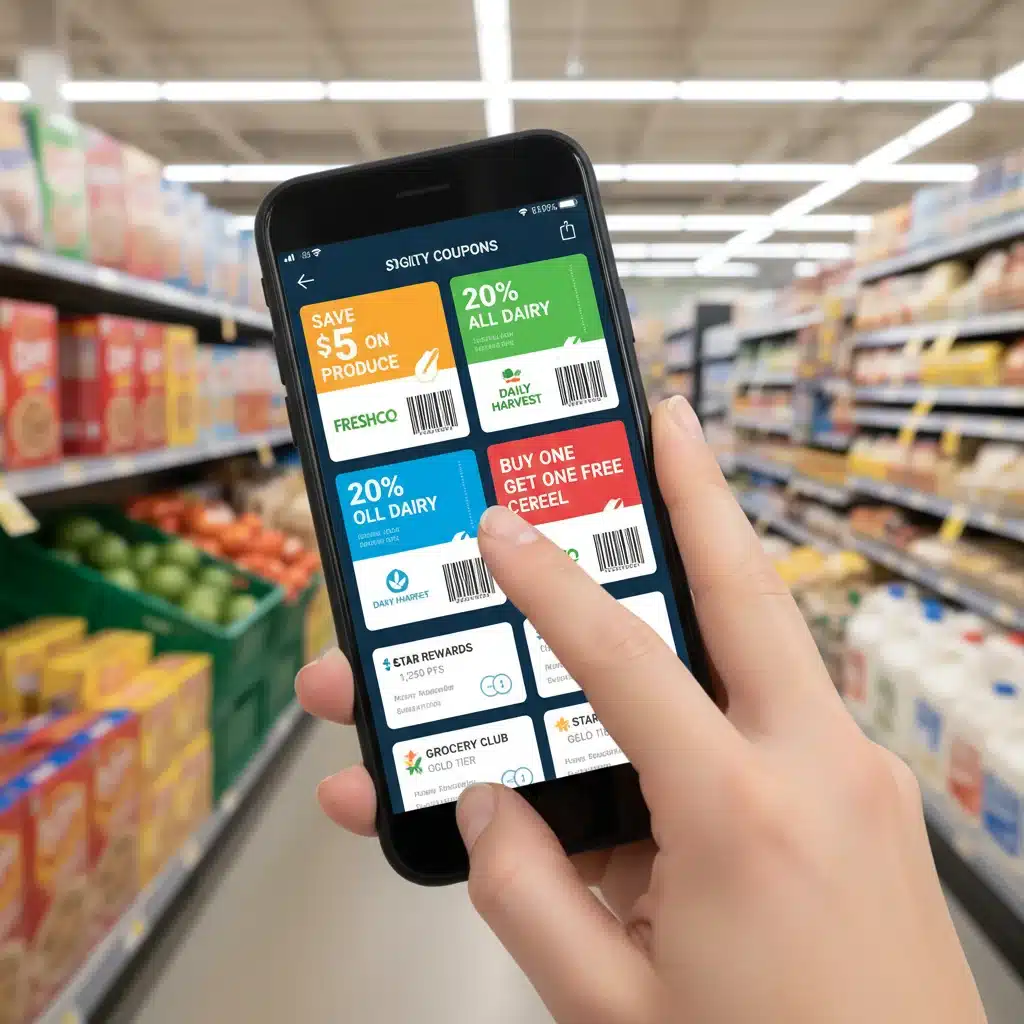
- Digital Coupons/App Offers: Many stores and brands offer digital coupons through their websites or mobile apps. These can often be loaded directly to your loyalty card.
- Cashback Apps/Programs: While not traditional coupons, apps like Ibotta, Fetch Rewards, or Checkout 51 offer rebates after purchase, effectively adding another layer of savings.
- Loyalty Program Discounts: Being a member of a store’s loyalty program often grants you access to exclusive discounts, personalized offers, and sometimes even points that can be redeemed for future purchases.
- Credit Card Rewards: Using a credit card that offers cashback or points on your purchases can add another percentage back to your wallet, especially if used strategically with other discounts.
The art of the coupon stacking guide lies in identifying which of these can be combined on a single item or transaction. For example, a common and highly effective stack involves using a manufacturer coupon and a store coupon on the same product, often during a store sale.
The Golden Rules of Coupon Stacking: Your Step-by-Step Guide
Successful coupon stacking isn’t random; it’s a methodical process. Follow these steps to become a master saver.
Step 1: Understand Store Policies
This is arguably the most critical step. Before you even start collecting coupons, you must understand each store’s coupon policy. Most major retailers publish their policies online. Look for specifics on:
- Whether they accept competitor coupons.
- If they allow a manufacturer coupon and a store coupon on the same item.
- Their policy on digital coupons and paper coupons.
- If they allow overage (when the coupon value exceeds the item’s price).
- Any limits on the number of coupons per transaction or per item.
A thorough understanding of these rules forms the foundation of your coupon stacking guide strategy. Print out these policies or save them on your phone; they can be invaluable if a cashier is unsure about a specific stack.
Step 2: Source Your Coupons Strategically
Don’t just grab any coupon; be strategic. Think about the items you regularly buy and then seek out coupons for those products. Here’s where to look:
- Sunday Newspapers: Still a primary source for manufacturer coupons (SmartSource, RetailMeNot Everyday, Procter & Gamble).
- Printable Coupon Websites: Sites like Coupons.com, RedPlum.com, and manufacturer websites offer a plethora of printable coupons.
- Store Apps & Websites: Many retailers (e.g., Target, Kroger, Walgreens) have their own digital coupon programs.
- Product Packaging: Look for peel-off coupons or inserts on products you’re already buying.
- Email Newsletters: Sign up for your favorite brands’ and stores’ email lists for exclusive offers.
- Cashback Apps: Ibotta, Fetch Rewards, Rakuten, and others offer rebates that can be stacked on top of traditional coupons.
The goal is to gather a diverse collection of coupons that can potentially be combined. This proactive approach is a cornerstone of an effective coupon stacking guide.
Step 3: Match Coupons with Sales
This is where significant savings truly begin. A coupon used on a full-priced item offers a discount, but a coupon used on an item already on sale offers a discount on a discounted price. Look for:
- Weekly Store Sales Flyers: These are your best friend. Plan your shopping around the sales.
- Clearance Items: Some stores allow coupons on clearance items, leading to incredibly low prices, sometimes even free.
- Buy One Get One Free (BOGO) Offers: Often, you can use a coupon on the item you’re paying for, and sometimes even on the ‘free’ item if the coupon value is less than the item’s price.
Combining a manufacturer coupon with a store sale is one of the easiest and most effective ways to start your coupon stacking guide journey. For example, if a box of cereal is on sale for $2.50, and you have a $1 off manufacturer coupon AND a $0.50 off store coupon, your final price could be just $1.00!
Step 4: Organize Your Coupons
A disorganized couponer is an inefficient couponer. Develop a system that works for you:
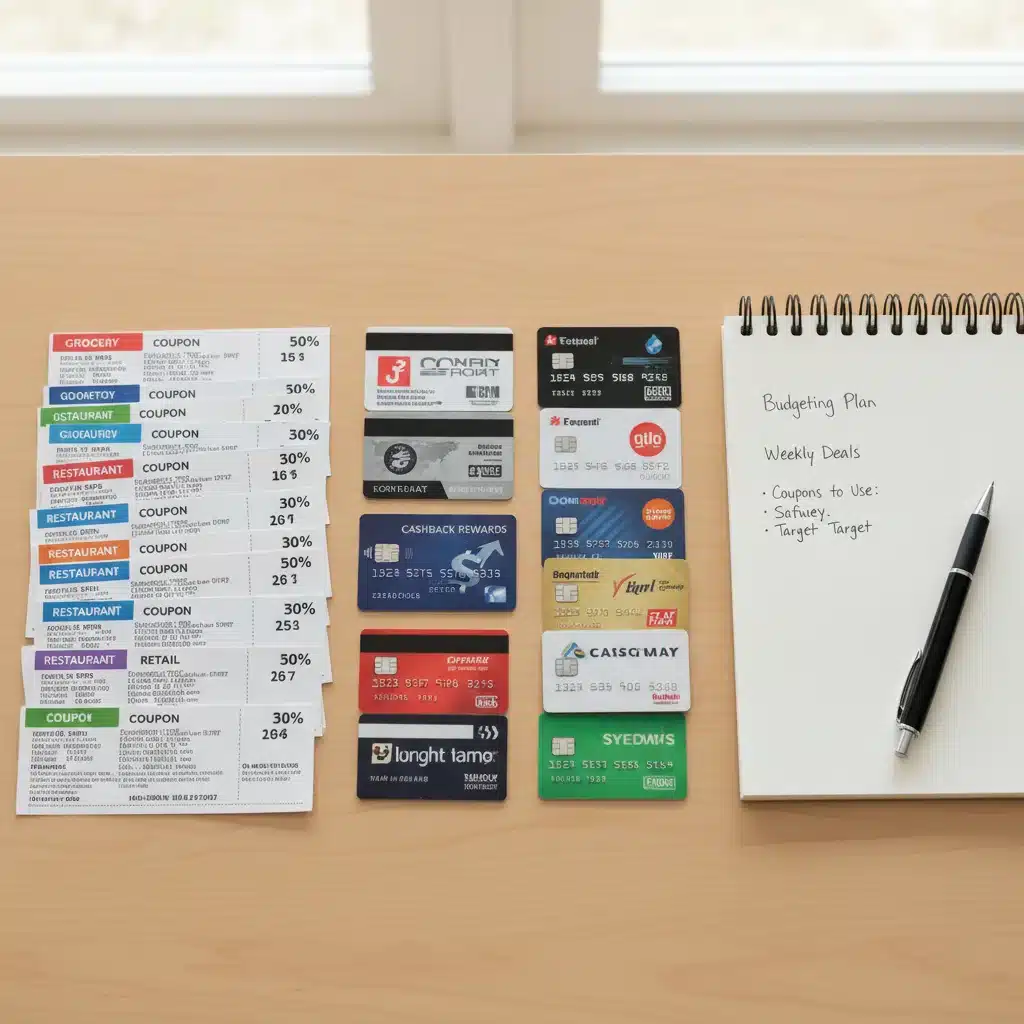
- Coupon Binder: Categorize by product type (dairy, produce, cleaning supplies) or by expiration date.
- Accordion File: A more compact option for categorizing.
- Digital Folders/Apps: For digital coupons, use store apps or dedicated coupon apps to keep track.
Knowing exactly what coupons you have and where they are located is crucial for executing your coupon stacking guide strategy swiftly and accurately at the checkout.
Advanced Coupon Stacking Strategies for 30% More Savings
Once you’ve mastered the basics, it’s time to elevate your game with more advanced techniques.
Strategy 1: The ‘Triple Stack’ (Manufacturer + Store + Cashback)
This is the holy grail of coupon stacking. It involves combining:
- A manufacturer coupon.
- A store coupon (or a store sale).
- A cashback offer from an app like Ibotta or a credit card reward.
Example: A specific brand of yogurt is on sale for $1.00 at your local grocery store. You have a $0.50 off manufacturer coupon, and the store app has a $0.25 off store coupon for the same yogurt. After your purchase, Ibotta offers a $0.25 rebate. Your final cost? Free! This is a perfect example of what a robust coupon stacking guide can achieve.
Strategy 2: Leveraging Loyalty Programs and Points
Many stores offer loyalty programs that provide points for purchases, which can then be redeemed for discounts. These points often stack with coupons. For instance, if you earn 100 points (worth $1) for every $10 spent, and you use coupons to reduce your out-of-pocket expense to $10, you still earn the $1 back. This effectively adds another layer of savings to your coupon stacking guide.
Strategy 3: Understanding Coupon Expiration and Timing
Timing is everything. Pay close attention to coupon expiration dates and align them with sales cycles. Often, stores have a predictable sales rhythm (e.g., certain items go on sale every 6-8 weeks). If you have a coupon expiring soon, try to find a relevant sale to maximize its value. Don’t be afraid to stock up on non-perishable items when you hit a fantastic deal through stacking.
Strategy 4: The Power of ‘Overage’
Some stores, though fewer these days, allow ‘overage.’ This happens when the value of your coupon exceeds the price of the item. In such cases, the store might apply the excess value to other items in your cart or even give you cash back. Always know your store’s policy on overage, as it can lead to items being truly free or even making money on a purchase. This is an advanced technique in the coupon stacking guide that requires careful planning.
Strategy 5: Price Matching with Coupons
While less common with stacking, some stores that offer price matching might also allow you to use a manufacturer coupon on the price-matched item. This isn’t strictly stacking in the traditional sense, but it’s a powerful combination that can result in significant savings. Always check the store’s specific price-matching and coupon policy.
Common Pitfalls and How to Avoid Them
Even with the best intentions, coupon stacking can sometimes go awry. Being aware of common issues can save you time and frustration.
Pitfall 1: Expired Coupons
This is a simple yet frequent mistake. Always double-check expiration dates before heading to the store. An organized coupon system (as discussed in Step 4) will largely mitigate this issue.
Pitfall 2: Misunderstanding Store Policies
Trying to stack coupons in a way that violates a store’s policy will lead to disappointment. A cashier has the right to refuse coupons that don’t adhere to their rules. Refer back to Step 1 and keep those policies handy.
Pitfall 3: Coupon Fraud
Never use photocopied, altered, or fraudulent coupons. This is illegal and can lead to serious consequences. Stick to legitimate sources for your coupons.
Pitfall 4: Over-Purchasing
Don’t buy something just because you have a great coupon stack for it, especially if it’s perishable or something you won’t use. The goal of a coupon stacking guide is to save money on items you need and use, not to accumulate unnecessary inventory.
Pitfall 5: Forgetting Digital Coupons
It’s easy to get caught up with paper coupons and forget to load digital offers to your loyalty card or app. Make it a habit to check and load digital coupons before every shopping trip.
Tools and Resources for the Modern Coupon Stacker
In 2026, technology is your best friend when it comes to coupon stacking.
Mobile Apps Are Your Allies
- Store-Specific Apps: Almost every major grocery chain and retailer has an app. Download them all! They often contain exclusive digital coupons, personalized offers, and allow you to view weekly ads.
- Cashback Apps: Ibotta, Fetch Rewards, Checkout 51, and Rakuten are essential for adding another layer of savings. Link your loyalty cards, scan receipts, and earn cash back on eligible purchases.
- Coupon Aggregator Apps: Apps like Flipp or The Krazy Coupon Lady help you find deals, match coupons to sales, and organize your shopping list.
Websites and Online Forums
- Coupon Databases: Websites like Coupons.com, RetailMeNot, and various coupon blogs provide extensive databases of printable and digital coupons.
- Deal Blogs and Forums: Sites like Slickdeals, HotUKDeals (for UK users), and specific couponing blogs often highlight the best stacking opportunities and provide detailed breakdowns of deals. Engaging with these communities can give you insights into unadvertised deals and successful stacking combinations.
- Manufacturer Websites: Many brands offer coupons directly on their websites.
Organizing Your Digital Life
Just as you organize physical coupons, keep your digital couponing efforts streamlined. Create a dedicated folder on your smartphone for all shopping and coupon apps. Set reminders for coupon expiration dates. A well-organized digital approach is key to maximizing your coupon stacking guide efforts.
The Economic Impact of Smart Coupon Stacking
Beyond the immediate satisfaction of a great deal, consistent coupon stacking can have a significant impact on your personal finances. Saving 30% on your grocery bill, for example, can free up hundreds of dollars each month. Over a year, this could amount to thousands of dollars that can be redirected to savings, debt repayment, investments, or even a well-deserved treat.
Consider the cumulative effect: if your average weekly grocery bill is $150, a 30% saving means you’re spending $45 less. Over a year, that’s $2,340 back in your pocket. This isn’t just about being frugal; it’s about being financially intelligent. The principles of this coupon stacking guide are designed to empower you to take control of your spending and stretch your budget further.
Building a Strategic Shopping Mindset
Coupon stacking isn’t just a tactic; it’s a mindset. It encourages:
- Mindful Spending: You become more aware of prices, sales cycles, and the true value of products.
- Patience and Planning: You learn to wait for the right deals and plan your purchases in advance.
- Resourcefulness: You become adept at finding and combining various resources to achieve your goals.
- Reduced Waste: By stocking up on items you truly need when they are at their lowest price, you reduce impulse buys and potential waste.
Embracing this mindset, guided by a robust coupon stacking guide, will not only save you money but also instill valuable financial habits.
Early 2026 Projections: What to Expect in the Coupon World
As we move into early 2026, the coupon landscape continues to evolve. Expect an even greater emphasis on digital offers and personalized promotions. Retailers are increasingly using AI and data analytics to tailor discounts to individual shopping habits. This means:
- More Personalized Digital Coupons: Pay close attention to offers sent directly to your email or through store apps, as these will often be highly relevant and stackable.
- Increased Use of Loyalty Programs: Expect loyalty programs to become even more sophisticated, offering tiered rewards and exclusive early access to sales.
- Omnichannel Stacking: The ability to seamlessly combine online and in-store discounts will become more prevalent. Look for opportunities to buy online with a coupon and pick up in-store, potentially applying another in-store offer.
- Subscription Box Discounts: As subscription services grow, expect more stacking opportunities for initial sign-ups and ongoing loyalty.
Staying informed about these trends will allow you to adapt your coupon stacking guide strategies and continue to maximize your savings. The core principles remain the same, but the methods of delivery and combination will become more technologically integrated.
Final Thoughts: Your Journey to Becoming a Coupon Stacking Pro
Mastering the art of coupon stacking guide is a journey, not a destination. It requires patience, organization, and a willingness to learn and adapt. Start small, perhaps by focusing on one store and one type of stack, and gradually expand your strategies as you gain confidence. The satisfaction of seeing your total bill dramatically reduced at the checkout is an incredibly rewarding experience.
Remember, the goal isn’t just to save money; it’s to make your money work smarter for you. By consistently applying the principles outlined in this guide, you can unlock an average of 30% or more in savings, significantly impacting your household budget and financial well-being in early 2026 and beyond. Happy stacking!