2026 Food Budget Savings: 18% Reduction Strategies
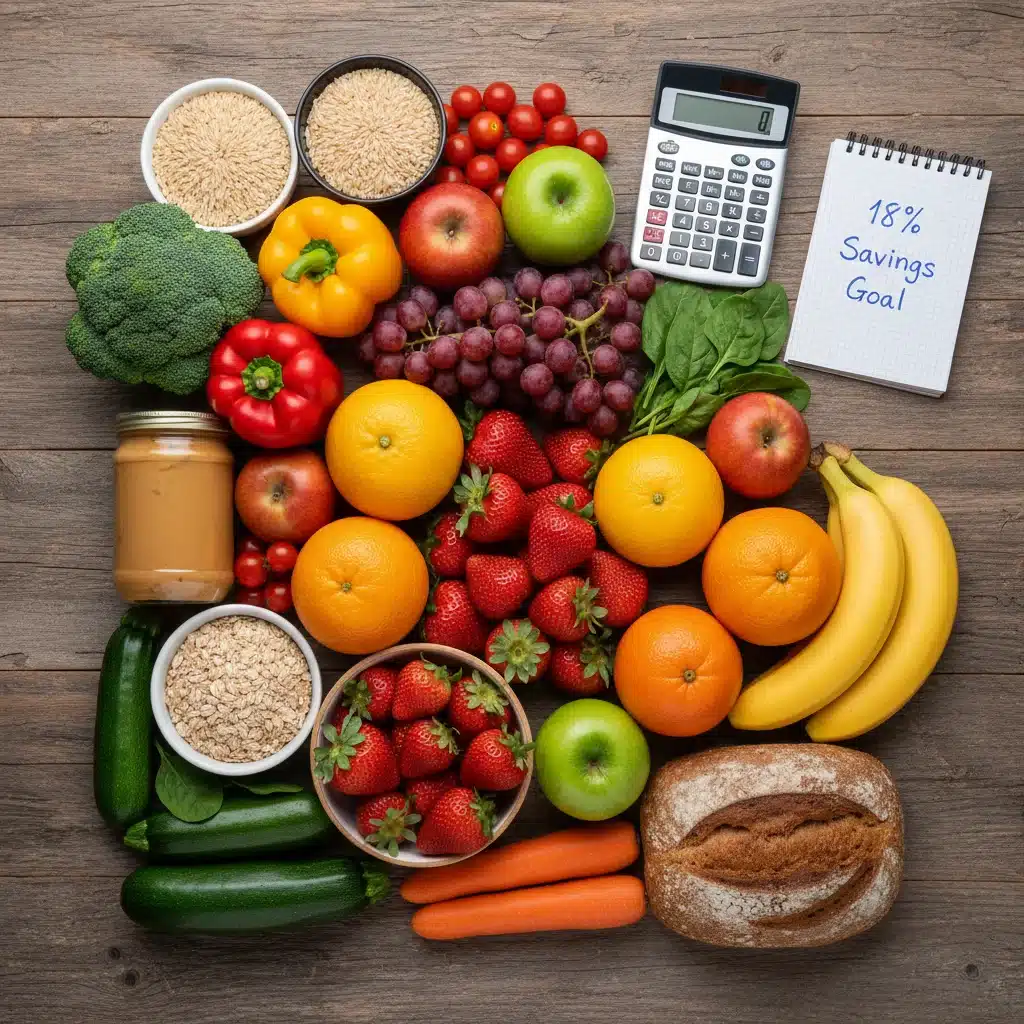
2026 Savings Update: New Strategies to Lower Your Food Budget by 18% This Year
In an era where economic uncertainties persist and the cost of living continues its upward trajectory, finding effective ways to manage household expenses has become more crucial than ever. Among the myriad categories of spending, the food budget often stands out as one of the most flexible, offering significant opportunities for reduction without necessarily compromising quality or nutritional value. As we look towards 2026, the goal for many is not just to save a little, but to implement strategic changes that yield substantial results. This comprehensive guide is designed to help you achieve an ambitious yet entirely attainable target: lowering your food budget savings by a remarkable 18% this year. This isn’t about drastic, unsustainable cuts, but rather about adopting smarter habits, leveraging modern tools, and embracing a more mindful approach to how we source, prepare, and consume our food.
The journey to significant food budget savings begins with understanding where your money currently goes. Many households are surprised to discover the hidden costs associated with impulse purchases, frequent dining out, and excessive food waste. By shining a light on these areas, we can identify concrete steps to reallocate those funds more efficiently. This article will delve into a multi-faceted approach, covering everything from strategic grocery shopping and intelligent meal planning to innovative cooking techniques and effective waste reduction. We’ll explore how technology can be your ally, how community resources can offer support, and how a shift in mindset can transform your relationship with food and money.
Achieving an 18% reduction in your food budget savings is not a pipe dream; it’s a realistic goal that requires commitment and a willingness to adapt. The strategies outlined here are practical, adaptable, and designed to fit various lifestyles and dietary needs. Whether you’re a busy professional, a parent managing a family, or someone simply looking to optimize their finances, these insights will provide a clear roadmap. Prepare to discover new ways to save, eat healthier, and contribute positively to both your wallet and the planet.
Understanding Your Current Food Spending: The First Step to Food Budget Savings
Before you can effectively cut your food budget savings, you need to know exactly what you’re spending. Many people underestimate their true food expenses because they don’t track every purchase. The first crucial step is to meticulously record all food-related expenditures for at least one month. This includes groceries, restaurant meals, coffee shop visits, vending machine snacks, and any other food or drink bought outside the home. Use a budgeting app, a spreadsheet, or even a simple notebook to log every single transaction.
Analyze Your Spending Patterns
Once you have a month’s worth of data, sit down and analyze it. Look for patterns and identify your biggest spending categories. Are you spending too much on convenience foods? Are restaurant meals a significant drain? Do you frequently buy items you already have at home, leading to waste? Understanding these patterns is key to identifying areas where you can make the most impactful cuts to your food budget savings.
- Grocery Store Habits: Do you shop with a list? Do you get swayed by impulse buys?
- Dining Out: How often do you eat out, and what’s the average cost per meal?
- Coffee and Snacks: Are daily coffee runs or afternoon snacks adding up significantly?
- Food Waste: How much food do you throw away each week or month? This is often a hidden cost that can severely impact your food budget savings.
This initial audit might be a wake-up call, but it provides the necessary foundation to build a realistic and effective plan for achieving your 18% food budget savings goal. Without this baseline, any attempts to save will be based on guesswork rather than data-driven decisions.
Strategic Grocery Shopping: Maximizing Your Dollars for Food Budget Savings
The grocery store is where the majority of your food budget is spent, making it fertile ground for significant food budget savings. Strategic grocery shopping goes beyond just making a list; it involves a holistic approach to planning, purchasing, and even storing your food.
1. Meal Planning: Your Essential Tool
Before you even step foot in a store, create a detailed meal plan for the entire week. This plan should consider all meals – breakfast, lunch, dinner, and snacks. Base your plan around ingredients you already have, items that are on sale, and versatile components that can be used in multiple dishes. A well-thought-out meal plan dramatically reduces impulse purchases and ensures you only buy what you need, directly contributing to your food budget savings.
2. Master the Art of the Grocery List
Once your meal plan is set, create a comprehensive grocery list. Categorize items by aisle to make your shopping trip more efficient and prevent unnecessary detours that can lead to impulse buys. Stick strictly to your list. Think of it as your financial guardian at the supermarket. Don’t be tempted by flashy displays or ‘special offers’ unless they genuinely align with your meal plan and are a good value.
3. Embrace Sales and Coupons Wisely
Sales and coupons can be powerful tools for food budget savings, but only if used strategically. Don’t buy something just because it’s on sale if you won’t use it. However, if a regularly purchased item is deeply discounted, consider stocking up, especially on non-perishables or items that freeze well. Combine sales with digital coupons or loyalty programs for maximum effect. Always compare unit prices to ensure you’re getting the best deal, as larger packages aren’t always cheaper.
4. Shop the Perimeter and Buy in Bulk (Smartly)
The perimeter of most grocery stores contains the freshest and often healthiest items: produce, dairy, and meats. The inner aisles are typically where processed, more expensive foods reside. Focus your shopping on the perimeter. Buying certain staples in bulk – like grains, beans, and frozen vegetables – can lead to substantial food budget savings over time. However, only buy in bulk if you have the storage space and are confident you will use the items before they spoil. Wasted bulk purchases negate any savings.
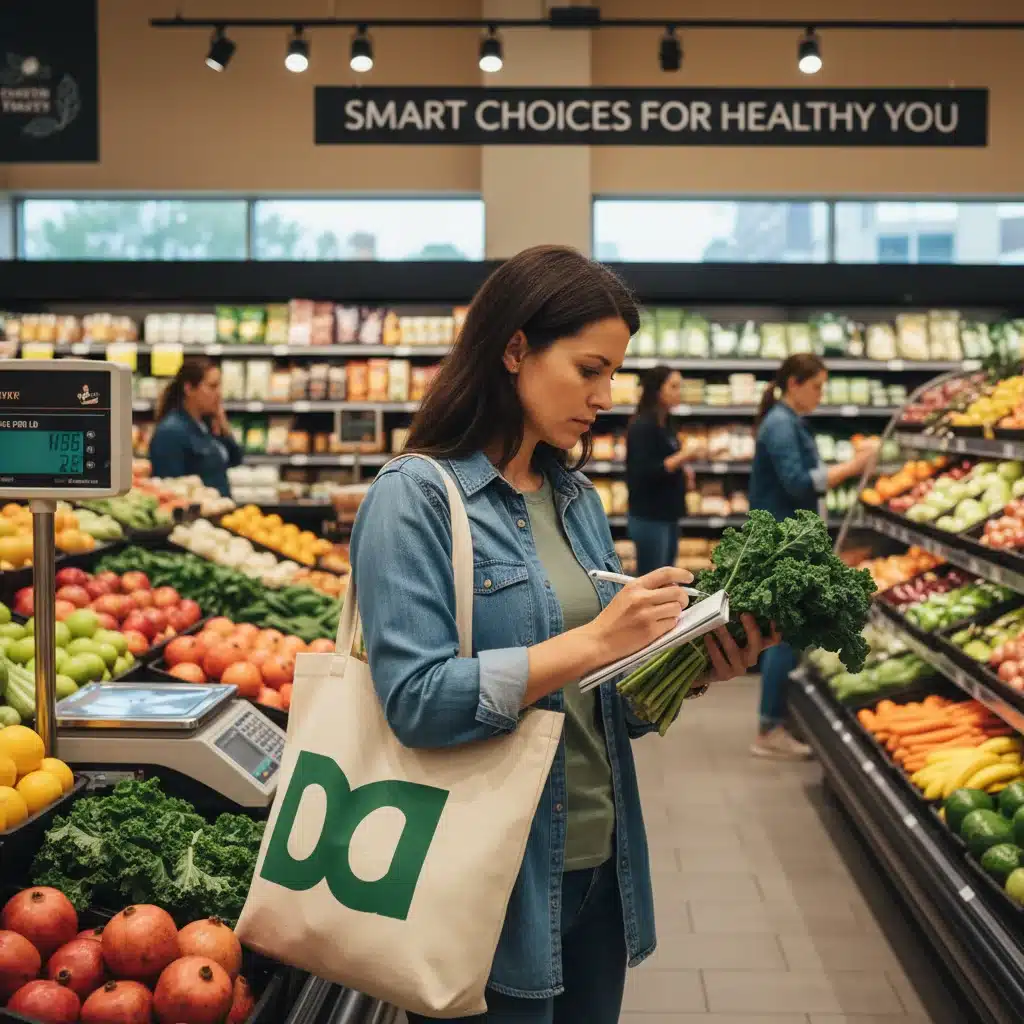
5. Explore Cheaper Alternatives and Store Brands
Don’t be afraid to try store brands or generic versions of your favorite products. In many cases, the quality is comparable to name brands, but the price difference can be significant. Similarly, look for cheaper alternatives to expensive ingredients. For example, dried beans are far more economical than canned, and often more flavorful when prepared from scratch.
6. Avoid Shopping When Hungry
This might seem like a minor tip, but shopping on an empty stomach is a well-documented way to overspend. Hunger makes everything look appealing, leading to impulsive, often unhealthy, and expensive purchases. Eat a snack or a meal before you head to the store to maintain your focus on your list and your food budget savings goal.
Mastering Meal Prep and Cooking at Home for Enhanced Food Budget Savings
One of the most impactful strategies for achieving significant food budget savings is to cook more meals at home and reduce reliance on dining out or ready-made options. This not only saves money but often results in healthier eating habits.
1. Embrace Batch Cooking
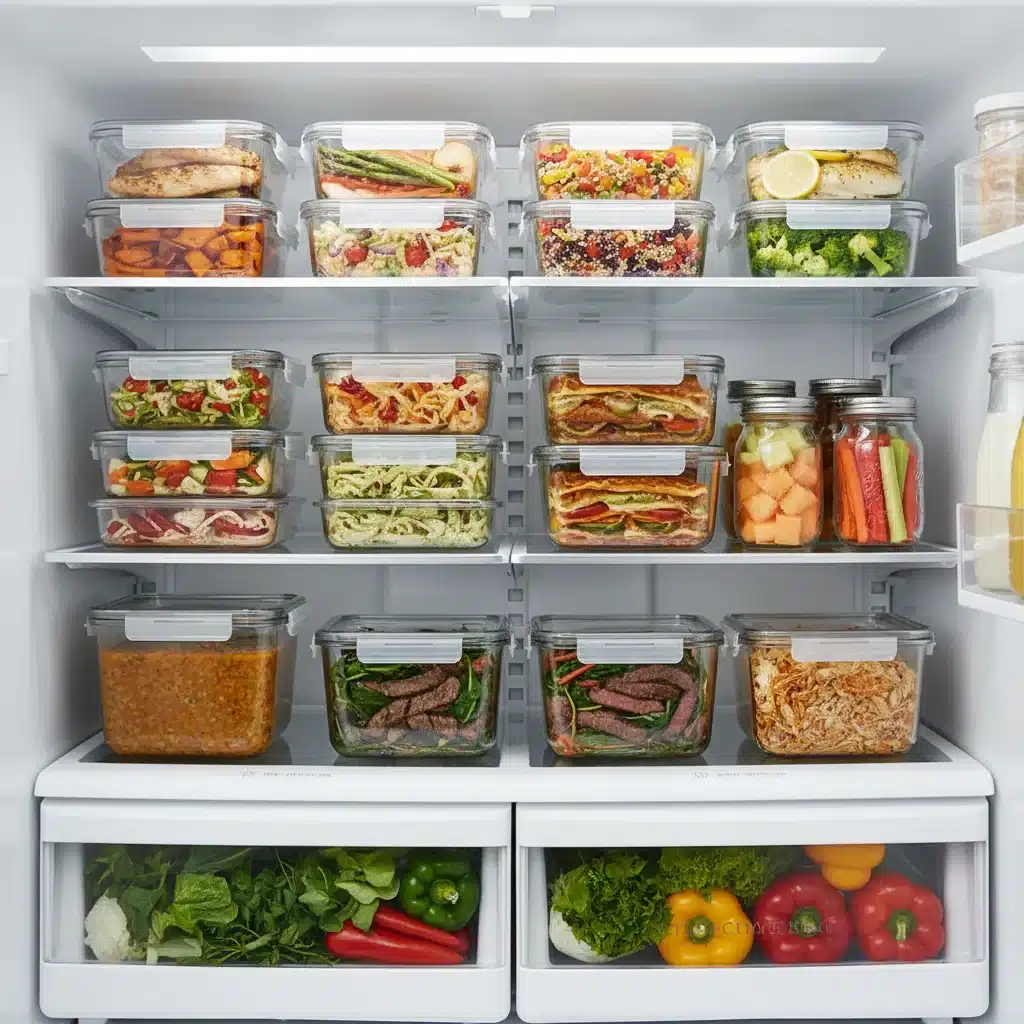
Batch cooking involves preparing large quantities of certain ingredients or entire meals in advance. For example, you can cook a big batch of rice, quinoa, or roasted vegetables at the beginning of the week. These can then be used in various meals throughout the week, saving time and reducing the temptation to order takeout. Cooked chicken or ground meat can also be prepped and portioned for quick additions to salads, sandwiches, or stir-fries. This foresight is a cornerstone of effective food budget savings.
2. Repurpose Leftovers Creatively
Leftovers are a goldmine for food budget savings. Instead of viewing them as just a repeat meal, think creatively. Leftover roasted chicken can become chicken salad, a quesadilla filling, or an addition to a soup. Extra pasta can be turned into a cold pasta salad. Even small amounts of leftover vegetables can be tossed into an omelet or a fried rice dish. The goal is to minimize waste and maximize every ingredient.
3. Learn Basic Cooking Skills and Recipes
You don’t need to be a gourmet chef to cook delicious and affordable meals. Mastering a few basic cooking techniques and having a repertoire of simple, versatile recipes can make a huge difference. Learn how to cook dried beans, make simple sauces from scratch, and prepare various grains. Websites and cookbooks abound with budget-friendly recipes that are both tasty and nutritious. The more comfortable you are in the kitchen, the less likely you’ll be to reach for expensive convenience foods.
4. Make Lunch at Home
Bringing your lunch to work or school is one of the quickest ways to see immediate food budget savings. A homemade sandwich, salad, or last night’s leftovers are almost always cheaper and often healthier than buying lunch out. Plan your lunches as part of your weekly meal prep to make this habit effortless.
5. Limit Dining Out and Takeout
While dining out can be a pleasant experience, it’s a significant drain on your food budget savings. Set a realistic limit for how often you’ll eat out each month, and stick to it. When you do dine out, look for early bird specials, happy hour menus, or share an entree. Consider making dining out a special treat rather than a regular occurrence. Even reducing takeout by just one meal a week can free up substantial funds.
Reducing Food Waste: A Key Pillar of Food Budget Savings
Food waste is not just an environmental issue; it’s a financial one. Estimates suggest that the average household wastes a significant portion of the food they buy, directly undermining any efforts at food budget savings. By minimizing what goes into the bin, you effectively stretch your grocery dollar further.
1. Proper Food Storage
Understanding how to store different foods correctly can drastically extend their shelf life. Learn which fruits and vegetables should be refrigerated and which should be kept at room temperature. Use airtight containers for leftovers, and understand the best practices for freezing various items. For example, leafy greens last longer when washed, dried, and stored with a paper towel in a sealed bag. Herbs can be kept fresh by treating them like flowers in a glass of water.
2. Understand ‘Best By’ vs. ‘Use By’ Dates
Many people throw away perfectly good food because they misunderstand date labels. ‘Best By’ or ‘Sell By’ dates are indicators of peak quality, not safety. Foods often remain safe to eat for some time after these dates, provided they have been stored correctly. ‘Use By’ dates are more critical for perishable items like meat and dairy, but even then, visual inspection and smell tests can often tell you if food is still good. Educating yourself on these distinctions can prevent unnecessary waste and boost your food budget savings.
3. Embrace ‘Ugly’ Produce
Many grocery stores and farmers’ markets now offer ‘ugly’ or imperfect produce at a discounted rate. These fruits and vegetables might not look picture-perfect, but they are just as nutritious and delicious. Buying them is a fantastic way to save money and reduce food waste on a larger scale, directly contributing to your food budget savings.
4. Freeze Smartly
Your freezer is a powerful tool for preventing food waste. Freeze excess produce, cooked meals, bread, and even dairy products before they spoil. Portion out meals before freezing for easy thawing and reheating. Learn how to properly blanch vegetables before freezing to maintain their quality. A well-stocked and organized freezer is a hallmark of a food-smart household aiming for serious food budget savings.
5. Utilize Food Scraps
Don’t throw away vegetable scraps like onion peels, carrot tops, and herb stems. Collect them in a bag in your freezer to make homemade vegetable broth. Chicken carcasses and beef bones can be used to make flavorful stocks. Even fruit peels can be used in infused water or composted. Every scrap saved is a penny earned for your food budget savings.
Innovative Approaches and Tech Tools for Maximizing Food Budget Savings
Beyond the traditional methods, several modern approaches and technological tools can significantly enhance your food budget savings efforts in 2026.
1. Leverage Budgeting and Meal Planning Apps
Dozens of apps are designed to help you track spending, plan meals, and create grocery lists. Apps like YNAB (You Need A Budget), Mint, or specific meal planning apps can automate much of the organizational work, providing insights into your spending habits and helping you stick to your food budget savings goals. Some even integrate with grocery store flyers to highlight sales.
2. Explore Discount Grocery Stores and Farmers’ Markets
Don’t limit yourself to one supermarket. Explore discount grocery chains (e.g., Aldi, Lidl) that often offer significantly lower prices on staples. Farmers’ markets, especially towards the end of the day, can also be a great source for fresh, local produce at reduced prices. Building relationships with local farmers might even lead to special deals or access to ‘seconds’ produce.
3. Consider Community Supported Agriculture (CSA)
A CSA membership involves buying a share of a local farm’s harvest. While the upfront cost might seem higher, CSAs often provide a diverse array of fresh, seasonal produce at a lower overall cost than buying individual items. It also encourages you to cook with whatever is in season, which is often more affordable. This can be an excellent long-term strategy for consistent food budget savings and healthier eating.
4. Grow Your Own Herbs and Vegetables
Even a small herb garden on a windowsill can lead to surprising food budget savings, as fresh herbs can be quite expensive. If you have outdoor space, consider growing some of your most frequently used vegetables. Tomatoes, lettuce, and zucchini are relatively easy to grow and can provide a fresh, organic supply right from your backyard, cutting down on grocery bills and enhancing your meals.
5. Utilize Food-Sharing Apps and Programs
In some areas, apps and community programs facilitate the sharing of excess food to reduce waste. This could involve getting food nearing its ‘best by’ date from local businesses or sharing with neighbors. While not universally available, exploring these options can be a unique way to supplement your groceries and contribute to food budget savings.
Psychological Aspects of Food Budget Savings: Mindset Shifts for Success
Achieving an 18% reduction in your food budget savings isn’t just about practical strategies; it also involves a shift in mindset. Our relationship with food is deeply ingrained, and changing habits requires conscious effort and a positive outlook.
1. Embrace Frugal Cooking as a Creative Challenge
Instead of viewing budget cooking as a limitation, see it as a creative challenge. How can you make a delicious meal with what you have on hand? How can you transform simple, inexpensive ingredients into something extraordinary? This mindset shift can make the process enjoyable and sustainable, rather than feeling like a chore. It fosters ingenuity and resourcefulness, which are invaluable for long-term food budget savings.
2. Practice Mindful Eating
Mindful eating involves paying attention to your food – its taste, texture, and how it makes you feel. When you eat mindfully, you’re more likely to appreciate your meals, feel satisfied with less, and avoid overeating or unnecessary snacking. This can indirectly lead to food budget savings by reducing cravings for expensive treats and minimizing waste from uneaten portions.
3. Set Realistic Expectations and Celebrate Small Wins
An 18% reduction is a significant goal. It’s okay if you don’t hit it every week or month. Set realistic expectations, and don’t get discouraged by setbacks. Celebrate small wins – a week where you didn’t eat out, a successful batch of meal prep, or a particularly ingenious leftover creation. Positive reinforcement helps maintain motivation and makes the journey towards your food budget savings target more enjoyable.
4. Educate Yourself on Nutrition
Understanding basic nutrition can help you make smarter food choices that are both healthy and budget-friendly. Foods like lentils, beans, eggs, and seasonal vegetables are incredibly nutritious and often very affordable. By focusing on nutrient-dense, inexpensive ingredients, you can ensure you’re getting all the necessary vitamins and minerals without breaking the bank, further solidifying your food budget savings.
5. Involve the Whole Family
If you live with others, involve them in the food budget savings journey. Discuss the goals, share meal planning responsibilities, and get everyone excited about contributing. Kids can help with grocery lists or simple meal prep. When everyone is on board, it’s easier to maintain consistent habits and achieve collective financial goals.
Putting It All Together: Your 18% Food Budget Savings Action Plan for 2026
Achieving an 18% reduction in your food budget savings requires a consistent application of these strategies. Here’s a summarized action plan to guide you:
- Audit Your Spending: Track every food expenditure for a month to establish a baseline.
- Set a Realistic Budget: Based on your audit, set a new, lower monthly food budget, aiming for that 18% reduction.
- Master Meal Planning: Plan all meals for the week, incorporating existing ingredients and sale items.
- Shop Smart: Create a detailed grocery list, stick to it, compare unit prices, and leverage sales and store brands.
- Cook at Home More: Prioritize home-cooked meals, embrace batch cooking, and creatively repurpose leftovers.
- Minimize Waste: Store food properly, understand date labels, and utilize scraps.
- Explore Alternatives: Look into discount stores, farmers’ markets, CSAs, and consider growing your own.
- Leverage Technology: Use budgeting and meal planning apps to stay organized and track progress.
- Cultivate a Frugal Mindset: View saving as a creative challenge and celebrate your progress.
Remember, consistency is key. It might take some time to fully integrate these habits into your routine, but the financial rewards and the satisfaction of taking control of your spending will be well worth the effort. By systematically applying these strategies, you are not just cutting costs; you are building a more sustainable, healthier, and financially robust lifestyle for 2026 and beyond. Your 18% food budget savings goal is within reach!
Conclusion: A Smarter, More Sustainable Approach to Your Food Budget Savings
The prospect of reducing your food budget savings by 18% in 2026 might initially seem daunting, but as this guide has demonstrated, it is an entirely achievable goal through a combination of diligent planning, smart shopping, efficient cooking, and a mindful approach to consumption. By understanding your spending habits, embracing the power of meal planning, becoming a savvy grocery shopper, and drastically cutting down on food waste, you can unlock significant financial freedom without sacrificing the joy of good food.
The strategies outlined here are interconnected and mutually reinforcing. A well-planned meal reduces impulse buys at the store. Proper food storage extends the life of your groceries, minimizing waste. Cooking at home from scratch is almost always more economical and healthier than dining out. Each small change contributes to the larger objective of substantial food budget savings.
Moreover, this journey isn’t just about saving money; it’s about fostering a more sustainable lifestyle. By reducing food waste, you’re contributing to environmental well-being. By cooking more at home, you’re likely eating healthier and gaining a deeper appreciation for the food you consume. The skills you develop – from budgeting and meal prep to resourceful cooking – are invaluable life skills that will serve you well for years to come.
As you embark on this mission for 2026, remember to be patient with yourself. Habits take time to form. Start with a few key strategies that feel most manageable, and gradually incorporate more as you gain confidence. Track your progress, celebrate your successes, and adjust your approach as needed. With commitment and the practical advice provided, achieving your 18% food budget savings goal is not just possible, but highly probable, paving the way for a more financially secure and food-conscious future.