Cut Utility Bills 2026: 6 Steps to Save $50 Monthly
Your 2026 Budget Blueprint: 6 Practical Steps to Reduce Monthly Utility Bills by $50
Are you tired of seeing your hard-earned money evaporate with each utility bill? In an era where living costs seem to perpetually climb, finding effective ways to reduce utility bills is more crucial than ever. Imagine having an extra $50 (or more!) in your pocket every month. What could you do with that extra cash? Perhaps invest, save for a vacation, or simply enjoy a little more financial breathing room. This isn’t a pipe dream; it’s an achievable goal, and we’re here to show you exactly how to get there. By implementing a few strategic changes, you can significantly impact your household budget by 2026.
Many homeowners and renters often feel powerless against rising energy, water, and gas costs. However, the truth is, you have more control than you think. Small, consistent efforts can lead to substantial savings over time. This comprehensive guide will walk you through six practical, actionable steps designed to help you reduce utility bills by at least $50 per month. From simple behavioral adjustments to smart home upgrades, we’ll cover a spectrum of strategies that are both effective and easy to integrate into your daily life. Let’s embark on this journey to a more financially efficient future.
Step 1: Conduct a Comprehensive Home Energy Audit
Before you can effectively reduce utility bills, you need to understand where your energy is actually going. A home energy audit is your first and most critical step. Think of it as a diagnostic check-up for your home’s energy consumption. This audit can reveal hidden inefficiencies, such as drafts, inadequate insulation, or outdated appliances that are silently draining your wallet.
DIY vs. Professional Energy Audit
You have two main options for conducting an energy audit:
- DIY Energy Audit: This is a great starting point for identifying obvious issues. You can do this by walking through your home with a critical eye. Look for drafts around windows and doors, check the insulation in your attic and walls, and inspect your appliances for signs of wear or inefficiency. Many utility companies offer free DIY audit kits or online resources to guide you. Simple tests, like holding a lit incense stick near windows and doors to detect air leaks, can be surprisingly effective.
- Professional Energy Audit: For a more in-depth analysis, consider hiring a certified energy auditor. These professionals use specialized equipment, such as thermal cameras and blower door tests, to pinpoint exact areas of heat loss or gain. They can provide a detailed report outlining specific recommendations for improvements, often with estimated cost savings. While there’s an upfront cost for a professional audit, the long-term savings can easily outweigh the initial investment. Many local utility providers offer rebates or incentives for professional energy audits, so it’s worth checking with them.
What to Look For During an Audit:
- Air Leaks: These are often the biggest culprits for energy waste. Check around windows, doors, electrical outlets, plumbing penetrations, and attic hatches.
- Insulation: Ensure your attic, walls, and floors have adequate insulation levels. Proper insulation acts as a barrier, keeping heat in during winter and out during summer.
- HVAC System: Inspect your heating, ventilation, and air conditioning system. Is it old? Has it been serviced recently? An inefficient HVAC system can be a major energy hog.
- Water Heater: Check its age and efficiency. Is it properly insulated?
- Appliances: Note the age and energy ratings of your major appliances (refrigerator, dishwasher, washing machine, dryer).
By understanding your home’s energy weaknesses, you can prioritize improvements that will yield the biggest impact on your efforts to reduce utility bills.
Step 2: Optimize Your Heating and Cooling Systems
Heating and cooling typically account for the largest portion of a household’s energy consumption. Therefore, optimizing these systems is paramount if you want to significantly reduce utility bills. Even small adjustments can lead to substantial savings over time.
Smart Thermostats: Your Best Friend for Savings
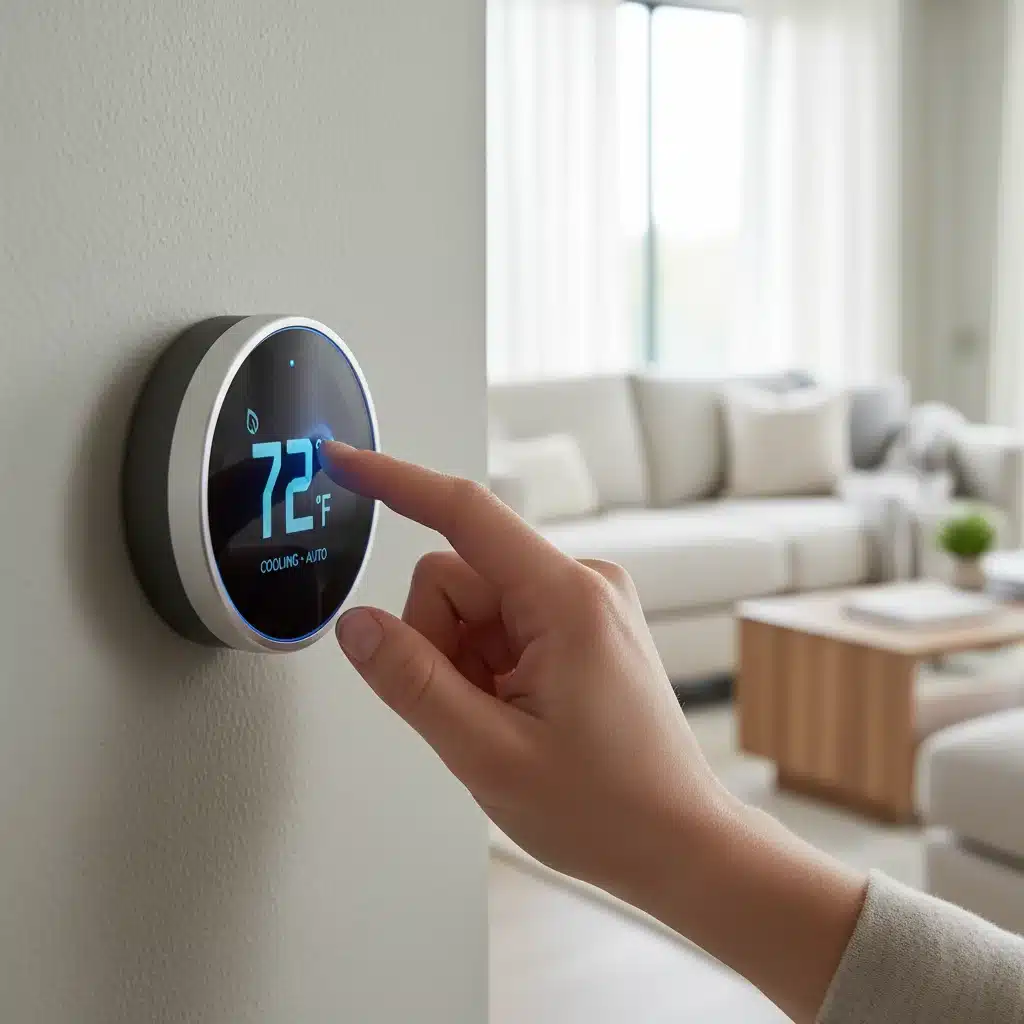
Investing in a smart thermostat is one of the most effective ways to manage your home’s climate control. Unlike traditional thermostats, smart thermostats learn your preferences, can be controlled remotely via your smartphone, and can even adjust temperatures based on whether you’re home or away. Many models offer features like:
- Scheduling: Set specific temperatures for different times of the day, ensuring you’re not heating or cooling an empty house.
- Geofencing: Uses your phone’s location to know when you’re leaving or returning, automatically adjusting the temperature.
- Energy Reports: Provides insights into your energy usage, helping you identify patterns and areas for further optimization.
The U.S. Department of Energy estimates that you can save about 10% a year on heating and cooling by simply turning your thermostat back 7-10 degrees Fahrenheit for 8 hours a day from its normal setting. A smart thermostat automates this effortlessly.
Regular Maintenance is Key
Don’t overlook the importance of routine maintenance for your HVAC system. A well-maintained system runs more efficiently, consumes less energy, and has a longer lifespan. Here’s what you should be doing:
- Change Air Filters: Replace or clean your HVAC filters every 1-3 months. Dirty filters restrict airflow, making your system work harder and consume more energy.
- Annual Professional Tune-ups: Schedule professional maintenance for your furnace and air conditioner once a year. A technician can clean coils, check refrigerant levels, inspect electrical components, and ensure everything is running optimally.
- Clear Vents and Registers: Ensure no furniture or drapes are blocking your air vents and registers. Unobstructed airflow is crucial for efficient heating and cooling.
Seal and Insulate
Remember that energy audit? Now it’s time to act on its findings. Sealing air leaks and improving insulation are fundamental to optimizing your heating and cooling. Drafts around windows and doors, gaps in attics, and poorly insulated walls allow conditioned air to escape, forcing your HVAC system to work overtime. Use caulk and weatherstripping to seal leaks, and consider adding insulation to your attic and walls if recommended by your audit. These improvements create a more airtight home, significantly reducing the energy needed to maintain a comfortable indoor temperature and helping you to consistently reduce utility bills.
Step 3: Embrace Energy-Efficient Lighting and Appliances
The cumulative effect of your home’s lighting and appliances on your utility bills can be substantial. Making conscious choices to upgrade to more energy-efficient options and adopting smarter usage habits can lead to significant savings, helping you to reduce utility bills effectively.
Switch to LED Lighting
If you’re still using incandescent or even CFL bulbs, now is the time to switch to LEDs (Light Emitting Diodes). LEDs are a game-changer in energy efficiency:
- Lower Energy Consumption: LEDs use up to 90% less energy than traditional incandescent bulbs and last 15 to 25 times longer.
- Longer Lifespan: While the upfront cost might be slightly higher, their extended lifespan means you won’t need to replace them as often, saving you money and hassle in the long run.
- Variety: LEDs come in various shapes, sizes, and color temperatures, suitable for every room and fixture in your home.
Make it a gradual transition; replace bulbs as they burn out, or focus on the most frequently used lights first. This simple swap will immediately begin to reduce utility bills related to lighting.
Upgrade to ENERGY STAR® Certified Appliances
When it’s time to replace an old appliance, always opt for models with the ENERGY STAR® label. This certification indicates that the product meets strict energy efficiency guidelines set by the U.S. Environmental Protection Agency and Department of Energy.
- Refrigerators: Newer models are significantly more efficient than those from even 10 years ago.
- Dishwashers: Look for features like soil sensors and energy-saving wash cycles.
- Washing Machines: High-efficiency (HE) washers use less water and energy, especially front-loaders.
- Dryers: Consider heat pump dryers, which are much more efficient than conventional electric dryers.
While the initial cost of an ENERGY STAR® appliance might be higher, the energy savings over its lifespan will more than compensate for it. Many utility companies also offer rebates for purchasing energy-efficient appliances, so be sure to check for local programs.
Smart Appliance Usage Habits
Even with efficient appliances, how you use them matters:
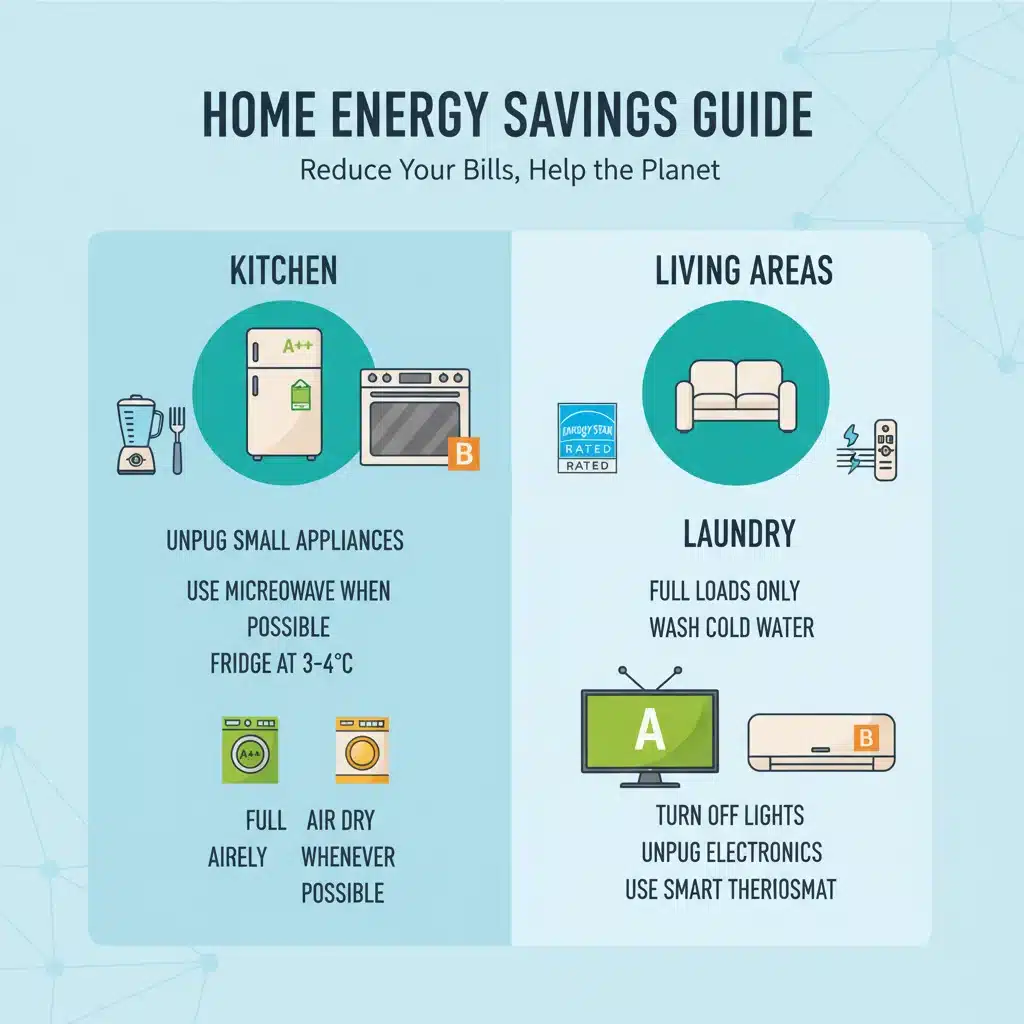
- Laundry: Wash clothes in cold water whenever possible (heating water uses a lot of energy). Always run full loads. Clean the lint filter in your dryer before every load to improve efficiency.
- Dishwasher: Only run it when it’s full. Use the air-dry setting instead of heated dry.
- Refrigerator: Keep your fridge and freezer full (but not overflowing) to help them run more efficiently. Don’t leave the door open longer than necessary.
- Cooking: Use smaller appliances like microwaves, toaster ovens, or slow cookers for smaller meals, as they consume less energy than a full-sized oven. Use lids on pots to retain heat and cook food faster.
These conscious habits, combined with efficient lighting and appliances, will play a significant role in your quest to reduce utility bills.
Step 4: Master Water Conservation Techniques
Water bills, along with the energy used to heat that water, can be a surprisingly large component of your monthly expenses. Implementing water conservation techniques is a dual-purpose strategy: it lowers your water bill and reduces the energy required for water heating, helping you significantly reduce utility bills overall.
Install Low-Flow Fixtures
This is one of the quickest and most effective ways to cut down on water usage without sacrificing performance:
- Low-Flow Showerheads: Modern low-flow showerheads can reduce water consumption by 25-60% while still providing a satisfying shower experience. Look for models with a flow rate of 2.0 gallons per minute (gpm) or less.
- Aerators for Faucets: These small devices screw onto the end of your faucets, mixing air into the water stream to reduce flow while maintaining pressure. They are inexpensive and easy to install.
- High-Efficiency Toilets: Older toilets can use up to 5-7 gallons per flush. Modern high-efficiency toilets (HETs) use 1.28 gallons per flush or less, saving thousands of gallons of water annually.
The upfront cost of these fixtures is minimal compared to the long-term savings on both your water and energy bills.
Fix Leaks Promptly
A dripping faucet or a running toilet might seem minor, but these leaks can waste thousands of gallons of water per year. A single leaky faucet dripping one drip per second can waste over 3,000 gallons per year. That’s enough to take more than 180 showers!
- Check for Leaks: Regularly inspect faucets, showerheads, and toilets for leaks. For toilets, add a few drops of food coloring to the tank; if color appears in the bowl within 10-15 minutes without flushing, you have a leak.
- Repair or Replace: Most minor leaks can be fixed with simple DIY repairs, like replacing a worn-out washer in a faucet. For more complex issues, consider calling a plumber.
Adopt Water-Saving Habits
Behavioral changes are free and can have a massive impact:
- Shorter Showers: Aim to reduce your shower time by a few minutes. Every minute counts.
- Turn Off the Tap: Don’t let water run while brushing your teeth, shaving, or washing dishes by hand.
- Full Loads Only: As mentioned in Step 3, run your dishwasher and washing machine only when they are full.
- Outdoor Water Use: If you have a garden, water early in the morning or late in the evening to minimize evaporation. Consider drought-resistant landscaping (xeriscaping) to drastically reduce your outdoor water needs. Use rain barrels to collect rainwater for irrigation.
By consciously managing your water consumption, you’ll see a noticeable drop in both your water and energy bills, helping you to reduce utility bills more effectively.
Step 5: Unplug & Manage Phantom Loads
This step often surprises people with its impact. “Phantom loads” or “vampire power” refers to the electricity consumed by electronics and appliances when they are turned off but still plugged in. Think of your TV, computer, phone chargers, coffee maker, and even some smart devices. They’re constantly drawing a small amount of power, even when not in active use. Individually, these draws are tiny, but collectively, they can add up to a significant portion of your electricity bill. Addressing phantom loads is a simple yet effective way to reduce utility bills.
Identify Your Phantom Load Culprits
Almost any electronic device with a clock, a remote control sensor, an external power supply (the bulky adapter on the cord), or a standby mode is a phantom load culprit. Common offenders include:
- Televisions and cable boxes
- Computers and monitors
- Gaming consoles
- Phone and laptop chargers (even when nothing is charging)
- Printers and scanners
- Coffee makers with digital clocks
- Microwaves (for their clock display)
- Smart speakers and other always-on smart home devices
To get a better idea of what’s drawing power, you can use a kill-a-watt meter (available at hardware stores or online) to measure the standby power consumption of various devices.
Strategies to Combat Phantom Loads:
- Unplug Devices: The most straightforward solution is to simply unplug devices when they are not in use. This is especially easy for chargers, toasters, and other occasional-use appliances.
- Use Power Strips with On/Off Switches: Plug multiple devices (like your entertainment center components or computer setup) into a single power strip. When you’re done using them, simply flip the switch on the power strip to cut power to all connected devices simultaneously. This acts as a convenient master switch.
- Smart Power Strips: These go a step further. Some smart power strips can detect when a primary device (like your TV) is turned off and automatically cut power to associated peripherals (like a DVD player or soundbar). Others can be controlled via an app or integrate with smart home systems.
- Smart Plugs: Similar to smart power strips, individual smart plugs allow you to remotely turn off power to specific devices using your smartphone or voice commands. This is ideal for devices that are difficult to reach or that you want to control individually.
While the savings from unplugging a single phone charger might seem negligible, the cumulative effect of eliminating phantom loads throughout your home can easily add up to a noticeable reduction in your electricity bill each month, helping you to reduce utility bills over time.
Step 6: Explore Renewable Energy and Utility Programs
While the previous steps focused on reducing consumption, this final step looks at changing how your home is powered and leveraging external resources. Exploring renewable energy options and participating in utility programs can provide significant long-term savings and further help you to reduce utility bills.
Consider Solar Panels
Solar energy has become increasingly accessible and affordable. Installing solar panels can drastically reduce or even eliminate your electricity bill, depending on the size of your system and your energy consumption. While the upfront cost can be substantial, various incentives can make it more feasible:
- Federal Tax Credits: The Investment Tax Credit (ITC) offers a significant percentage of the cost of a solar system as a tax credit.
- State and Local Incentives: Many states and municipalities offer their own rebates, grants, or property tax exemptions for solar installations.
- Net Metering: This allows you to sell any excess electricity your panels generate back to the grid, often earning you credits on your utility bill.
- Leasing Options: If the upfront cost is prohibitive, solar leasing or Power Purchase Agreements (PPAs) allow you to install solar panels with little to no upfront cost, paying a fixed monthly rate for the electricity generated.
A solar consultation can help you determine the feasibility and potential savings for your specific home.
Enroll in Demand Response Programs
Many utility companies offer demand response programs, especially during peak energy usage times (e.g., hot summer afternoons). By enrolling, you allow the utility company to make minor, temporary adjustments to your thermostat settings or temporarily cycle off certain appliances during these peak periods. In exchange, you receive bill credits or other incentives. These adjustments are usually minimal and designed to have little impact on your comfort, but they help the grid manage demand, and they help you to reduce utility bills.
Investigate Time-of-Use (TOU) Rates
Some utility providers offer Time-of-Use (TOU) billing, where electricity prices vary based on the time of day. Energy is more expensive during peak hours (when demand is highest) and cheaper during off-peak hours (nights and weekends). If your utility offers TOU rates, adjusting your energy consumption habits can lead to significant savings:
- Run dishwashers and washing machines during off-peak hours.
- Charge electric vehicles or larger electronics during off-peak times.
- Pre-cool or pre-heat your home during off-peak hours and then let your smart thermostat manage it during peak times.
Explore Energy Assistance Programs
If you’re struggling to pay your utility bills, don’t hesitate to look into energy assistance programs. Government programs like the Low Income Home Energy Assistance Program (LIHEAP) and various state-specific initiatives can provide financial aid. Many utility companies also have their own assistance programs, payment plans, or energy efficiency upgrade programs for qualifying customers.
By proactively engaging with renewable energy options and leveraging available utility programs, you can take control of your energy future and achieve substantial, sustainable reductions in your monthly expenses, making it easier to reduce utility bills significantly.
The Road to $50+ in Monthly Savings by 2026
Achieving a monthly saving of $50 or more on your utility bills by 2026 is not just a fantasy; it’s a very attainable goal when approached with a systematic plan. Each of the six steps outlined above contributes to this overarching objective. Let’s recap how these strategies work in synergy to help you reduce utility bills:
- Comprehensive Home Energy Audit: This foundational step empowers you with knowledge, identifying precisely where your home is losing energy and costing you money. Without this understanding, your efforts might be misdirected.
- Optimize Your Heating and Cooling Systems: Since HVAC is typically the largest energy consumer, smart thermostats, regular maintenance, and proper sealing and insulation directly tackle the biggest chunk of your energy expenses.
- Embrace Energy-Efficient Lighting and Appliances: Upgrading to LEDs and ENERGY STAR® appliances, coupled with smart usage habits, provides immediate and ongoing savings across multiple household functions.
- Master Water Conservation Techniques: Addressing water usage not only lowers your water bill but also reduces the energy demand for heating water, a double win for your wallet.
- Unplug & Manage Phantom Loads: This often-overlooked area can silently drain your budget. Eliminating vampire power through simple habits and smart devices adds up to surprising savings over a year.
- Explore Renewable Energy and Utility Programs: Looking at the bigger picture, from solar power to demand response programs, offers avenues for significant long-term savings and can even transform how you pay for energy.
Putting It All Together: A Phased Approach
You don’t have to implement all these changes overnight. A phased approach often works best:
- Immediate Actions (Weeks 1-4): Start with the easiest and cheapest changes: conduct a DIY energy audit, swap out frequently used incandescent bulbs for LEDs, unplug phantom loads, take shorter showers, and fix minor leaks.
- Mid-Term Investments (Months 2-6): Install low-flow showerheads and faucet aerators. Consider a smart thermostat. Schedule professional HVAC maintenance.
- Long-Term Strategies (Months 7-24): If budget allows, upgrade to ENERGY STAR® appliances as old ones wear out. Consider a professional energy audit and act on its recommendations (e.g., adding insulation, sealing major air leaks). Explore solar panel options and utility programs.
By consistently applying these strategies, you’ll not only see your monthly utility bills shrink but also contribute to a more sustainable lifestyle. The journey to reduce utility bills by $50 or more by 2026 is a marathon, not a sprint, but the financial rewards and peace of mind are well worth the effort. Start today, and watch your savings grow!