The Real Cost of Subscriptions: A 2026 Analysis and How to Save 10% Annually

In an increasingly digital world, subscriptions have become an ubiquitous part of our daily lives. From streaming services and software licenses to fitness apps and meal kits, we’re constantly signing up for recurring payments that promise convenience, entertainment, or productivity. While each individual subscription might seem negligible on its own, their cumulative effect can be staggering. Welcome to 2026, where the subscription economy has matured, and it’s more crucial than ever to understand the real cost of these commitments. This comprehensive guide will delve into a detailed subscription cost analysis, offering insights into current trends and, most importantly, providing actionable strategies to help you save at least 10% on your annual subscription spending.
The Escalating Landscape of Subscriptions in 2026
The year 2026 marks a significant point in the evolution of the subscription model. What began as a niche offering for specific services has exploded into nearly every sector. Consider the average household: it’s not uncommon to find subscriptions for multiple video streaming platforms (Netflix, Disney+, Max, Hulu, Apple TV+), music streaming (Spotify, Apple Music), cloud storage (iCloud, Google Drive, Dropbox), productivity software (Microsoft 365, Adobe Creative Cloud), news and journalism, gaming, cybersecurity, and even physical goods delivered monthly. This proliferation means that managing and tracking these expenses has become a substantial challenge for many.
The ‘Subscription Creep’ Phenomenon
One of the primary drivers behind the escalating subscription cost analysis is ‘subscription creep.’ This term refers to the gradual accumulation of subscriptions over time, often without conscious thought or regular review. You might sign up for a free trial, forget to cancel, and suddenly you’re paying for a service you barely use. Or, a new service emerges that seems indispensable, and you add it to your growing list without evaluating its necessity against existing options. This insidious creep can quietly inflate your monthly outgoings, making a significant dent in your overall budget.
Industry Trends Shaping 2026 Subscription Costs
- Bundling and Unbundling: While some services are offering attractive bundles to retain customers, others are unbundling content or features, forcing consumers to pay for multiple tiers or separate services to get what they once had. This dynamic significantly impacts your overall subscription cost analysis.
- AI-Powered Personalization: Many subscriptions now leverage AI to offer hyper-personalized experiences. While beneficial, this often comes with a premium, as the underlying technology is costly to develop and maintain.
- Inflationary Pressures: Like all goods and services, subscriptions are not immune to inflation. Price increases, though often small individually, contribute to the rising total cost.
- Ad-Tiered Subscriptions: The rise of cheaper, ad-supported tiers for traditionally ad-free services indicates a market attempt to appeal to budget-conscious consumers, but it also signifies the premium placed on an ad-free experience.
Conducting Your Personal 2026 Subscription Cost Analysis
The first step to saving money is understanding exactly where it’s going. A thorough subscription cost analysis involves more than just glancing at your bank statement. It requires a systematic approach to identify, categorize, and evaluate every recurring payment. Here’s how to do it effectively in 2026:
Step 1: Identify All Your Subscriptions
This might sound simple, but it’s often the most challenging part. Subscriptions hide in plain sight. Go through your bank statements, credit card statements, and PayPal transactions for the last 12-18 months. Look for any recurring charges. Don’t forget:
- Streaming services (video, music, podcasts)
- Software licenses (Microsoft 365, Adobe, antivirus)
- Cloud storage (Google Drive, Dropbox, iCloud)
- Fitness apps, meditation apps, educational platforms
- News and magazine digital subscriptions
- Gaming subscriptions (Xbox Game Pass, PlayStation Plus, Nintendo Switch Online)
- Membership fees (Amazon Prime, Costco, gym memberships)
- App subscriptions (premium features, ad-free versions)
- Meal kit deliveries, coffee subscriptions, beauty boxes
- VPN services, website hosting, domain names
- Insurance premiums (though often essential, they are recurring payments)
Create a spreadsheet or use a dedicated app to list every single one. Include the service name, monthly/annual cost, renewal date, and how often you use it.
Step 2: Categorize and Evaluate Usage
Once you have your comprehensive list, categorize each subscription. Common categories include entertainment, productivity, health & wellness, news, and utilities. For each subscription, ask yourself:
- How often do I use this service? (Daily, weekly, monthly, rarely, never)
- Do I get significant value from it? (Is it essential, highly enjoyable, or just ‘nice to have’?)
- Are there cheaper alternatives or free versions that meet my needs?
- Am I duplicating services? (e.g., two cloud storage solutions, multiple news subscriptions)
- Could I share this with family/friends legally? (e.g., family plans for streaming)
Be brutally honest with yourself during this evaluation. This critical step in your subscription cost analysis will reveal where your money is truly going and where you might be overspending.
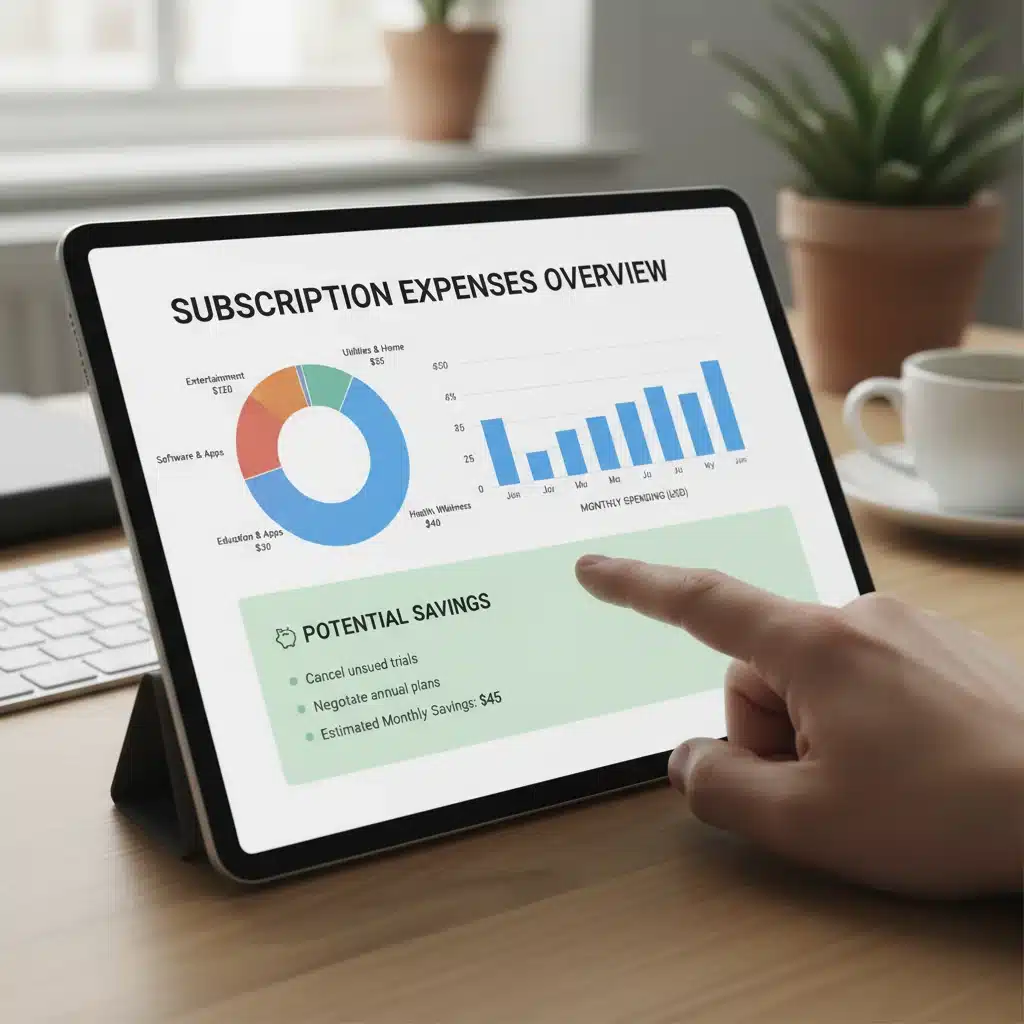
Step 3: Calculate Your Total Annual Subscription Cost
Add up all your monthly subscriptions and multiply by 12. Then add any annual subscriptions. This final number is your total annual subscription cost analysis. Many people are shocked by this figure, as individual small payments quickly accumulate into a substantial sum. Knowing this exact figure is empowering, as it provides a clear target for your saving efforts.
Strategies to Save 10% (or More!) on Your Annual Subscriptions
Now that you have a clear picture of your subscription cost analysis, it’s time to implement strategies to reduce that burden. Our goal is to help you save at least 10% annually, but with diligent effort, you might achieve even greater savings.
Strategy 1: The Ruthless Purge – Cancel Unused or Underused Services
This is the most direct and often most impactful strategy. Based on your usage evaluation, identify services you rarely or never use. Cancel them immediately. Don’t fall for the sunk cost fallacy (‘I’ve already paid for so long, I might as well keep it’). Every dollar saved from an unused service is a dollar back in your pocket.
- The ‘One-Month Rule’: If you haven’t used a service in the last month (or three months for less frequent services), seriously consider canceling it.
- Free Trial Vigilance: Be extremely careful with free trials. Set calendar reminders to cancel before the trial period ends if you don’t intend to continue.
- The ‘Pause’ Option: Some services allow you to pause your subscription instead of canceling entirely. This is great for seasonal services (e.g., a fitness app you only use in summer).
Strategy 2: Optimize Existing Subscriptions
Even for services you use frequently, there might be opportunities to reduce costs.
- Downgrade Tiers: Do you really need the premium 4K streaming plan if your TV isn’t 4K, or if you primarily watch on a phone? Can you live with a few ads for a significantly lower price? Review your needs against the features offered by different tiers.
- Annual vs. Monthly Payments: Many services offer a discount for paying annually upfront. If you’re committed to a service, this can often save you 10-20% compared to monthly payments. Factor this into your subscription cost analysis.
- Student/Military/Senior Discounts: Always check if you qualify for special discounts. Many software and news services offer these.
- Family Plans/Sharing: If permitted by the service’s terms, consolidate subscriptions with family or friends. This is especially common for music and video streaming.
- Utilize Ad-Supported Tiers: While not for everyone, if saving money is paramount, consider switching to ad-supported versions of streaming services. The savings can be substantial.
Strategy 3: Negotiate and Leverage Competition
Don’t be afraid to ask for better deals. Customer retention departments often have more flexibility than you think.
- Call and Threaten to Cancel: If you’re a long-time customer, call the service provider and state you’re considering canceling due to cost. Often, they will offer a promotional rate or a discount to keep your business.
- Mention Competitors: If a competitor offers a similar service at a lower price, use that as leverage.
- Look for Promotional Offers: Keep an eye out for introductory offers for new customers. While you might not qualify, sometimes existing customers can negotiate for similar rates.
Strategy 4: Rotate and Cycle Subscriptions
Do you really need access to all your streaming services all the time? Consider a ‘subscription rotation’ strategy.
- Seasonal Usage: Subscribe to one or two streaming services for a few months, binge the content you want, then cancel and switch to another. You can always resubscribe later. This is particularly effective for services with distinct content libraries.
- Project-Based Software: For software, subscribe only when you have a specific project that requires it. This avoids paying for a full year of a tool you only use for a month or two.
Strategy 5: Consolidate and Bundle Wisely
While unbundling is a trend, some smart bundling can still save you money.
- Carrier Bundles: Your mobile phone or internet provider might offer bundles with streaming services or other digital products at a reduced rate.
- Credit Card Perks: Some credit cards offer statement credits or discounts for specific subscription services. Check your card benefits.
- Smart Home Ecosystems: If you’re deeply invested in an ecosystem (e.g., Apple, Google, Amazon), their bundled subscription offerings (e.g., Apple One) might provide better value than subscribing to each service individually. This requires careful subscription cost analysis to ensure it truly saves you money.

Maintaining Your Savings: Ongoing Subscription Management
Achieving a 10% saving is a great start, but subscription management isn’t a one-time task. It requires ongoing vigilance to prevent ‘subscription creep’ from reoccurring. Regular subscription cost analysis is key.
Automate Your Tracking
Consider using financial apps specifically designed to track subscriptions. Many budgeting apps now have features that automatically identify recurring payments, send renewal reminders, and even help you cancel services. This automation can be invaluable in keeping your spending in check.
Schedule Regular Reviews
Make it a habit to review your subscriptions at least once a quarter, or ideally, every month. Set a recurring reminder in your calendar. During this review, repeat the process of identifying, categorizing, and evaluating each service. This proactive approach ensures you’re always aware of your current subscription cost analysis.
Be Mindful of New Sign-Ups
Before signing up for any new subscription, pause and ask yourself: Do I truly need this? Can I get similar value from an existing service or a free alternative? What is the long-term cost? This conscious decision-making process is crucial to preventing future subscription bloat.
Leverage Accountability
If you share finances with a partner or family, make subscription management a joint effort. Discuss new subscriptions before signing up and hold each other accountable for reviewing existing ones. A collaborative subscription cost analysis can lead to more effective savings.
The Psychological Impact of Subscriptions
Beyond the financial aspect, it’s important to acknowledge the psychological impact of subscriptions. The ‘fear of missing out’ (FOMO) often drives us to subscribe to more services than we need. We fear being left out of conversations about the latest show, or not having access to the ‘best’ tools. Overcoming this requires a shift in mindset, prioritizing financial well-being and mindful consumption over constant access to everything.
The Value Perception Trap
Many subscriptions are priced to feel like a small, insignificant expense. $9.99 here, $14.99 there. Individually, they seem like good value. However, the cumulative effect turns these small amounts into a significant drain. This ‘value perception trap’ is a key element that makes a thorough subscription cost analysis so revealing.
Subscription Fatigue
As the number of subscriptions grows, so does ‘subscription fatigue.’ This is the feeling of being overwhelmed by too many choices, too many login details, and too many recurring payments. This fatigue can lead to apathy, where consumers simply stop tracking or caring about their subscriptions, further exacerbating the problem. By actively managing your subscriptions, you can combat this fatigue and regain control.
Conclusion: Take Control of Your 2026 Subscription Spending
The subscription economy is here to stay, and it will continue to evolve. In 2026, understanding and managing your recurring expenses is not just a smart financial move; it’s a necessity. By undertaking a meticulous subscription cost analysis, identifying all your services, evaluating their true value, and implementing the strategies outlined above, you can confidently save at least 10% on your annual subscription spending. This isn’t about deprivation; it’s about optimization – ensuring every dollar you spend on subscriptions brings you genuine value. Take control, review regularly, and enjoy the financial freedom that comes with a well-managed subscription portfolio.
Start your subscription cost analysis today and unlock significant annual savings!