Unlock 15% More Savings: Optimize Your Monthly Spending in 2026

In an ever-evolving economic landscape, the ability to effectively optimize monthly spending is more crucial than ever. As we look ahead to 2026, financial resilience and strategic saving will be key pillars of personal and household prosperity. Many people feel trapped in a cycle of spending, believing that significant savings are out of reach. However, with the right approach and a commitment to disciplined financial habits, it’s entirely possible to unlock at least 15% more savings from your current monthly budget. This comprehensive guide will walk you through a step-by-step process, providing actionable insights and practical strategies to help you achieve this goal and secure a more stable financial future.
The journey to optimize monthly spending isn’t about deprivation; it’s about making conscious choices that align with your financial goals. It’s about understanding where your money goes, identifying areas of inefficiency, and reallocating resources to better serve your long-term aspirations. Whether you’re aiming to build an emergency fund, save for a down payment, pay off debt, or invest for retirement, freeing up an additional 15% of your income can accelerate your progress significantly. Let’s delve into the strategies that will empower you to take control of your finances in 2026.
Understanding Your Current Financial Landscape: The First Step to Optimize Monthly Spending
Before you can effectively optimize monthly spending, you need a clear picture of your current financial situation. This involves a thorough assessment of your income and expenditures. Many individuals operate with a vague idea of their finances, which can lead to overspending and missed savings opportunities. The goal here is to gain absolute clarity.
Track Every Penny: The Foundation of Financial Awareness
The first and most critical step is to track all your income and expenses for at least one month, ideally two or three. This isn’t about judging your spending; it’s about gathering data. Use a budgeting app, a spreadsheet, or even a simple notebook to record every transaction. Categorize your spending into broad areas like housing, transportation, food, entertainment, utilities, and debt payments. This exercise often reveals surprising insights into where your money is truly going. You might discover that seemingly small, frequent purchases add up to a significant amount over time.
Analyze Your Spending Habits: Identifying Patterns and Leakage
Once you have a month or two of data, it’s time to analyze it. Look for patterns. Are there certain days of the week when you tend to spend more? Are there specific categories where your spending consistently exceeds your expectations? This analysis is crucial for identifying ‘financial leakage’ – those small, often unnoticed expenses that drain your budget without providing much value. For instance, multiple subscription services you rarely use, daily coffee shop visits, or impulse online purchases can collectively prevent you from being able to optimize monthly spending effectively.
Distinguish Between Needs and Wants: Prioritizing Your Expenses
A fundamental principle of budgeting is understanding the difference between needs and wants. Needs are essential for survival and well-being (e.g., housing, basic food, utilities, transportation to work). Wants are discretionary expenses that improve your quality of life but are not strictly necessary (e.g., dining out, entertainment, designer clothes, premium streaming services). While it’s important to enjoy life, a clear distinction helps you prioritize where to cut back when aiming to optimize monthly spending and increase savings. Be honest with yourself about what truly falls into each category.
Creating a Realistic Budget: Your Roadmap to Financial Freedom
With a clear understanding of your income and spending, the next step is to create a budget. A budget isn’t a restrictive cage; it’s a financial plan that gives you permission to spend within your means while actively working towards your savings goals. To truly optimize monthly spending, your budget must be realistic and adaptable.
Choose a Budgeting Method That Works for You
There are several popular budgeting methods, and the best one is the one you’ll stick to:
- The 50/30/20 Rule: Allocate 50% of your income to needs, 30% to wants, and 20% to savings and debt repayment. This is a great starting point for many as it provides a balanced framework to optimize monthly spending.
- Zero-Based Budgeting: Every dollar of your income is assigned a job (spending, saving, or debt repayment). This method ensures that no money is unaccounted for, giving you maximum control.
- Envelope System: For cash spenders, this involves allocating physical cash into envelopes for different spending categories. Once an envelope is empty, you stop spending in that category for the month.
- App-Based Budgeting: Many apps (e.g., Mint, YNAB, Personal Capital) automate tracking and categorization, making it easier to monitor your progress and optimize monthly spending digitally.
Experiment with different methods to find what resonates with your lifestyle and financial personality. The key is consistency.
Set Clear and Achievable Savings Goals
Your budget should be directly linked to your savings goals. If your aim is to unlock 15% more savings, then 15% of your net income should be allocated to a dedicated savings account each month. Break down larger goals into smaller, manageable milestones. For example, if you want to save $5,000 in a year, that’s roughly $417 per month. Seeing tangible progress is a powerful motivator to continue to optimize monthly spending.
Be Realistic and Flexible
A budget that’s too restrictive is destined to fail. Allow for some discretionary spending and occasional splurges. Life happens, and your budget should be able to accommodate unexpected expenses or changes in circumstances. Review your budget regularly (monthly or quarterly) and adjust it as needed. This flexibility ensures that your budget remains a helpful tool rather than a source of stress, helping you consistently optimize monthly spending over time.
Strategic Expense Reduction: Practical Ways to Optimize Monthly Spending
Once your budget is in place, the real work of reducing expenses begins. This section focuses on actionable strategies across various spending categories to help you shave off that crucial 15% and beyond.
Housing and Utilities: Significant Savings Opportunities
- Review Subscriptions and Services: Audit all your streaming services, gym memberships, software subscriptions, and other recurring monthly charges. Cancel anything you don’t actively use or need. Consider sharing accounts with family or friends where permissible to cut costs.
- Negotiate Bills: Don’t be afraid to call your internet provider, cable company, or even your insurance providers. Often, they have loyalty programs or can offer better rates if you ask. Mentioning competitor offers can also be effective.
- Reduce Energy Consumption: Small changes like unplugging electronics, using energy-efficient light bulbs, adjusting your thermostat by a few degrees, and sealing drafts can lead to noticeable savings on your utility bills.
- Consider Refinancing or Downsizing: For homeowners, refinancing your mortgage to a lower interest rate can significantly reduce monthly payments. For renters, evaluating if a smaller or more affordable living situation is viable could lead to substantial savings, helping you to optimize monthly spending in a big way.
Food Expenses: A Major Area for Reduction
Food is often one of the largest variable expenses for most households, making it a prime target to optimize monthly spending.
- Meal Planning and Grocery Lists: Plan your meals for the week and create a detailed grocery list. Stick to your list at the store to avoid impulse purchases.
- Cook at Home More Often: Eating out, ordering takeout, and delivery services are expensive. Committing to cooking more meals at home is one of the most effective ways to reduce food costs.
- Buy in Bulk (Wisely): Purchase non-perishable items and staples in bulk when they are on sale, but only if you will genuinely use them before they expire.
- Utilize Coupons and Sales: Take advantage of loyalty programs, digital coupons, and weekly sales flyers.
- Reduce Food Waste: Plan meals around ingredients you already have, store food properly, and repurpose leftovers to minimize waste.
Transportation Costs: Smart Choices for Commuting
- Public Transportation/Carpooling: If available, using public transport or carpooling can significantly reduce fuel, parking, and maintenance costs.
- Bike or Walk: For shorter distances, consider biking or walking. It’s not only cost-effective but also great for your health.
- Maintain Your Vehicle: Regular maintenance can prevent costly repairs down the line and improve fuel efficiency.
- Shop for Cheaper Insurance: Compare car insurance quotes annually. Rates can vary significantly between providers for the same coverage.
Debt Management: Freeing Up Cash Flow
High-interest debt, such as credit card debt, can severely hinder your ability to optimize monthly spending and save. Prioritizing debt repayment can free up substantial cash flow in the long run.
- Debt Snowball or Avalanche Method:
- Snowball: Pay off your smallest debt first to gain momentum, then roll that payment into the next smallest debt.
- Avalanche: Pay off the debt with the highest interest rate first, saving you more money over time.
- Consolidate Debts: Consider a personal loan or balance transfer credit card with a lower interest rate to consolidate high-interest debts. Be cautious and ensure you understand the terms.
- Avoid New Debt: During your savings journey, make a conscious effort to avoid taking on new debt, especially for wants.
Entertainment and Lifestyle: Mindful Spending
While cutting out all fun is unsustainable, there are many ways to optimize monthly spending in this category without sacrificing your social life.
- Seek Free or Low-Cost Activities: Explore free local events, parks, libraries, or organize potlucks with friends instead of expensive outings.
- Limit Dining Out: Challenge yourself to dine out less frequently or choose more affordable options. Look for happy hour deals, use coupons, or share appetizers/entrees.
- DIY Instead of Buying: Can you make your own coffee, pack your lunch, or do your own manicures/pedicures instead of paying for them?
- Impulse Buy Control: Implement a ’24-hour rule’ for non-essential purchases. If you still want the item after 24 hours, then consider buying it. This often prevents unnecessary spending.
Leveraging Technology and Automation to Optimize Monthly Spending
In 2026, technology is your ally in the quest to optimize monthly spending. Utilizing various tools can automate your savings, track your progress, and provide valuable insights into your financial habits.
Automate Your Savings: Pay Yourself First
The most effective way to ensure you hit your 15% savings target is to automate it. Set up an automatic transfer from your checking account to your savings account (or investment account) for the day you get paid. Treating savings as a non-negotiable bill ensures that you optimize monthly spending by prioritizing your financial future. If the money isn’t in your checking account, you can’t spend it.
Utilize Budgeting Apps and Software
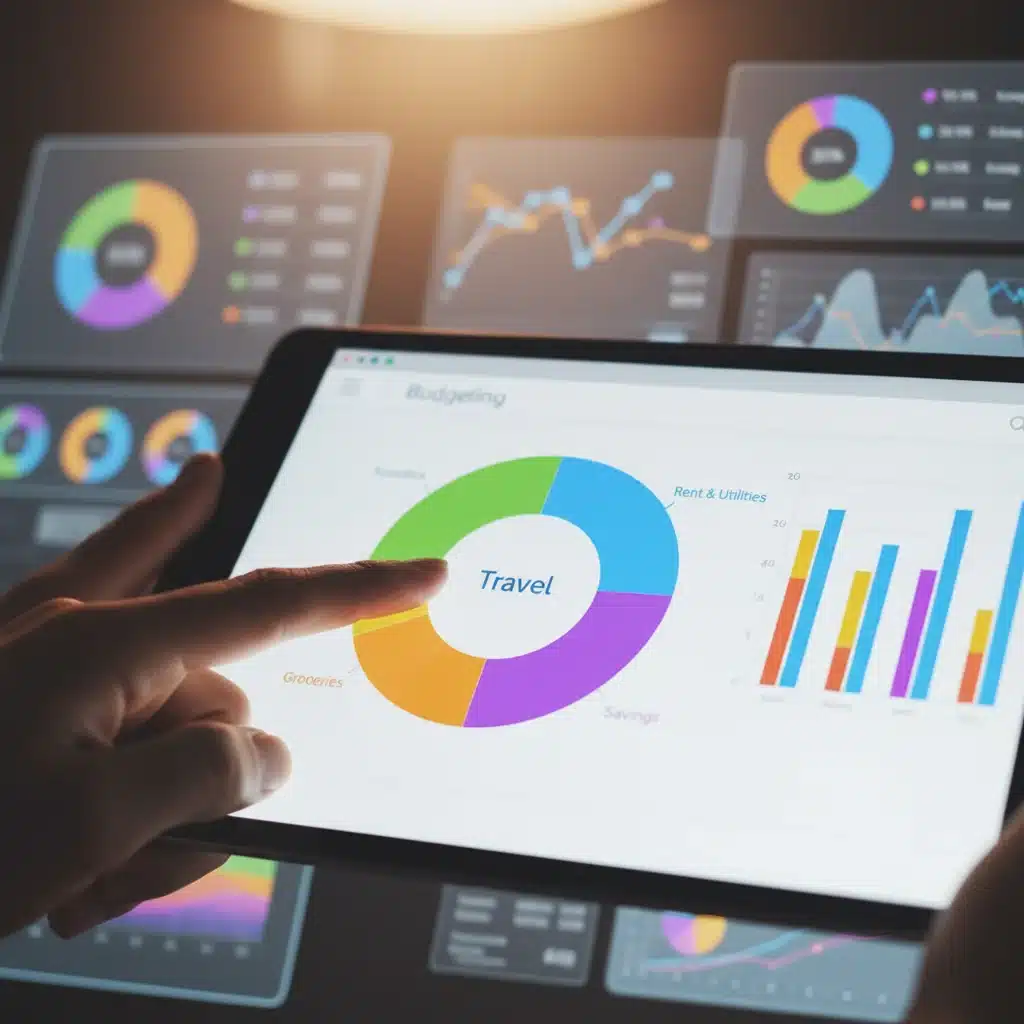
Modern budgeting apps like Mint, YNAB (You Need A Budget), Personal Capital, and PocketGuard can revolutionize how you manage your money. They link to your bank accounts, credit cards, and investments, categorizing transactions automatically and providing real-time insights into your spending. These tools can alert you when you’re nearing your budget limits in specific categories, making it easier to optimize monthly spending proactively.
Price Comparison Tools and Browser Extensions
Before making online purchases, use browser extensions like Honey, Rakuten, or Capital One Shopping to automatically find coupons, compare prices across different retailers, and earn cashback. These small savings add up, contributing to your overall goal to optimize monthly spending.
Investment Apps for Micro-Savings
Consider micro-investing apps like Acorns or Stash that round up your purchases to the nearest dollar and invest the difference. While these won’t generate 15% of your income, they are a painless way to incrementally increase your savings and investments without much effort, further aiding your efforts to optimize monthly spending.
Maintaining Momentum and Long-Term Success
Achieving your 15% savings goal isn’t a one-time event; it’s an ongoing process that requires consistent effort and periodic adjustments. To successfully optimize monthly spending for the long term, you need strategies to stay motivated and adapt to changing circumstances.
Regularly Review and Adjust Your Budget
Life is dynamic, and your budget should be too. Review your budget at least once a month. Are your allocations still realistic? Have your income or expenses changed? Are you consistently overspending in one category or underspending in another? Adjust your budget as needed to reflect your current reality and goals. This continuous refinement is key to effectively optimize monthly spending.
Celebrate Milestones
Acknowledge your progress! When you hit a savings milestone, pay off a debt, or successfully stick to your budget for a month, celebrate your achievement. This doesn’t mean splurging excessively, but a small, well-deserved treat can reinforce positive financial behaviors and keep you motivated to continue to optimize monthly spending.
Find an Accountability Partner or Community
Sharing your financial goals with a trusted friend, family member, or joining an online financial community can provide support and accountability. Discussing challenges and successes with others who are also working to optimize monthly spending can be incredibly motivating and provide new perspectives.
Educate Yourself Continuously
Personal finance is a vast field. Continuously learn about new saving strategies, investment opportunities, and ways to reduce expenses. Read books, listen to podcasts, or follow reputable financial blogs. The more knowledgeable you are, the better equipped you’ll be to make smart financial decisions and further optimize monthly spending.

Build an Emergency Fund
One of the most important aspects of financial security that helps you to optimize monthly spending in the long run is having an emergency fund. Aim to save at least 3-6 months’ worth of essential living expenses. This fund acts as a buffer against unexpected events like job loss, medical emergencies, or significant car repairs, preventing you from going into debt and derailing your savings goals.
Consider Side Hustles or Income Generation
While the focus of this guide is to optimize monthly spending, remember that increasing your income can also significantly boost your savings potential. Explore opportunities for a side hustle, freelancing, or negotiating a raise at your current job. Any extra income can be directly channeled into savings, accelerating your progress towards financial freedom.
Common Pitfalls to Avoid When Trying to Optimize Monthly Spending
Even with the best intentions, certain traps can derail your efforts to optimize monthly spending. Being aware of these can help you navigate your journey more successfully.
Budget Burnout
Trying to cut too much too quickly can lead to feeling deprived and eventually giving up on your budget altogether. Start with achievable cuts and gradually increase them as you become more comfortable. Remember, the goal is sustainable change, not a temporary fix to optimize monthly spending.
Lifestyle Creep
As your income increases, so does your spending. This phenomenon, known as lifestyle creep, can silently eat away at your increased earnings, leaving you no better off financially. Consciously resist the urge to upgrade your lifestyle with every pay raise. Instead, use a portion of that extra income to boost your savings or debt repayment efforts to truly optimize monthly spending.
Ignoring Small Expenses
The ‘latte factor’ is a classic example. While a daily coffee might seem insignificant, these small, recurring expenses add up quickly. Don’t overlook them when looking for areas to optimize monthly spending. Every dollar saved, no matter how small, contributes to your overall goal.
Lack of a Clear ‘Why’
Without a compelling reason for saving, it’s easy to lose motivation. Clearly define your financial goals and visualize what achieving them will mean for your life. This ‘why’ will serve as a powerful motivator when faced with temptations to overspend and helps you stay focused to optimize monthly spending.
Conclusion: Your Path to 15% More Savings in 2026
The journey to optimize monthly spending and unlock 15% more savings by 2026 is an empowering one. It requires dedication, self-awareness, and a willingness to make conscious financial choices. By meticulously tracking your expenses, creating a realistic budget, strategically reducing costs across various categories, and leveraging technology, you can gain unprecedented control over your finances. Remember, financial freedom isn’t about how much money you make; it’s about how much you keep and how wisely you manage it.
Start today by taking that first step: understanding your current spending. Then, progressively implement the strategies outlined in this guide. With consistent effort and a positive mindset, you will not only reach your 15% savings goal but also build a solid foundation for lasting financial well-being. Embrace the challenge, stay disciplined, and watch as your financial future transforms in 2026 and beyond. You have the power to optimize monthly spending and create the financial life you envision.