Airport Lounge Access 2026: Retain Benefits & Save $50 Per Visit
Navigating the New United States Airport Lounge Access Rules for 2026: A Step-by-Step Guide to Retaining Your Benefits and Saving $50 Per Visit
The year 2026 is poised to bring significant shifts to the landscape of United States airport lounge access, impacting countless travelers who rely on these havens for comfort and productivity. What was once a relatively straightforward perk of premium credit cards or elite airline status is evolving, with new rules and restrictions on the horizon. For frequent flyers, business travelers, and even occasional vacationers, understanding these changes is not just about convenience; it’s about preserving a valuable travel benefit and potentially saving a substantial amount of money per trip. Imagine the frustration of arriving at the airport, expecting to unwind in a tranquil lounge, only to be denied entry or hit with an unexpected fee. This comprehensive guide is designed to equip you with the knowledge and strategies needed to navigate these upcoming changes, ensuring you retain your airport lounge access benefits and continue to enjoy a more serene travel experience.
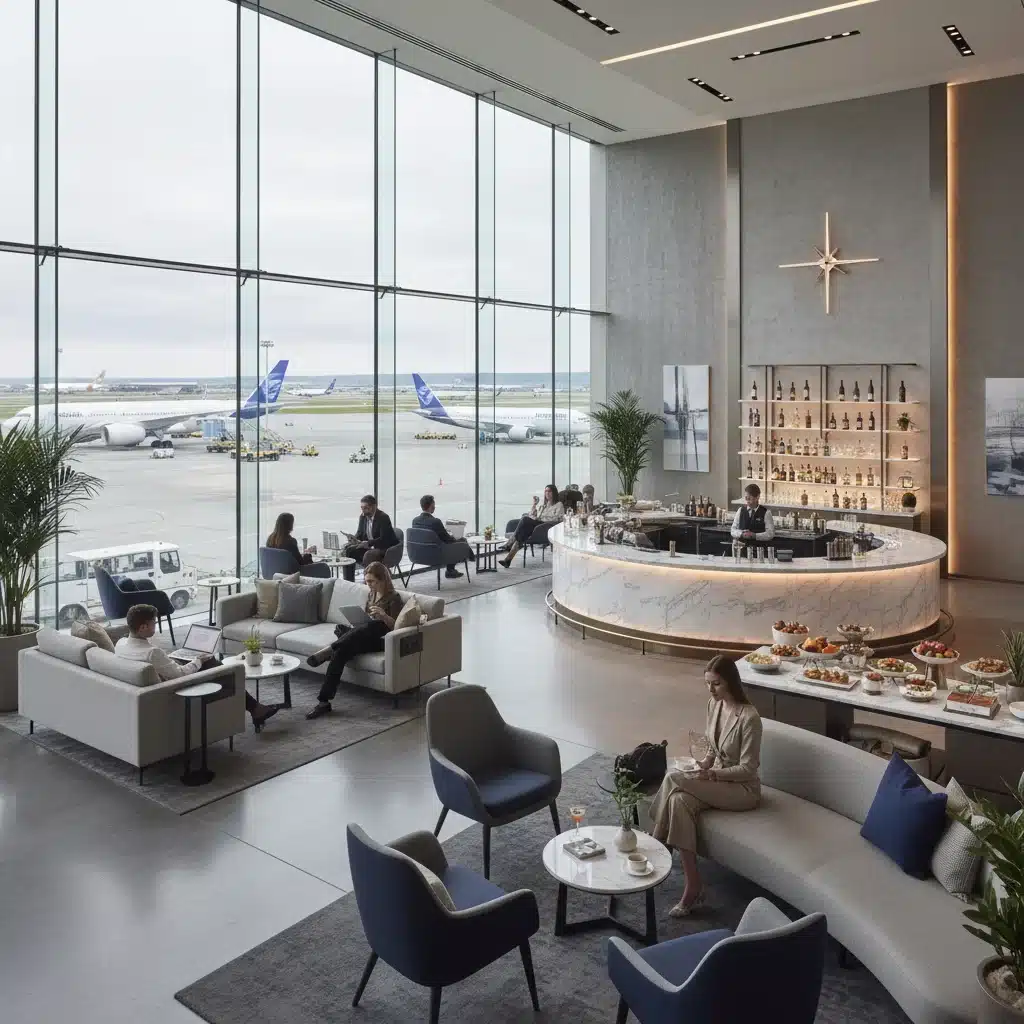
The value of airport lounges extends far beyond a comfortable chair and free Wi-Fi. They offer a respite from the often-chaotic terminal environment, providing complimentary food and beverages, quiet workspaces, and sometimes even showers or spa services. For many, the ability to escape the crowds, catch up on emails, or simply relax before a flight is an indispensable part of their travel routine. With an average lounge day pass costing upwards of $50-$75, retaining your access means significant savings over the course of a year, especially for frequent travelers. This article will delve into the specifics of the 2026 changes, explore how various credit card programs and airline statuses are adapting, and provide actionable steps you can take to proactively secure your airport lounge access. Our goal is to empower you to make informed decisions, avoid unwelcome surprises, and continue enjoying the premium travel experience you’ve come to expect.
Understanding the Impending Changes to Airport Lounge Access in 2026
The year 2026 marks a pivotal moment for airport lounge access in the United States. Several major credit card issuers and airline programs have announced or hinted at significant revisions to their lounge access policies. These changes are largely driven by an increase in lounge overcrowding, which has diminished the premium experience for many patrons, and a reevaluation of the cost-benefit analysis for providers. While the exact details can vary by issuer and program, common themes emerging include tighter guest policies, increased spending requirements, and a potential shift towards more exclusive or paid access options.
Historically, many premium travel credit cards offered unlimited complimentary lounge access for the cardholder and often one or two guests. This generous policy, while highly attractive to consumers, has contributed to the problem of overcrowded lounges, particularly at major hubs during peak travel times. In response, some programs are already implementing or planning to implement stricter guest limits, requiring guests to pay a fee, or even limiting complimentary access to the primary cardholder only. This means that if you frequently travel with family or colleagues, your current strategy for airport lounge access might need a reevaluation.
Another significant trend is the introduction of or increase in spending thresholds. Some credit card companies are linking complimentary lounge access to a minimum annual spend on the card. For instance, you might need to spend $75,000 or even $100,000 within a calendar year to unlock or maintain your lounge benefits. This change directly targets those who hold premium cards primarily for their perks without significant spending, encouraging greater card usage. For many, meeting such high spending requirements might necessitate a review of their financial habits and card portfolio.
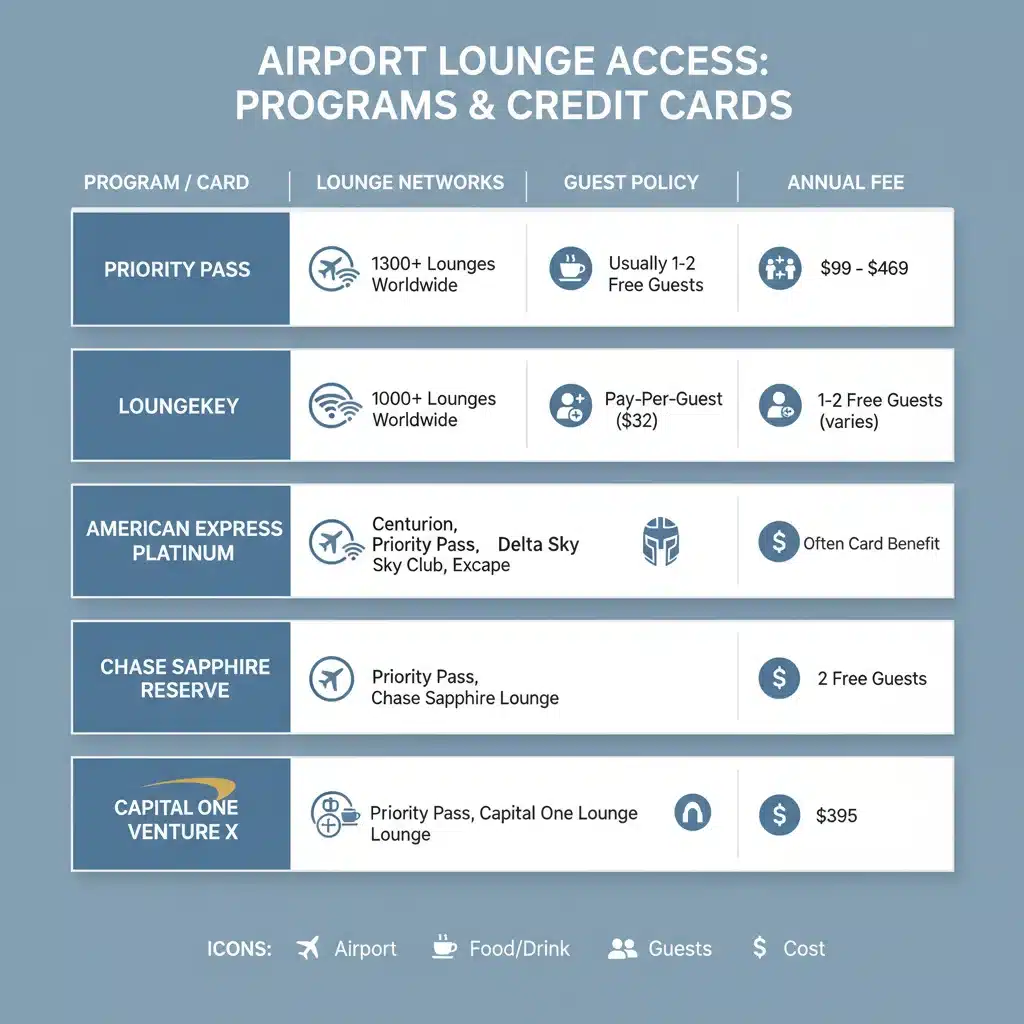
Furthermore, there’s a growing inclination towards proprietary lounge networks or more restrictive third-party access. While Priority Pass has been a ubiquitous solution for many, some credit card issuers are investing heavily in their own branded lounges (e.g., Centurion Lounges, Capital One Lounges) and may prioritize access for their own cardholders, potentially making it harder for Priority Pass members to gain entry during busy periods or even reducing the number of participating lounges in certain networks. Staying informed about these specific program changes is crucial for maintaining your preferred airport lounge access.
Evaluating Your Current Airport Lounge Access Strategy
Before you can adapt to the 2026 changes, it’s essential to thoroughly evaluate your current airport lounge access strategy. This involves understanding how you currently gain access, how frequently you use lounges, and what specific benefits you value most. A careful assessment will help you identify potential vulnerabilities in your current approach and guide your decision-making for the future.
Start by cataloging all your current sources of airport lounge access. Do you primarily rely on a premium travel credit card like the Amex Platinum, Chase Sapphire Reserve, or Capital One Venture X? Or do you have elite status with a particular airline (e.g., Delta SkyMiles Diamond Medallion, United MileagePlus Global Services) that grants you access to their branded lounges? Perhaps you utilize a standalone membership like Priority Pass, LoungeKey, or DragonPass. List each source, along with the specific lounges it grants you access to (e.g., Centurion Lounges, Delta Sky Clubs, United Clubs, Priority Pass lounges).
Next, consider your usage patterns. How often do you typically use airport lounges? Is it once a month, a few times a year, or only on international trips? What airports do you frequent the most? Knowing your primary travel hubs will help you assess the availability and quality of lounges accessible through your current programs. For instance, if you mostly fly through airports with excellent Centurion or Capital One lounges, those programs might be more valuable to you than a general Priority Pass membership if those proprietary lounges are your preference.
Furthermore, reflect on what aspects of lounge access you value most. Is it the complimentary food and drinks, a quiet place to work, reliable Wi-Fi, shower facilities, or the ability to bring guests? If guest access is paramount, any changes to guest policies will significantly impact your experience. If you primarily use lounges for a quiet workspace, then the quality of Wi-Fi and power outlets might be your top priority. Understanding your priorities will allow you to weigh the importance of different benefits when considering alternative strategies.
Finally, calculate the approximate value you derive from your current airport lounge access. If you visit a lounge 10 times a year and each visit would cost $50 without your membership, you’re getting $500 in value. Compare this to the annual fees of your credit cards or standalone memberships. This cost-benefit analysis will be crucial in determining if your current strategy remains financially viable or if it’s time to explore other options to save that $50 per visit.
Strategies to Retain Your Airport Lounge Access Benefits
With the 2026 changes looming, proactive planning is key to retaining your coveted airport lounge access benefits. There are several strategies you can employ, ranging from optimizing your existing credit card usage to exploring new membership options.
1. Deep Dive into Your Premium Credit Card Benefits
For many, premium travel credit cards are the primary gateway to airport lounges. With changes to guest policies and spending requirements, it’s crucial to re-evaluate your current cards:
- Review Specific Card Changes: Major issuers like American Express, Chase, and Capital One have been at the forefront of lounge access changes. Check the terms and conditions for your specific card (e.g., Amex Platinum, Chase Sapphire Reserve, Capital One Venture X) for any announcements regarding 2026. Pay close attention to guest limits, any new annual spending thresholds required for access, and whether specific lounges are being added or removed from their networks.
- Consider Card Downgrades/Upgrades: If your current premium card’s benefits are being significantly curtailed or the annual fee no longer justifies the perks, consider if a different card from the same issuer might better suit your needs. Sometimes, a slightly less premium card offers a similar, albeit scaled-down, lounge benefit at a lower annual fee, or an upgrade might unlock a more robust, proprietary lounge network.
- Optimize Spending: If your card introduces a spending threshold for lounge access, strategize how to meet it. Funnel all eligible purchases through that card. Consider using it for large expenses, business spending, or even paying taxes (where applicable and if the fee is justified by the lounge benefits). This ensures you hit the required spend to maintain your airport lounge access.
2. Explore Alternative Credit Cards or Programs
If your existing cards are no longer meeting your needs, it might be time to broaden your search:
- New Entrants and Competitors: The competitive landscape of travel credit cards is always evolving. New cards or existing cards from other issuers might offer more favorable lounge access terms in 2026. Keep an eye out for cards that offer access to a diverse range of lounges, including proprietary networks and third-party options.
- Airline Co-Branded Cards: While many premium cards offer broad access, specific airline co-branded credit cards often provide access to that airline’s branded lounges (e.g., United Club Infinite Card for United Clubs, Delta SkyMiles Reserve Amex for Delta Sky Clubs). If you’re loyal to a particular airline, this might be a more stable option for their specific lounge network.
- Standalone Lounge Memberships: While typically more expensive than credit card perks, a direct membership to a program like Priority Pass, LoungeKey, or a specific airline’s lounge (e.g., Admirals Club, Sky Club) could be an option if your credit card benefits diminish. Calculate if the annual fee for a standalone membership is justified by your usage and the value you place on airport lounge access.
3. Leverage Airline Elite Status
Elite status with an airline often comes with lounge access benefits, particularly for international travel or when flying in premium cabins. These benefits are generally more stable than credit card perks, though they can also be subject to change:
- Understand Status Tiers: Higher tiers of elite status (e.g., Star Alliance Gold, SkyTeam Elite Plus, Oneworld Sapphire/Emerald) typically include complimentary lounge access when flying with a partner airline, often for the traveler and a guest. Ensure you understand the specific lounge access rules associated with your elite status level.
- Focus Your Loyalty: If lounge access via elite status is crucial, consider concentrating your flights with one airline alliance to achieve or maintain a higher status tier. This can be a more reliable long-term strategy for airport lounge access.
- Check International vs. Domestic Rules: Often, lounge access rules for elite members differ between international and domestic itineraries. Be aware of these distinctions, as domestic lounge access for elite members can sometimes be more restrictive.
4. Strategize Guest Access
Changes to guest policies are a major concern for many travelers:
- Add Authorized Users: Many premium credit cards allow you to add authorized users who can also receive their own lounge access benefits. While there might be a fee for authorized users, it could be a cost-effective way to ensure your travel companions also have access, potentially saving you $50 per guest per visit. Calculate if the authorized user fee is less than what you’d pay for guest fees over the year.
- Utilize Day Passes Strategically: If you only occasionally travel with a guest and your card’s guest policy becomes restrictive, consider purchasing a day pass for your guest. While this costs money, it might be more economical than paying for an authorized user if guest travel is infrequent.
Maximizing Value and Saving $50 Per Visit
Beyond simply retaining access, the goal is to maximize the value of your airport lounge access and effectively save that $50 (or more) per visit. This involves smart usage and a keen eye on the benefits.
1. Leverage All Complimentary Offerings
The most direct way to save money in a lounge is to take full advantage of its complimentary offerings:
- Food and Beverages: Instead of buying expensive airport food and drinks, eat and drink in the lounge. A typical airport meal and a couple of beverages can easily cost $20-$30 or more. By utilizing the lounge, you effectively offset a significant portion of what you might have spent otherwise. Many lounges offer substantial hot meals, snacks, and a wide selection of alcoholic and non-alcoholic beverages.
- Wi-Fi and Charging: Airport Wi-Fi can be slow, unreliable, or require a fee. Lounges almost universally offer fast, free Wi-Fi and ample charging stations. This saves you potential Wi-Fi fees and ensures your devices are ready for your flight.
- Comfort and Productivity: The value of a quiet, comfortable space to work or relax cannot be overstated. Avoiding the stress and noise of the main terminal can improve your travel experience and productivity, which, while not a direct monetary saving, contributes significantly to your overall well-being and the perceived value of your airport lounge access.
2. Strategic Lounge Selection
Not all lounges are created equal. Being strategic about which lounge you visit can significantly enhance your experience and perceived savings:
- Research Before You Go: Use apps like LoungeBuddy or your credit card’s lounge finder to see what lounges are available at your departure airport and which ones offer the best amenities for your needs. Some lounges have better food, showers, or business facilities than others.
- Prioritize Proprietary Lounges: If you have access to exclusive lounges like American Express Centurion Lounges, Capital One Lounges, or Chase Sapphire Lounges, these often offer a superior experience with high-quality food, craft cocktails, and premium amenities. Prioritizing these can maximize your perceived value and savings.
- Avoid Overcrowded Lounges: While sometimes unavoidable, try to identify lounges that are less likely to be overcrowded, especially during peak travel times. A less crowded lounge offers a more relaxing and productive environment, enhancing the value of your access.
3. Factor in the “Hidden” Savings
The $50 saving per visit isn’t just about the direct cost of food and drinks. Consider these additional benefits:
- Reduced Stress: The ability to de-stress before a flight by having a quiet space, comfortable seating, and readily available refreshments is invaluable. Reducing travel stress can lead to better decision-making and a more enjoyable journey.
- Increased Productivity: For business travelers, a lounge offers a dedicated workspace with reliable internet. This can translate into productive hours before a flight, allowing you to get work done that might otherwise be delayed, adding significant value.
- Access to Services: Some premium lounges offer services like complimentary spa treatments, concierge services, or even nap pods. While not available in all lounges, these can add significant value to your travel experience and represent a saving on services you might otherwise pay for.
By consciously utilizing all the amenities, choosing the best available lounges, and recognizing the broader benefits, you can easily ensure your airport lounge access translates into a saving of $50 or more on each visit, making the annual fees of your premium cards or memberships well worth it.
Case Studies: Adapting to 2026 Lounge Rules
Let’s look at a few hypothetical scenarios to illustrate how different travelers might adapt their airport lounge access strategies for 2026.
Case Study 1: The Business Traveler with Amex Platinum
Current Situation: Sarah is a frequent business traveler, flying 2-3 times a month. She holds the Amex Platinum card, which grants her access to Centurion Lounges, Delta Sky Clubs (when flying Delta), and Priority Pass lounges. She often brings a colleague or client as a guest. Her annual spend on the card is typically around $50,000.
2026 Challenge: Amex introduces a $75,000 annual spending requirement for complimentary guest access to Centurion Lounges, and Delta further restricts Sky Club access for Platinum cardholders to only when flying Delta. Priority Pass also sees increased overcrowding.
Sarah’s Strategy:
- Increase Amex Platinum Spend: Sarah decides to consolidate more of her business expenses onto her Amex Platinum card to reach the $75,000 spending threshold. This ensures she retains complimentary guest access to Centurion Lounges, which are her preferred lounges due to their premium amenities.
- Consider a Co-Branded Delta Card: Since she flies Delta frequently, Sarah considers adding a Delta SkyMiles Reserve American Express Card. While it has an annual fee, it would grant her more reliable access to Delta Sky Clubs even when not flying Delta (though guest access might still be limited or require a fee). This provides a backup for airport lounge access when Centurion Lounges aren’t available or are too crowded.
- Strategic Guest Planning: For occasional travel with more than one guest, Sarah will budget for guest fees or explore adding an authorized user to her Amex Platinum if the cumulative guest fees outweigh the authorized user fee.
Case Study 2: The Family Vacationer with Chase Sapphire Reserve
Current Situation: Mark travels with his family (wife and two children) 3-4 times a year for vacations. He uses the Chase Sapphire Reserve, which currently offers Priority Pass Select membership with complimentary access for the cardholder and up to two guests. He values the ability to provide a comfortable pre-flight experience for his family.
2026 Challenge: Chase reduces Priority Pass guest access to one complimentary guest, with additional guests requiring a $32 fee per person. Priority Pass lounges also become significantly more crowded, leading to waitlists.
Mark’s Strategy:
- Add an Authorized User: Mark decides to add his wife as an authorized user to his Chase Sapphire Reserve card. This costs an additional annual fee, but it grants her her own Priority Pass Select membership, effectively allowing the family to bring two complimentary guests (Mark + 1, Wife + 1). This ensures all four family members have airport lounge access.
- Explore Capital One Venture X: Mark also researches the Capital One Venture X card. If its guest policy for Capital One Lounges and Priority Pass remains more generous for families, he might consider diversifying his card portfolio or switching if the benefits align better with his family’s needs.
- Pre-Book/Arrive Early: To combat overcrowding, Mark plans to research lounges at his departure airports and arrive earlier for his flights, especially during peak travel times, to secure entry and avoid long queues.
Case Study 3: The Budget-Conscious Traveler
Current Situation: Emily travels occasionally, perhaps 2-3 times a year. She has a mid-tier travel credit card that offers a few complimentary lounge passes annually or discounted access. She enjoys the quiet space but isn’t willing to pay a high annual fee.
2026 Challenge: Her current card eliminates complimentary passes, offering only discounted access, which she finds less appealing.
Emily’s Strategy:
- Re-Evaluate Card Portfolio: Emily looks for entry-level travel credit cards that still offer a limited number of complimentary lounge passes (e.g., 2-4 passes per year). Some cards might offer this as an annual benefit without a very high annual fee, providing just enough airport lounge access for her occasional trips.
- Consider Day Passes for Specific Trips: For trips where she knows she’ll have a long layover or significant airport time, Emily will research the cost of purchasing a day pass directly from an airline lounge or a Priority Pass lounge. She’ll compare this to the cost of airport food and amenities to ensure she’s still saving money.
- Focus on Non-Lounge Perks: If lounge access becomes too expensive or restrictive for her budget, Emily will shift her focus to other travel perks offered by her cards, such as free checked bags, travel insurance, or accelerated points earning, ensuring she still gets value from her cards.
Proactive Steps to Take Now
The best time to prepare for the 2026 airport lounge access changes is now. Here’s a checklist of proactive steps you can take:
-
Review All Current Credit Card and Airline Program Terms:
Go through the benefits guides and online terms and conditions for every credit card and airline elite status program you hold that offers lounge access. Look specifically for any clauses related to 2026 changes, guest policies, annual spending requirements, and eligible lounges. Don’t just skim; read the fine print.
-
Track Your Lounge Usage:
Keep a simple log of how often you use lounges, which lounges you visit, and whether you bring guests. This data will be invaluable for assessing the true value of your current benefits and identifying patterns that might be affected by new rules. Understanding your actual usage helps you justify annual fees and make informed decisions about future strategies.
-
Assess Your Travel Patterns:
Are your travel habits likely to change? Will you be flying more or less? Will your primary airports change? Your travel patterns directly influence which lounge networks and access methods will be most beneficial. For instance, if you anticipate more international travel, ensure your benefits cover international lounges.
-
Set a Budget for Lounge Access:
Determine how much you are willing to pay, either through annual fees or direct costs, for airport lounge access. This budget will help you narrow down your options when considering new credit cards or memberships. Remember to factor in the potential $50+ savings per visit when calculating the true cost.
-
Stay Informed:
Follow reputable travel blogs, credit card news sites, and airline loyalty program announcements. The landscape is dynamic, and new information or policy adjustments can emerge at any time. Subscribing to newsletters from these sources can keep you abreast of the latest developments regarding airport lounge access.
-
Consider Diversifying Your Access:
Instead of relying on a single credit card or airline status, consider diversifying your lounge access methods. For example, having one card for a proprietary lounge network (like Amex Platinum for Centurion) and another for a broader network (like Capital One Venture X for Priority Pass and Plaza Premium) can offer more flexibility and redundancy in case one program changes its rules unfavorably.
-
Re-evaluate Authorized User Benefits:
If guest access is critical, look into the cost and benefits of adding authorized users to your premium credit cards. Sometimes, the annual fee for an authorized user is significantly less than the cumulative guest fees you would pay over a year, making it a smart investment for consistent airport lounge access for companions.
-
Don’t Be Afraid to Churn or Switch:
If your current credit cards no longer offer the value or lounge access you need, don’t hesitate to consider applying for new cards that better fit your evolving travel style. Be mindful of credit scores and application rules, but remember that loyalty to a card that no longer serves you is counterproductive.
-
Engage with Fellow Travelers:
Join online forums or communities dedicated to travel and credit card rewards. These platforms are excellent for sharing real-time experiences, tips, and insights on lounge access, which can help you navigate changes and discover new strategies. Peer advice can be incredibly valuable for optimizing your airport lounge access.
Conclusion: Securing Your Future Airport Comfort
The shifting sands of United States airport lounge access in 2026 present both challenges and opportunities for travelers. While the prospect of stricter rules and increased costs might seem daunting, a proactive and informed approach can ensure you not only retain your valuable lounge benefits but also continue to maximize their value, potentially saving $50 or more on each visit. The key lies in understanding the specific changes affecting your current access methods, evaluating your personal travel needs, and adapting your strategy accordingly.
By thoroughly reviewing your credit card perks, assessing your airline elite status, and considering alternative access programs, you can build a resilient plan for your future travel comfort. Remember to weigh annual fees against actual usage and the tangible savings from complimentary food, beverages, and amenities. Strategic planning, such as optimizing credit card spending, adding authorized users, or even diversifying your card portfolio, will be crucial in maintaining the premium travel experience you’ve come to expect.
Don’t wait until 2026 to make these critical adjustments. Start now by auditing your current benefits, tracking your usage, and staying informed about industry changes. The comfort and tranquility of an airport lounge can transform a stressful travel day into a pleasant experience, and with the right strategy, you can continue to enjoy these havens for years to come, all while keeping more money in your pocket. Happy travels!