Budgeting for Inflation 2026: Protect Your Purchasing Power

The economic landscape is constantly shifting, and as we look ahead to 2026, one of the most persistent challenges individuals and families will face is inflation. The erosion of purchasing power can silently undermine even the most carefully constructed financial plans. Therefore, understanding and actively engaging in budgeting for inflation is not just a recommendation; it’s a necessity for financial resilience. This comprehensive guide will equip you with the knowledge and strategies to make four key adjustments to your budget, ensuring your money works harder for you, even when prices are on the rise.
Inflation, at its core, is the rate at which the general level of prices for goods and services is rising, and consequently, the purchasing power of currency is falling. While central banks strive for stable inflation rates, external factors such as global supply chain disruptions, geopolitical events, and shifts in consumer demand can lead to unpredictable spikes. For the average household, this means that the same amount of money buys less than it did before. Without proactive measures, your savings can diminish in real value, and your everyday expenses can become a significant burden.
The year 2026 is projected to bring its own set of economic dynamics. While some economists predict a moderation in inflation rates compared to recent peaks, others warn of persistent inflationary pressures driven by labor market tightness, ongoing supply chain adjustments, and potential energy price volatility. Regardless of the exact trajectory, preparing your personal finances for continued inflation is a prudent step. This article will delve into actionable strategies, moving beyond generic advice to provide specific, tangible adjustments you can implement to protect your financial future.
Understanding the Impact of Inflation on Your Budget
Before we dive into the adjustments, it’s crucial to grasp how inflation specifically affects your budget. It’s not just about rising gas prices or grocery bills; inflation has a pervasive influence across all spending categories. Your housing costs, transportation, utilities, healthcare, education, and even entertainment are all subject to inflationary pressures. Over time, these cumulative increases can significantly strain your financial resources, making it harder to save, invest, and achieve your long-term financial goals.
Consider the ‘real’ value of your income. If your salary increases by 3% but inflation is running at 5%, your purchasing power has effectively decreased by 2%. This means you can afford less with the same income. This ‘inflation tax’ is often invisible but can be devastating if not addressed. Recognizing this fundamental principle is the first step towards effective budgeting for inflation.
Many individuals tend to focus on nominal figures (the actual dollar amount) rather than real figures (the purchasing power adjusted for inflation). This cognitive bias can lead to a false sense of security. It’s vital to shift your perspective and routinely assess the real value of your income, savings, and investments. This awareness will fuel your motivation to implement the necessary budgetary changes.
Moreover, inflation disproportionately affects different income groups. Those with lower incomes typically spend a larger percentage of their earnings on necessities like food, housing, and transportation, which are often the first categories to see significant price hikes. This makes effective budgeting for inflation even more critical for vulnerable populations.
The goal of our budgeting adjustments is not just to survive inflation, but to thrive despite it. By strategically reallocating resources, finding efficiencies, and optimizing your financial habits, you can mitigate the negative effects and even find opportunities for growth. Let’s explore the four key adjustments that will form the cornerstone of your 2026 inflation-proof budget.
Adjustment 1: Re-evaluate and Optimize Your Spending Categories
The first and most immediate step in budgeting for inflation is to conduct a thorough re-evaluation of your current spending habits. Many expenses, especially discretionary ones, may have crept up over time without conscious decision-making. Inflation acts as a magnifying glass, highlighting these inefficiencies. Now is the time to scrutinize every dollar.
Trim Discretionary Spending Fat
Start by identifying areas where you can cut back without significantly impacting your quality of life. This often includes:
- Subscriptions: Review all your streaming services, gym memberships, apps, and other recurring subscriptions. Are you using them all? Can you consolidate or cancel some?
- Dining Out & Takeaway: This is a common budgetbuster. Even small reductions in frequency can lead to substantial savings over a year. Consider meal prepping or cooking more at home.
- Entertainment: Look for free or low-cost entertainment options. Libraries, public parks, and community events can offer great alternatives to expensive outings.
- Impulse Purchases: Implement a ’24-hour rule’ for non-essential purchases. If you still want it after waiting a day, then consider buying it.
Negotiate and Shop Around for Essential Services
Even essential services are not immune to price increases. Don’t assume you’re getting the best deal. Proactively seek better rates for:
- Insurance: Car, home, and health insurance premiums can fluctuate. Get quotes from multiple providers annually.
- Utilities: Look into energy-saving practices, smart thermostats, and even switching providers if available in your area.
- Internet/Mobile Plans: Contact your current provider to see if they can offer a better deal, or explore competitor offerings.
- Banking Fees: Review your bank statements for any unnecessary fees and consider switching to a bank with lower or no fees.
The key here is active engagement. Don’t passively accept price increases. By becoming an informed and proactive consumer, you can significantly reduce the impact of inflation on your core expenses. This adjustment requires discipline and consistent review, but the savings can be substantial, freeing up funds for other critical areas of your budget or for savings and investments.
Adjustment 2: Boost Your Income and Diversify Revenue Streams
While cutting expenses is crucial, it has its limits. To truly combat inflation and maintain your purchasing power, you must also consider increasing your income. This adjustment focuses on proactive strategies to bring in more money, creating a stronger financial buffer against rising costs.
Negotiate Salary or Seek Higher-Paying Opportunities
If you’re employed, your annual salary review is an opportune moment to negotiate. Research industry benchmarks and come prepared with a strong case for why you deserve a raise that at least keeps pace with inflation, if not exceeds it. Highlight your achievements and contributions to the company’s success. If your current employer isn’t willing to offer a competitive salary, it might be time to explore other job opportunities that offer better compensation and benefits.
For those in self-employment or running a business, regularly review your pricing structure. Are you charging enough for your services or products to account for your increased operating costs and the general rise in prices? Don’t be afraid to adjust your rates to reflect the true value you provide and the economic realities.
Explore Side Hustles and Passive Income
The gig economy offers numerous avenues to supplement your primary income. Consider:
- Freelancing: Leverage your professional skills (writing, graphic design, consulting, web development) to take on freelance projects. Platforms like Upwork, Fiverr, or LinkedIn can connect you with clients.
- Gig Work: Driving for ride-sharing services, delivering food, or offering task-based services (e.g., TaskRabbit) can provide flexible income.
- Selling Goods: Turn hobbies into income by selling handmade crafts, reselling items, or decluttering your home and selling unused goods online.
- Passive Income Streams: While often requiring an initial investment of time or capital, passive income can be a powerful inflation hedge. This could include:
- Rental Income: If you have spare property or even a spare room, consider renting it out.
- Dividend Stocks/REITs: Investing in dividend-paying stocks or Real Estate Investment Trusts (REITs) can provide regular income.
- High-Yield Savings Accounts/CDs: While not truly ‘passive’ in the sense of a business, these can offer better returns on your cash savings than traditional accounts, though usually still below inflation.
- Creating Digital Products: E-books, online courses, or stock photos can generate income long after the initial creation.
Diversifying your income streams provides a crucial safety net. If one source of income is affected by economic downturns or inflation, you have other avenues to rely on. This strategy not only helps in budgeting for inflation but also builds overall financial security.
Adjustment 3: Strategize Your Savings and Investments for Growth
Simply saving money in a traditional low-interest savings account during periods of high inflation is akin to watching your money slowly diminish in value. The third critical adjustment involves strategically placing your savings and investments where they can at least keep pace with, or ideally outperform, inflation.
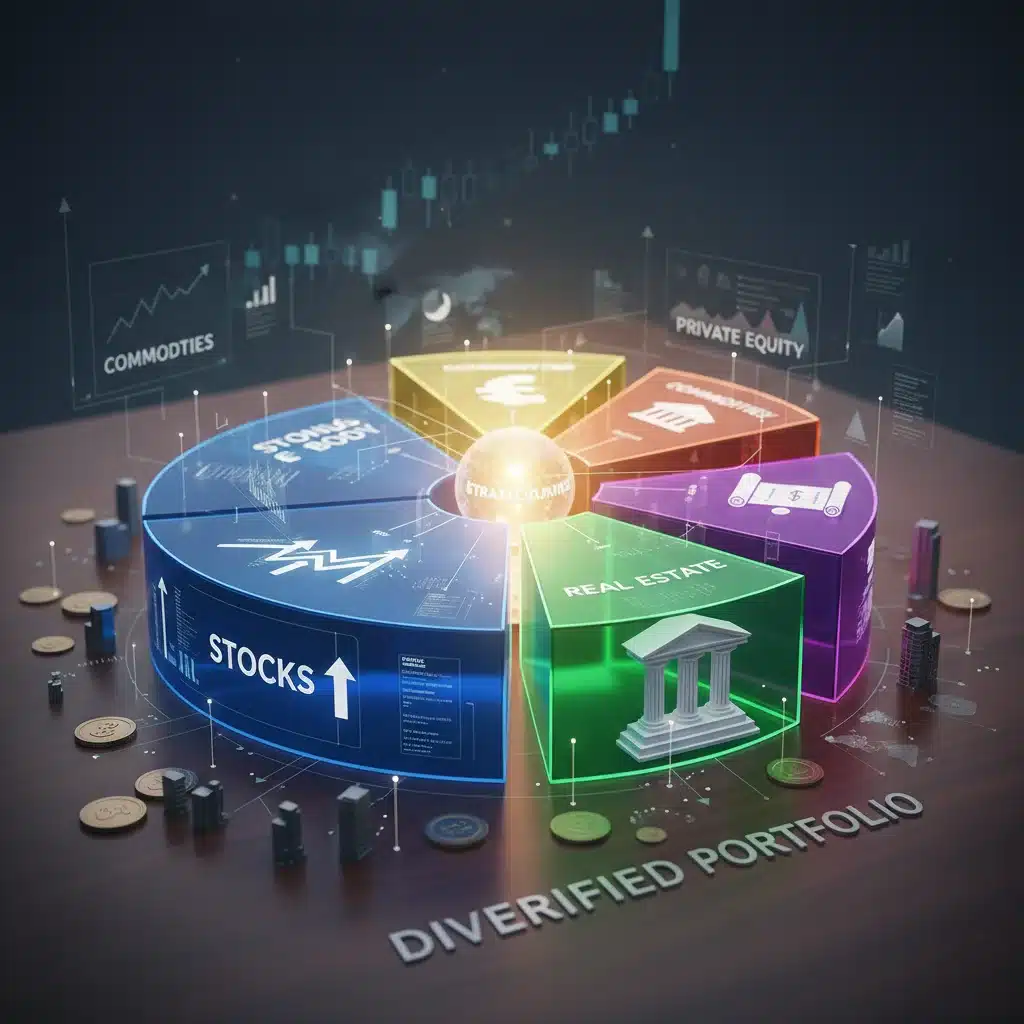
Prioritize Inflation-Protected Investments
While no investment is entirely risk-free, certain assets tend to perform better during inflationary periods:
- Treasury Inflation-Protected Securities (TIPS): These U.S. Treasury bonds are indexed to inflation, meaning their principal value adjusts with the Consumer Price Index (CPI). When inflation rises, the principal value of your TIPS increases, and so do your interest payments.
- Real Estate: Historically, real estate has been considered a good hedge against inflation. Property values and rental income tend to rise with inflation, though liquidity and market conditions are important considerations.
- Commodities: Raw materials like gold, silver, oil, and agricultural products often see their prices increase during inflationary times. However, commodity investing can be volatile.
- Dividend Growth Stocks: Companies with strong balance sheets and a history of consistently increasing their dividends can offer a growing income stream that helps combat inflation.
- Value Stocks: These are stocks that trade below their intrinsic value. Often, during inflationary periods, investors rotate from growth stocks to value stocks.
Optimize Your Cash Holdings
While it’s important to have an emergency fund readily accessible, holding too much cash in a low-interest account is detrimental during inflation. Consider:
- High-Yield Savings Accounts (HYSAs): These accounts offer significantly higher interest rates than traditional savings accounts, though they may still lag behind high inflation.
- Certificates of Deposit (CDs): CDs offer fixed interest rates for a specified term. If you can lock in a good rate when interest rates are rising, they can be a decent option for a portion of your emergency fund or short-term savings.
- Money Market Accounts: These typically offer higher interest rates than regular savings accounts and often come with check-writing privileges.
The goal is to ensure that your money is not sitting idle and losing value. Regularly review your investment portfolio with a financial advisor to ensure it aligns with your risk tolerance and inflation-hedging goals. Remember, diversification is key to mitigating risk while seeking growth. This proactive approach to savings and investments is a cornerstone of effective budgeting for inflation.
Adjustment 4: Enhance Your Financial Literacy and Adaptability
The final, but arguably most important, adjustment is to continuously enhance your financial literacy and cultivate a mindset of adaptability. The economic environment of 2026 will undoubtedly present new challenges and opportunities. Being informed and flexible will allow you to make timely and effective decisions.
Stay Informed About Economic Trends
Make it a habit to follow reliable economic news and reports. Understand key indicators like the Consumer Price Index (CPI), interest rate changes by central banks, and global economic forecasts. You don’t need to be an economist, but a basic understanding of these trends will help you anticipate changes and adjust your budget proactively. Knowledge is power, especially when budgeting for inflation.
- Read Reputable Financial News: Follow major financial publications and websites.
- Understand Key Economic Terms: Familiarize yourself with concepts like interest rates, CPI, GDP, and monetary policy.
- Monitor Your Own Spending: Regularly review your bank and credit card statements to track where your money is going and identify any unexpected increases.
Build and Maintain a Robust Emergency Fund
An emergency fund is always crucial, but its importance is amplified during inflationary periods. Unexpected expenses, which are also subject to inflation, can quickly derail your financial stability if you’re not prepared. Aim for at least 3-6 months’ worth of essential living expenses, ideally held in a high-yield savings account where it can earn some interest.
This fund acts as a buffer, preventing you from having to sell investments at an inopportune time or accrue high-interest debt when an unexpected cost arises. It provides peace of mind and flexibility when navigating an uncertain economic climate.
Practice Frugality and Conscious Consumption
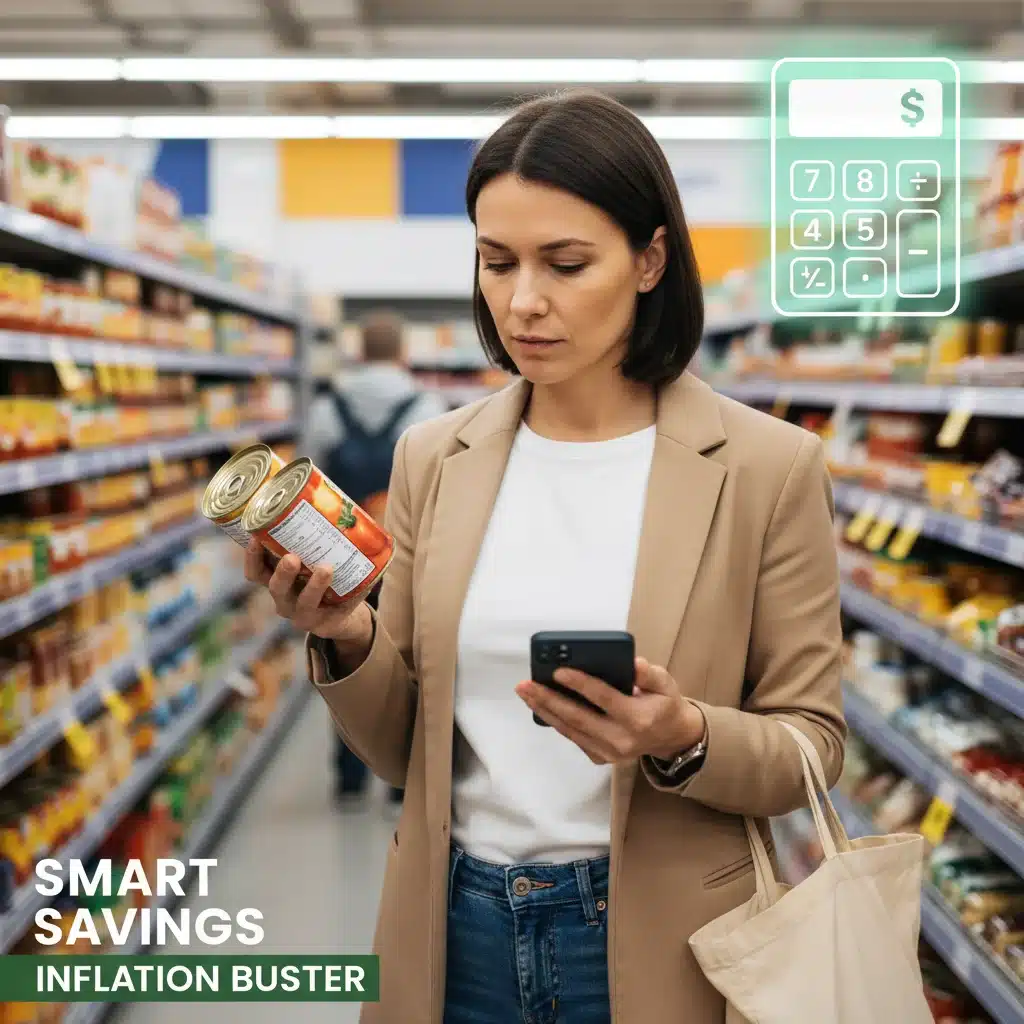
Frugality isn’t about deprivation; it’s about making intentional choices with your money. During inflationary times, this means being more mindful of every purchase. Ask yourself:
- Do I truly need this?
- Is there a more affordable alternative?
- Can I repair instead of replacing?
- Am I buying in bulk wisely (only for non-perishables I’ll use)?
Conscious consumption also involves looking for ways to reduce waste, conserve energy, and make sustainable choices that can save money in the long run. For instance, reducing food waste by meal planning not only saves money but also contributes to environmental sustainability.
Regularly Review and Adjust Your Budget
A budget is not a static document; it’s a living tool that needs regular attention. Schedule monthly or quarterly reviews to assess your spending, track your progress, and make necessary adjustments. Inflation means that what was a balanced budget six months ago might not be today. Being adaptable and willing to revise your financial plan is key to long-term success in budgeting for inflation.
Utilize budgeting apps or spreadsheets to make this process easier. Categorize your expenses, set realistic goals, and celebrate small wins. The more you engage with your budget, the more control you will feel over your finances, even in an inflationary environment.
Putting It All Together: Your 2026 Inflation-Proof Budget
The four adjustments discussed above are interconnected and mutually reinforcing. By re-evaluating your spending, boosting your income, strategizing your investments, and enhancing your financial literacy, you create a robust framework for budgeting for inflation in 2026 and beyond.
Imagine a scenario where you’ve cut down on unnecessary subscriptions (Adjustment 1), used the freed-up cash to invest in inflation-protected securities (Adjustment 3), and simultaneously taken on a freelance gig to boost your income (Adjustment 2). This multi-pronged approach significantly strengthens your financial position against rising prices. Meanwhile, your enhanced financial literacy (Adjustment 4) allows you to spot new trends and adapt your strategies as needed.
It’s important to start small and be consistent. Don’t try to implement all changes at once. Pick one or two areas to focus on first, achieve some success, and then gradually incorporate more adjustments. Building new financial habits takes time and perseverance.
Remember that the goal is not just to survive inflation but to maintain and even grow your real wealth. This requires a shift in mindset from passive acceptance to proactive management of your finances. Inflation is a powerful economic force, but it’s not insurmountable. With careful planning and diligent execution of these four key adjustments, you can navigate the economic currents of 2026 with confidence.
Conclusion: Building Financial Resilience Against Inflation
As we prepare for 2026, the specter of inflation remains a significant concern for personal finances. However, by adopting a strategic and proactive approach to budgeting for inflation, you can effectively protect your purchasing power and preserve your financial well-being. The four key adjustments outlined in this article – optimizing spending, boosting income, strategizing investments, and enhancing financial literacy – provide a comprehensive roadmap for building resilience.
Start today by reviewing your current financial situation, identifying areas for improvement, and committing to incremental changes. The journey to financial stability in an inflationary environment is ongoing, requiring continuous learning and adaptation. By implementing these strategies, you’re not just reacting to economic pressures; you’re actively shaping your financial future, ensuring that your hard-earned money continues to serve your goals, no matter what economic challenges lie ahead.
Embrace the challenge, empower yourself with knowledge, and take control of your budget. Your financial resilience in 2026 depends on the actions you take now.