
The 2026 Guide to Elite Status Qualification: Achieving Top Tiers in US Airline and Hotel Programs
Welcome, savvy traveler, to the definitive guide for navigating the exciting, yet often intricate, world of elite status qualification in 2026. As we look ahead, the landscape of loyalty programs for US airlines and hotels continues to evolve, presenting both challenges and unparalleled opportunities for those who understand how to play the game. Achieving elite status isn’t just about accumulating miles or points; it’s about unlocking a suite of privileges that transform your travel experience from ordinary to extraordinary. Imagine complimentary upgrades, priority boarding, lounge access, dedicated customer service, and a host of other benefits that make every journey smoother, more comfortable, and more rewarding. This comprehensive article will delve deep into the strategies, requirements, and insider tips you’ll need to secure your desired elite tiers across the major US airline and hotel loyalty programs for the 2026 qualification year.
The pursuit of elite status qualification is a journey that requires careful planning, strategic spending, and a keen understanding of program rules. Whether you’re a seasoned road warrior aiming for the pinnacle of loyalty or a newcomer looking to elevate your occasional trips, this guide is designed to equip you with the knowledge to succeed. We’ll break down the nuances of earning status with the ‘Big Three’ US airlines – American, Delta, and United – and explore the pathways to top-tier recognition with leading hotel chains like Marriott Bonvoy, Hilton Honors, and World of Hyatt. The 2026 qualification period is already upon us, with many programs tracking activity from January 1, 2026, for status to be enjoyed throughout 2027. Therefore, understanding these pathways now is crucial for maximizing your efforts.
Our focus will be on practical, actionable advice. We’ll discuss the various metrics used for qualification, such as redeemable miles, elite qualifying segments (EQS), elite qualifying dollars (EQD), loyalty points, elite night credits, and base points. Furthermore, we’ll explore the increasingly important role of co-branded credit cards and how strategic use of these financial tools can significantly accelerate your path to elite status qualification. From understanding rollover nights to leveraging status challenges and maximizing promotional offers, we’ve got you covered. Prepare to transform your travel aspirations into tangible benefits as we embark on this detailed exploration of 2026 elite status.
Understanding the Shifting Landscape of Elite Status Qualification for 2026
The world of loyalty programs is dynamic, and 2026 is no exception. Airlines and hotels are constantly refining their programs, often in response to market conditions, competitor actions, and customer feedback. What worked last year might not be the most efficient path for elite status qualification this year. A common trend is the increasing emphasis on revenue-based qualification, moving away from purely distance-based or stay-based metrics. This means that how much you spend with an airline or hotel often carries more weight than just how frequently you fly or stay.
For airlines, this translates to Elite Qualifying Dollars (EQDs) or similar spending requirements becoming paramount. For hotels, it might mean a greater focus on base points earned from spend, rather than just the number of nights. Understanding these shifts is the first step in formulating a winning strategy for elite status qualification. It’s no longer enough to simply fly or stay; you must do so strategically, often considering the revenue implications of your bookings.
Another crucial aspect is the integration of co-branded credit cards into the qualification framework. Many programs now offer pathways to status through credit card spending, elite night credits, or even direct status grants upon reaching certain spending thresholds. This can be a game-changer, especially for those who may not travel enough to qualify solely through flights or stays but can channel their everyday spending through a specific loyalty credit card. We will explore these credit card synergies in detail, providing examples of how they can significantly boost your progress towards elite status qualification in 2026.
Airline Elite Status Qualification: The Big Three for 2026
Let’s dive into the specifics of elite status qualification with the major US carriers. Each airline has its unique lexicon and set of requirements, but the underlying mechanisms often share commonalities. For 2026, you’ll generally need to meet a combination of flying activity (segments or miles) and spending (dollars).
American Airlines AAdvantage: Loyalty Points Reign Supreme
American Airlines has fully embraced a Loyalty Point system for elite status qualification. This simplified approach means almost every dollar you spend with American Airlines or its partners, or on eligible co-branded credit cards, earns you Loyalty Points. The more Loyalty Points you accumulate in a qualification year (March 1 to February 28/29), the higher your status.
- Gold: Requires a certain threshold of Loyalty Points.
- Platinum: Higher Loyalty Point threshold.
- Platinum Pro: Even higher Loyalty Point threshold.
- Executive Platinum: The top tier, demanding the highest number of Loyalty Points.
The beauty of the Loyalty Point system is its flexibility. You can earn Loyalty Points through:
- Flying on American Airlines and Oneworld alliance partners.
- Spending on eligible co-branded AAdvantage credit cards (typically 1 Loyalty Point per dollar spent on purchases).
- Booking hotels, rental cars, and other activities through AAdvantage partners.
- Shopping through the AAdvantage eShopping portal.
For 2026, the key strategy for American Airlines elite status qualification is to consolidate your spending. Every purchase on an AAdvantage credit card contributes directly to your status, making it a powerful tool for those aiming for Executive Platinum without an exceptionally high flight volume. Pay close attention to bonus Loyalty Point offers through various partners, as these can accelerate your earning significantly.
Delta Air Lines SkyMiles: Medallion Qualification Dollars (MQDs) Take Center Stage
Delta SkyMiles has also shifted its focus heavily towards spending, primarily through Medallion Qualification Dollars (MQDs). For 2026, MQDs are the sole metric for elite status qualification, though there are various ways to earn them beyond just flying.
- Silver Medallion: Requires a specific MQD threshold.
- Gold Medallion: Higher MQD threshold.
- Platinum Medallion: Even higher MQD threshold.
- Diamond Medallion: The highest tier, demanding the most MQDs.
MQDs can be earned through:
- Delta-marketed and operated flights (typically $1 spent = 1 MQD, excluding taxes/fees).
- Delta Vacations packages.
- Spending on eligible Delta SkyMiles co-branded American Express credit cards (e.g., $10 spent = 1 MQD on certain cards, with varying caps).
- Delta’s hotel and car rental partners (indirectly, by earning miles that can then be converted to MQDs in some cases or through specific promotions).
The strategic use of Delta SkyMiles American Express cards is paramount for 2026 Delta elite status qualification. High spenders on these cards can earn significant MQD boosts, potentially qualifying for status without a massive amount of flight activity. Keep an eye on any MQD Headstart or bonus MQD offers that may arise, as these are critical for reaching higher tiers.
United Airlines MileagePlus: Premier Qualifying Points (PQP) and Premier Qualifying Flights (PQF)
United MileagePlus maintains a dual-metric system for elite status qualification, requiring both Premier Qualifying Points (PQP) and Premier Qualifying Flights (PQF) for most tiers, though higher PQP thresholds can waive the PQF requirement. This system encourages both spending and flying frequency.
- Premier Silver: Requires a combination of PQP and PQF, or a higher PQP-only threshold.
- Premier Gold: Higher PQP and PQF, or PQP-only.
- Premier Platinum: Even higher PQP and PQF, or PQP-only.
- Premier 1K: The top tier, demanding the highest PQP and PQF, or PQP-only.
How to earn PQPs and PQFs:
- PQPs: Earned from the base fare and carrier-imposed surcharges on United and United Express flights, as well as flights on Star Alliance partners. Also earned from spending on eligible United co-branded credit cards (e.g., $12 spent = 1 PQP, with caps per card).
- PQFs: Earned per flight segment on United, United Express, and Star Alliance partner flights.
For 2026 United elite status qualification, a balanced approach is often best. While credit card spending can provide a significant boost to PQPs, frequent flyers will still benefit from the PQF component. Consider flying connecting itineraries if you need to boost your PQFs, as each segment counts. Monitor United’s specific credit card offers as they can vary, and some cards provide more PQP earning potential or even direct PQP grants.
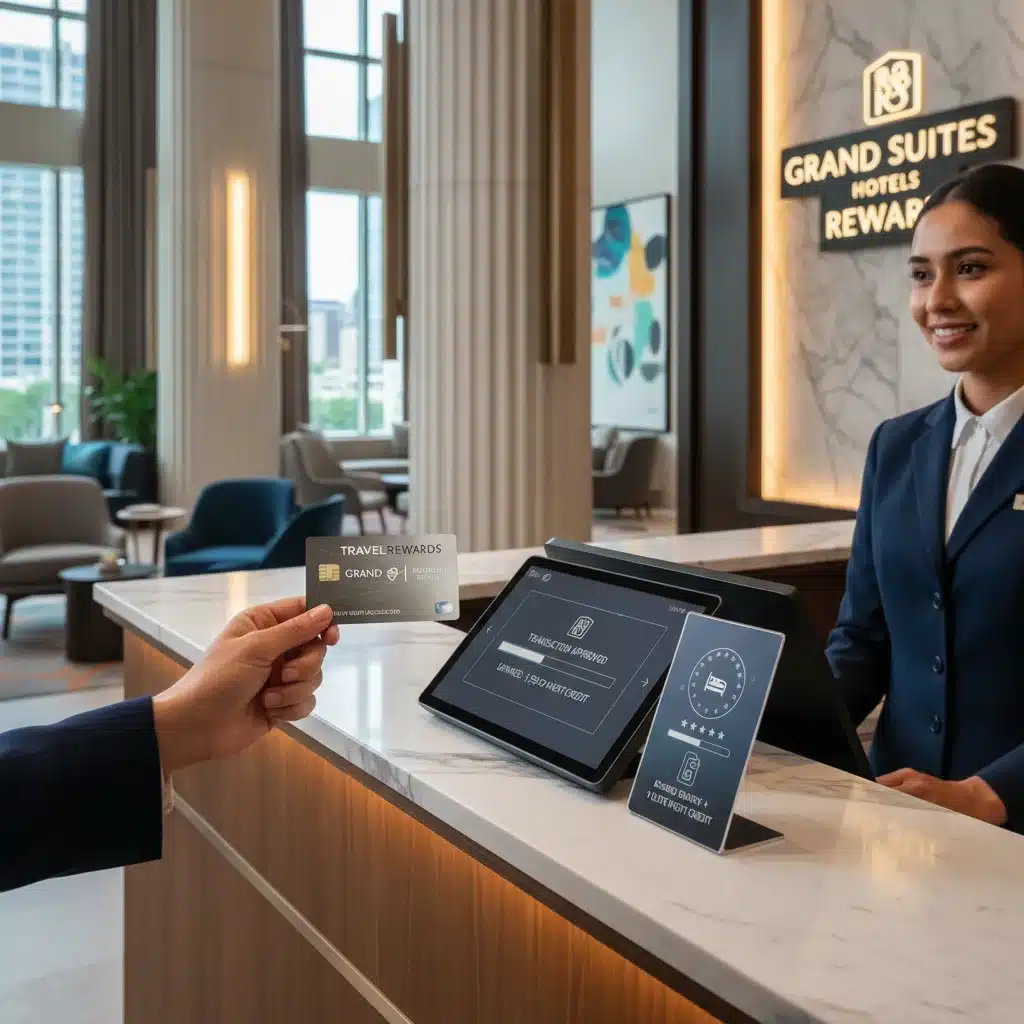
Hotel Elite Status Qualification: Your 2026 Guide to Elevated Stays
Hotel loyalty programs offer a different, but equally rewarding, path to elite status qualification. The primary metric here is almost universally based on elite qualifying nights (EQNs) or stays, though spending also plays an increasingly vital role, particularly through co-branded credit cards.
Marriott Bonvoy: Nights and Credit Card Synergy
Marriott Bonvoy is one of the largest hotel loyalty programs, offering extensive global reach. For 2026, elite status qualification is primarily based on Elite Night Credits (ENCs).
- Silver Elite: 10 ENCs
- Gold Elite: 25 ENCs
- Platinum Elite: 50 ENCs
- Titanium Elite: 75 ENCs
- Ambassador Elite: 100 ENCs + $23,000 in qualifying spend.
Ways to earn ENCs:
- Staying at Marriott Bonvoy properties (1 night = 1 ENC).
- Holding eligible Marriott Bonvoy co-branded credit cards, which often come with annual grants of 15-25 ENCs. Some premium cards even offer additional ENCs for reaching spending thresholds.
- Rollover nights (if applicable from the previous year, though this varies by program and status tier).
- Promotional offers that grant bonus ENCs.
For 2026 Marriott Bonvoy elite status qualification, strategic use of co-branded credit cards is perhaps the most powerful lever. Multiple Marriott cards can be stacked to receive multiple ENC grants, significantly reducing the number of paid nights required. For example, holding both a personal and a business Marriott Bonvoy card could give you 30-50 ENCs annually, putting you well on your way to Platinum Elite before even one paid stay.
Hilton Honors: Nights, Stays, or Base Points
Hilton Honors offers multiple pathways to elite status qualification, providing flexibility for different travel patterns. For 2026, you can qualify based on:
- Silver Status: 4 Stays, 10 Nights, or 25,000 Base Points.
- Gold Status: 20 Stays, 40 Nights, or 75,000 Base Points.
- Diamond Status: 30 Stays, 60 Nights, or 120,000 Base Points.
Key earning methods:
- Stays/Nights: Earned from paid stays at Hilton properties.
- Base Points: Earned from eligible spend at Hilton properties (10 Base Points per dollar for most brands).
- Co-branded Credit Cards: Many Hilton Honors American Express cards offer complimentary elite status (e.g., Gold status with the Hilton Honors American Express Surpass Card, Diamond status with the Hilton Honors American Express Aspire Card) or provide shortcuts to earning status through spending thresholds.
For 2026 Hilton Honors elite status qualification, the credit card route is exceptionally strong, offering some of the easiest paths to mid- and top-tier status directly. If you don’t travel enough to meet the night or stay requirements, a premium Hilton credit card can instantly grant you Gold or Diamond status. Additionally, keep an eye out for double or triple base point promotions, which can accelerate qualification via the base point metric.
World of Hyatt: Tier-Qualifying Nights and Base Points
World of Hyatt is renowned for its valuable elite benefits, particularly Globalist status. However, it’s also considered one of the harder programs for elite status qualification through stays alone. For 2026, qualification is based on Tier-Qualifying Nights (TQNs) or Base Points.
- Discoverist: 10 TQNs or 25,000 Base Points.
- Explorist: 30 TQNs or 50,000 Base Points.
- Globalist: 60 TQNs or 100,000 Base Points.
How to earn TQNs and Base Points:
- TQNs: Earned from eligible paid and award nights at Hyatt properties.
- Base Points: Earned from eligible spend at Hyatt properties (5 Base Points per dollar).
- World of Hyatt Credit Card: This card offers 5 TQNs annually, plus 2 additional TQNs for every $5,000 spent on the card. This is a crucial accelerator for elite status qualification.
The World of Hyatt credit card is indispensable for 2026 Hyatt elite status qualification. The ability to earn TQNs through everyday spending, combined with the annual TQN grant, can significantly reduce the number of nights you need to stay. For example, spending $30,000 on the card would earn you 12 TQNs (2 TQNs for each $5,000) on top of the initial 5, totaling 17 TQNs before a single stay. This makes Globalist status much more attainable for those with significant credit card spend.
Strategic Approaches to Accelerate Your 2026 Elite Status Qualification
Beyond simply flying and staying, there are several advanced strategies to expedite your journey to elite status qualification in 2026. These often involve leveraging credit card benefits, understanding promotional offers, and making informed booking decisions.
Maximizing Co-branded Credit Cards
As highlighted for each program, co-branded credit cards are no longer just for earning rewards; they are powerful tools for elite status qualification. Many premium travel cards offer:
- Annual Elite Night Credits/Loyalty Points: A base grant of qualifying nights or points each year.
- Spend-Based Qualification: Earn additional qualifying metrics for hitting spending thresholds on the card.
- Direct Status Grant: Some high-tier cards offer complimentary mid- or even top-tier status.
- Waiver of Spending Requirements: Certain airline cards can waive the EQD/MQD/PQP requirement if you spend a significant amount on the card annually.
Evaluate your spending habits and financial goals. If you consistently spend a lot in certain categories, aligning those expenses with a co-branded card that offers elite qualification benefits can be incredibly efficient. Remember to check the specific terms and conditions for each card, as benefits and earning rates can change.
Status Challenges and Fast Tracks
For those who have elite status with a competitor or anticipate a significant amount of travel in a short period, status challenges can be a golden ticket to expedited elite status qualification. Airlines and hotels occasionally offer these challenges, allowing you to earn a higher status tier by completing a reduced set of qualification requirements within a specific timeframe (e.g., fly X segments or stay Y nights in 90 days).
Keep an eye on loyalty program websites and travel blogs for announcements of status challenges. While not always publicly advertised, a polite call to customer service, especially if you have status with a competing program, can sometimes unlock these opportunities. This is particularly useful if your travel patterns change or if you’re switching allegiance to a new loyalty program.
Leveraging Promotional Offers
Throughout the year, loyalty programs roll out various promotions designed to encourage engagement. These can include:
- Bonus Elite Qualifying Miles/Segments/Nights: Earn double or triple the normal qualifying metrics on eligible flights or stays.
- Reduced Qualification Thresholds: Occasionally, programs might temporarily lower the requirements for elite status qualification.
- Status Match Opportunities: Similar to status challenges, but often a direct match to a comparable tier in a new program without additional activity required (though sometimes a ‘challenge’ component is attached).
Subscribe to loyalty program newsletters and follow reputable travel news sources. Being aware of these promotions and strategically timing your travel or credit card applications to align with them can significantly boost your progress towards elite status qualification.
Strategic Booking and Routing
For airline status, consider how your flight choices impact your qualification. If you’re chasing PQFs with United, for example, a connecting flight might be more beneficial than a direct one if the cost is similar. For hotels, if you’re close to a status tier and have flexibility, booking an extra night or two at a lower-cost property can be a worthwhile investment to push you over the edge.
Always compare the earning rates and benefits across alliance partners. Sometimes flying a partner airline on a specific fare class might yield more qualifying miles or segments than flying the primary carrier, or vice-versa. Understanding these nuances is key to optimizing your elite status qualification strategy.
Maintaining Elite Status: The Long Game
Achieving elite status qualification is a significant accomplishment, but for many, the goal is to maintain it year after year. The strategies for maintaining status often mirror those for earning it, but with the added benefit of understanding your current status and how much more effort is required.
One critical aspect of maintenance is evaluating the value of your current elite benefits versus the cost and effort of requalification. Is the highest tier truly worth the incremental spend, or would a lower tier provide sufficient benefits for your travel patterns? This is a personal calculation, but it’s important to do regularly.
Consider the ‘soft landing’ phenomenon. Some programs, if you fail to requalify for your current tier, might grant you the next tier down instead of dropping you to base level. While not guaranteed, it’s a testament to the value programs place on their loyal members.
Finally, remember that loyalty programs are designed to reward loyalty. Consolidating your travel with one or two preferred airlines and hotel chains will almost always be more effective for elite status qualification than spreading your activity across many different programs. Focus your efforts where they will yield the greatest returns.
The Value Proposition: Why Pursue Elite Status Qualification in 2026?
With all the effort involved in elite status qualification, one might ask: is it truly worth it? The answer, for many frequent travelers, is a resounding yes. The benefits often far outweigh the strategic planning and sometimes incremental costs.
Airline Elite Benefits:
- Complimentary Upgrades: A chance to experience first or business class without the hefty price tag.
- Priority Services: Expedited check-in, security, boarding, and baggage handling.
- Lounge Access: A tranquil oasis at the airport, offering food, drinks, and a quiet place to work or relax.
- Increased Baggage Allowance: Avoid checked bag fees and carry more luggage.
- Better Award Availability: Sometimes, elite members get access to more award seats.
- Dedicated Customer Service: Shorter wait times and more experienced agents.
- Flexibility: Waived change fees, same-day confirmed changes, and standby priority.
Hotel Elite Benefits:
- Complimentary Room Upgrades: Often to a better view, higher floor, or even a suite.
- Late Check-out/Early Check-in: Maximizing your time at the property.
- Complimentary Breakfast: Significant savings, especially on longer stays.
- Lounge Access: Exclusive access to executive lounges with complimentary food and beverages.
- Bonus Points: Earn more points on every stay, accelerating your next free night.
- Welcome Amenities: Points, snacks, or drinks upon arrival.
- Guaranteed Room Availability: Especially useful during peak seasons.
These benefits collectively contribute to a significantly enhanced travel experience. They reduce stress, add comfort, and can lead to substantial monetary savings over time. The intangibles, like the feeling of being valued as a customer and the peace of mind that comes with priority treatment, are also highly significant.
Conclusion: Your Path to 2026 Elite Status Qualification
The journey to elite status qualification in 2026 is a rewarding one, filled with opportunities to elevate your travel. By understanding the specific requirements of US airline and hotel loyalty programs, leveraging co-branded credit cards, and staying abreast of promotional offers, you can strategically navigate the path to top-tier benefits.
Remember that the key to success lies in consistent effort and informed decision-making. Start planning now, track your progress, and adapt your strategies as needed. Whether your goal is a comfortable flight experience with priority boarding or luxurious hotel stays with complimentary upgrades and lounge access, the benefits of elite status are well within reach.
We encourage you to revisit this guide throughout the 2026 qualification year, as programs may introduce new rules or promotions. Stay informed, stay strategic, and enjoy the unparalleled perks that come with achieving elite status qualification. Happy travels, and here’s to a year of elevated experiences!