Smart Spending 2026: Top 5 Budgeting Apps to Save on Groceries
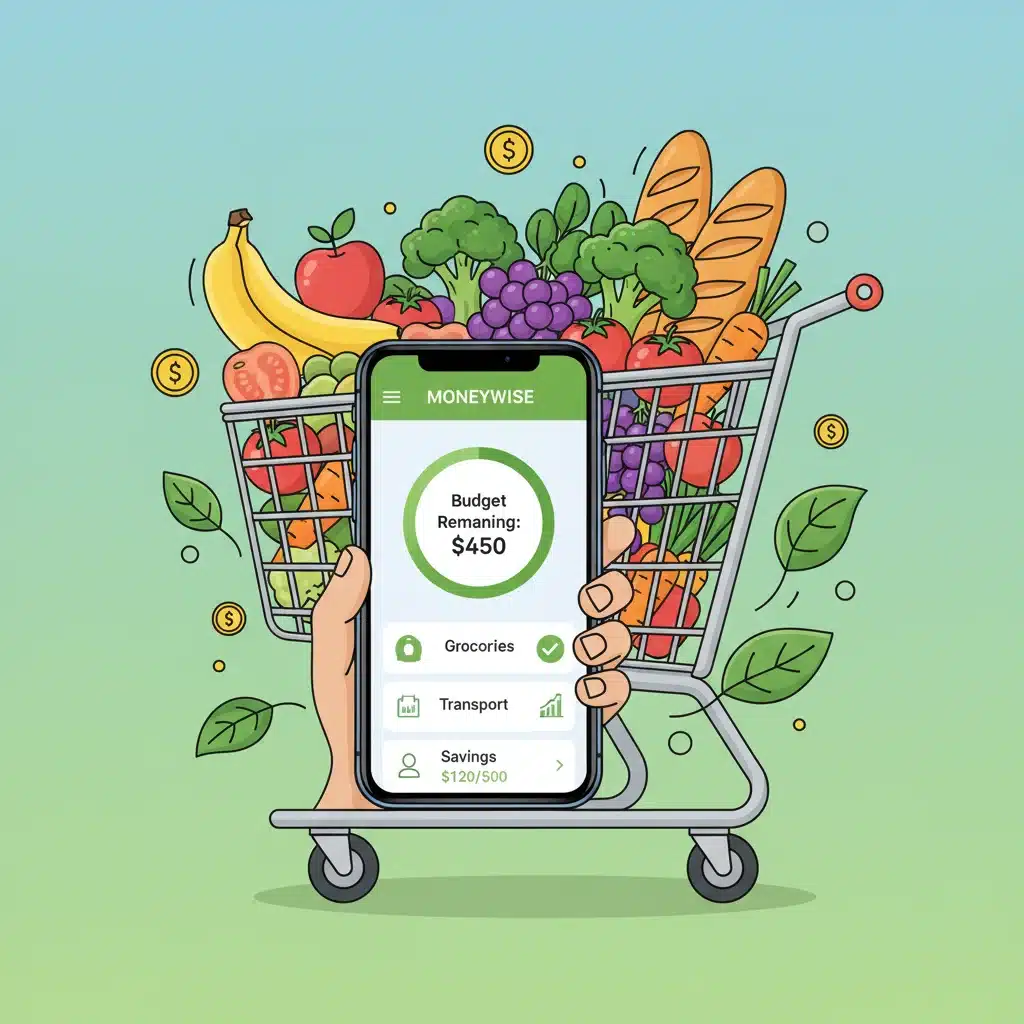
In an ever-evolving economic landscape, managing personal finances effectively has become more crucial than ever. As we look towards 2026, the cost of living continues to be a significant concern for many households, with grocery expenses often taking a substantial bite out of monthly budgets. The good news is that technology offers powerful solutions to help us navigate these challenges. Specifically, budgeting apps groceries have emerged as indispensable tools for smart spending, enabling individuals and families to track, manage, and significantly reduce their food expenditures.
Imagine being able to save an average of 10% on your grocery bills without feeling deprived or making drastic lifestyle changes. This isn’t a far-fetched dream; it’s a tangible reality achievable through the strategic use of the right budgeting tools. This comprehensive guide will delve into the world of top budgeting apps designed to optimize your grocery spending. We’ll explore their features, benefits, and how they empower you to make more informed purchasing decisions, ultimately leading to substantial savings. Whether you’re a seasoned budgeter or just starting your financial wellness journey, understanding and utilizing these apps can transform your relationship with money and food.
The year 2026 presents unique opportunities and challenges. With inflation impacting food prices and supply chains still finding their footing, proactive financial management is key. By focusing on budgeting apps groceries, we aim to provide you with actionable insights and practical recommendations to not only survive but thrive financially. Our goal is to equip you with the knowledge to choose the best app for your needs, integrate it seamlessly into your daily routine, and witness the positive impact on your savings account. Let’s embark on this journey to smarter grocery spending together, ensuring that your hard-earned money works harder for you.
The Rising Cost of Groceries: Why 2026 Demands Smart Solutions
The increase in grocery prices has been a consistent trend over the past few years, and projections for 2026 suggest that this upward trajectory will likely continue. Factors such as global supply chain disruptions, climate change impacts on agriculture, rising energy costs, and geopolitical events all contribute to the volatility and expense of food items. For the average household, this translates to less disposable income and increased financial stress. Without a structured approach to managing these expenses, it’s easy for grocery bills to spiral out of control, impacting other essential areas of your budget.
This is where the power of budgeting apps groceries truly comes to the forefront. Unlike traditional pen-and-paper budgeting methods, these digital tools offer real-time tracking, categorization, and analytical capabilities that provide an unprecedented level of insight into your spending habits. They move beyond simply recording transactions; they empower you to understand where your money is going, why it’s going there, and how you can optimize your choices. In 2026, relying solely on memory or infrequent checks of bank statements is no longer sufficient for effective financial management, especially when it comes to the complex and often emotional realm of food purchasing.
Furthermore, the variety of food choices available today, coupled with marketing strategies designed to encourage impulse buys, makes disciplined grocery shopping a challenge. A robust budgeting app acts as your financial guardian, providing gentle nudges, setting spending limits, and offering visual representations of your progress. This not only helps in cutting down unnecessary expenses but also fosters a greater sense of financial awareness and control. By embracing these smart solutions, you’re not just saving money; you’re building healthier financial habits that will serve you well beyond 2026.
The Mechanics of Saving: How Budgeting Apps Tackle Grocery Spending
At their core, budgeting apps groceries work by giving you a clear, consolidated view of your financial inflows and outflows. When specifically applied to grocery spending, their functionality becomes even more targeted and impactful. Here’s a breakdown of the key mechanisms through which these apps help you save:
1. Real-time Transaction Tracking and Categorization
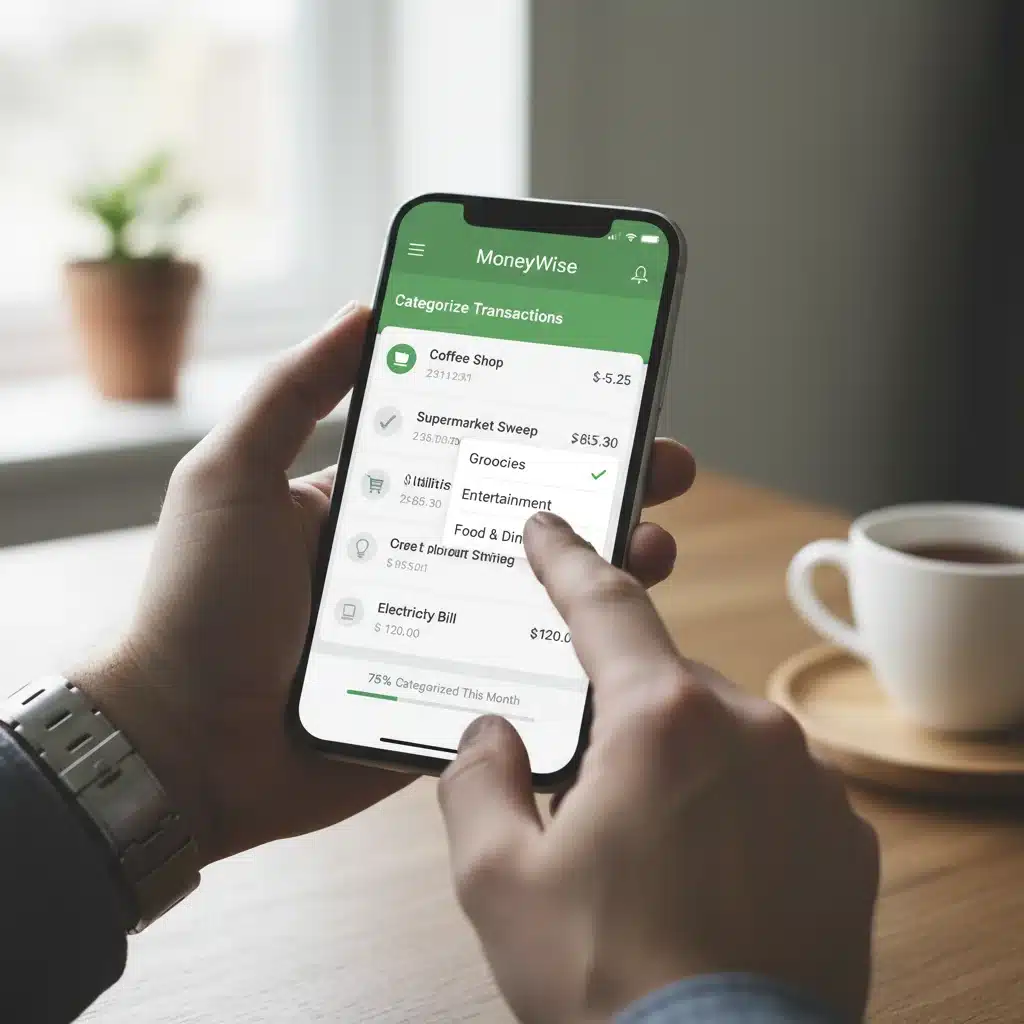
Most modern budgeting apps link directly to your bank accounts and credit cards, automatically importing transactions. The crucial feature here is the ability to easily categorize these transactions. For grocery spending, you can set up a dedicated ‘Groceries’ category. This allows you to see exactly how much you’ve spent on food items in any given period, providing an accurate baseline for your budget.
2. Budget Setting and Monitoring
Once you understand your current spending, you can set a realistic budget for groceries. The app then continuously monitors your spending against this budget, often providing visual cues (like a progress bar turning from green to yellow to red) as you approach or exceed your limit. This immediate feedback loop is incredibly powerful in curbing overspending.
3. Spending Insights and Analytics
Beyond simple tracking, these apps offer sophisticated analytical tools. You can generate reports that break down your grocery spending by store, by week, or even by specific types of items if you manually categorize them further. This helps identify patterns, such as consistently spending more at a particular supermarket or overspending on snacks versus essential items. These insights are invaluable for making informed adjustments to your shopping habits.
4. Goal Setting and Progress Tracking
Many apps allow you to set specific savings goals, including reducing your grocery bill by a certain percentage or amount. Tracking your progress towards these goals provides motivation and reinforces positive financial behaviors. Seeing your savings accumulate can be a powerful incentive to stick to your budget.
5. Bill Reminders and Alerts
While not directly grocery-related, the ability to manage all your bills within one app indirectly helps with grocery budgeting. By ensuring other bills are paid on time, you avoid late fees and maintain a clearer picture of your available funds for discretionary spending, including groceries.
6. Meal Planning and Shopping List Integration
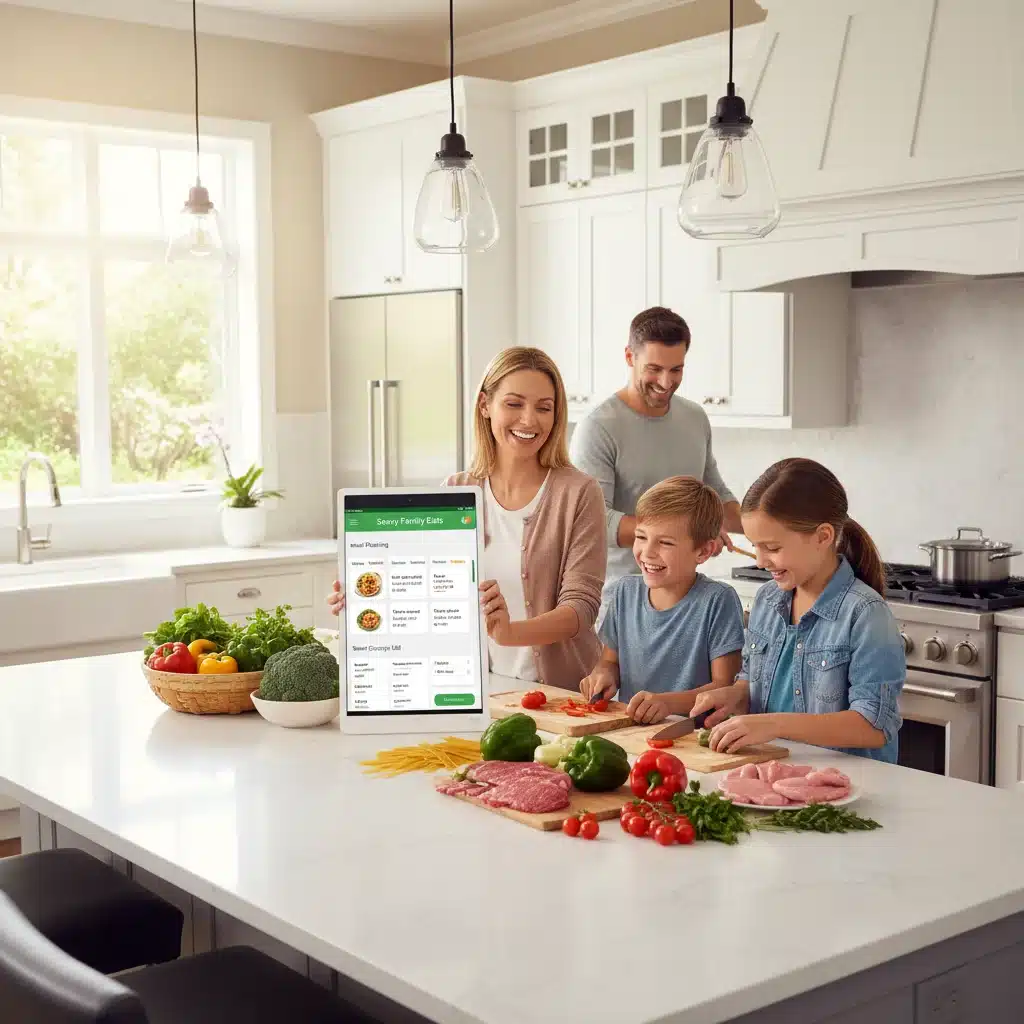
Some advanced budgeting apps groceries offer features that integrate meal planning and shopping list creation. This is a game-changer for grocery savings. By planning your meals in advance, you can create a precise shopping list, avoid impulse purchases, and buy only what you need. This reduces food waste and ensures every dollar spent on groceries is intentional.
By leveraging these intertwined functionalities, budgeting apps transform the often-daunting task of managing grocery expenses into an organized, data-driven, and ultimately rewarding experience. They empower you to be proactive rather than reactive, turning potential overspending into consistent savings.
Comparing the Contenders: Top 5 Budgeting Apps for Grocery Savings in 2026
With a plethora of budgeting apps available, choosing the right one can feel overwhelming. We’ve narrowed down the field to the top 5 apps that excel in helping users manage and save on their grocery spending in 2026. Each app has its unique strengths, catering to different budgeting styles and needs.
1. YNAB (You Need A Budget)
Philosophy: YNAB operates on the principle of giving every dollar a job. This zero-based budgeting approach is incredibly effective for conscious spending, especially when it comes to groceries.
Grocery-Specific Features:
- Zero-Based Budgeting: You allocate specific amounts to categories like ‘Groceries’ at the beginning of the month. This forces you to be intentional about your grocery spending.
- Roll With the Punches: If you overspend in one category, YNAB encourages you to move money from another category, making you aware of the trade-offs. This is perfect for variable grocery costs.
- Spending Trends: Detailed reports show how your grocery spending changes over time, helping you identify areas for improvement.
- Goal Setting: You can set specific targets for reducing your grocery bill, and YNAB helps you track your progress.
Pros: Highly effective for disciplined budgeters, excellent for understanding cash flow, strong community support, robust reporting. Many users report significant savings, often exceeding 10% on groceries alone, due to its hands-on approach.
Cons: Steep learning curve, subscription fee, requires consistent engagement.
Best For: Users committed to a hands-on budgeting approach who want to deeply understand and control every dollar spent on groceries.
2. Mint
Philosophy: Mint focuses on providing a holistic view of your finances, from budgeting to investments, with strong emphasis on ease of use and automation.
Grocery-Specific Features:
- Automatic Categorization: Mint automatically pulls and categorizes transactions from linked accounts, making it easy to see your grocery spending without manual input.
- Customizable Budgets: You can create specific grocery budgets and receive alerts when you’re nearing or exceeding your limit.
- Spending by Category: Visual charts and graphs clearly illustrate your grocery expenditures relative to other categories.
- Bill Reminders: While not direct, managing all bills here frees up mental space to focus on grocery savings.
Pros: Free to use, user-friendly interface, comprehensive financial overview, strong automation, widely popular.
Cons: Ads can be intrusive, less granular control over budgeting compared to YNAB, occasional categorization errors require manual correction.
Best For: Beginners to budgeting, those who prefer an automated, hands-off approach to tracking grocery spending, and users looking for a free all-in-one financial tool.
3. EveryDollar
Philosophy: Created by financial expert Dave Ramsey, EveryDollar champions a zero-based budgeting method similar to YNAB, with a focus on simplicity and debt elimination.
Grocery-Specific Features:
- Zero-Based Budgeting: You plan every dollar at the start of the month, including a specific allocation for groceries.
- Drag-and-Drop Budgeting: Easy to adjust budget amounts between categories, making it flexible for variable grocery costs.
- Premium Features (Plus Version): Connects to bank accounts for automatic transaction tracking, saving significant time on manual entry.
Pros: Simple and clean interface, effective zero-based budgeting, great for debt-free journey, strong educational resources from Dave Ramsey.
Cons: Free version requires manual transaction entry (which can be tedious for groceries), premium version is a subscription. The free version might not be as effective for real-time grocery tracking without manual diligence.
Best For: Fans of Dave Ramsey’s financial principles, those who prefer a straightforward zero-based budget, and users willing to manually track transactions or pay for premium features.
4. Personal Capital (Empower)
Philosophy: While primarily known for investment tracking and wealth management, Personal Capital (now Empower) also offers robust free budgeting and spending analysis tools that can be effectively used for groceries.
Grocery-Specific Features:
- Comprehensive Spending Tracker: Automatically categorizes all transactions, including groceries, across all linked accounts.
- Cash Flow Analysis: Provides detailed insights into your income and expenses, helping you understand where your money goes overall, and specifically how much is allocated to groceries.
- Net Worth Tracking: While not directly grocery-related, seeing your overall financial picture can motivate better spending habits across all categories.
Pros: Excellent for a holistic view of finances, strong investment tracking, free to use budgeting tools, clean interface.
Cons: Budgeting features are less granular than dedicated budgeting apps, primarily focused on wealth management, may push for paid advisory services.
Best For: Individuals looking for a free tool that combines robust investment tracking with solid spending analysis, and who don’t need highly detailed, hands-on grocery budgeting.
5. Simplifi by Quicken
Philosophy: Simplifi aims to be a modern, intuitive budgeting app that simplifies financial management with real-time insights and personalized spending plans.
Grocery-Specific Features:
- Customizable Spending Plan: Helps you create a personalized spending plan (budget) and track your progress against it, with a clear focus on groceries.
- Watchlists: You can create watchlists for specific spending categories, like groceries, to keep a closer eye on them.
- Real-time Alerts: Notifies you when you’re approaching or exceeding your grocery budget.
- Subscription Tracking: Helps identify and manage recurring expenses, which can free up funds for groceries.
Pros: User-friendly design, strong automation, real-time insights, good for understanding recurring expenses, no ads.
Cons: Subscription fee, some users report occasional syncing issues, less robust community than YNAB or Mint.
Best For: Users who want a modern, ad-free experience with strong automation and personalized spending plans, willing to pay a subscription for these benefits.
Beyond the App: Strategies for Maximizing Your Grocery Savings
While these budgeting apps groceries are powerful tools, their effectiveness is amplified when combined with smart shopping strategies. The app provides the framework and the data; your actions translate that into tangible savings. Here are some proven methods to maximize your grocery budget in 2026:
1. Meal Planning is Paramount
Before you even step foot in a grocery store (or click ‘order online’), plan your meals for the week. This allows you to create a precise shopping list, ensuring you only buy what you need. Consider using ingredients that can be repurposed across multiple meals to reduce waste and cost. Many budgeting apps, or companion apps, offer meal planning features that can sync with your grocery list.
2. Always Shop with a List (and Stick to It!)
An unplanned trip to the grocery store is a recipe for impulse purchases. A well-organized list, ideally generated from your meal plan and managed within your budgeting app, keeps you focused. Make it a rule: if it’s not on the list, it doesn’t go into the cart.
3. Leverage Sales and Coupons Strategically
Don’t just buy something because it’s on sale. Only buy sale items that you genuinely need and will use. Combine sales with coupons (digital or physical) for maximum impact. Many supermarket apps integrate with budgeting apps or offer their own savings trackers.
4. Buy in Bulk (Wisely)
Purchasing non-perishable items or freezable goods in bulk can lead to significant savings per unit. However, only buy what you know you’ll consume before it expires or goes stale. A large bag of rice is a great deal; a massive carton of yogurt that spoils before you finish it is not.
5. Cook More at Home, Eat Out Less
This might seem obvious, but the financial difference between home-cooked meals and restaurant or takeout food is staggering. Your budgeting app will clearly show you the ‘Eating Out’ category versus ‘Groceries,’ providing a stark visual of potential savings.
6. Avoid Shopping When Hungry
Shopping on an empty stomach is a well-known trap. Hunger makes everything look appealing, leading to more impulse buys and a higher grocery bill. Eat a snack or meal before heading to the store.
7. Track Prices and Compare Stores
Use your budgeting app’s transaction data to identify which stores offer the best prices for your frequently purchased items. A few minutes of comparison shopping can add up to significant savings over time. Some apps even have features to track price history for specific items.
8. Reduce Food Waste
Food waste is literally throwing money away. Plan meals around ingredients nearing their expiration, store food properly, and get creative with leftovers. Your budgeting app will show you how much you’re spending; reducing waste ensures that money isn’t squandered.
9. Consider Store Brands
Often, store brand products are just as good as their national brand counterparts but come at a fraction of the cost. Experiment to find your favorites, and watch your grocery total shrink.
10. Set Realistic Expectations
Don’t aim for perfection overnight. Start with small, achievable goals, like reducing your grocery bill by 5% in the first month. As you gain confidence and experience, you can gradually increase your savings targets. Your budgeting apps groceries will be there to track every step of your progress, providing motivation and factual data.
By integrating these practical strategies with the analytical power of your chosen budgeting app, you create a holistic approach to grocery savings that is both effective and sustainable. The synergy between smart tools and smart habits is the key to unlocking significant financial gains in 2026 and beyond.
Real-World Impact: How 10% Savings Translate to Your Wallet
Let’s put the concept of saving an average of 10% on groceries into perspective. For many households, groceries represent one of the largest variable expenses after housing and transportation. A typical family of four might spend anywhere from $800 to $1,200 per month on groceries, depending on their location, dietary habits, and shopping choices. Let’s take a conservative average of $1,000 per month.
A 10% saving on this amount translates to $100 per month. While $100 might not seem like a monumental sum at first glance, consider the cumulative effect:
- Annually: $100/month * 12 months = $1,200 saved per year.
What could you do with an extra $1,200 per year? This amount could:
- Fund a small vacation or weekend getaway.
- Cover several months of utility bills.
- Be allocated to an emergency fund, providing a crucial financial safety net.
- Pay down high-interest debt faster, saving you even more money in interest payments.
- Contribute significantly to a retirement fund or investment portfolio.
- Be used for educational expenses or personal development.
- Provide a buffer for unexpected expenses, reducing financial stress.
The impact becomes even more substantial over several years. Over five years, that’s $6,000 saved – a significant sum that can make a real difference in achieving your long-term financial goals. This isn’t about deprivation; it’s about optimization. It’s about making conscious choices, guided by the insights from your budgeting apps groceries, to ensure your money is working for you, not against you.
Moreover, the benefits extend beyond just monetary savings. The act of budgeting and actively managing your grocery spending fosters a greater sense of control and reduces financial anxiety. It encourages healthier eating habits by promoting meal planning and reducing impulse buys of processed foods. It’s a positive feedback loop: you save money, which motivates you to continue smart spending, leading to more savings and greater financial well-being. The initial effort of setting up and consistently using a budgeting app for groceries pays dividends in both financial and personal peace of mind.
Choosing Your Champion: Factors to Consider When Selecting a Budgeting App
With our comparison of the top 5 budgeting apps groceries, you might be wondering which one is the perfect fit for you. The ‘best’ app is subjective and depends heavily on your individual needs, financial habits, and willingness to engage with the tool. Here are key factors to consider:
1. Your Budgeting Style
- Hands-on vs. Automated: Do you prefer to manually categorize every transaction for maximum control (like YNAB or EveryDollar’s free version), or do you want the app to do most of the heavy lifting for you (like Mint or Simplifi)?
- Zero-Based vs. Traditional: Are you comfortable with giving every dollar a job, or do you prefer a more flexible approach where you simply track spending against a limit?
2. Cost
- Free vs. Subscription: Are you looking for a completely free solution (like Mint or Personal Capital’s budgeting tools), or are you willing to pay a monthly/annual fee for advanced features, no ads, and dedicated support (like YNAB, EveryDollar Plus, or Simplifi)? Consider the return on investment – a paid app that helps you save significantly more might be worth the cost.
3. Features and Functionality
- Bank Syncing: Is automatic linking to your bank accounts and credit cards a must-have for convenience, or are you okay with manual entry?
- Customization: How important is the ability to create custom categories, set specific rules, and personalize your dashboard?
- Reporting & Analytics: Do you need detailed graphs and reports to understand your spending patterns, or are basic summaries sufficient?
- Goal Setting: Do you want the app to help you set and track specific financial goals, including grocery savings?
- Other Financial Tools: Do you need an app that also handles investments, net worth tracking, or debt management, or are you solely focused on budgeting?
4. Ease of Use and User Interface
- A visually appealing and intuitive interface can make a huge difference in your willingness to consistently use the app. Look for an app that feels natural and easy to navigate.
5. Security and Privacy
- Since these apps connect to your financial accounts, robust security measures (encryption, multi-factor authentication) are paramount. Also, review their privacy policies to understand how your data is used.
6. Customer Support and Community
- Good customer support can be invaluable when you encounter issues. A strong online community (like YNAB’s) can also provide tips, tricks, and motivation.
Before committing, many apps offer free trials. Take advantage of these to test out the interface, features, and how well it integrates with your existing financial habits. Remember, the best app is the one you will actually use consistently. Start with one, give it a fair try, and adjust if necessary. The journey to smart grocery spending in 2026 is an iterative process, and finding the right digital partner is a crucial first step.
Conclusion: Empowering Your Grocery Budget in 2026
As we navigate the financial landscape of 2026, the ability to effectively manage and reduce grocery expenses is no longer a luxury but a necessity for many households. The good news is that the tools to achieve this are more accessible and powerful than ever before. By embracing the right budgeting apps groceries, you’re not just tracking spending; you’re gaining control, fostering awareness, and actively shaping your financial future.
We’ve explored how apps like YNAB, Mint, EveryDollar, Personal Capital, and Simplifi offer diverse approaches to tackling grocery costs, from meticulous zero-based budgeting to automated tracking and comprehensive financial overviews. Each app brings its unique strengths to the table, catering to different preferences and financial goals. The key is to identify which one aligns best with your personal style and commitment level.
Beyond the technology, remember that these apps are enablers. Their true power is unlocked when combined with smart spending habits: diligent meal planning, sticking to a shopping list, leveraging sales wisely, and minimizing food waste. This synergistic approach is what transforms potential savings into tangible financial gains, allowing you to save an average of 10% or more on your grocery bills.
Imagine the peace of mind that comes from knowing exactly where your money is going, the satisfaction of consistently hitting your savings goals, and the freedom that an extra $1,200 (or more!) per year can provide. It’s about making conscious choices that lead to a healthier financial life, not just for 2026, but for years to come.
So, take the first step today. Download a trial, explore the features, and commit to using one of these powerful budgeting apps. Your wallet, your peace of mind, and your future self will thank you for making the smart choice to master your grocery budget in 2026.